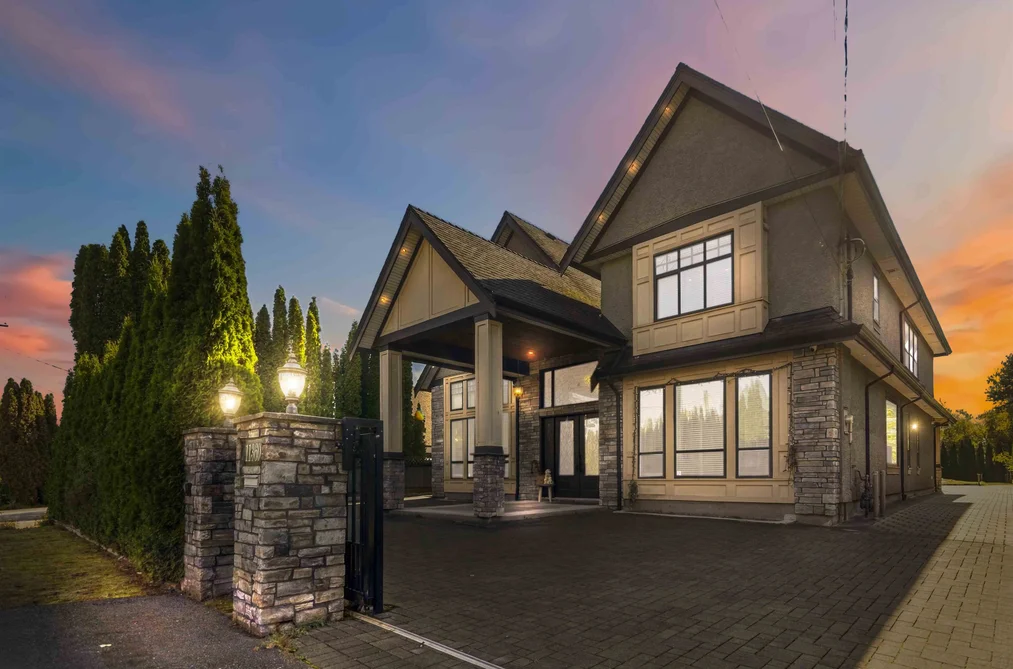
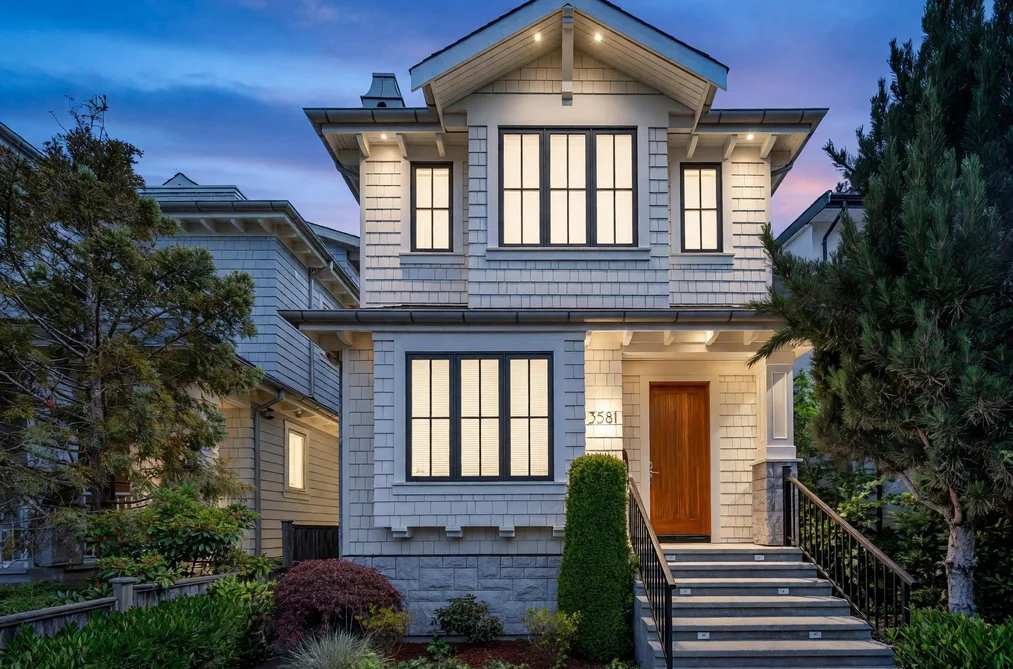
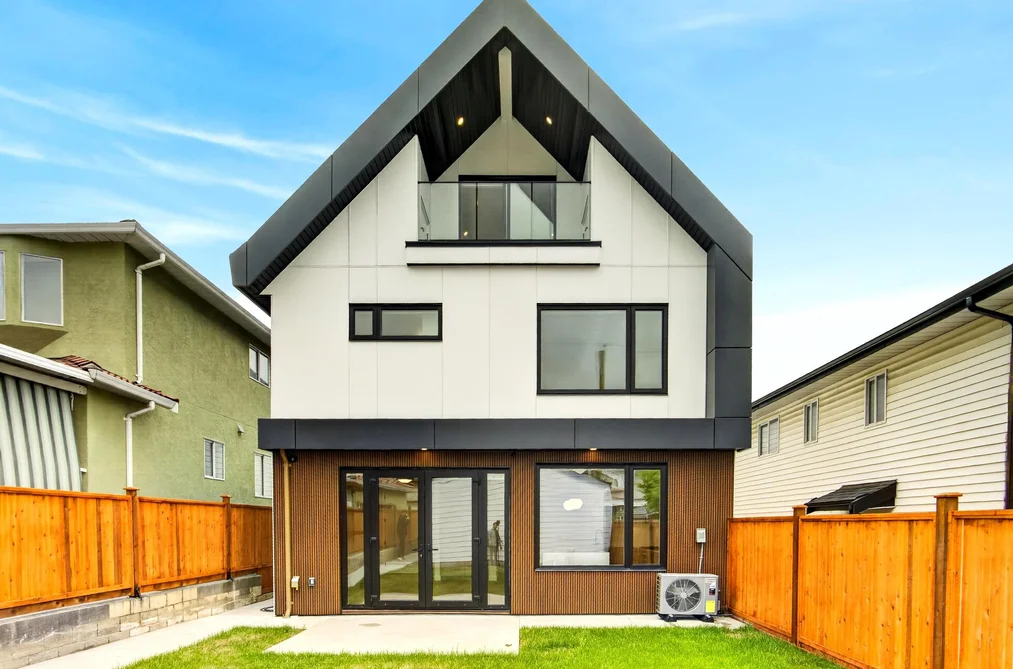
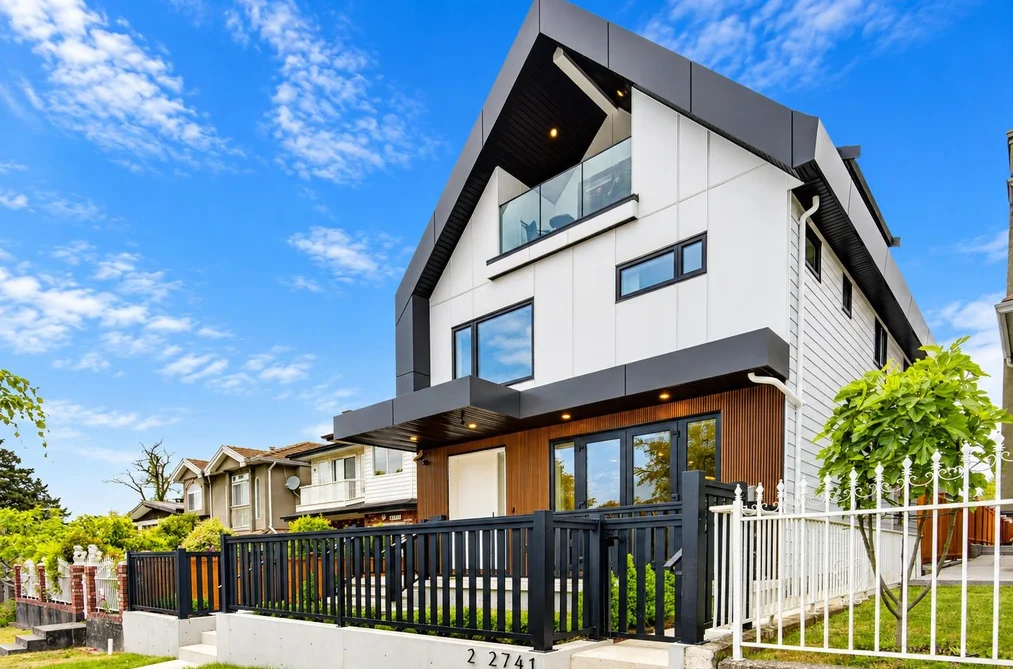
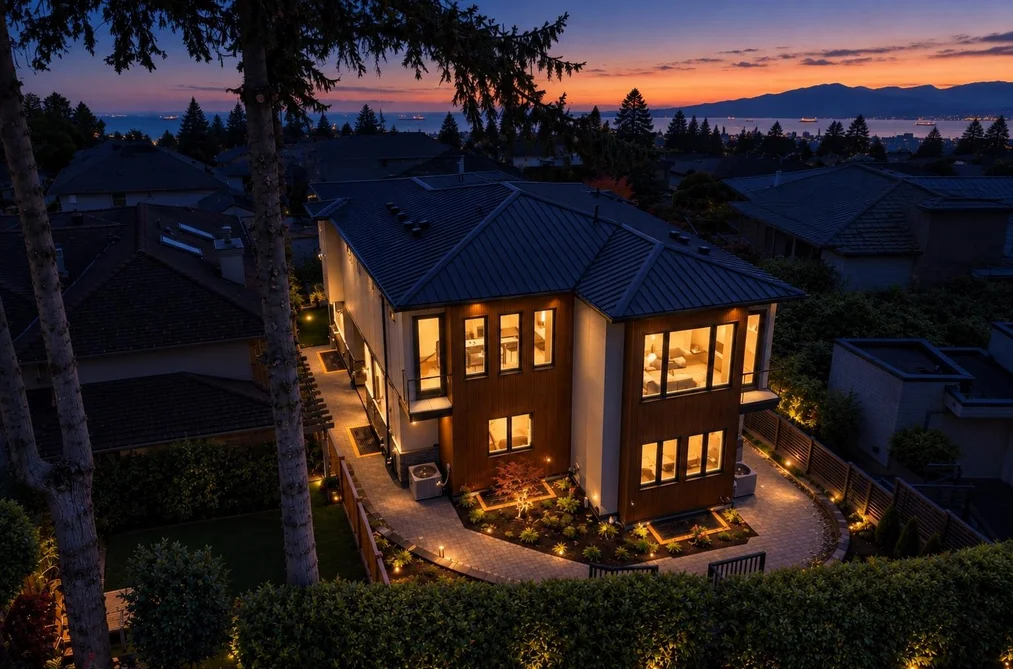
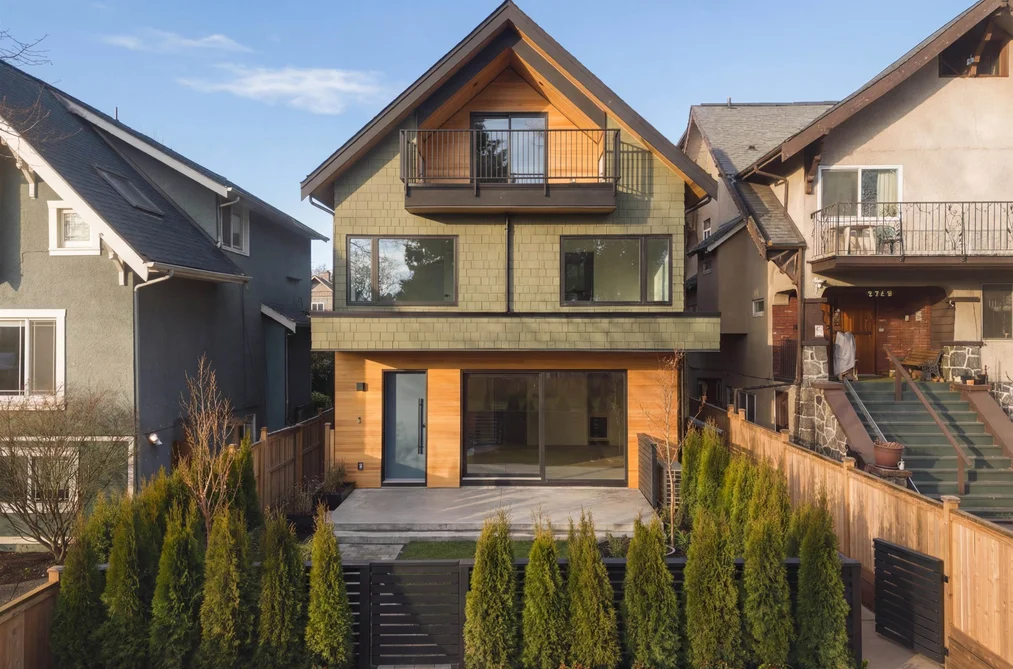
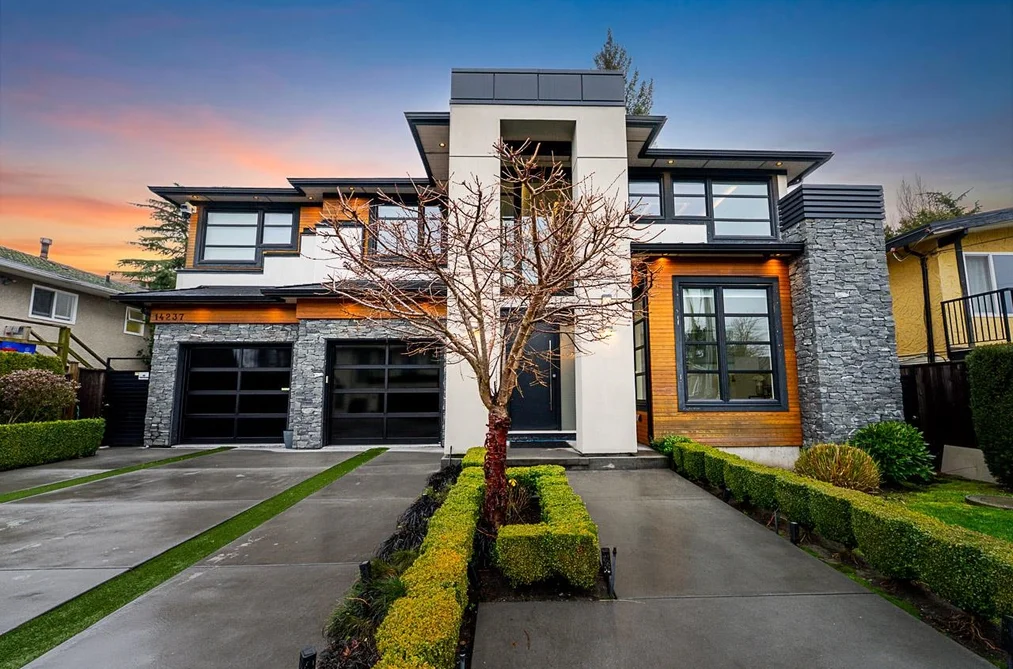
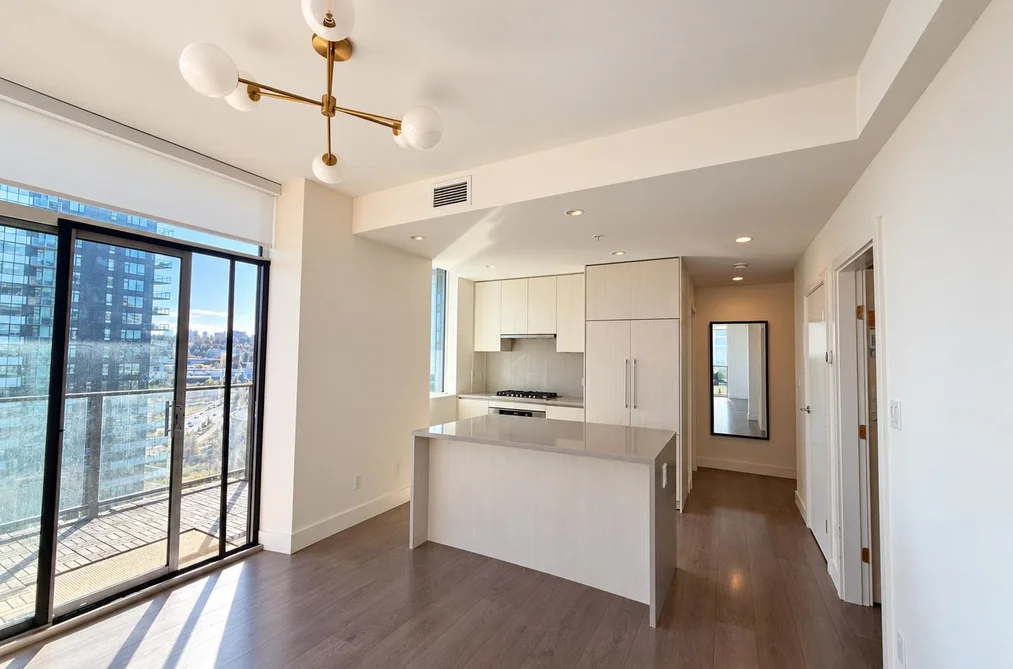
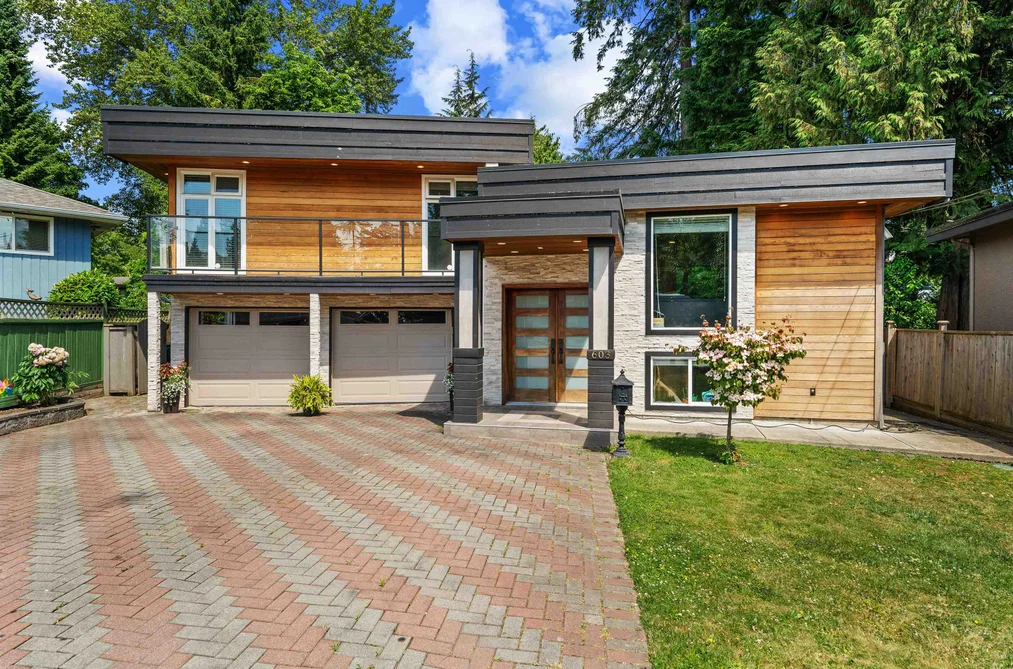
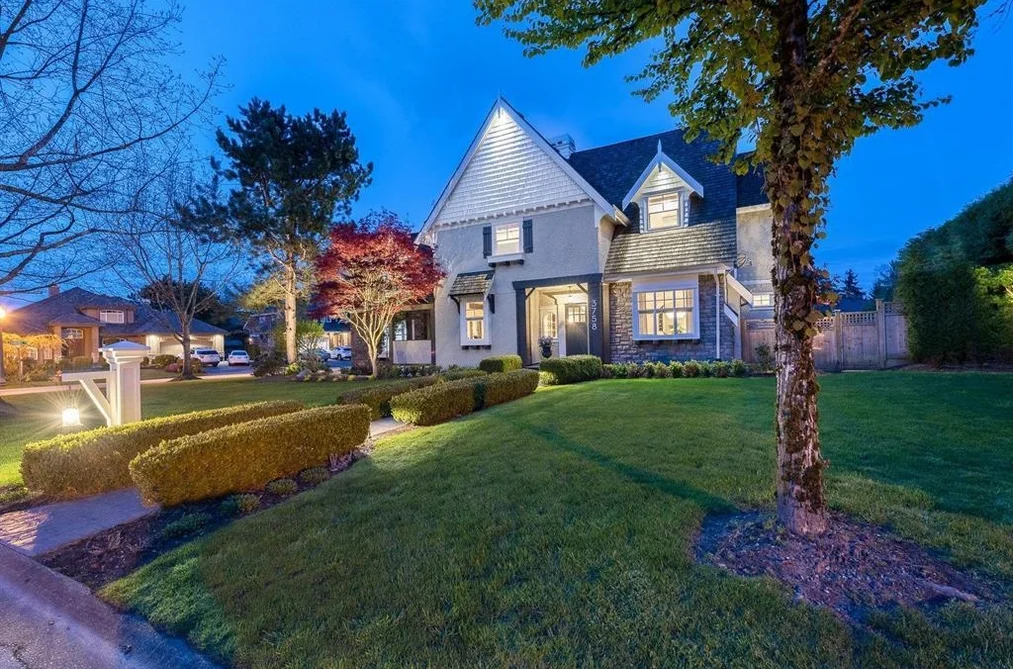
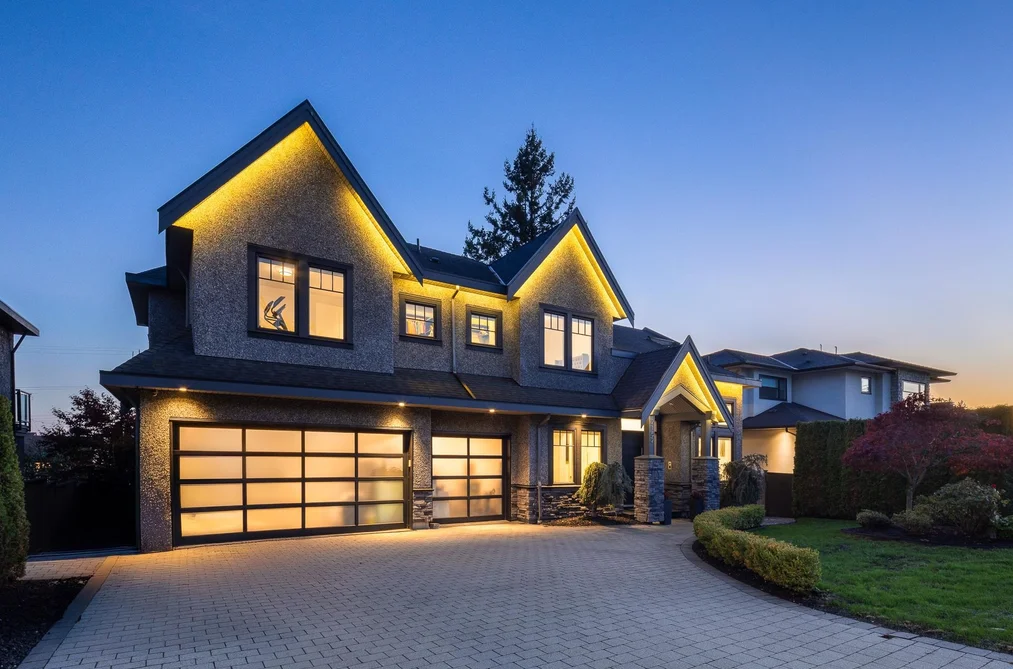
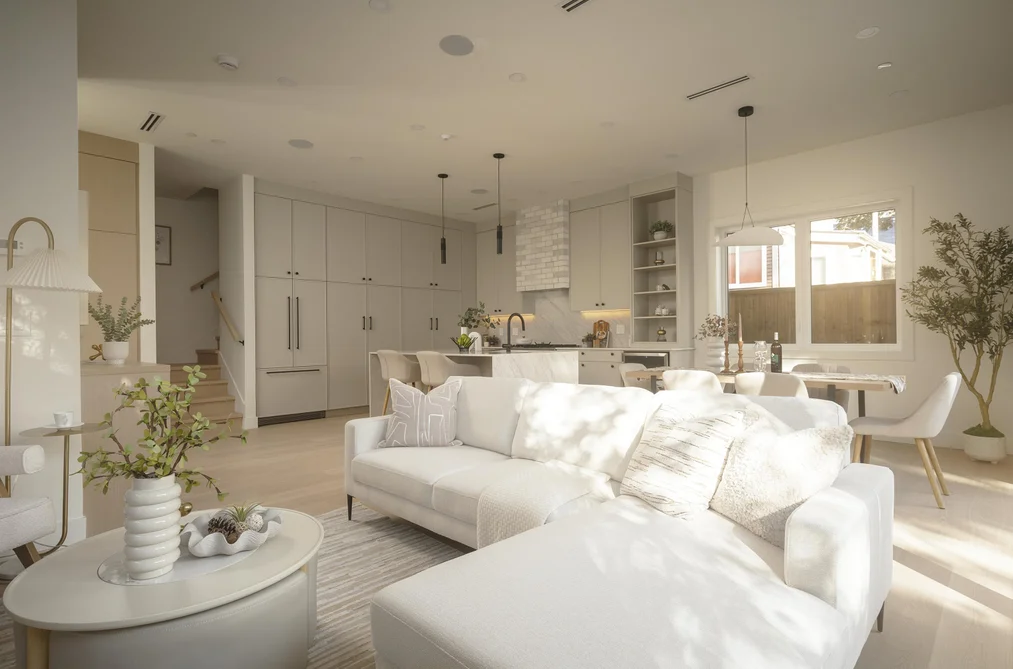
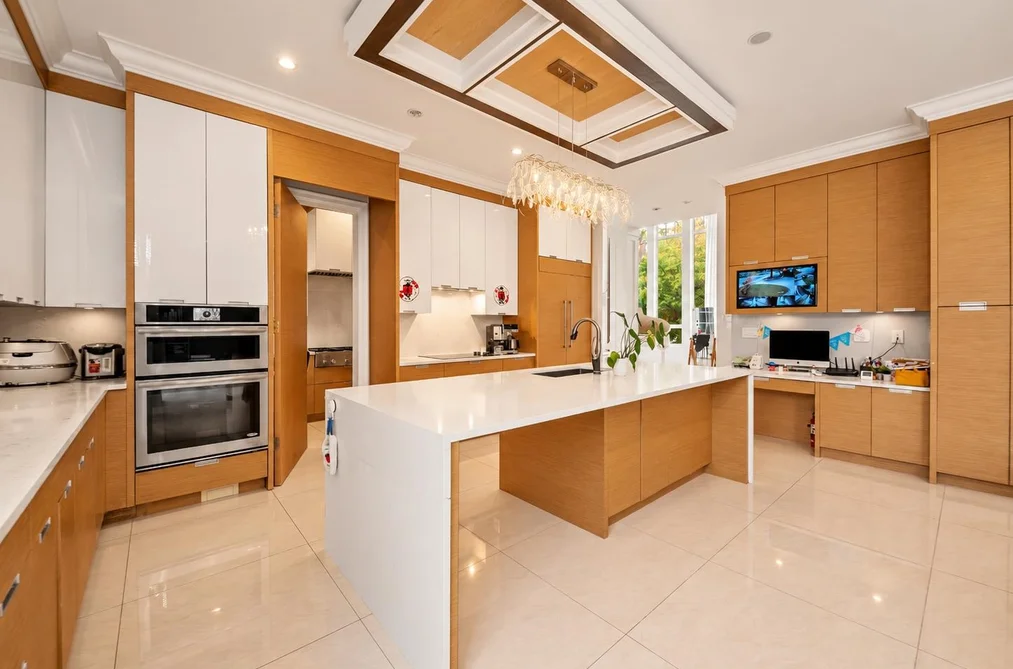
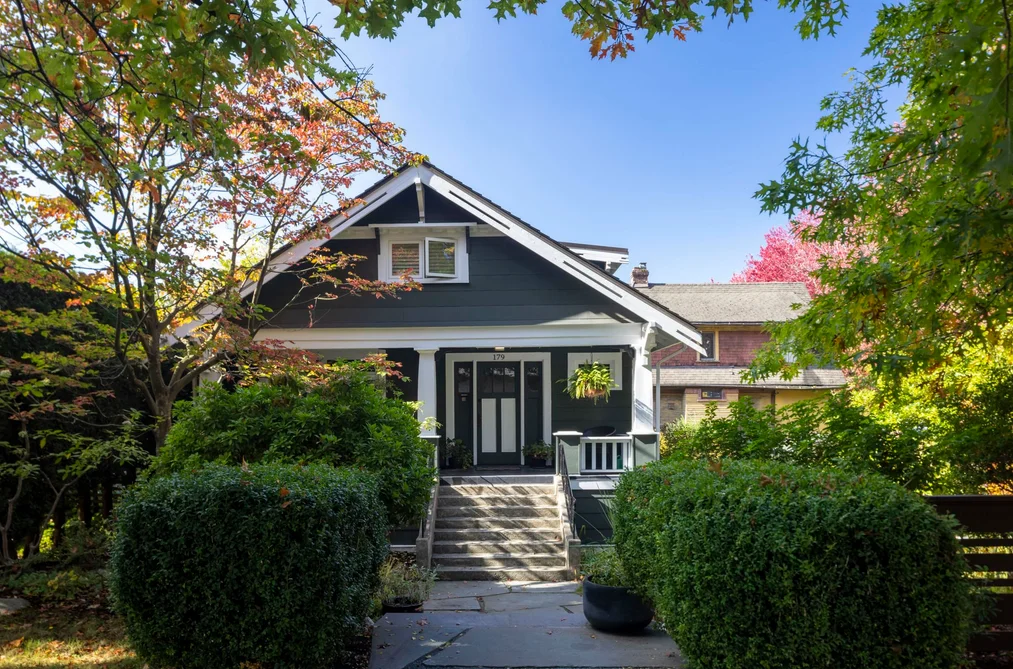
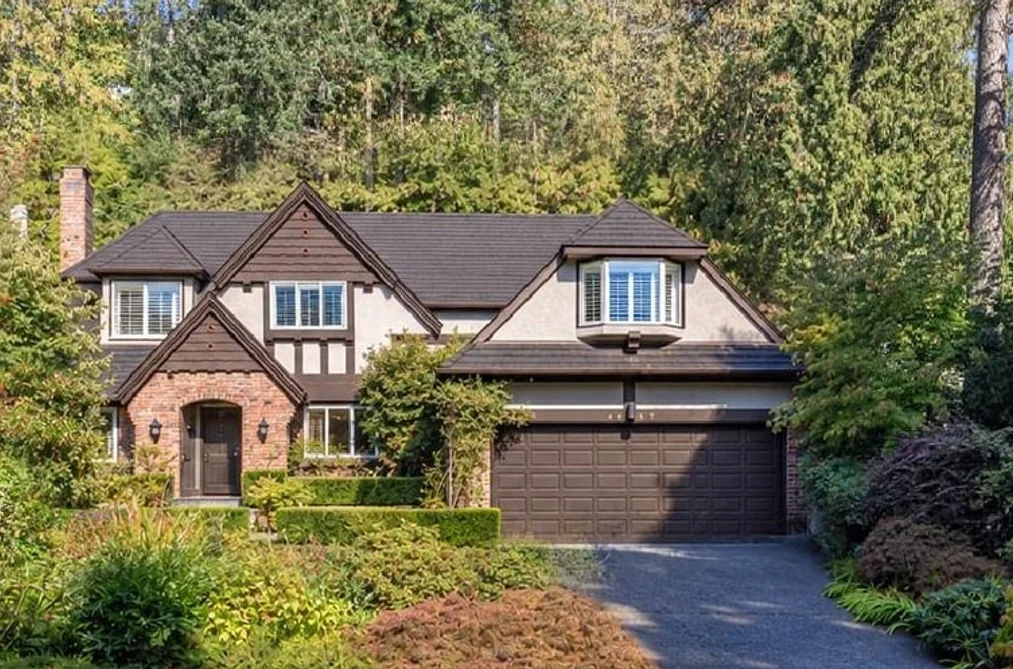
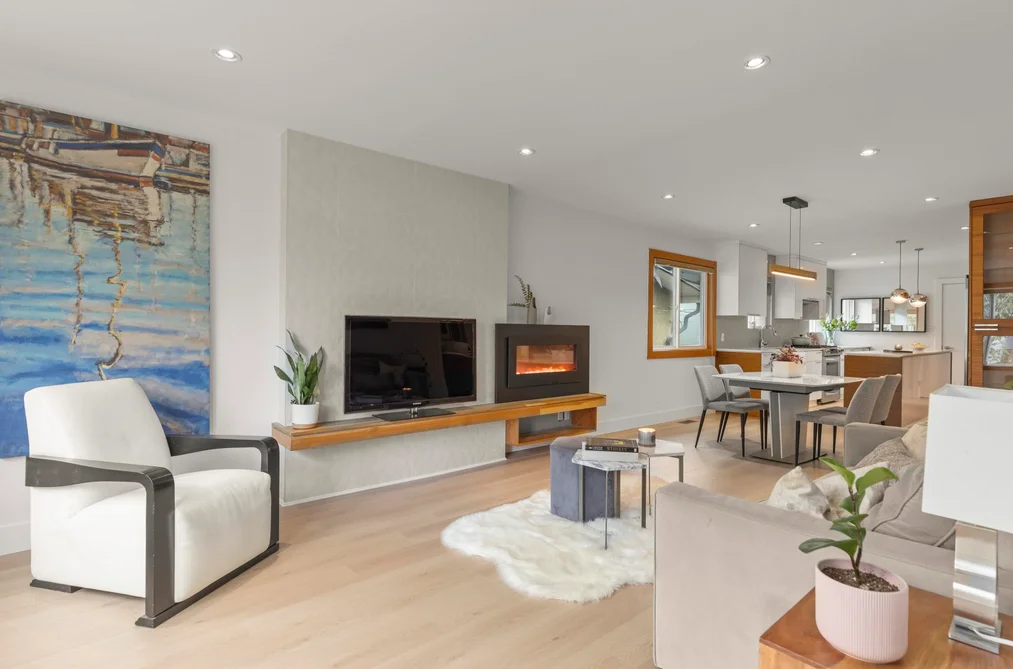
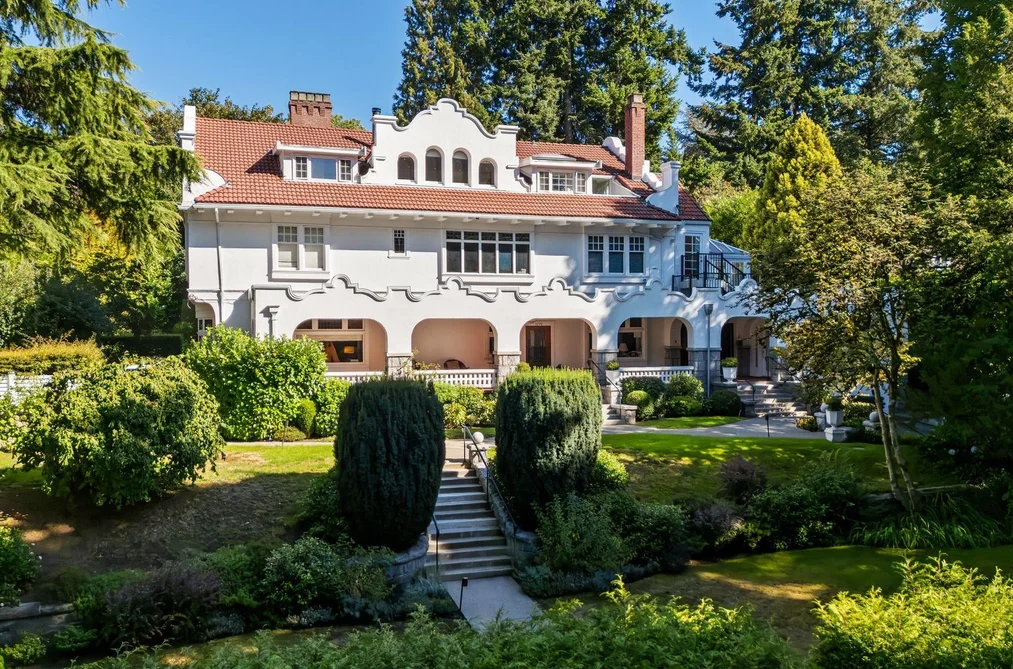
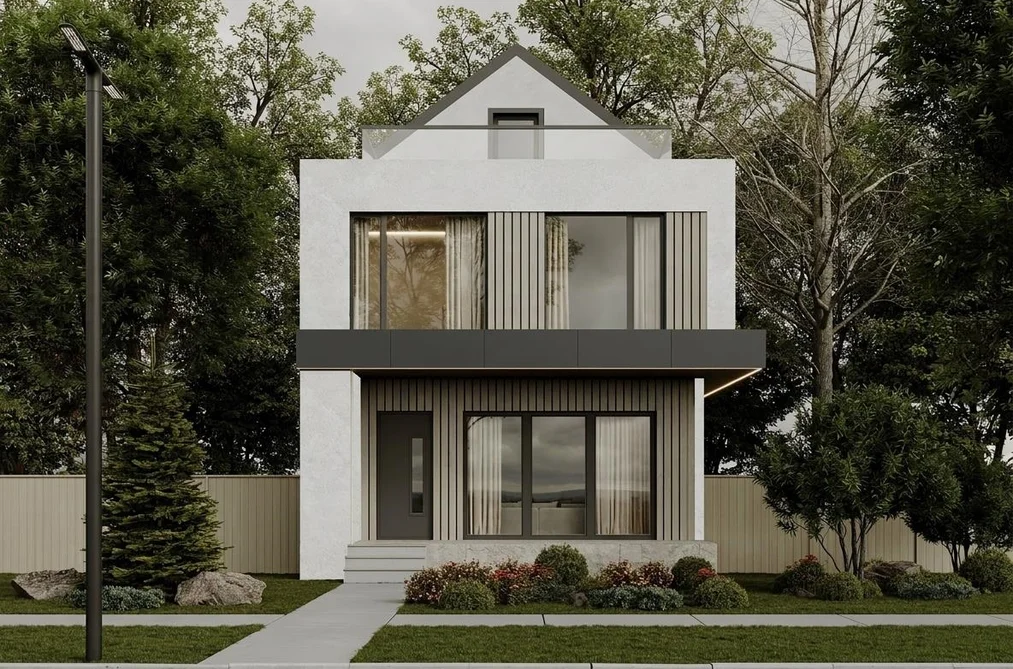
For Sale
1 day
- $2,499,000
- 3 bed
- 2 bath
- 1685 sqft
MLS® R3176935
•Oakwyn Realty Ltd.
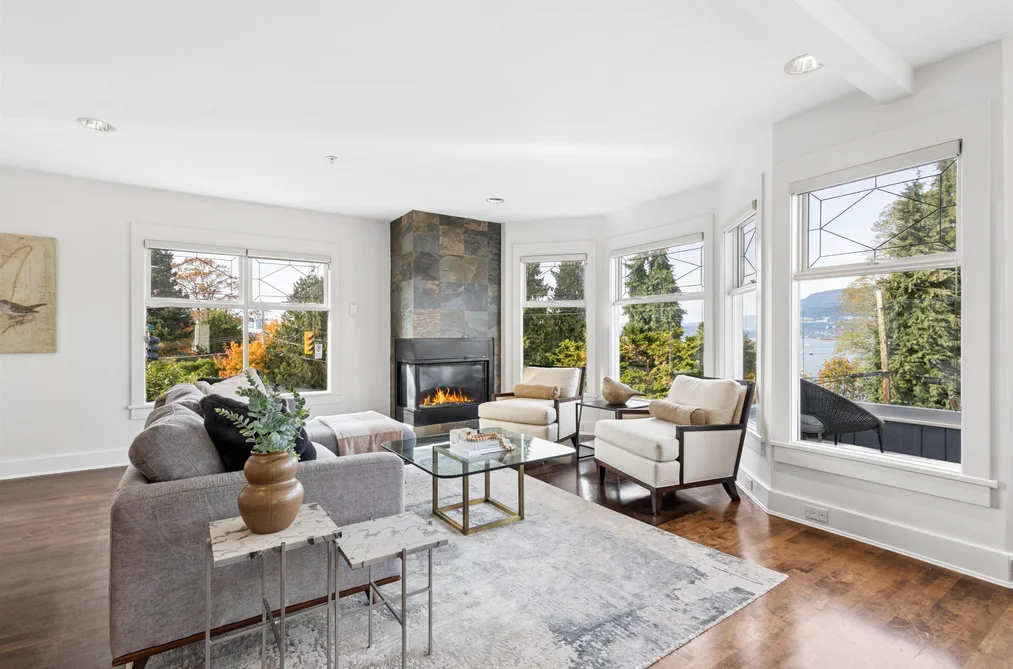
Open Thu, Oct 22, 4:30 p.m.
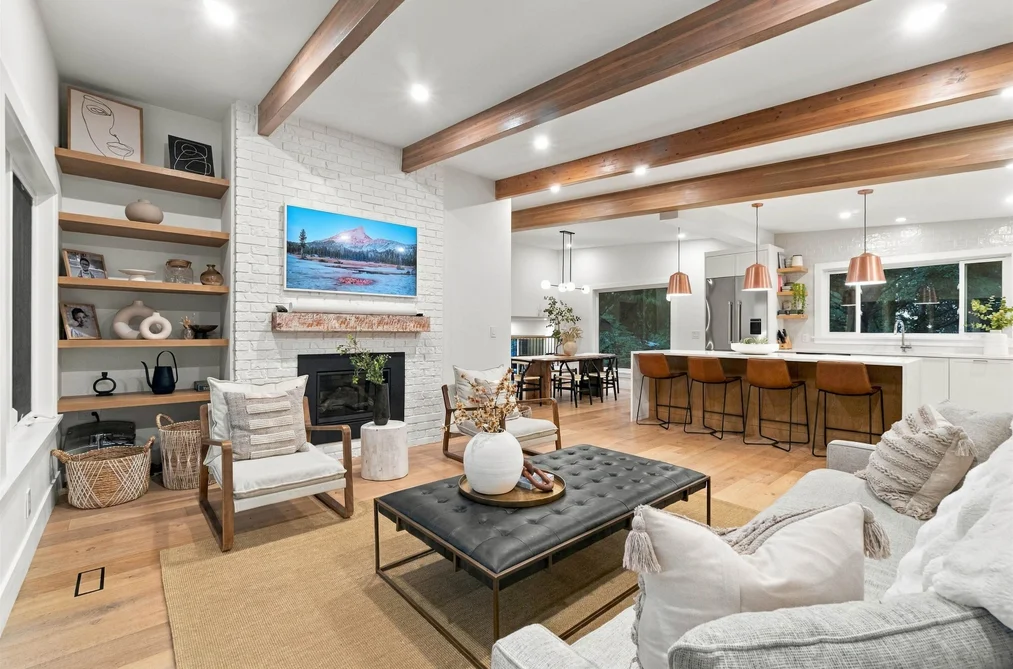
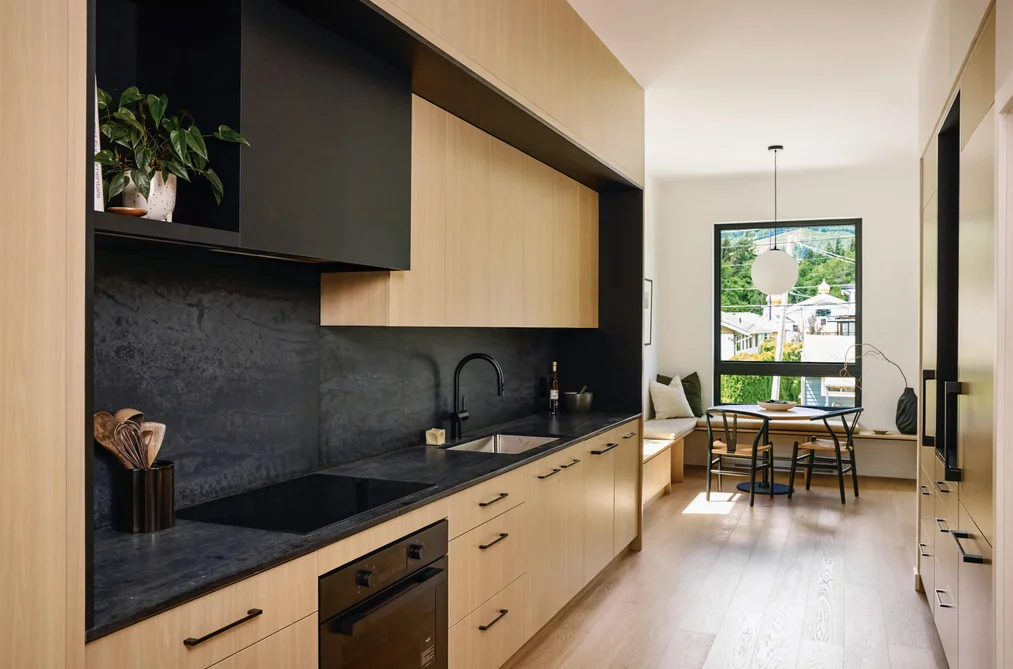
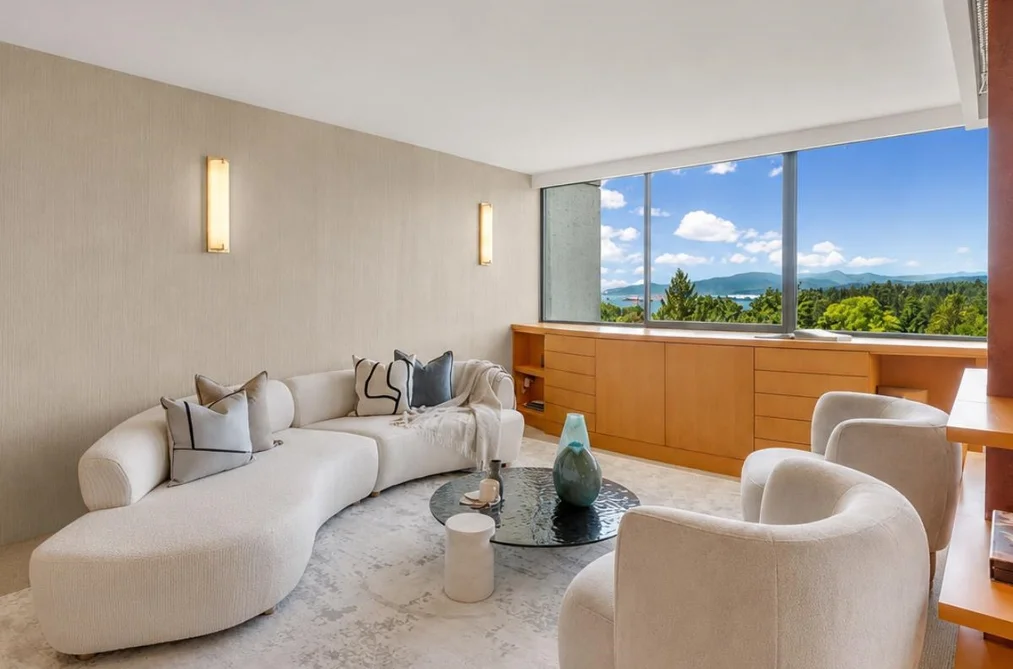
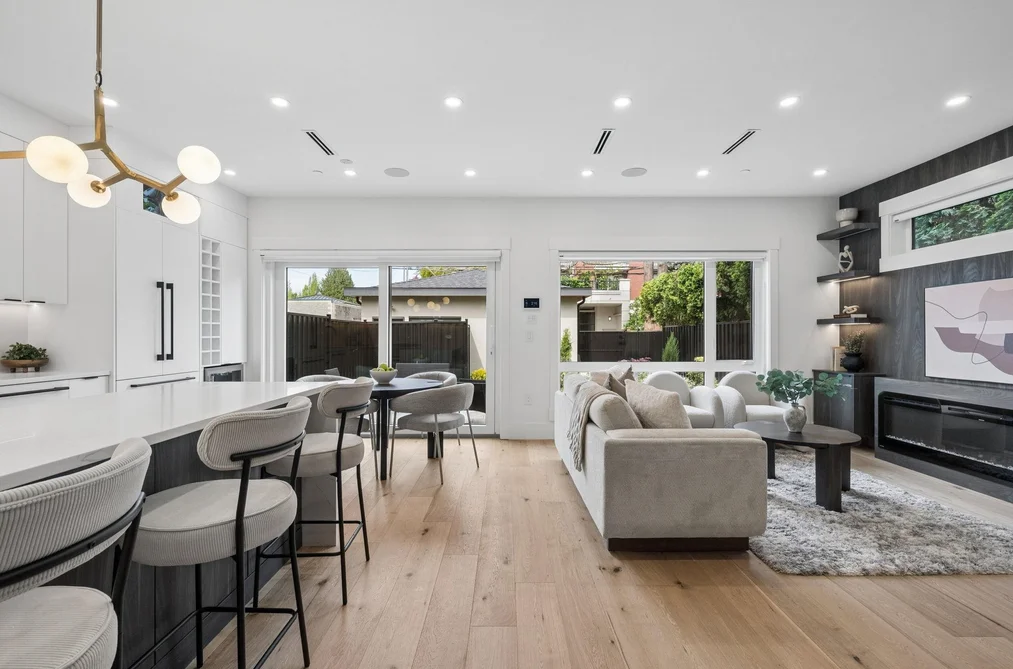
Browse millwork homes for sale in Greater Vancouver and inspect the cabinetry, hardware and built-ins closely before you pay a premium for custom work.
Millwork separates a genuinely custom home from a well-staged one, so open the drawers, look at the hinges and ask who built the cabinetry before you accept the premium in the asking price.
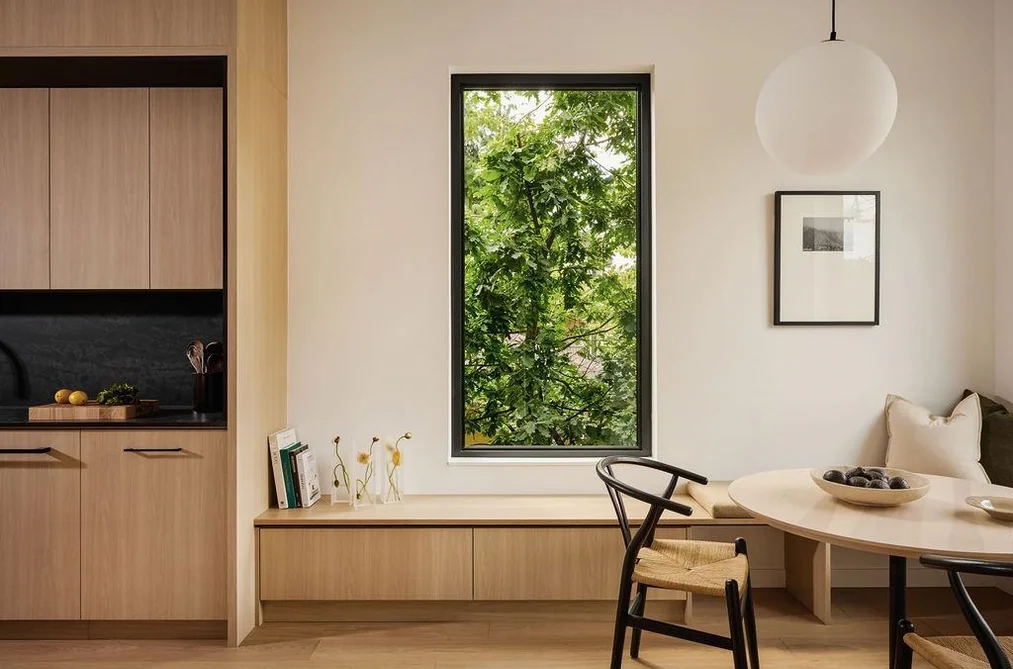
Custom cabinetry, panelling, built-in shelving and closet systems are made for one house by one shop, usually in Vancouver, North Vancouver or Burnaby, and the work is slow enough that it rarely appears by accident. Pull a drawer fully out and look at the box: a dovetailed or dowelled hardwood drawer with soft-close runners is a different product from a stapled particleboard tray on a side-mounted slide.
Check the carcass material as well. Plywood boxes with solid edging hold hardware and resist moisture better than bare fibreboard, which matters under a sink, in a laundry area and around a wine cellar or any space that runs cool and damp.
Ask the listing agent for the fabricator's name and any drawings that came with the home. Knowing the shop matters later, because a damaged panel or a scratched face is far easier to replace when someone still holds the profile, the stain formula and the wood species on file. White oak and walnut in particular are almost impossible to match by eye once a finish has aged.
Then test the everyday things at the showing. Doors should close flush without rubbing, integrated lighting should switch cleanly, and a media wall or built-in bench should feel solid when you lean on it. Look under sinks and along toe kicks for swelling, and ask your inspector to flag any built-in that has been fitted over a leak rather than after the repair.