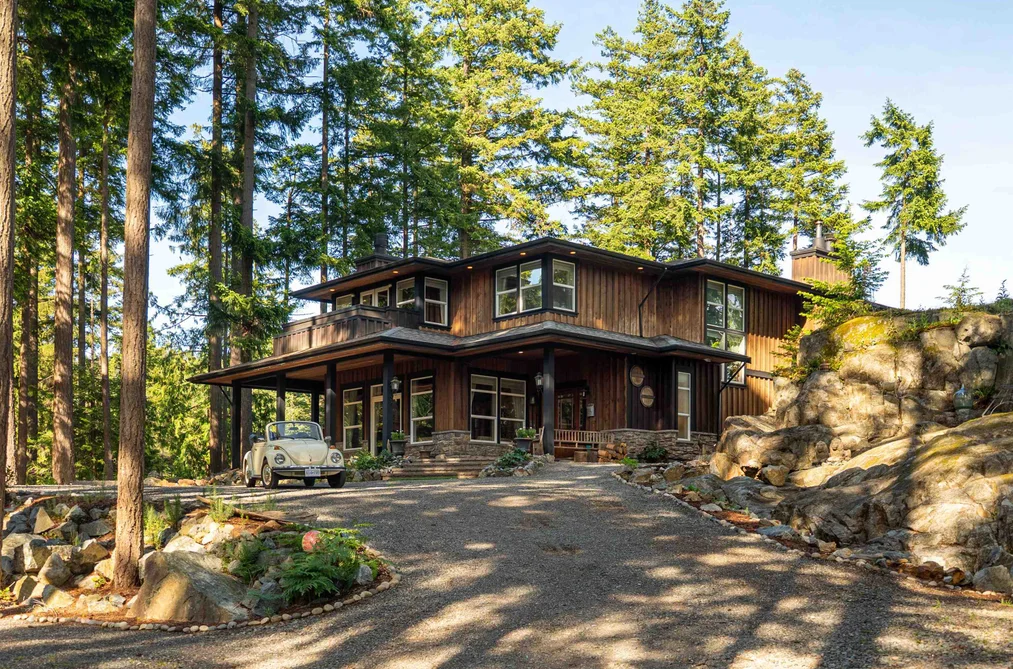
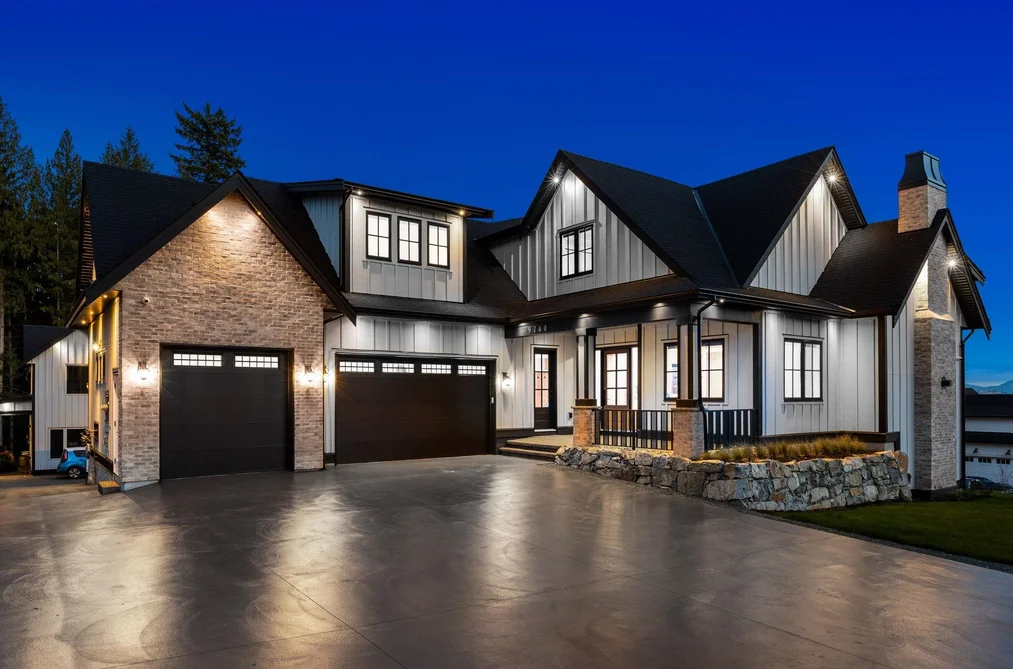
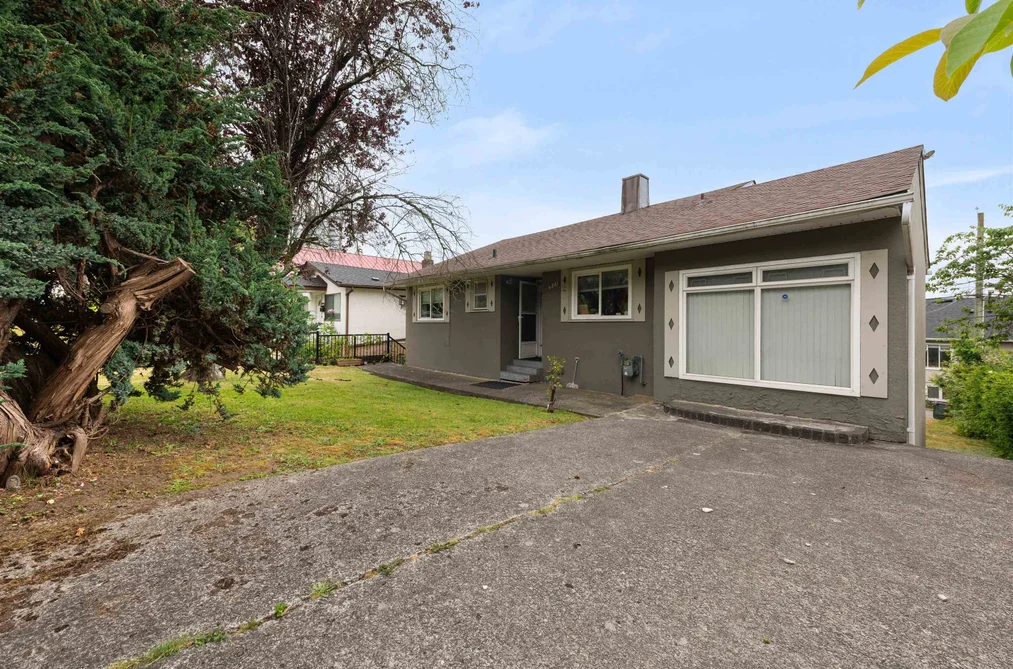
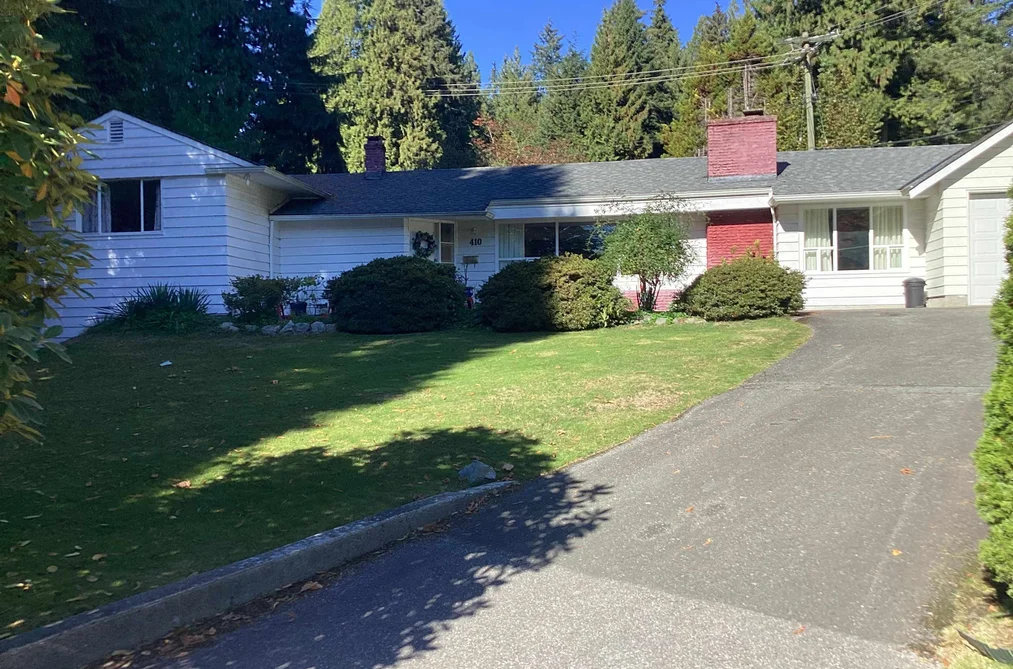
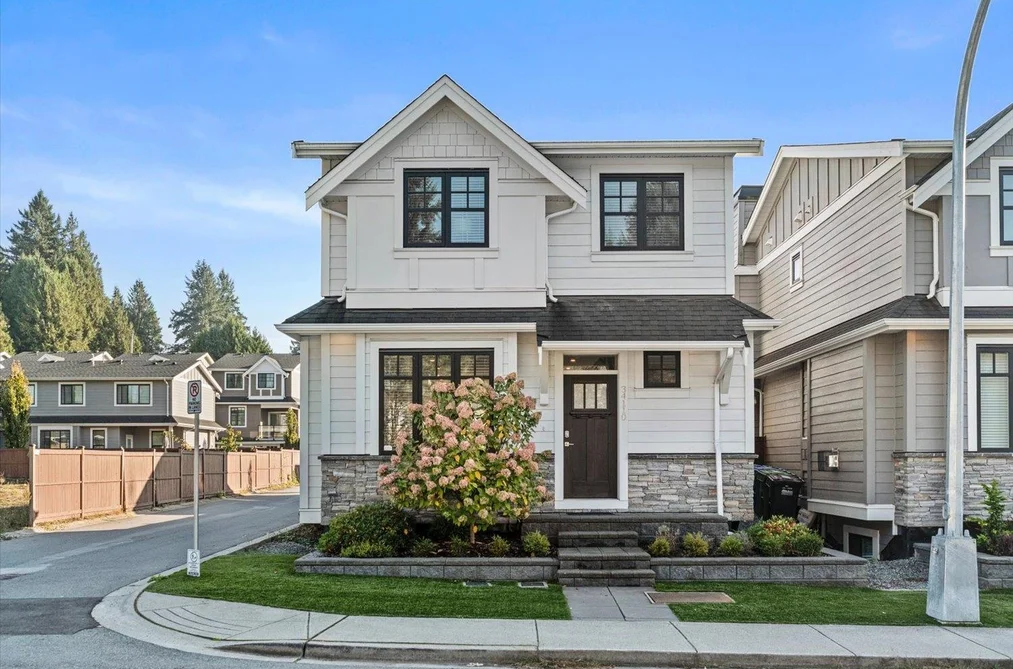
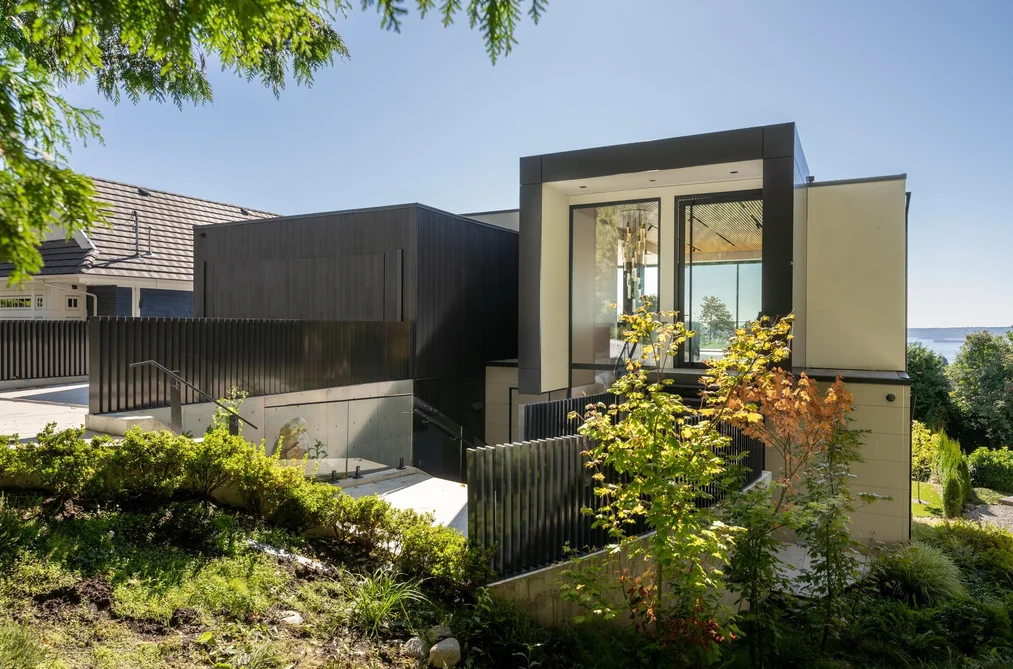
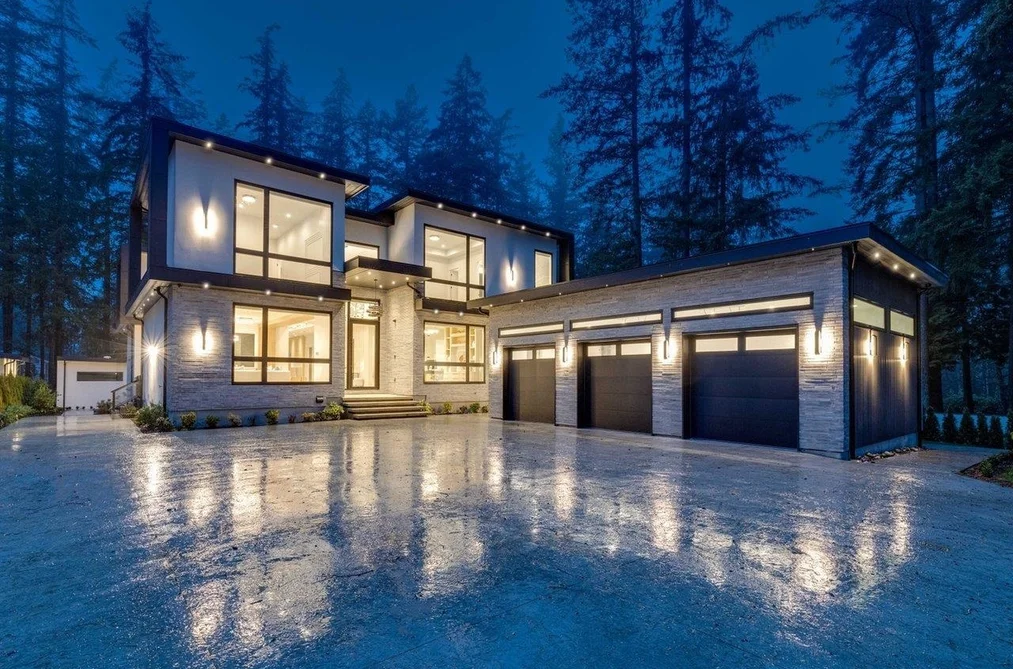
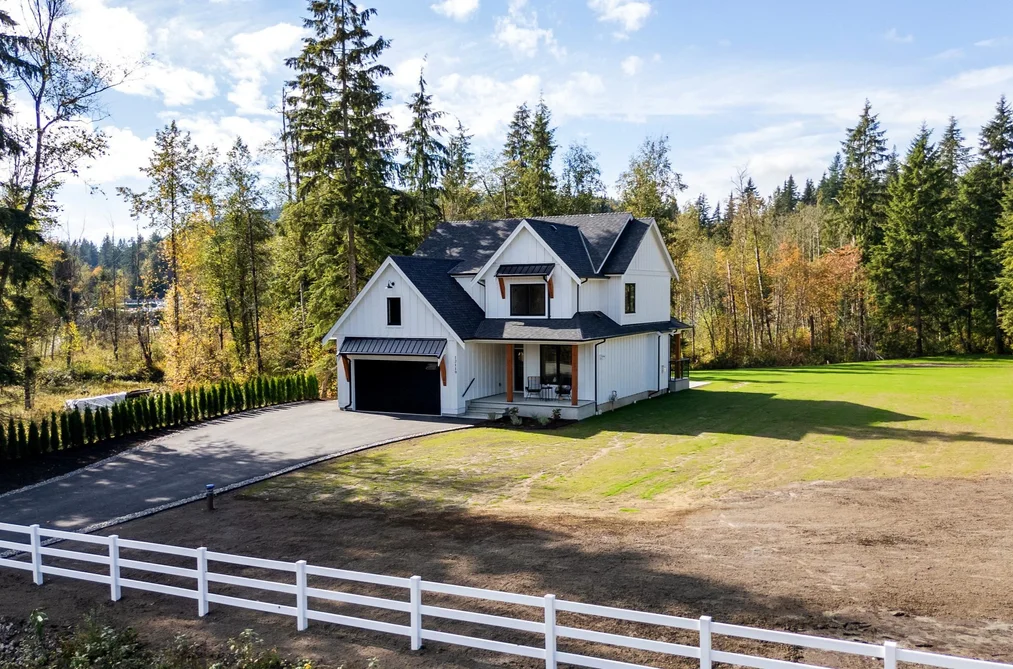
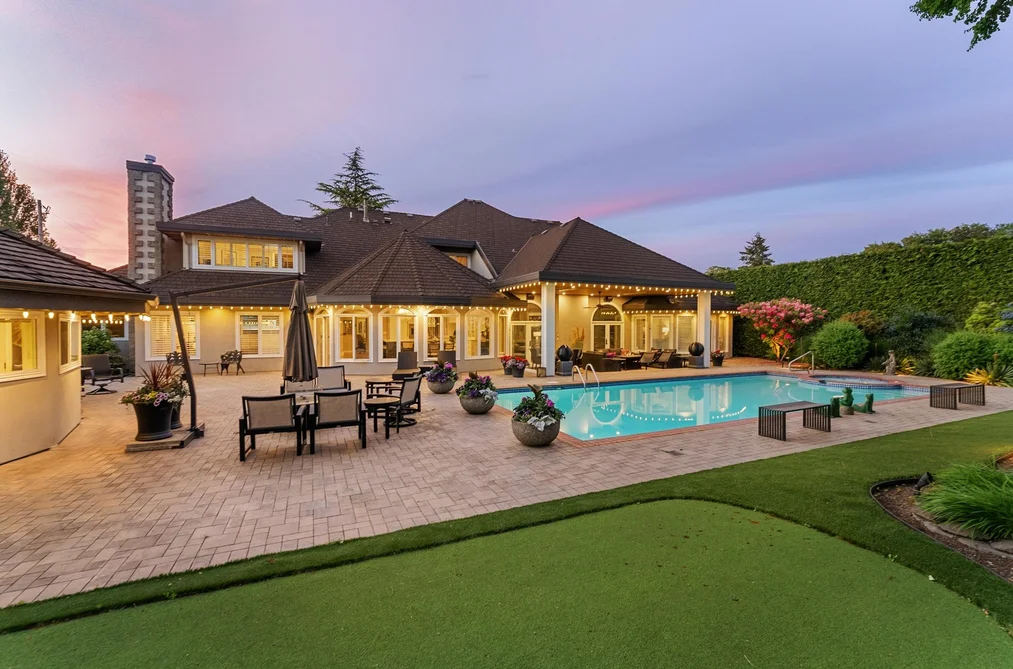
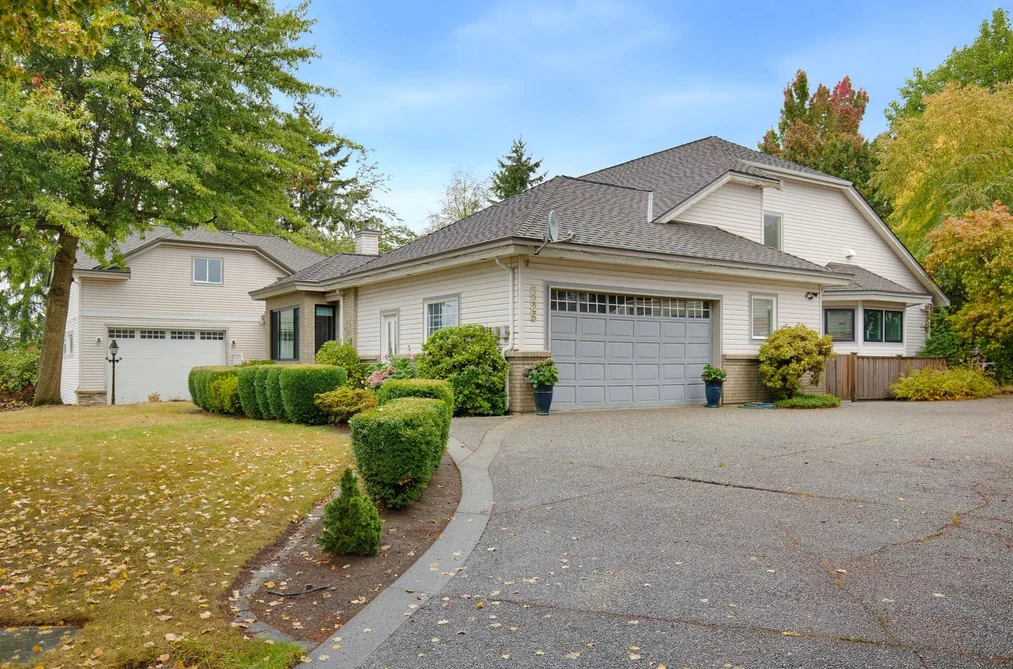
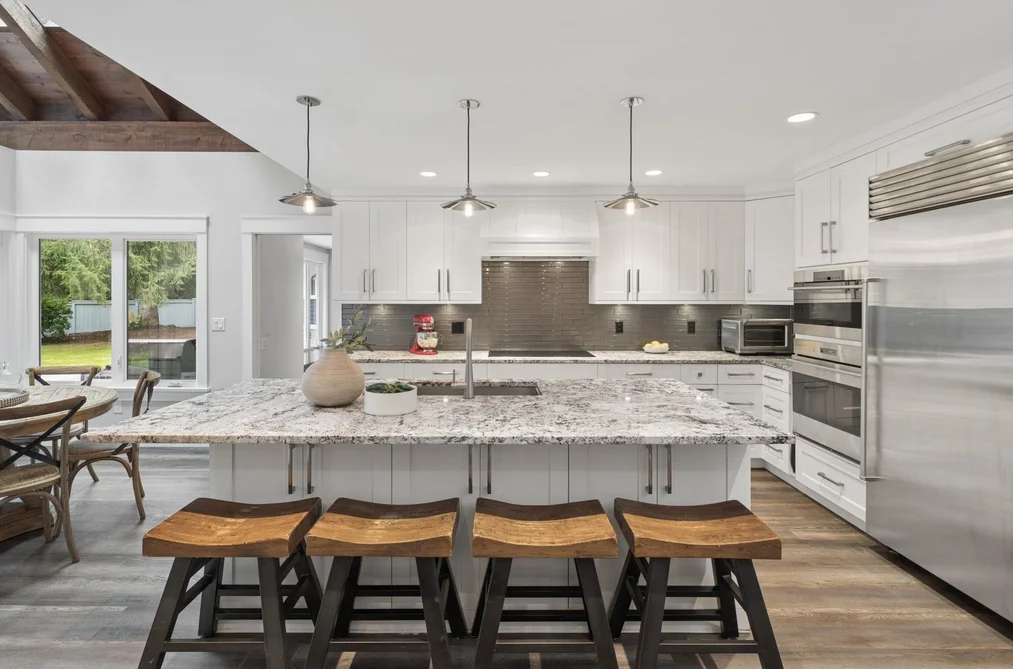
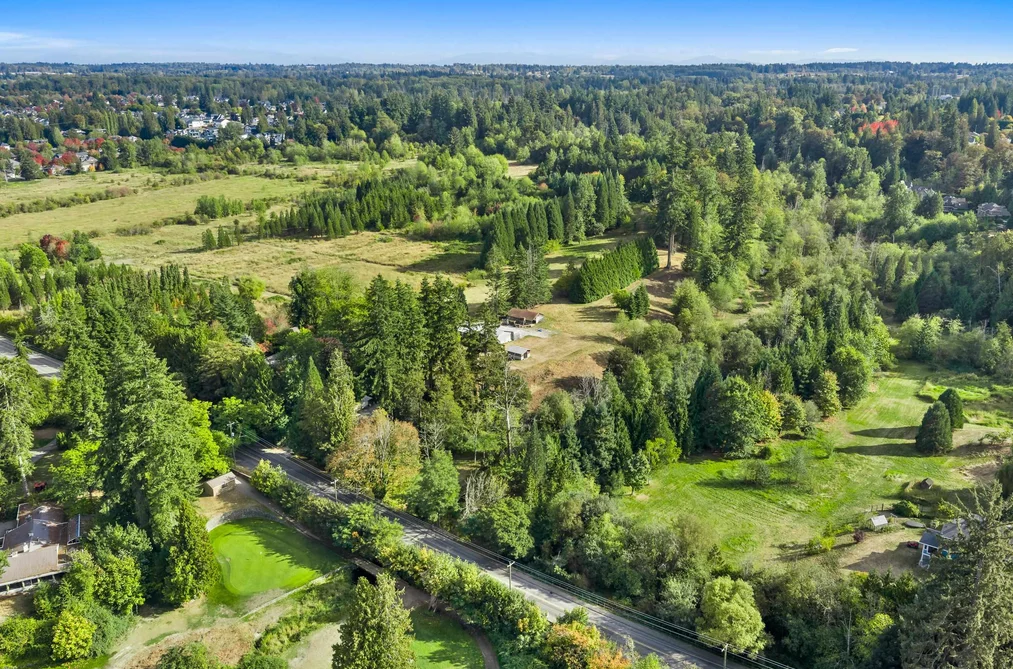
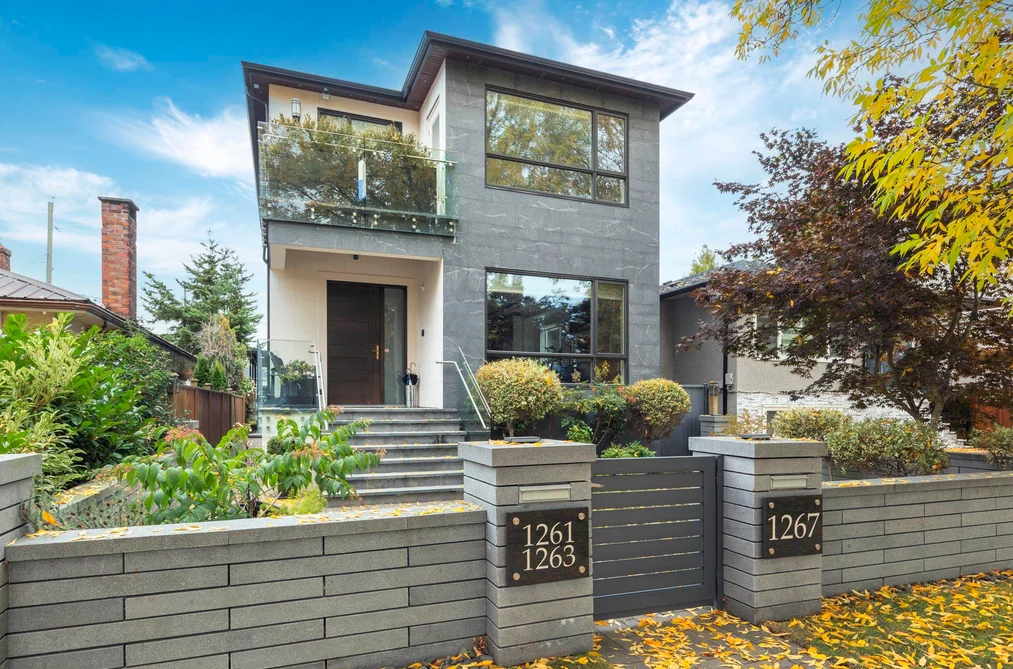
For Sale
1 day
- $1,469,900
- 5 bath
- 1741 sqft
MLS® R3177845
•Sutton Group Seafair Realty
Browse Carriage / Coach House homes for sale in Vancouver and confirm the zoning, permits and financing before you make an offer on a laneway property.
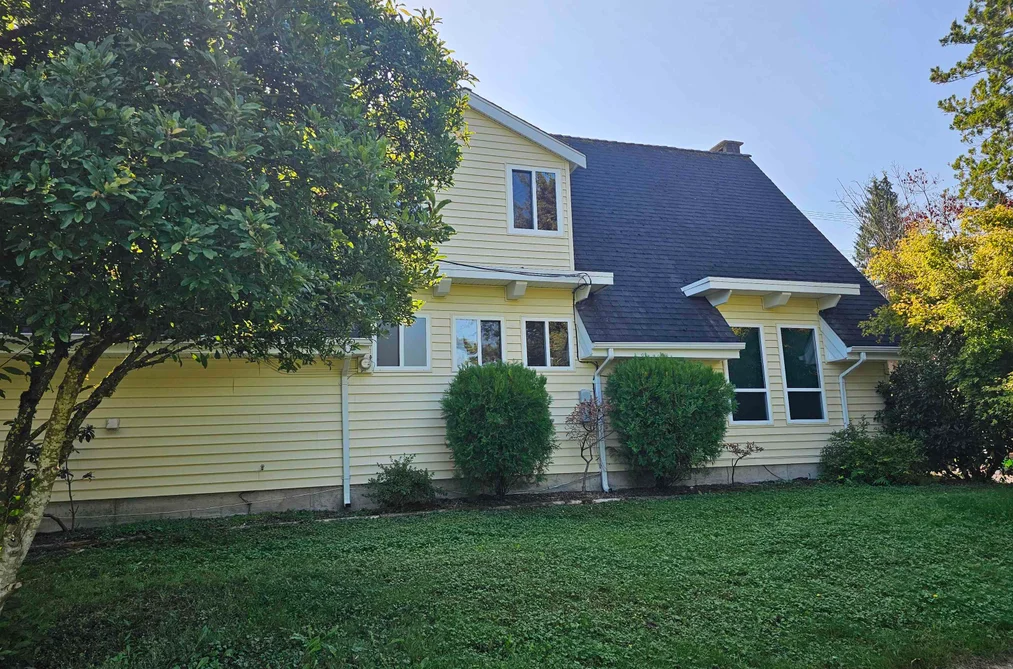
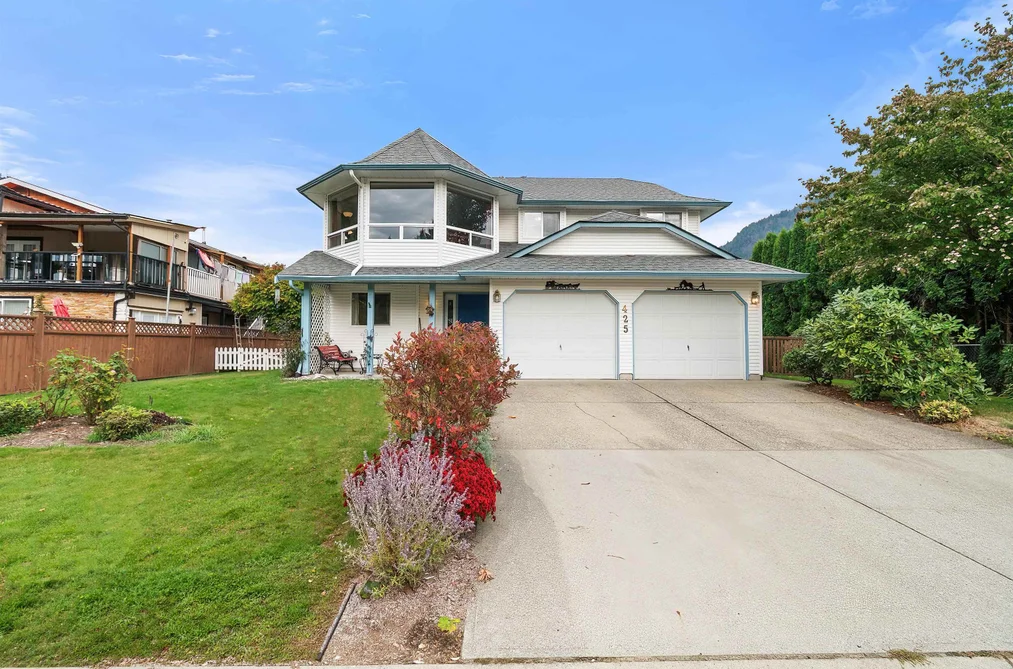
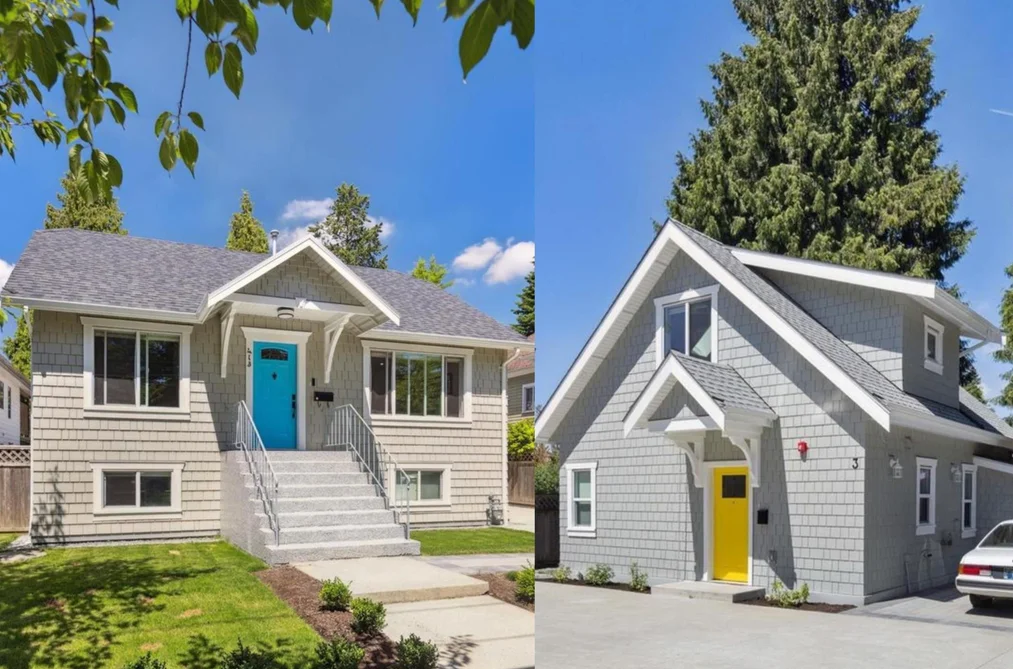
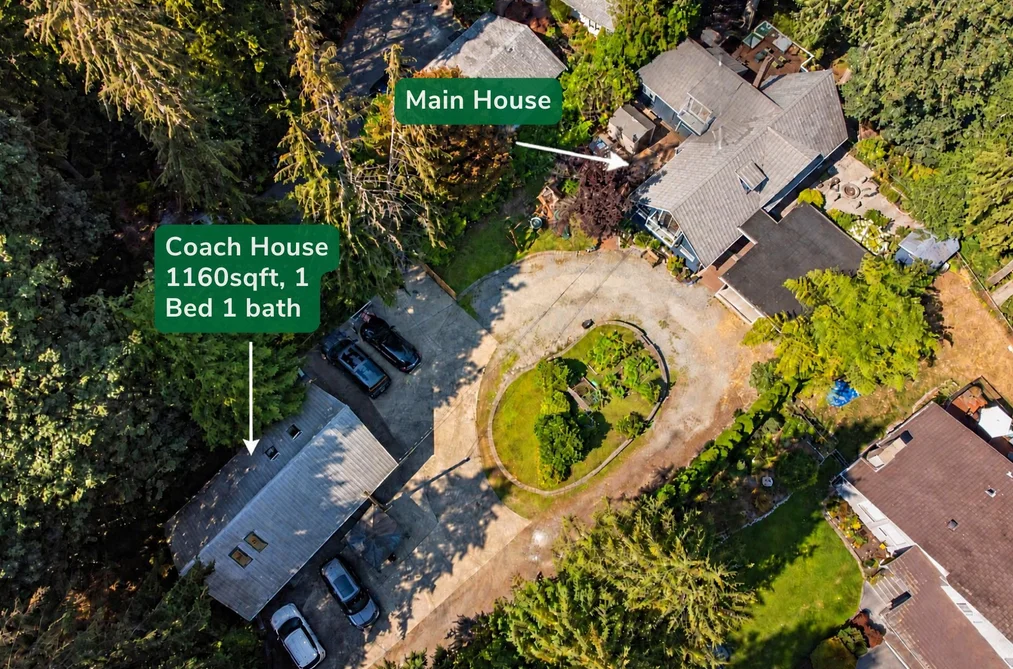
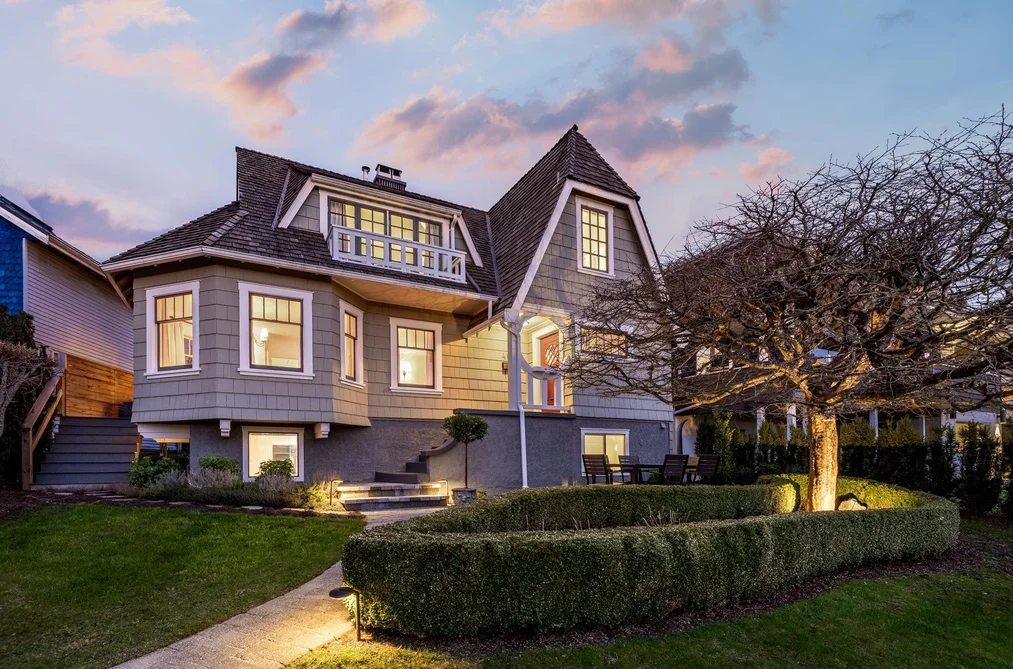
Carriage / Coach House listings describe a lot holding a main house plus a second detached dwelling at the rear, so confirm what that second building is legally permitted to be before you count on it.
The words are used loosely and the rules are not. A laneway house is generally a detached dwelling built on the lane behind the main house and cannot usually be sold separately. A coach house or carriage house often sits above a garage. Some are permitted as full secondary dwellings, some only as accessory buildings that may not be rented at all, and the listing rarely makes the distinction.
Ask the municipality what is on the permits for that specific address, and ask whether the detached coach house was built under permit or converted afterwards. East Vancouver, Vancouver West and North Vancouver all handle this differently, and what one allows the next may not. Your REALTOR® can pull the permit history before you write anything.
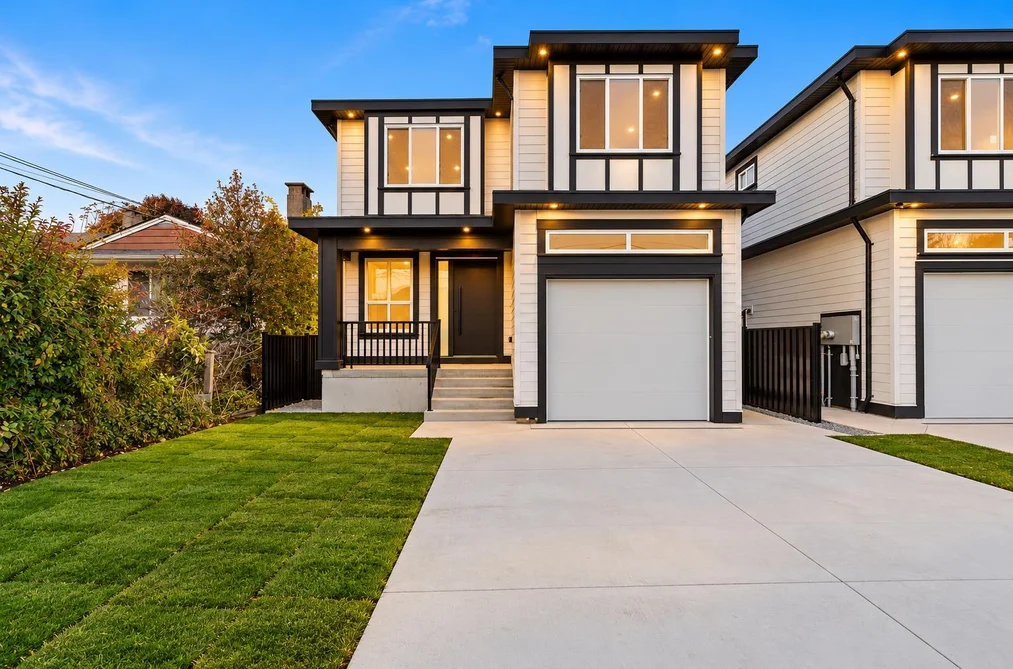
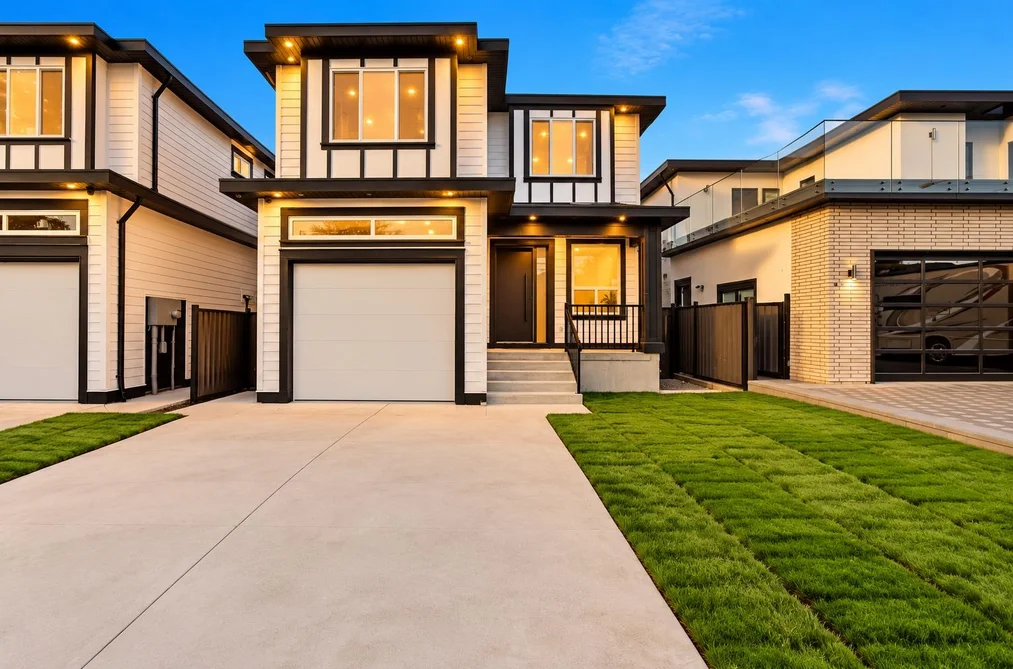
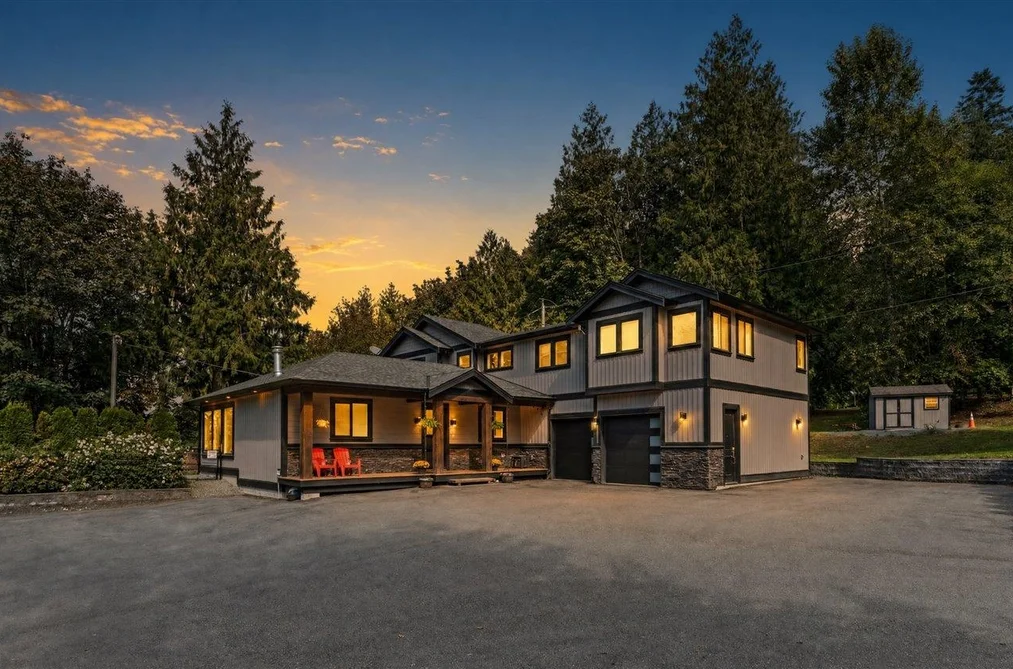
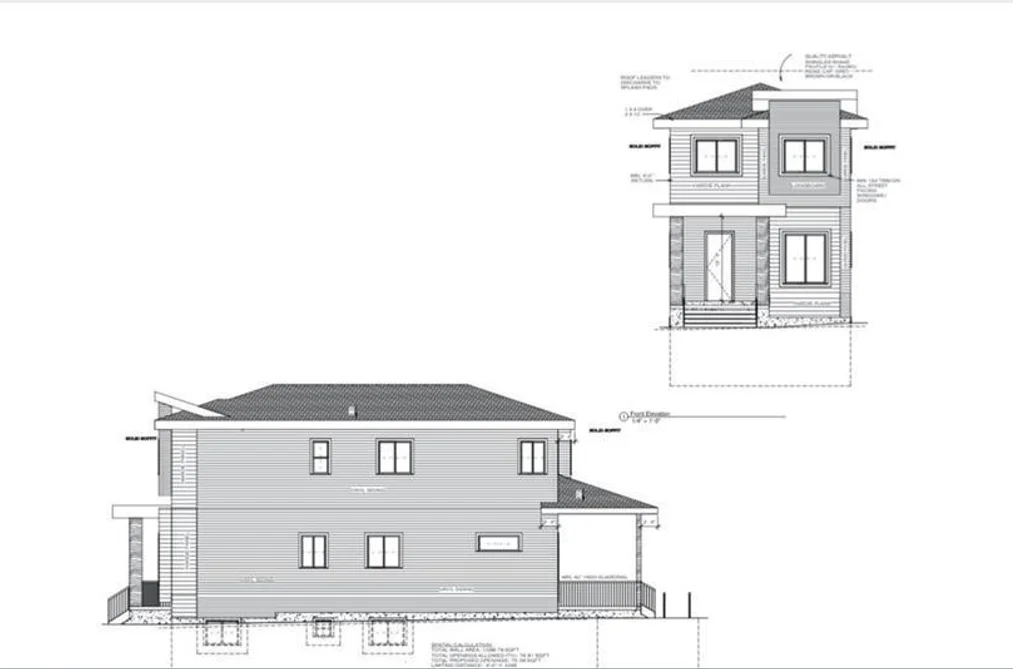
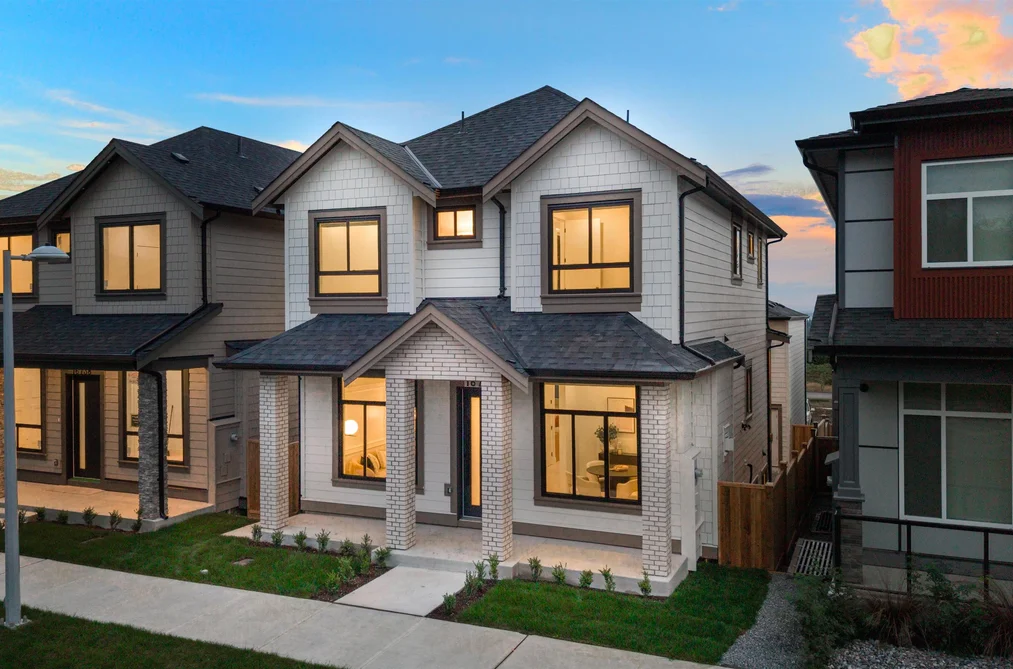
Walk both types before deciding. Coach homes above a garage tend to be compact, with the living space on one level and a bedroom tucked under the roof, while a purpose-built laneway home is often a genuine two level home with an open-concept layout and better light. A highly sought-after two-level coach house will hold its value in a way that a converted loft above a garage does not.
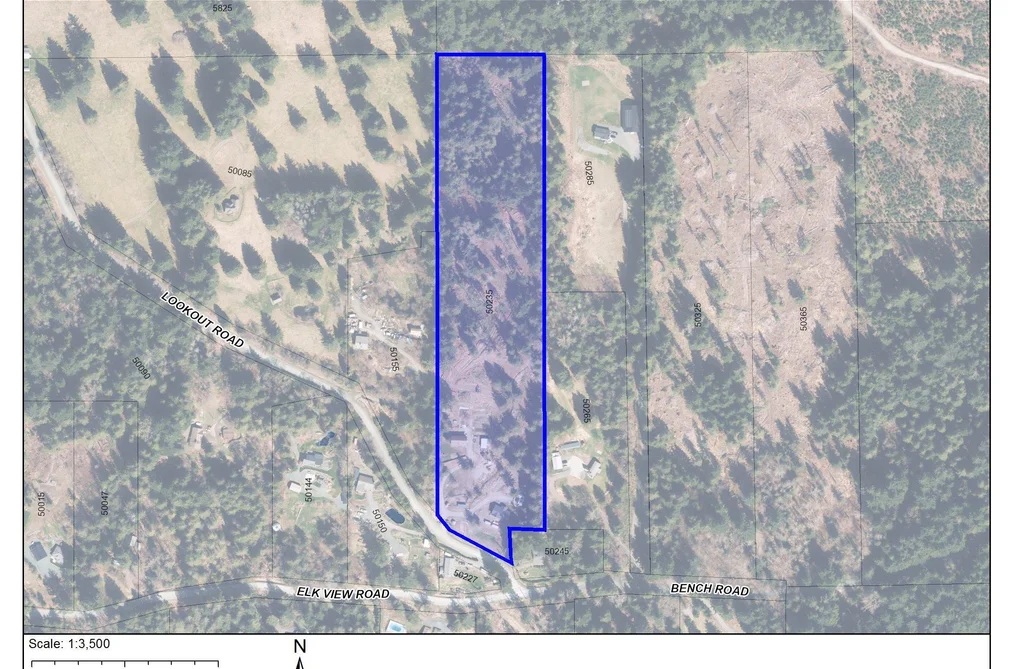
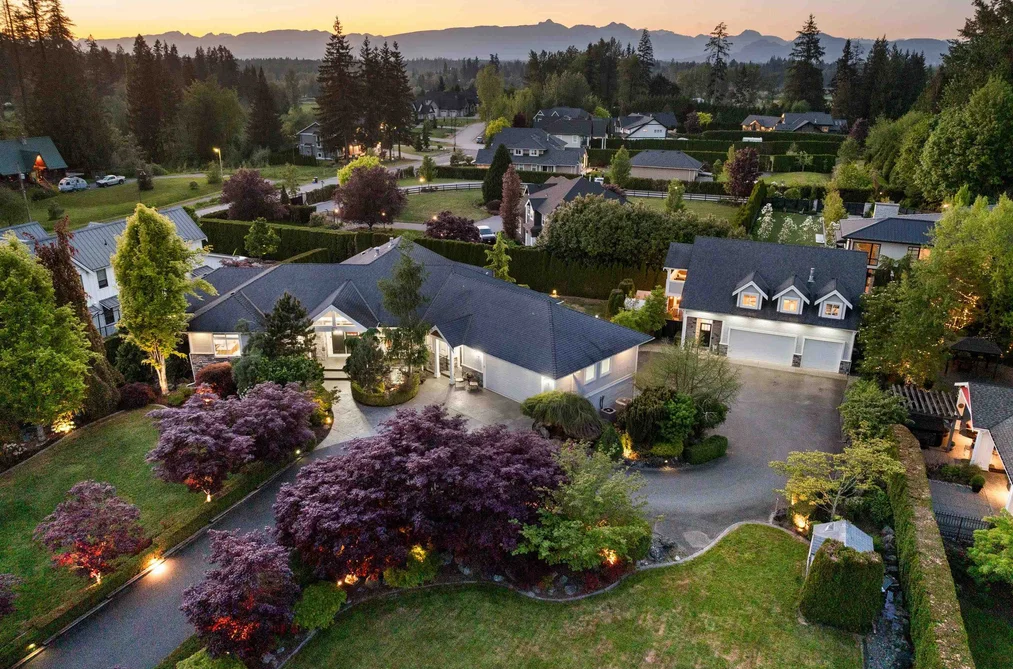
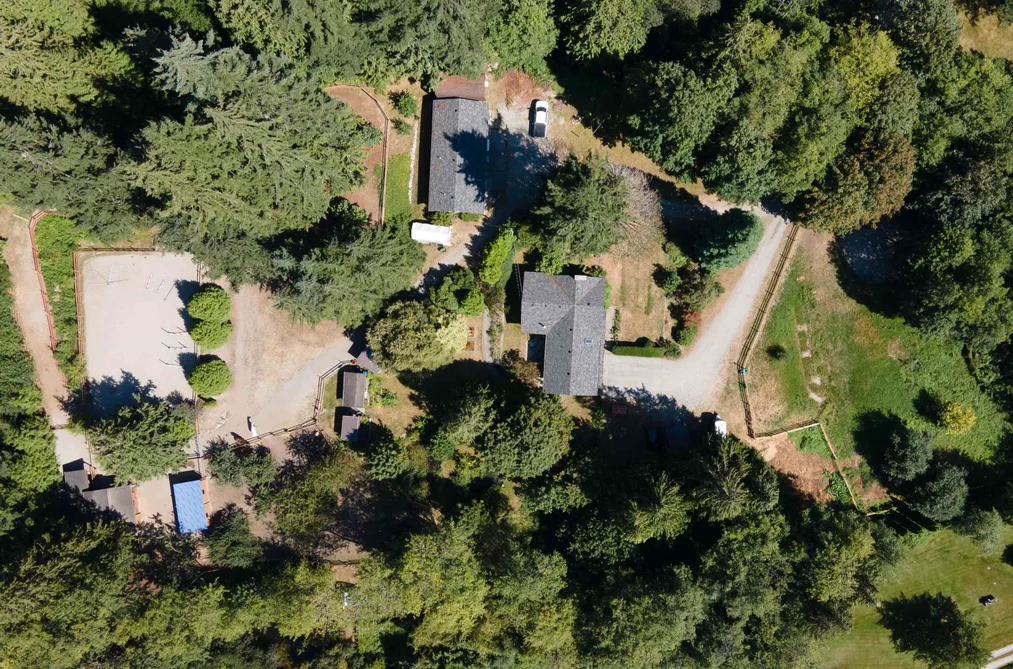
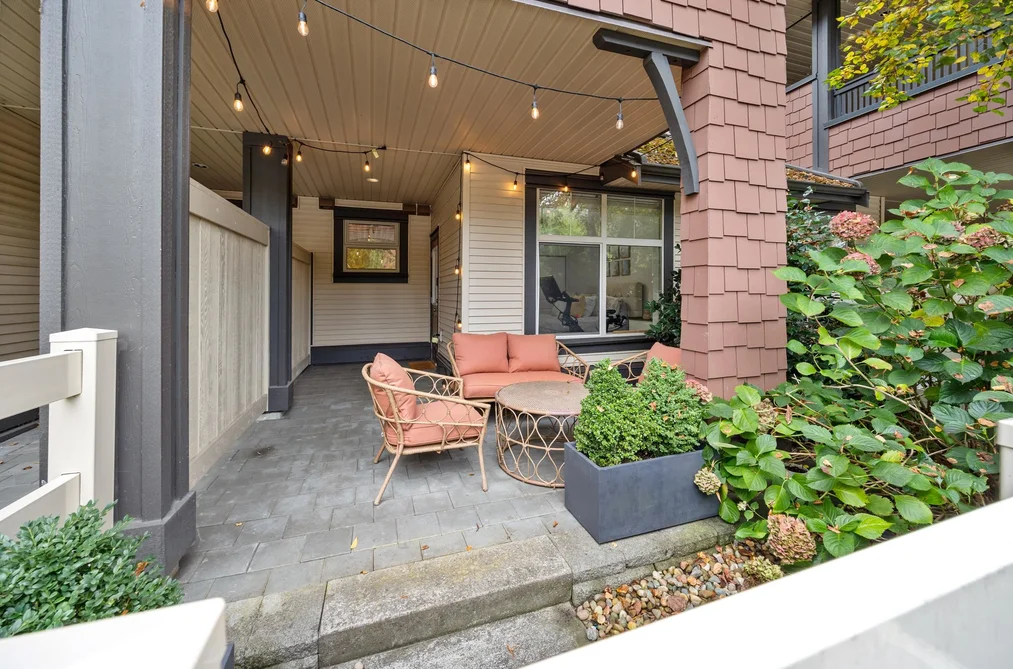
Look at how the main house and the second dwelling relate. A fully detached building with its own entrance from the lane is a private home; one reached across your own patio is not. Check where the fenced yard boundary falls, who gets which outdoor space, and whether the arrangement leaves either household without any at all.
Lenders treat these properties inconsistently. Some will count documented rent from a permitted laneway house toward what you can borrow, some discount it heavily, and most will ignore income from an unpermitted building entirely. Because the second dwelling cannot normally be sold on its own, you are financing one property with two homes on it, which is not how every lender models a purchase.
Confirm the position in writing with a broker before you make an offer. Ask about insurance at the same time, since a spacious second dwelling changes the replacement cost and some policies price it as a separate risk.
These properties are popular for multi-generational living, and they work best when the layout was designed for it. Look at sightlines between the two buildings, whether windows face each other across a short gap, and how sound carries in the evening. Ask where parking goes once the garage has become a home, because a lane that was the parking solution is often now the front door.
Check the systems too. Ask whether the second dwelling has its own heat, its own hot water and its own laundry, and whether a heat pump serves one building or both. Separate services make the arrangement liveable; shared ones create a conversation about the bill every month.
Supply concentrates in the older single-family neighbourhoods of East Vancouver and Vancouver West where lanes already exist, with more across North Vancouver and out through the region. Listing data across these areas comes from Greater Vancouver REALTORS®, the Fraser Valley Real Estate Board and the Chilliwack and District Real Estate Board, so coverage is consistent even where the local rules are not.
Watch for an open house on a prime location lot rather than judging from photographs, because the relationship between the two buildings is the thing you cannot see online. Browse and compare current listings on Strawhomes, and look at a laneway house and a home with a legal suite alongside them, since all three reach a similar goal by different routes.