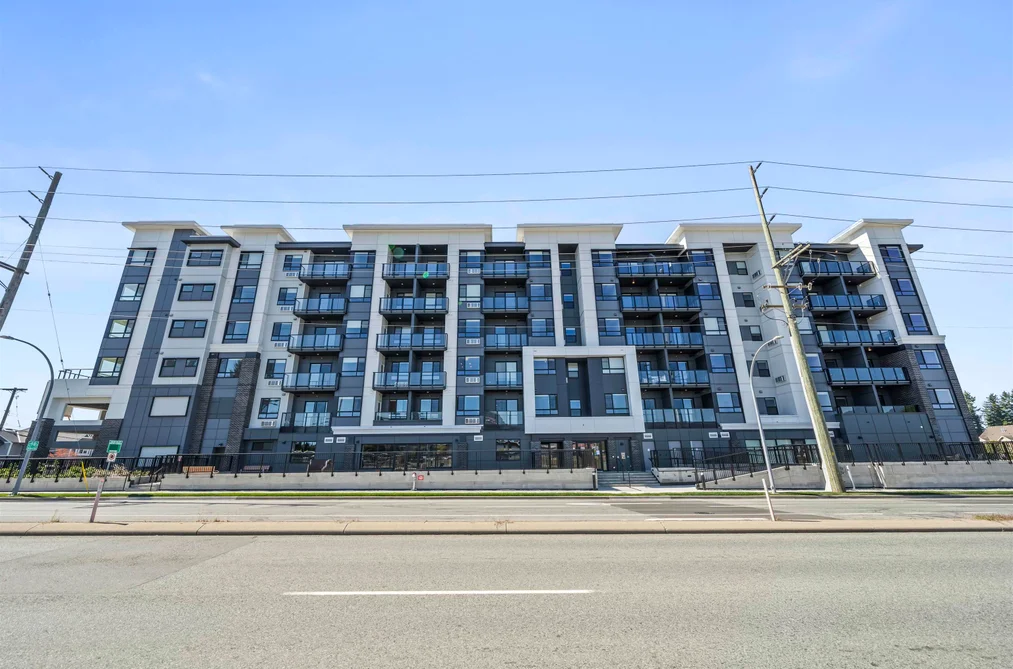
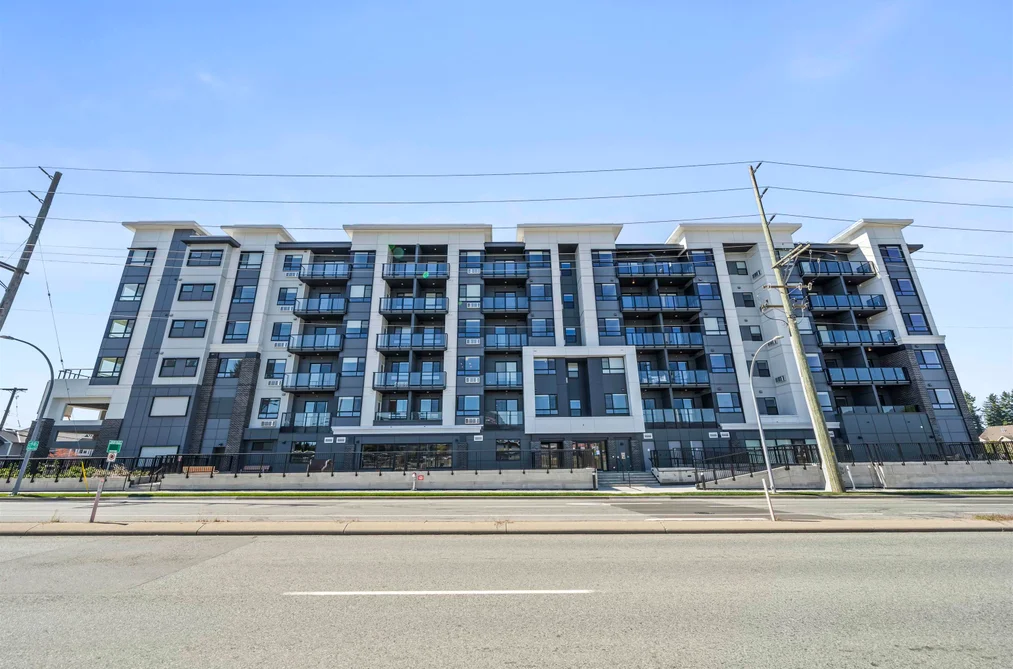
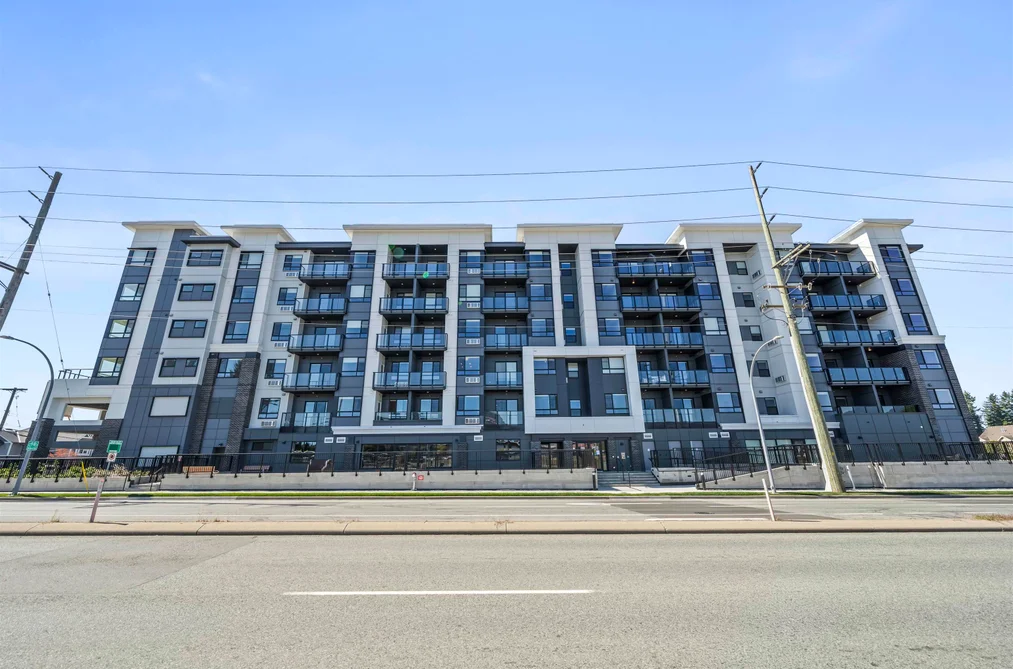
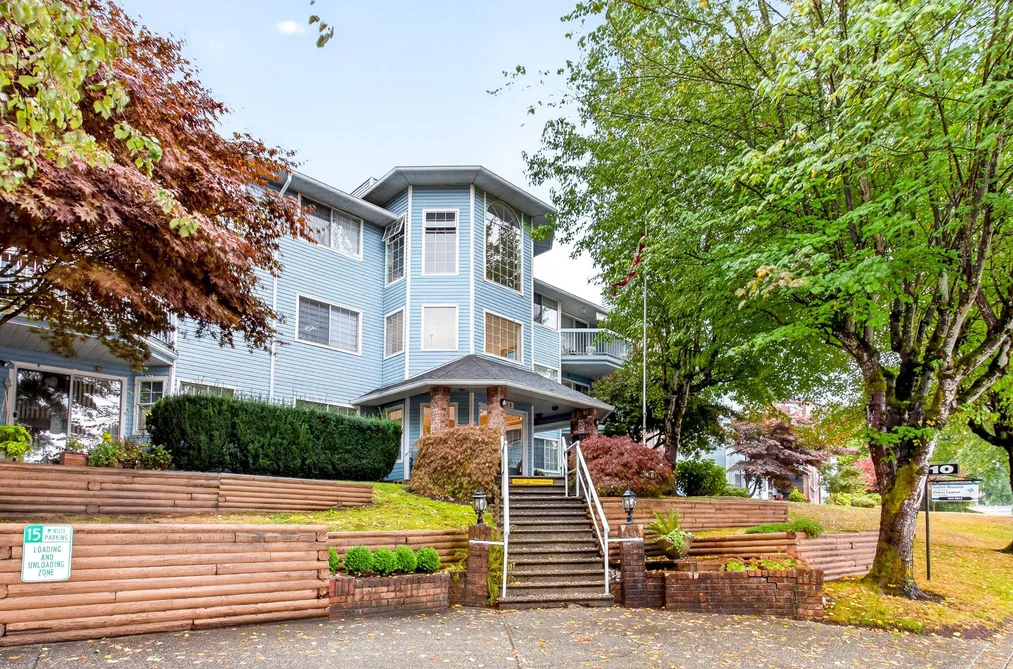
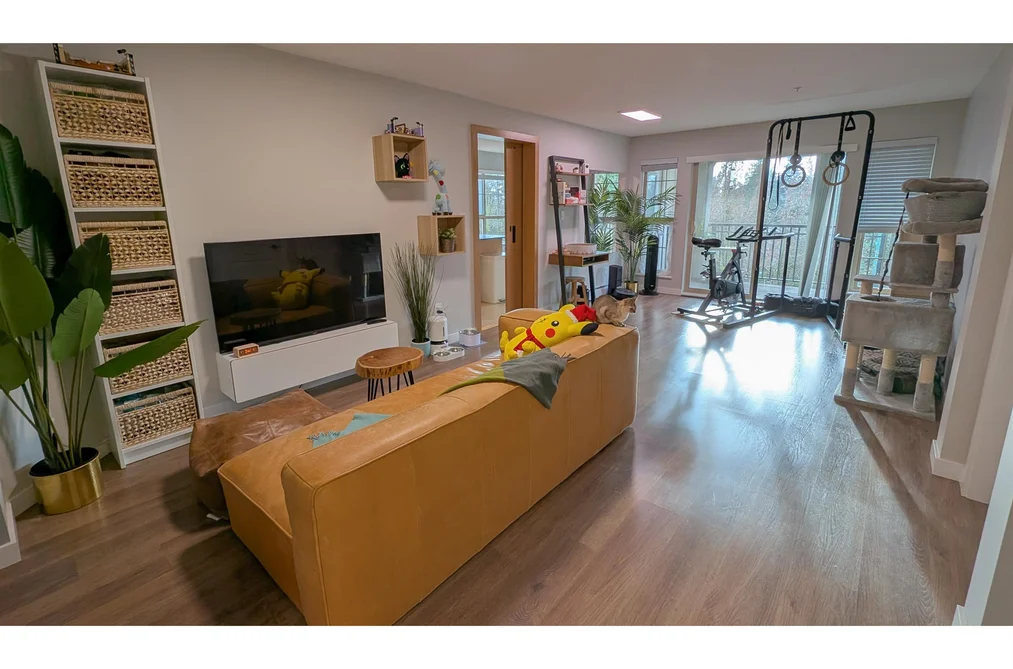
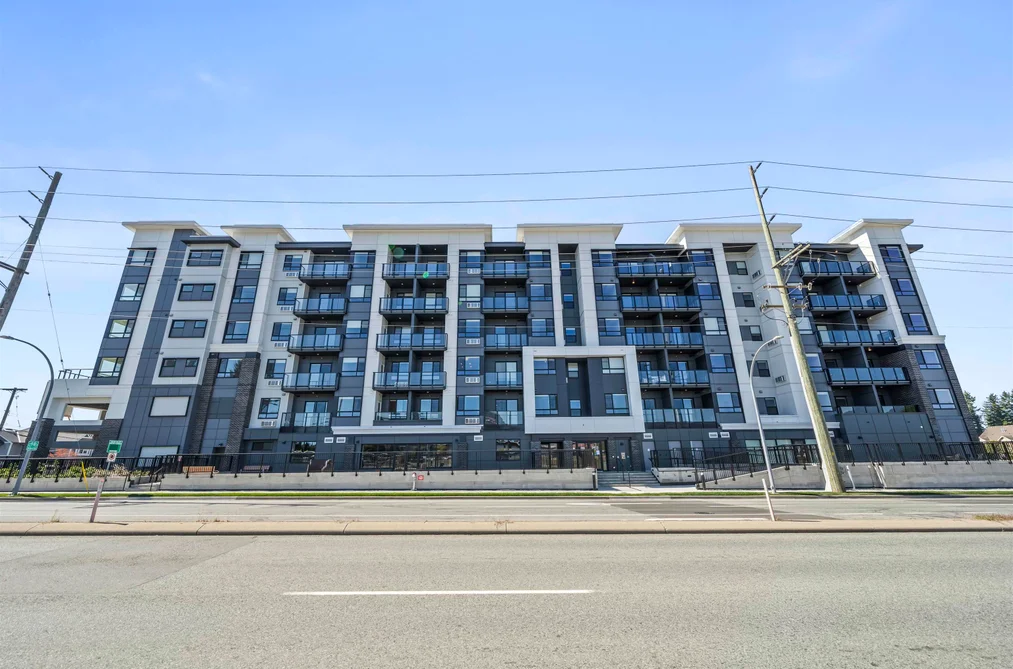
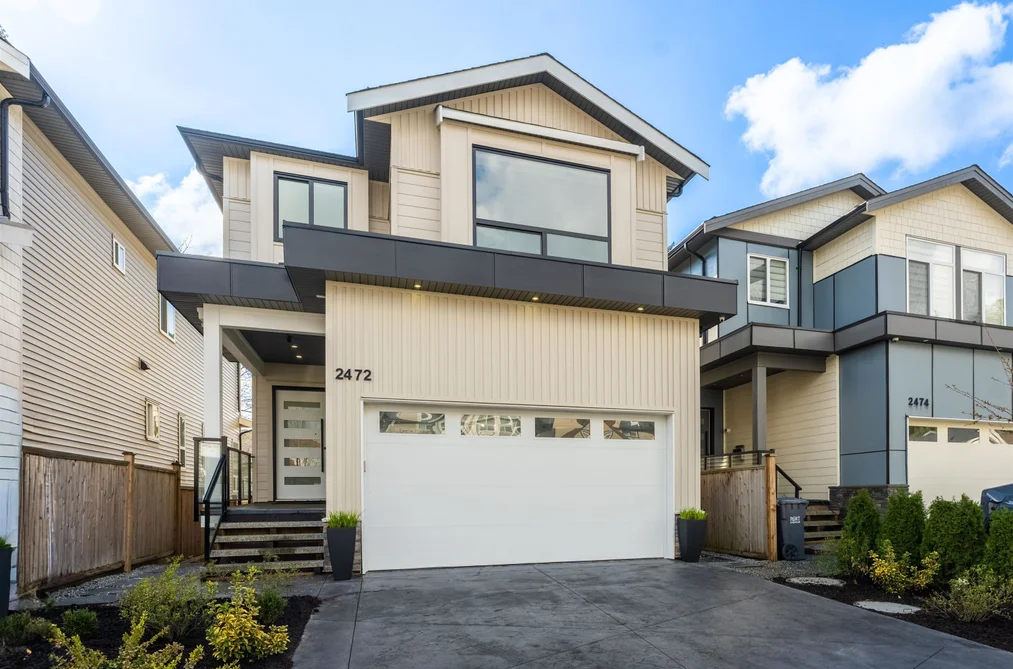
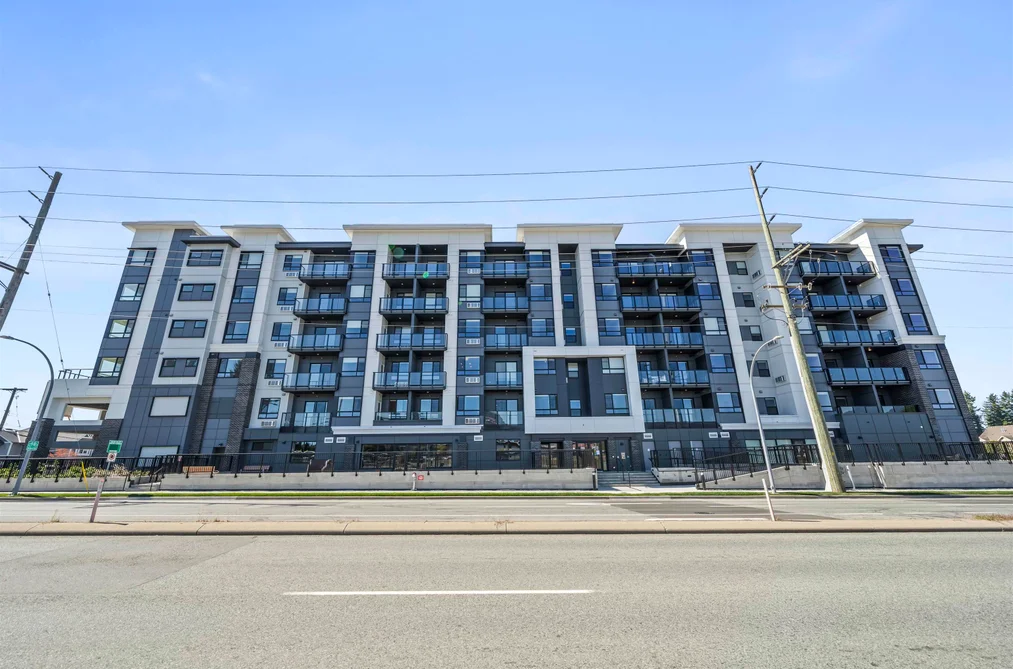
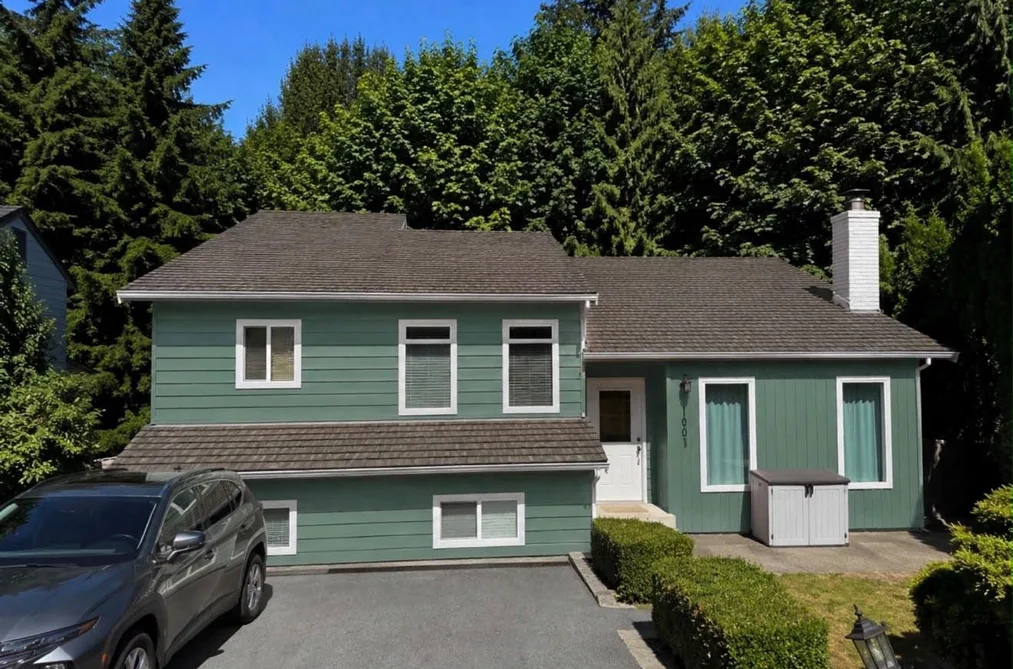
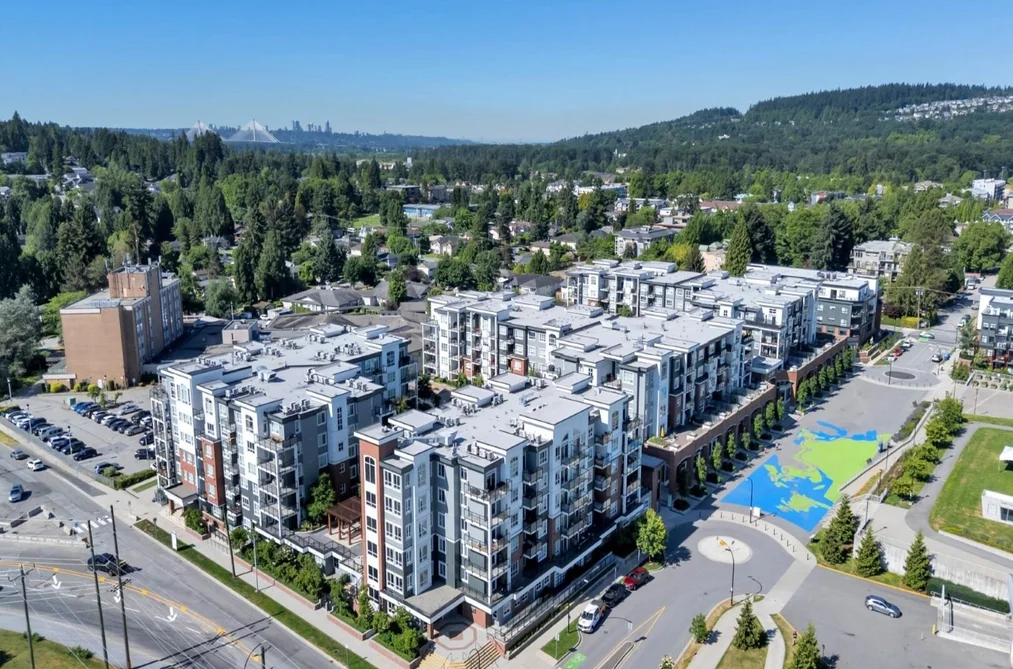
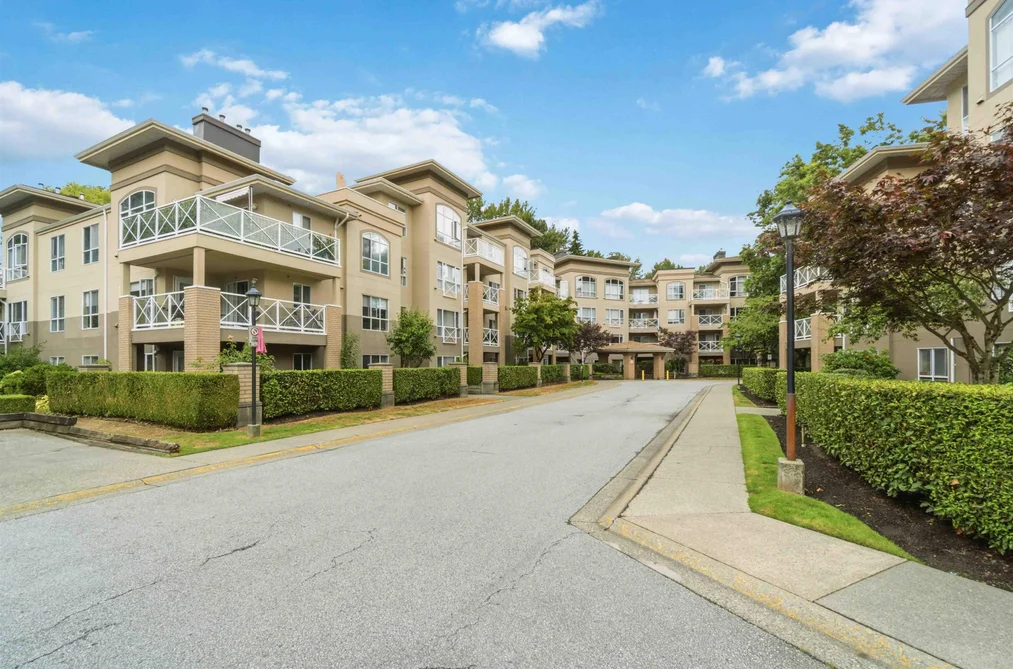
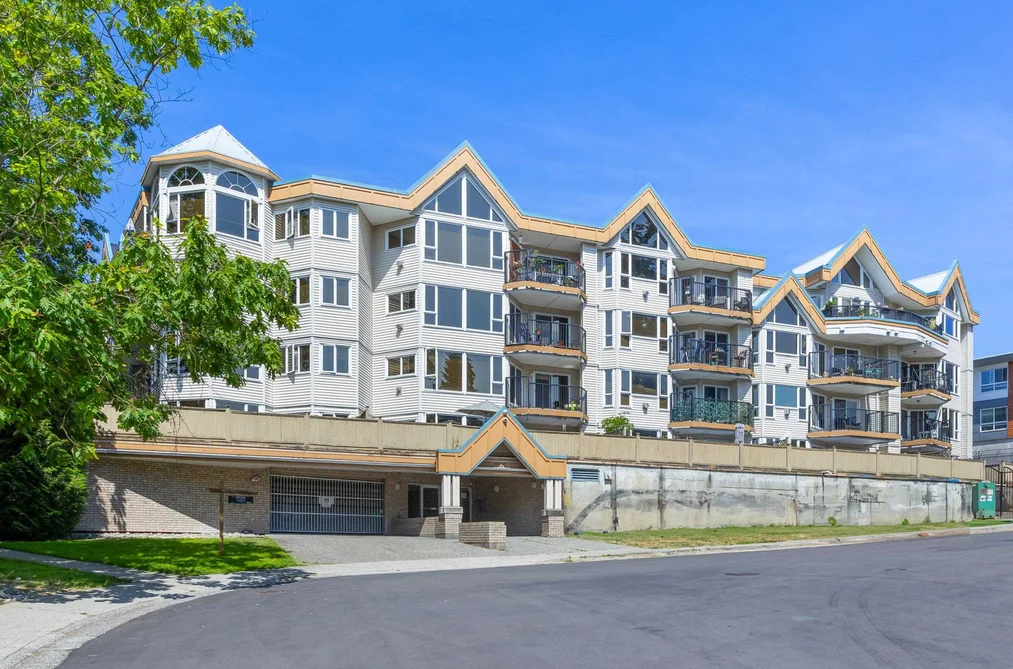
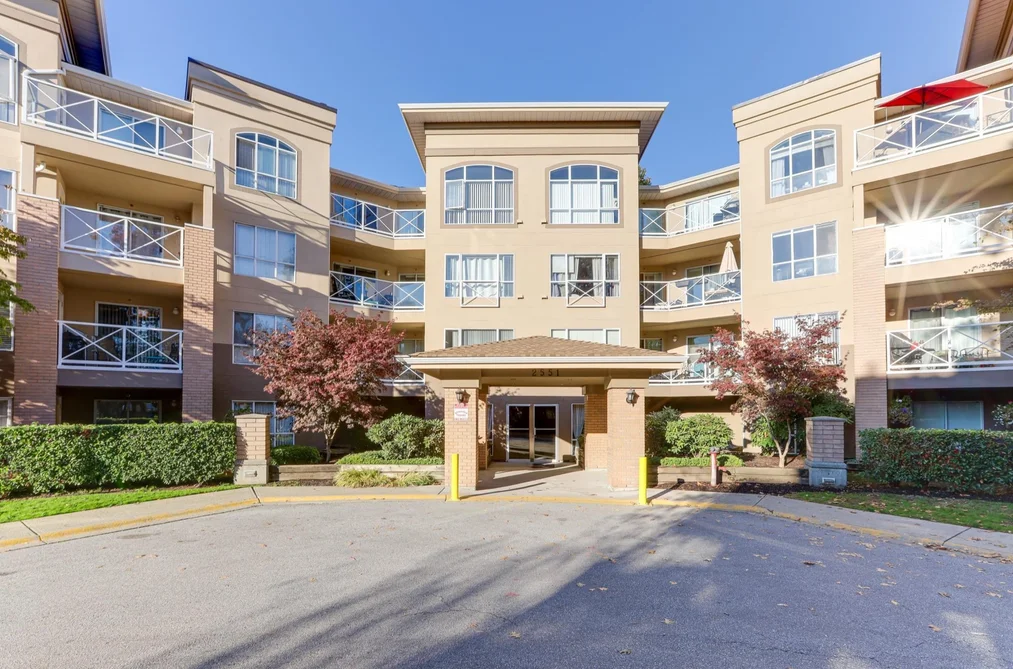
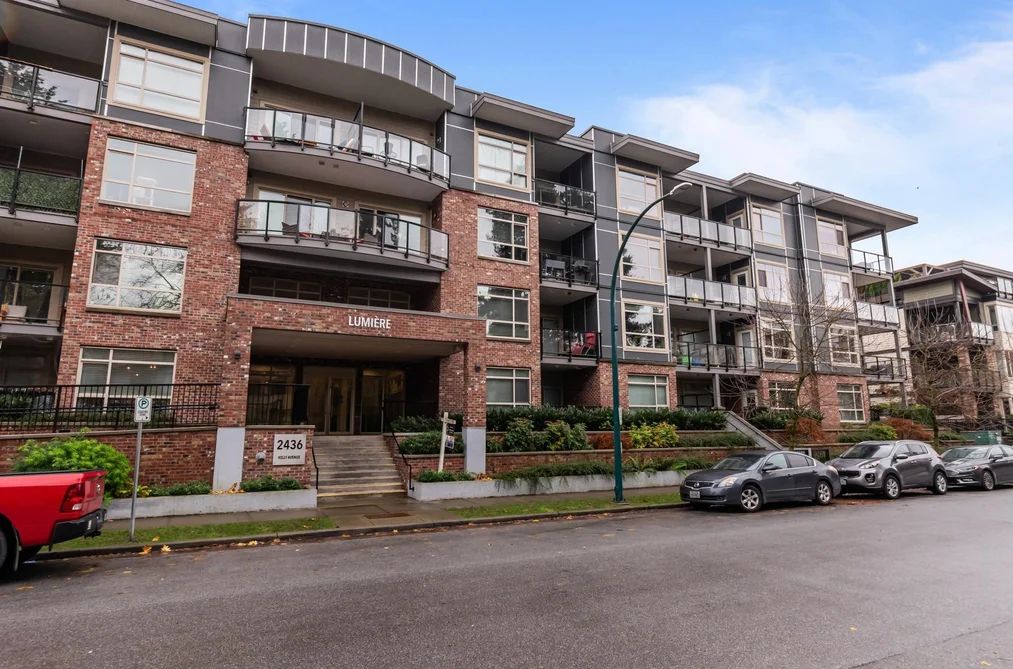
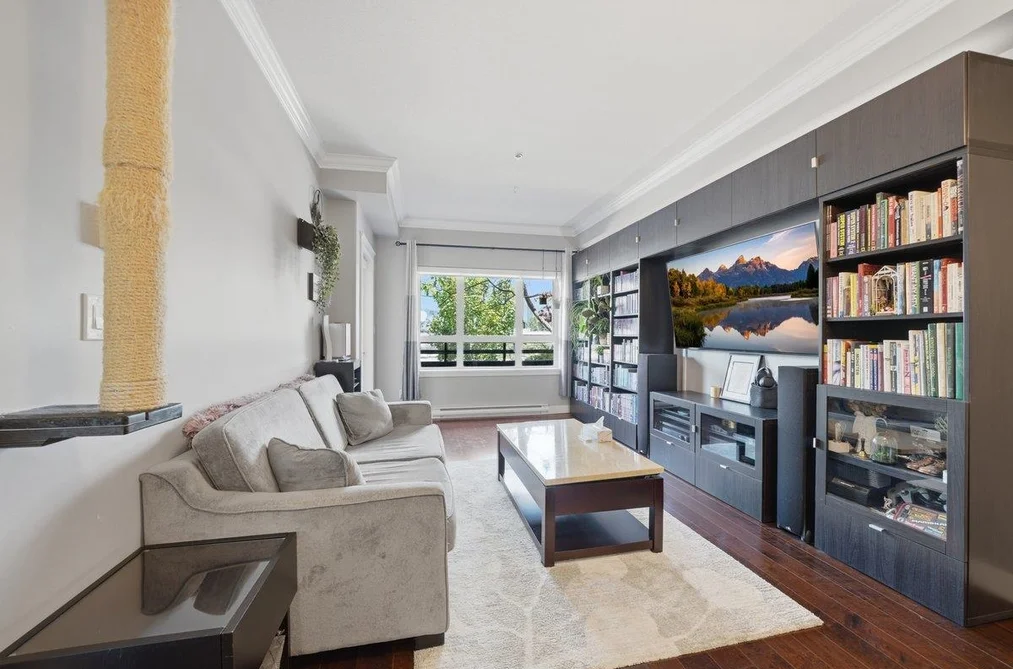
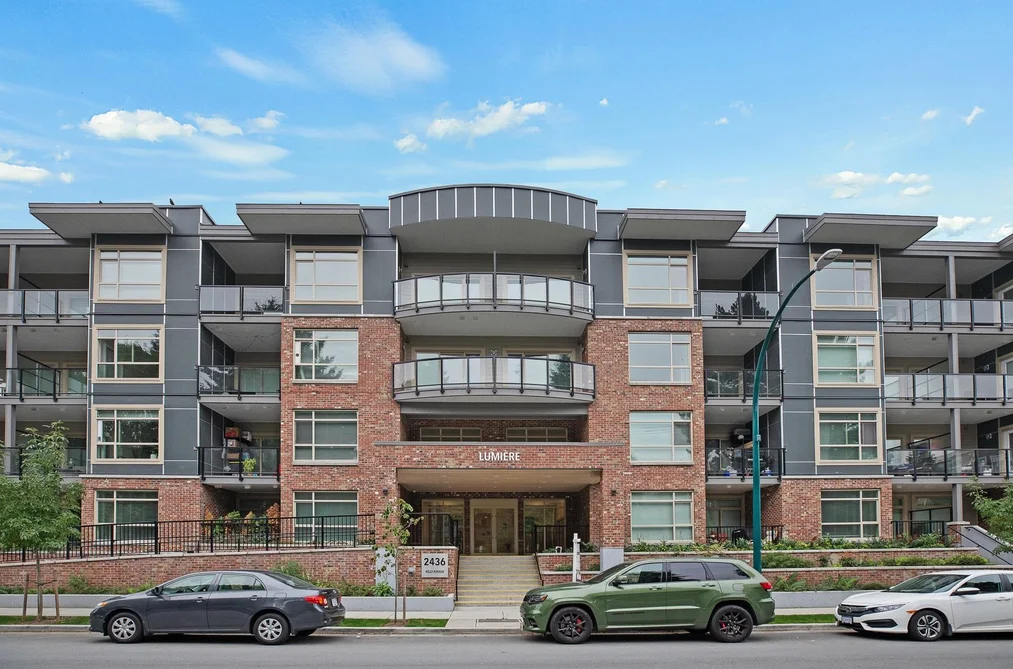
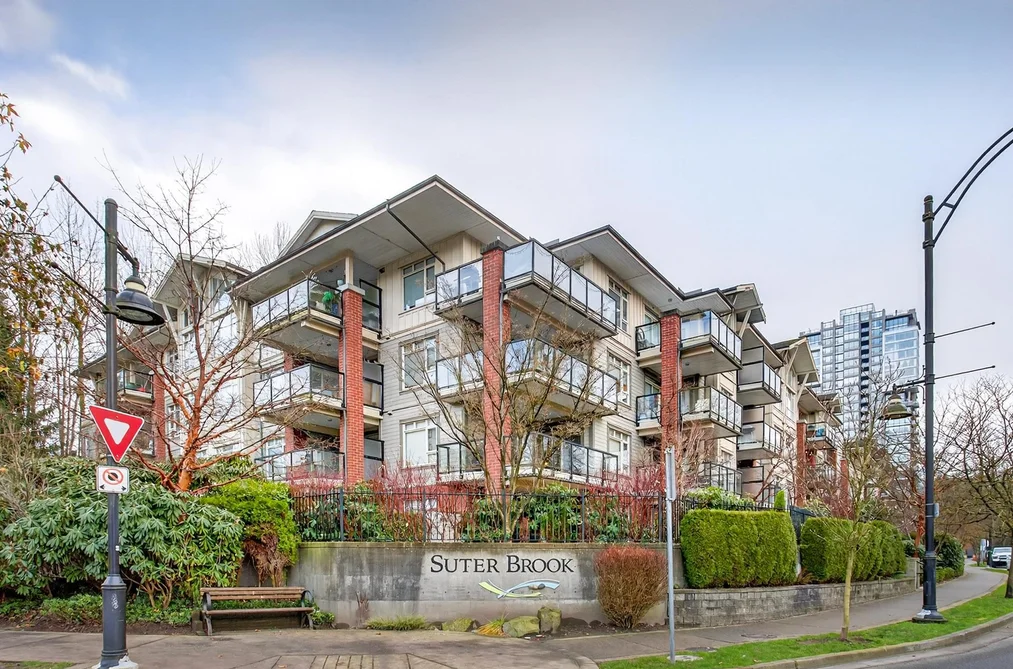
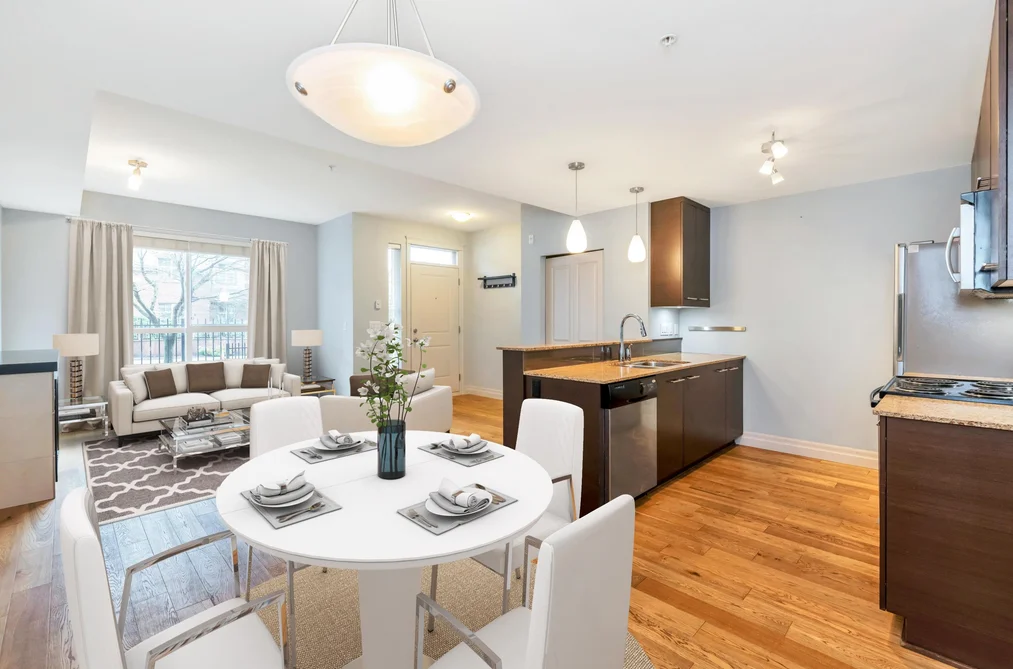
For Sale
1 day
- $469,900
- 2 bed
- 2 bath
- 729 sqft
MLS® R3178054
•Royal LePage Elite West
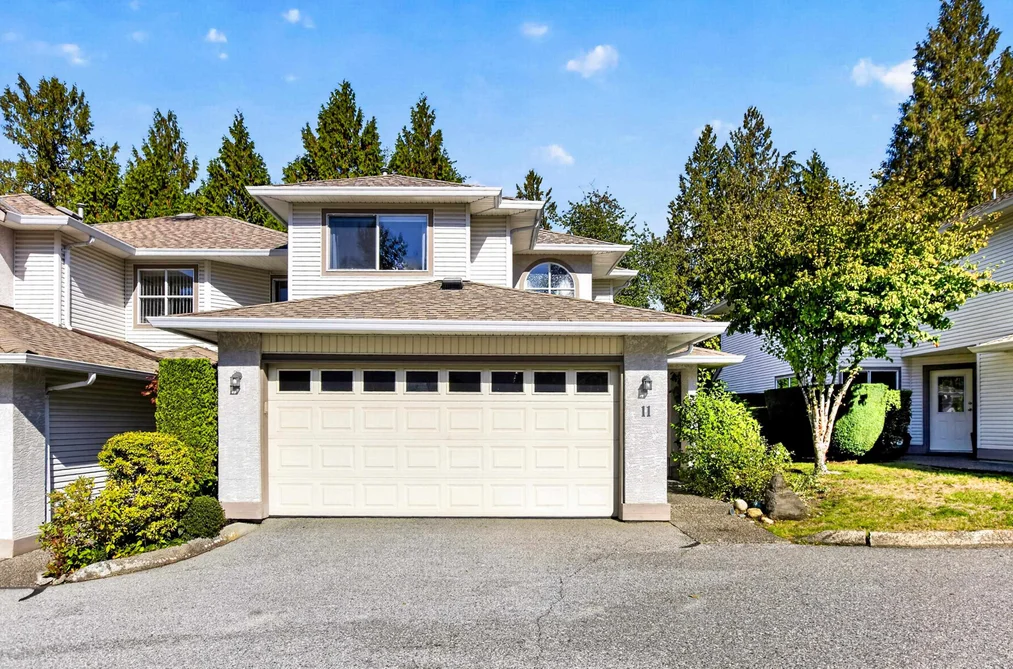
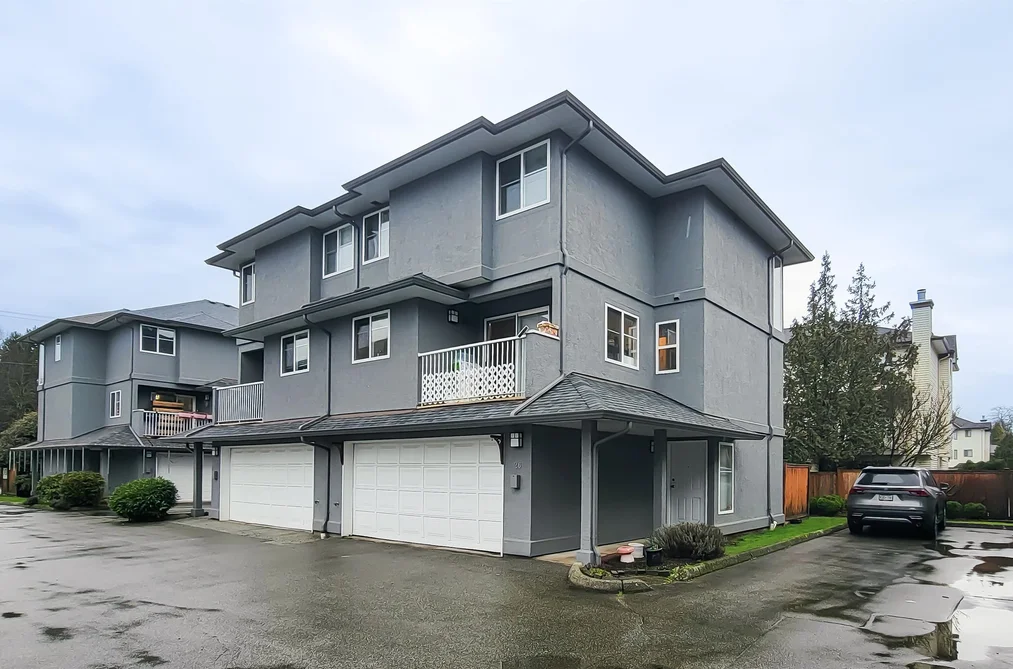
Browse homes near the Westcoast Express in Greater Vancouver and check the walk to the platform, the weekday timetable and station parking before you offer.

Westcoast Express homes for sale in Greater Vancouver are compared on the walk to the platform, the weekday-only timetable and what you would do on the days the train does not run — check all three before you write an offer.
The West Coast Express is commuter rail rather than rapid transit. TransLink runs a small number of departures in each direction, inbound in the morning and outbound in the afternoon, on weekdays only, along a railway owned by Canadian Pacific where freight has priority. That shapes the whole proposition: a home in Maple Ridge, Pitt Meadows, Port Coquitlam or Port Moody is well served if your hours match the schedule and poorly served if they do not.
Look up the current WCE timetable for the station you would use and count the departures that fit your day. Then check station parking, because the lots fill early and a household with one vehicle plans differently from one with two. Ask whether a local bus service reaches the platform at the hour you would travel.
Every buyer along this line needs a fallback. Evening plans, weekend trips and any shift outside peak hours mean driving, riding the TrainBus, or connecting to the SkyTrain network. Test that route once yourself before you rely on it.
Compare the address against homes near all-day rail service. The Expo Line and Millennium Line run into the evening and through the weekend, the Canada Line and the SeaBus extend the same network into Richmond and North Vancouver, and an address near Lougheed Town Centre in Burnaby or a Coquitlam station gives you SkyTrain frequency the commuter train cannot match.
Provincial and regional plans for transit service between Vancouver and the Fraser Valley change over time, and ridership on this line has always been tied to those decisions. Buy the home for the trip you can make today on the public transit that exists, and treat good highway access to downtown Vancouver as the practical backup that Metro Vancouver public transit services do not yet replace on this corridor.