For Sale
1 day
- $550,000
- 2 bed
- 1 bath
- 645 sqft
MLS® R3177905
•Macdonald Realty
Open Sun, Oct 25, 12 p.m.
Browse natural light homes for sale in Greater Vancouver and compare orientation, window line and what sits across the street before you write an offer.
Natural Light in a Greater Vancouver home gets judged on the orientation, the window line and what stands across the street — visit at the hour you would actually be home before you decide.
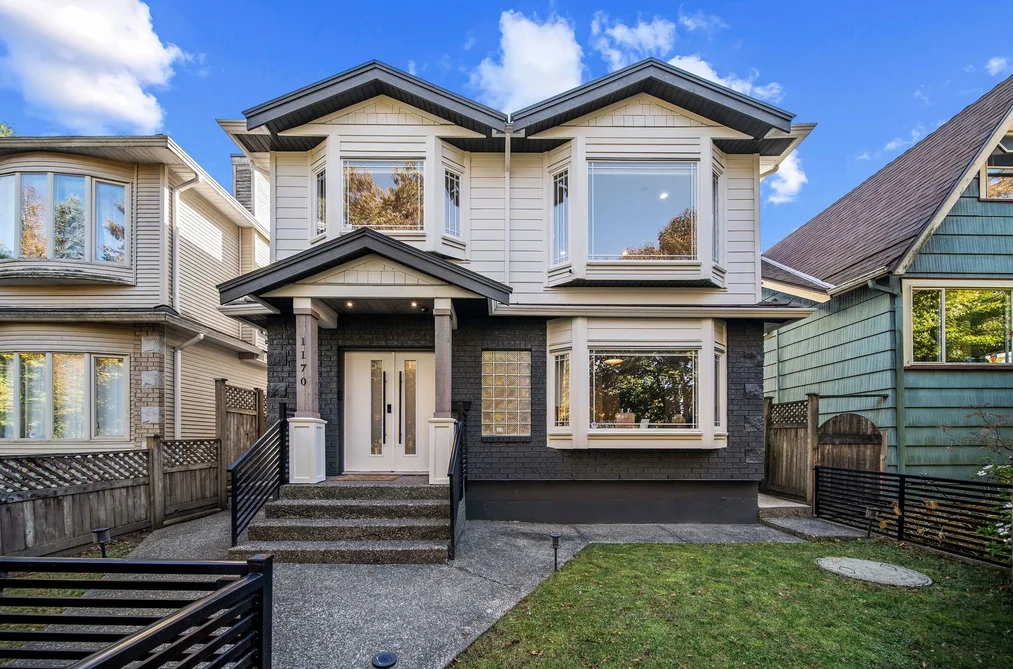
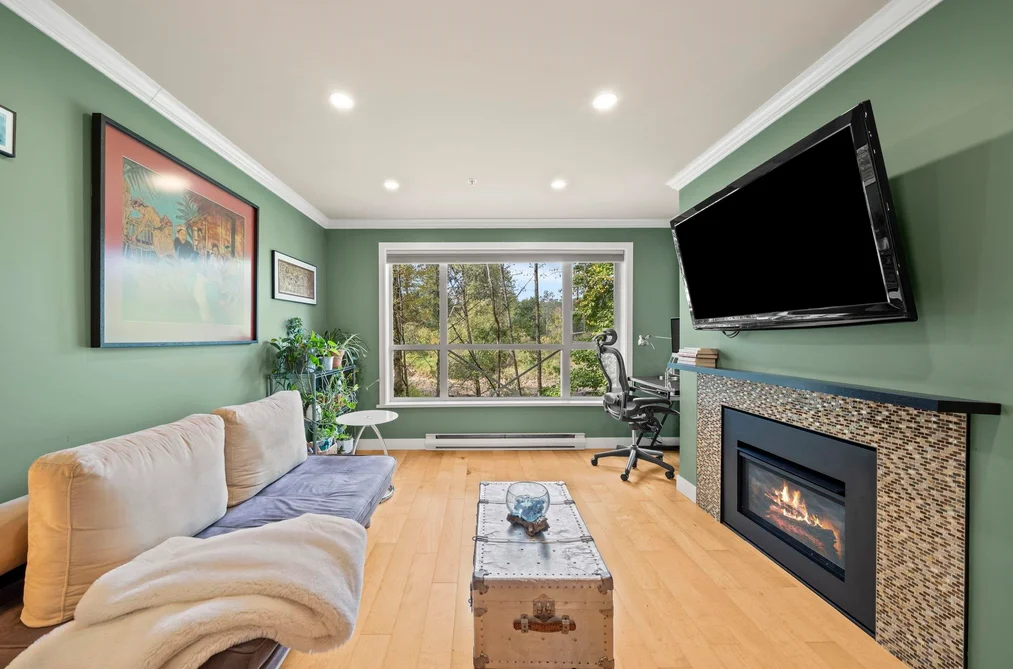
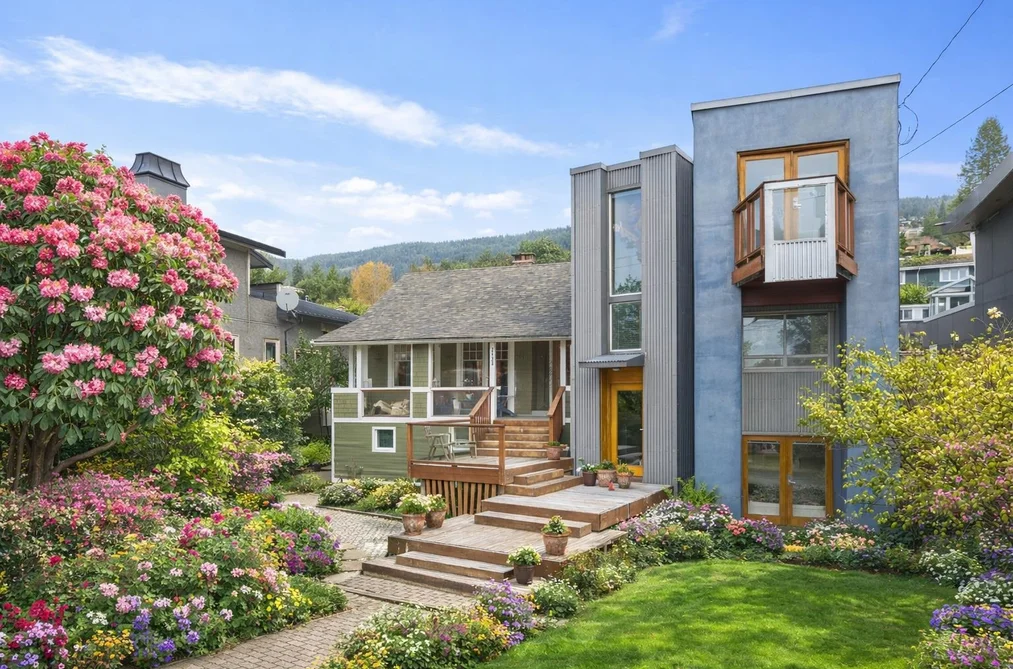
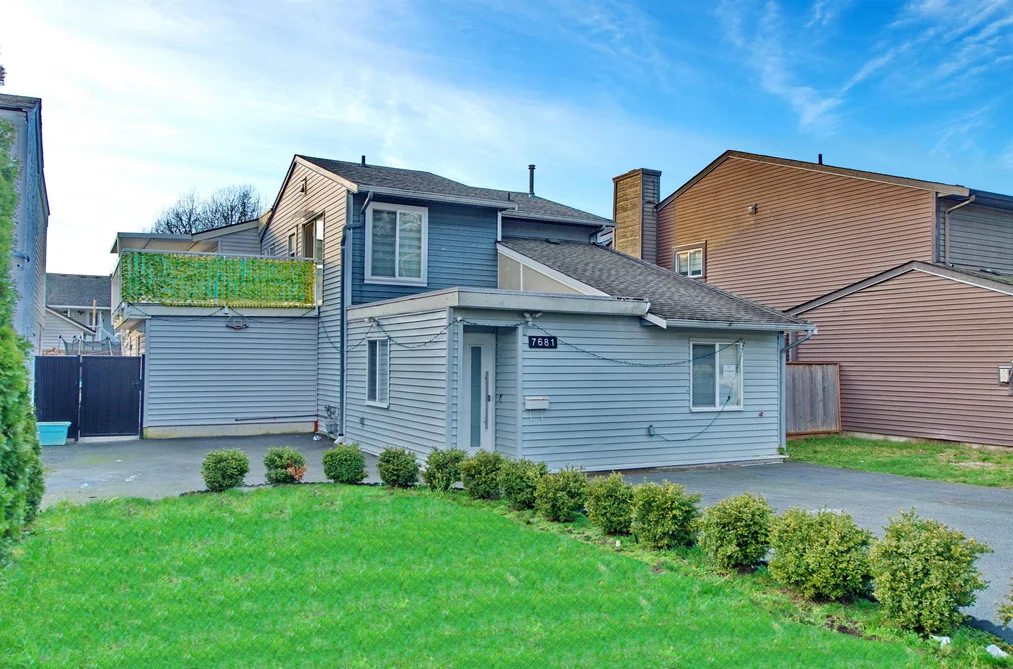
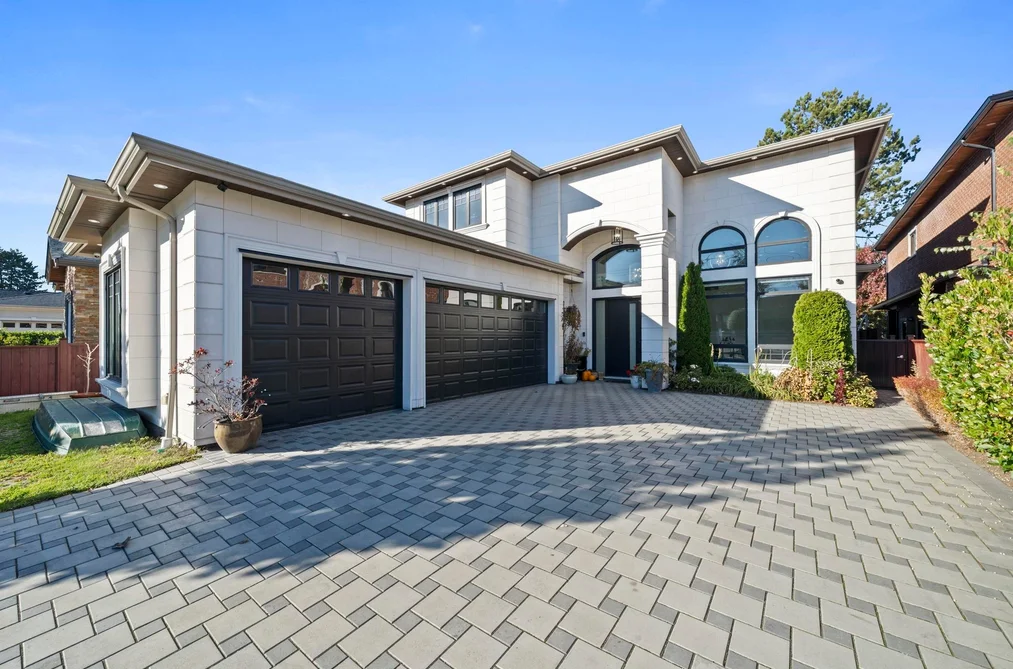
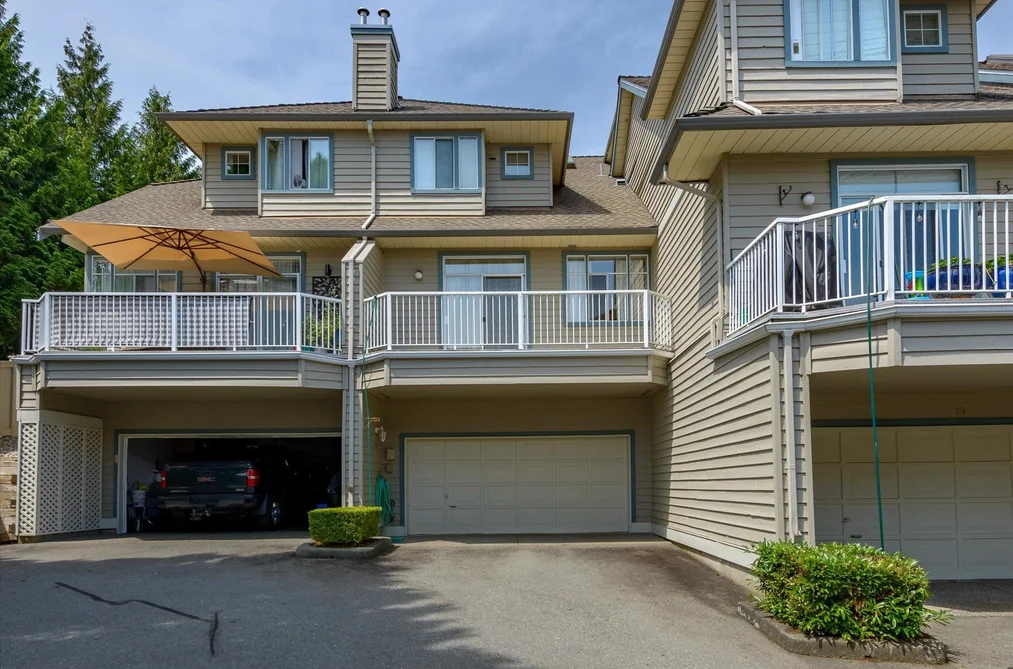
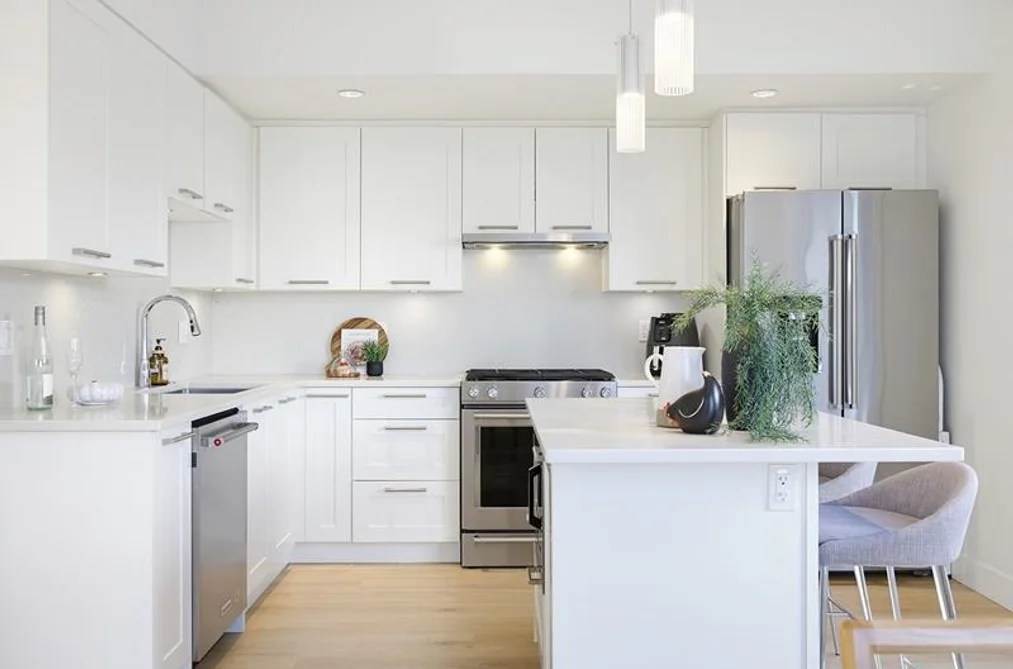
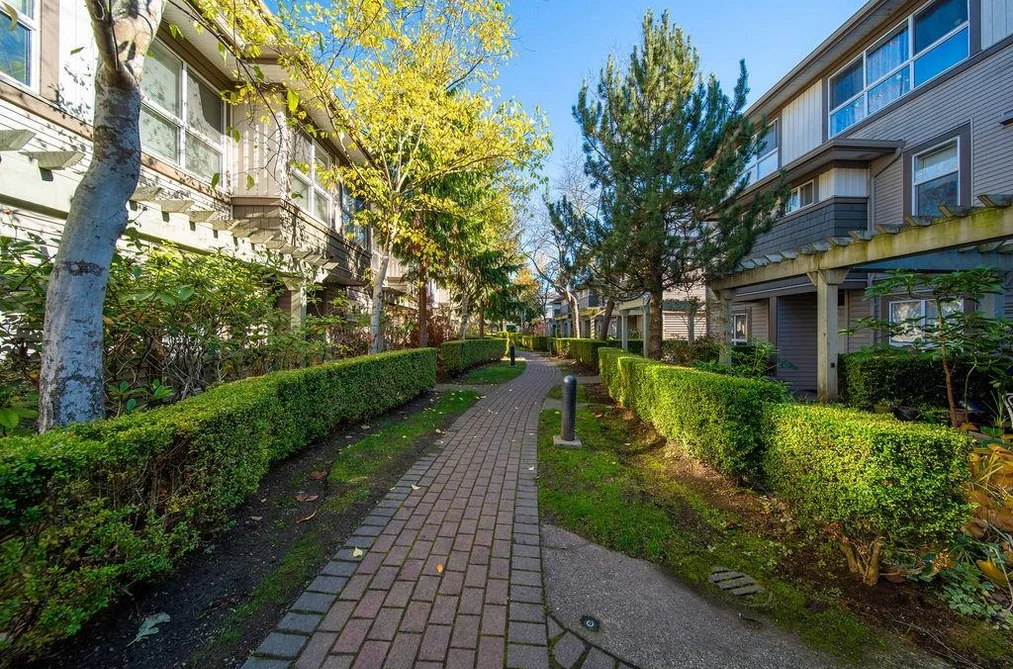
Listing photographs are taken on the best afternoon of the year with every lamp on, so they tell you almost nothing. Note the compass direction on the MLS® listing, then look at the site itself. A south-facing living room with a mature cedar three metres away is darker in January than a north room with an open outlook.
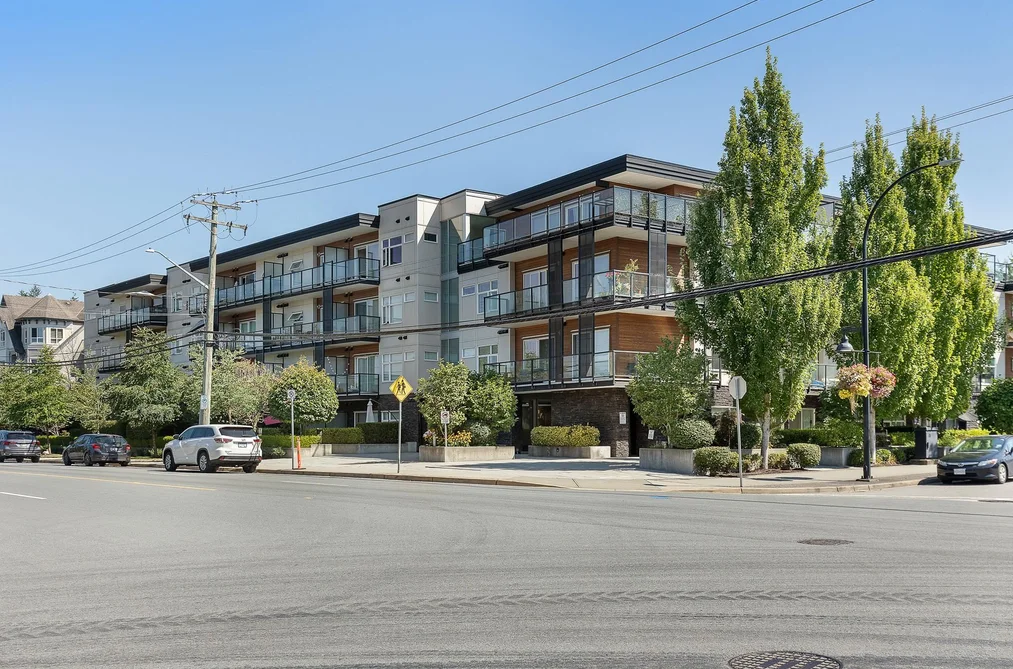
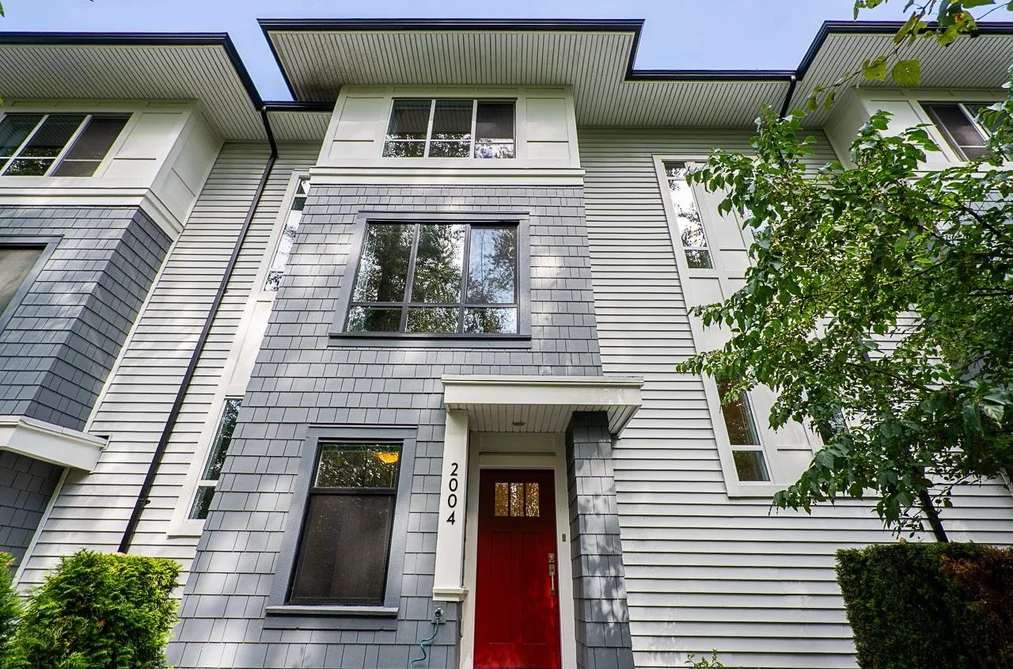
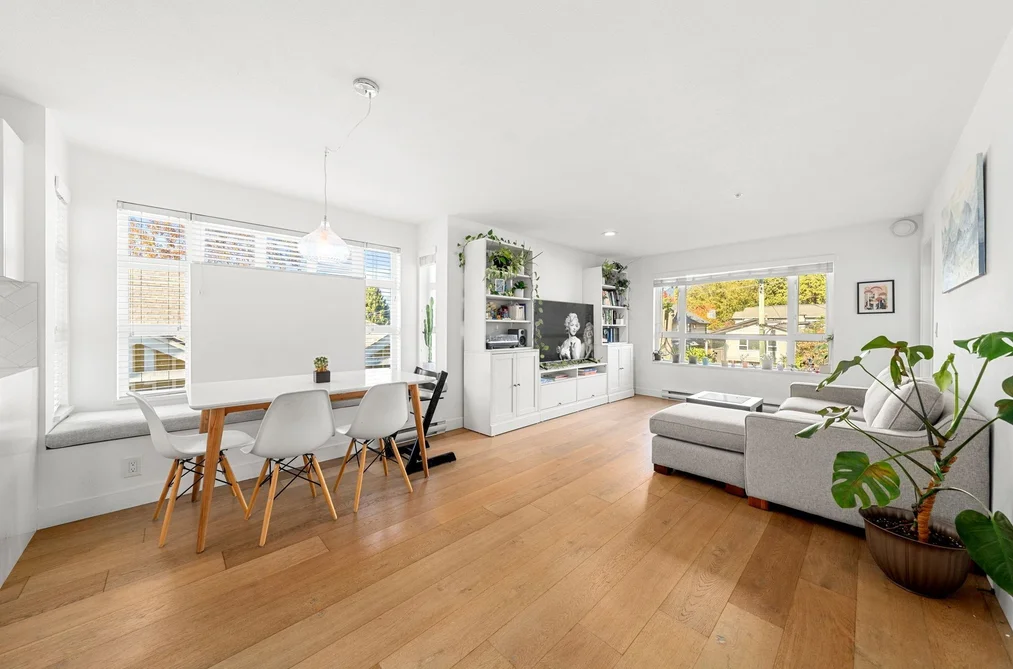
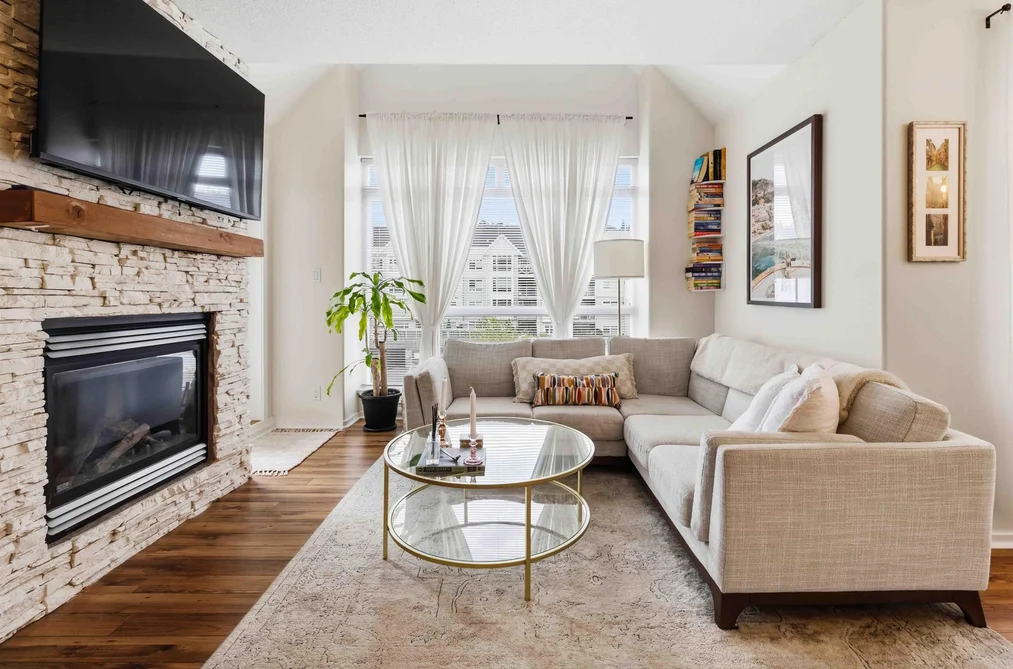
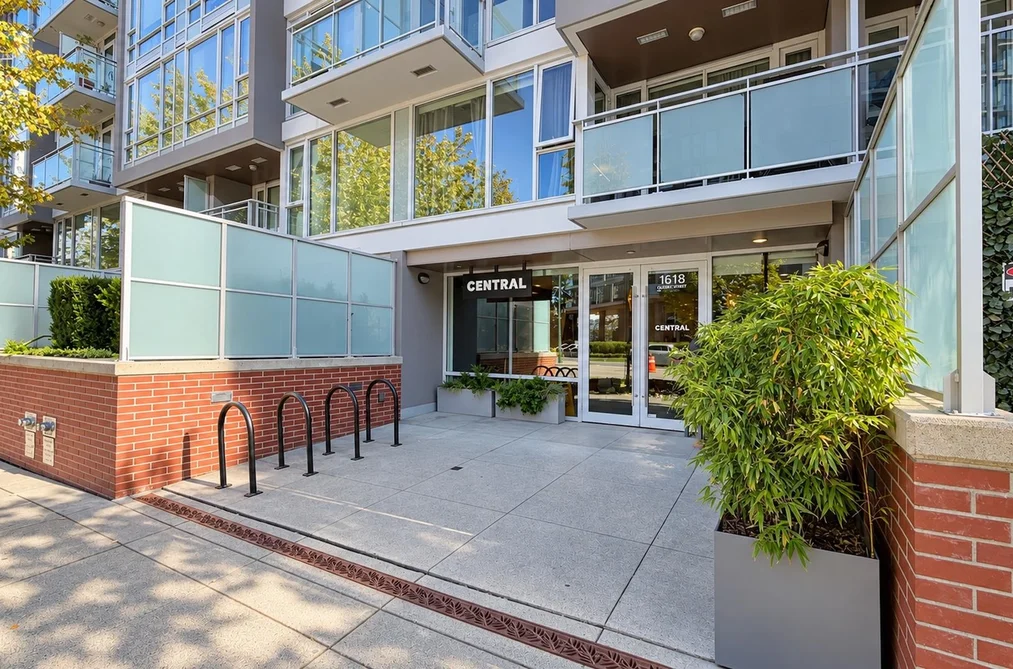
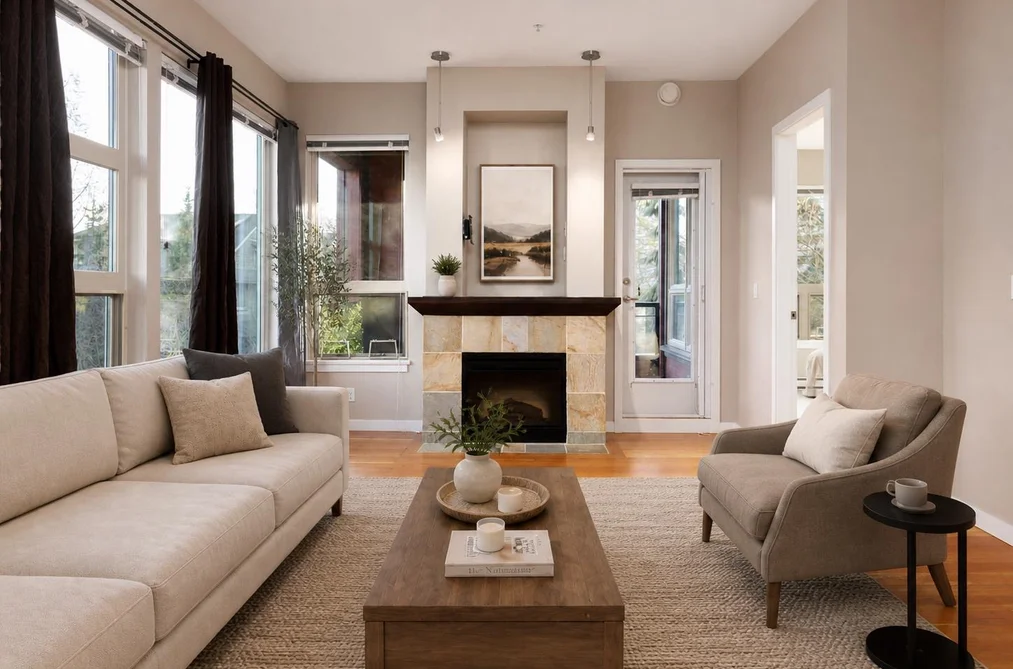
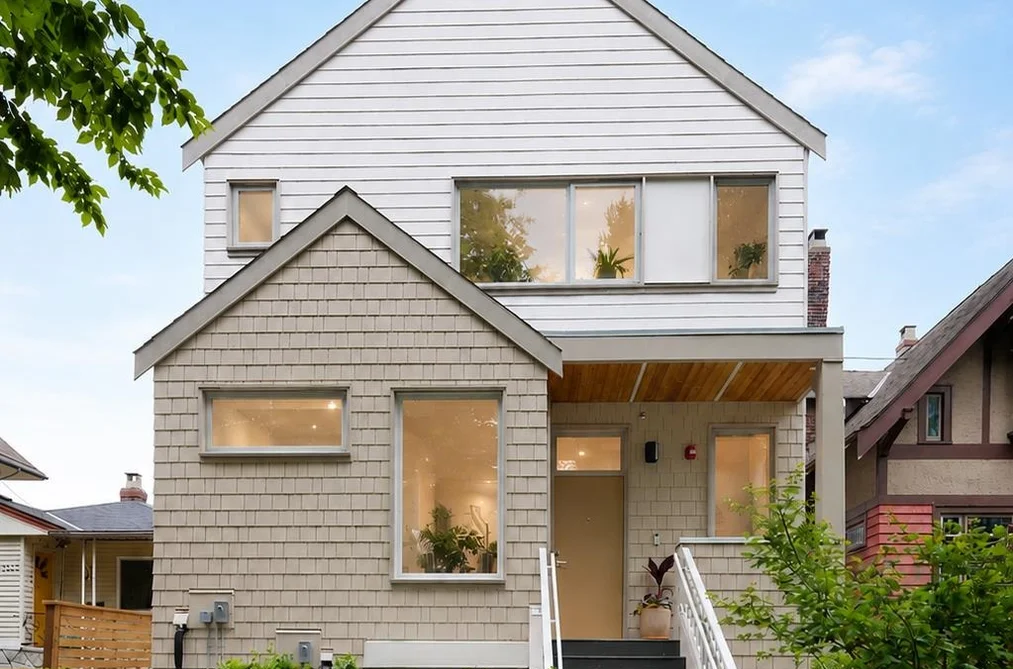
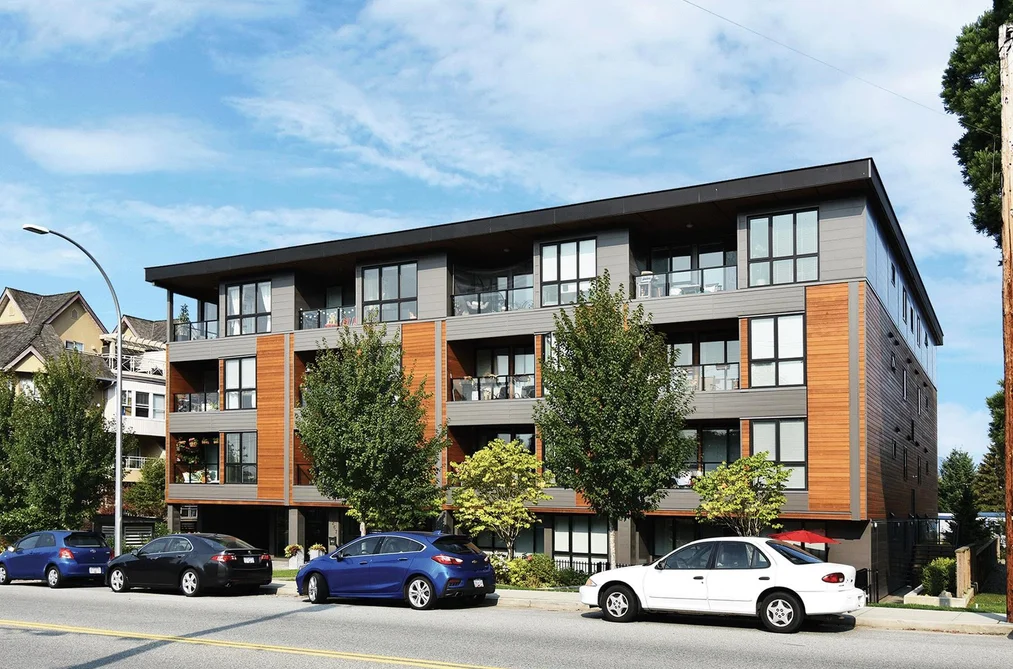
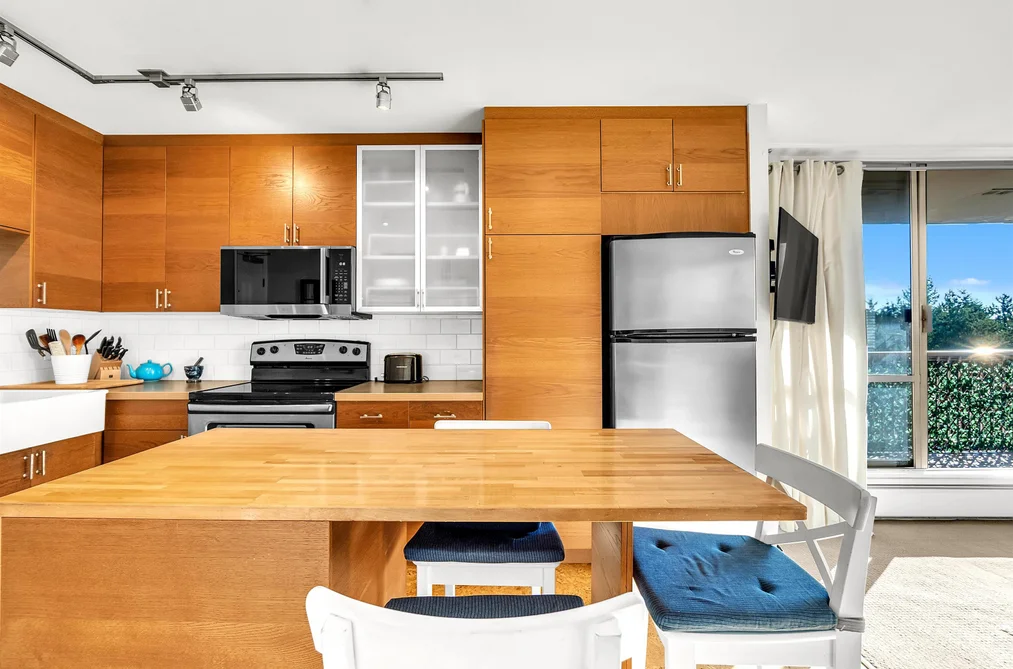
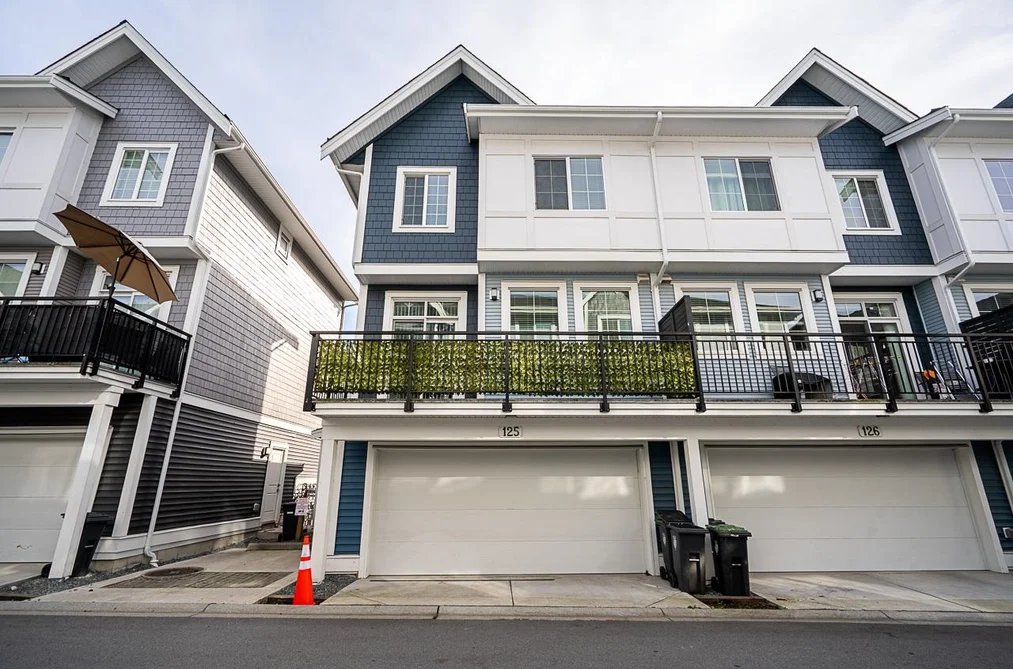
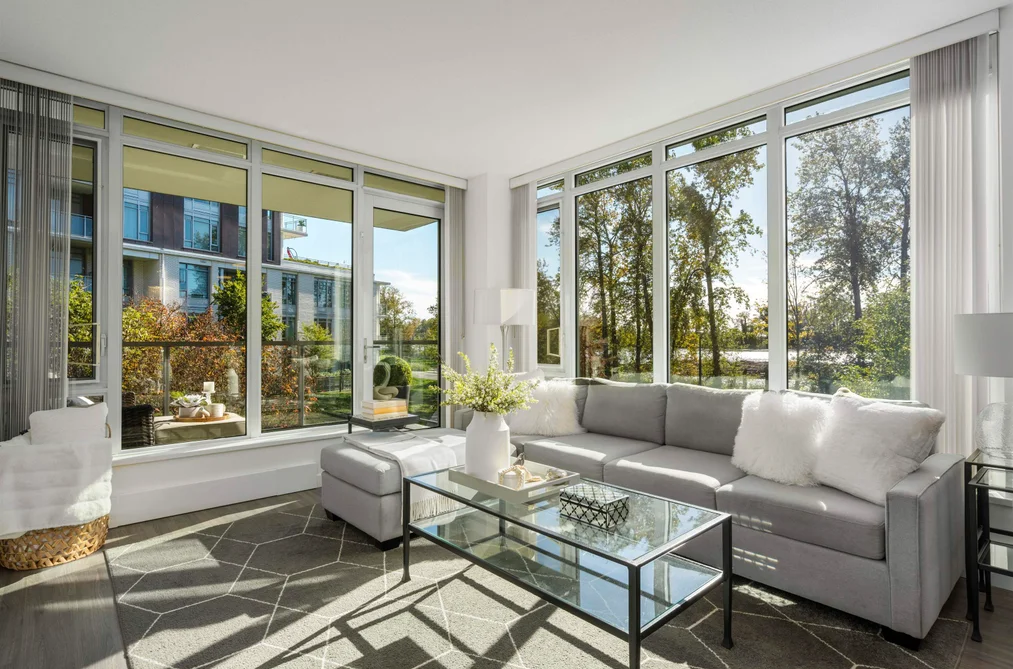
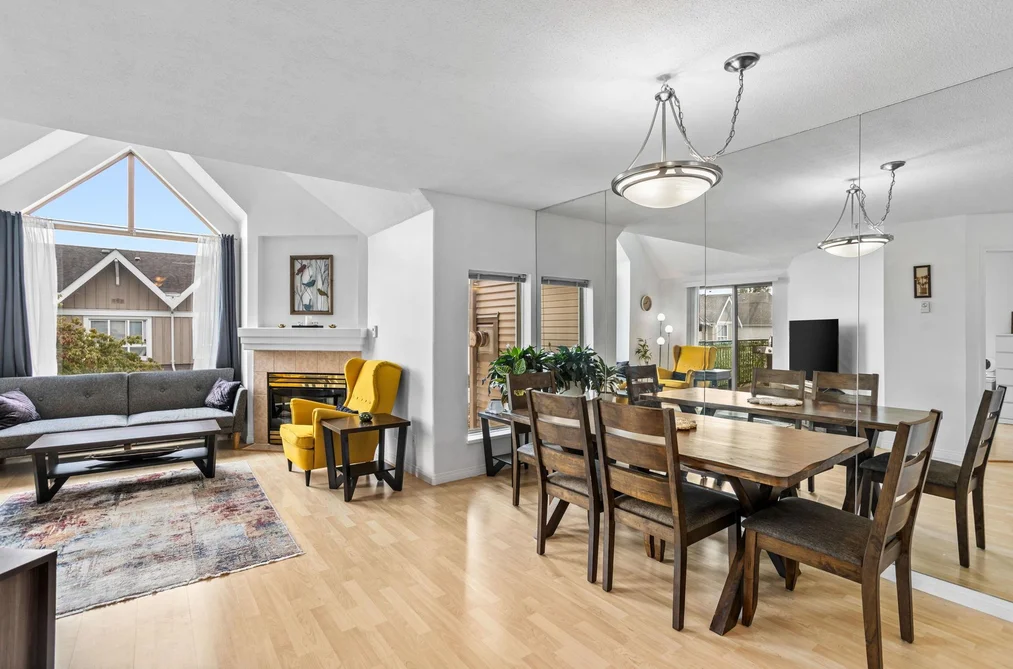
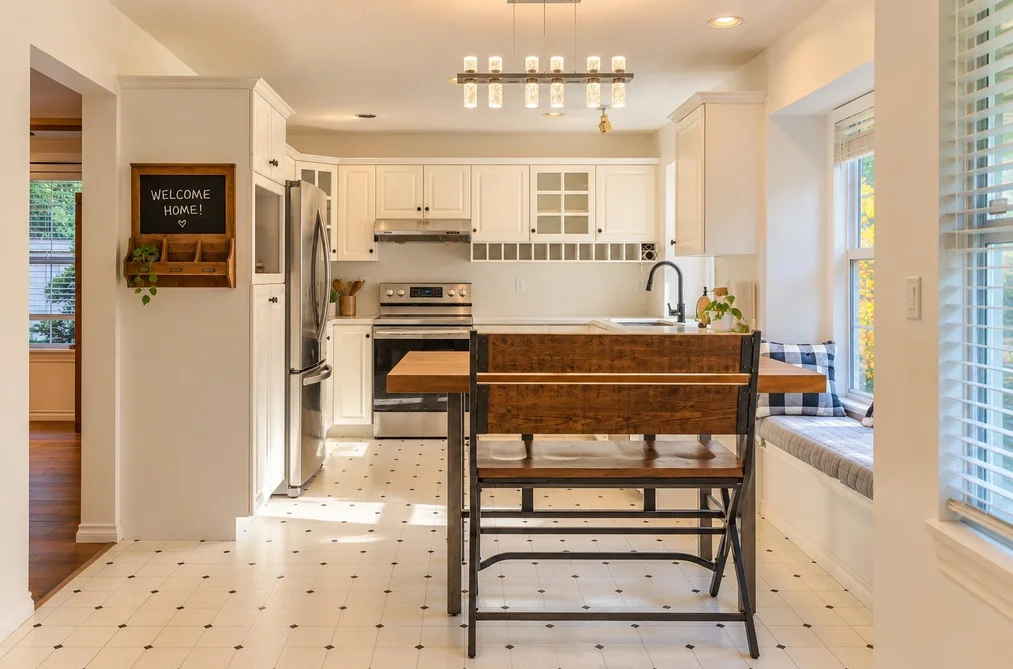
Count the windows per room rather than per home. Two openings on different walls light a room evenly; one large opening on a single wall leaves the far corner dim whatever the sqft says. In a condo, a corner unit or a home with floor-to-ceiling windows on two elevations behaves completely differently from an inside home on the same floor.
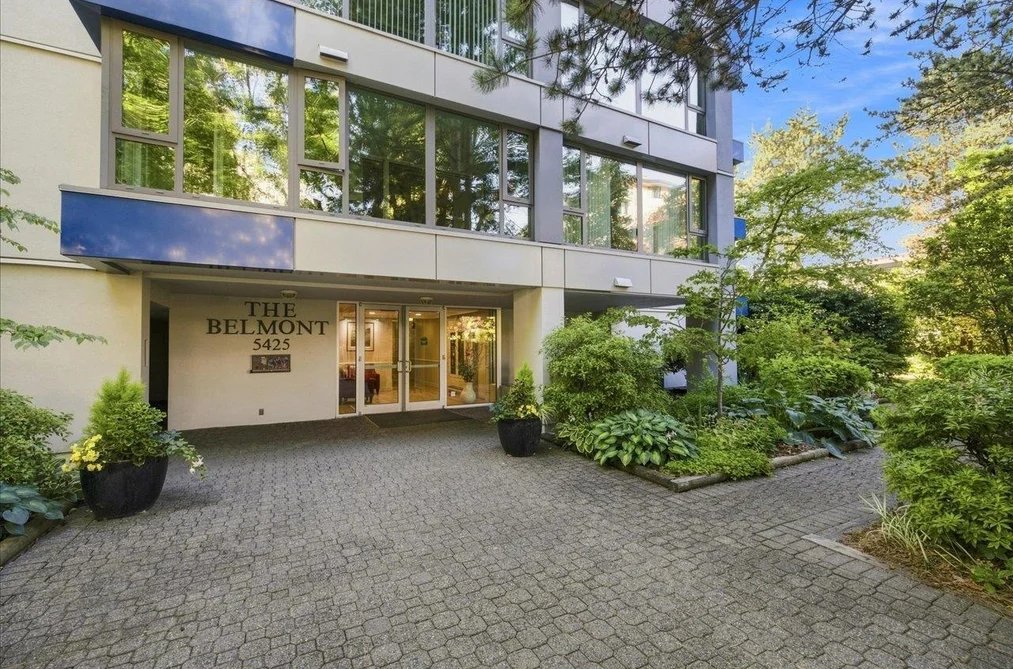
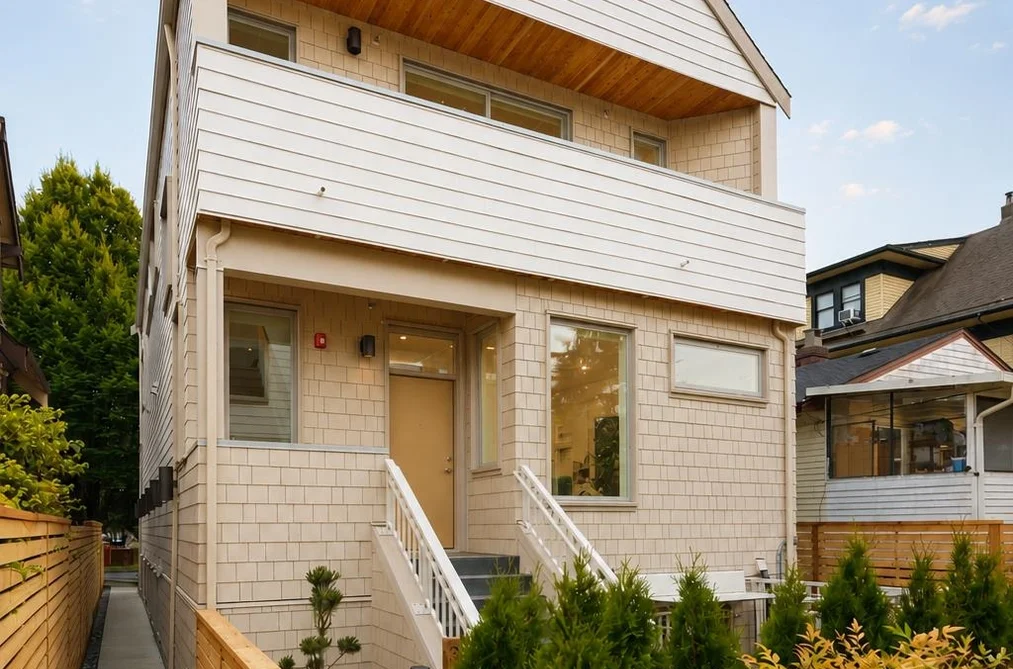
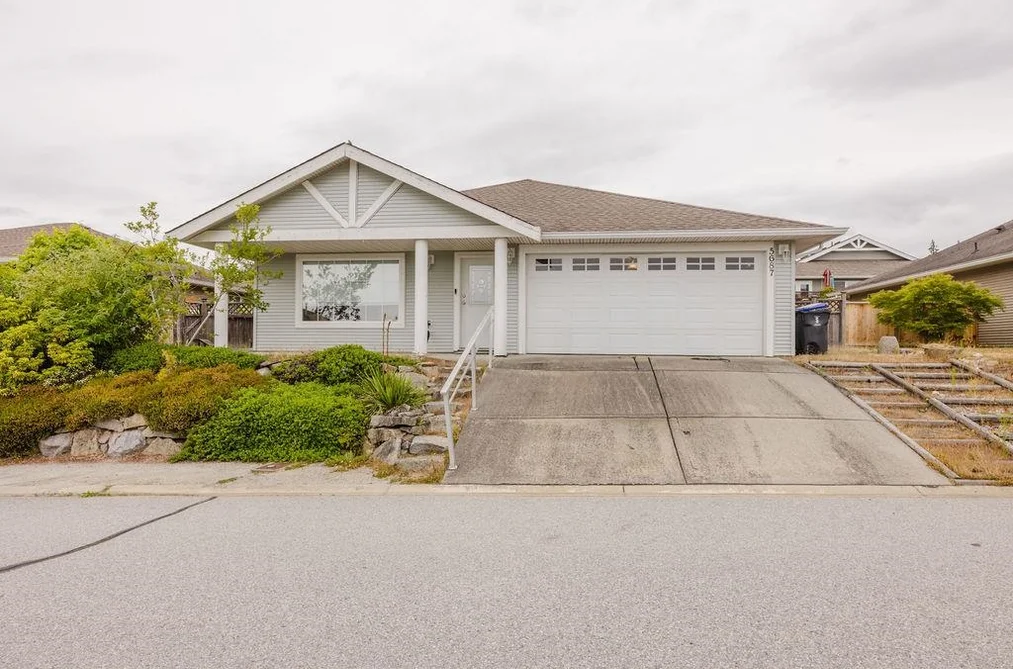
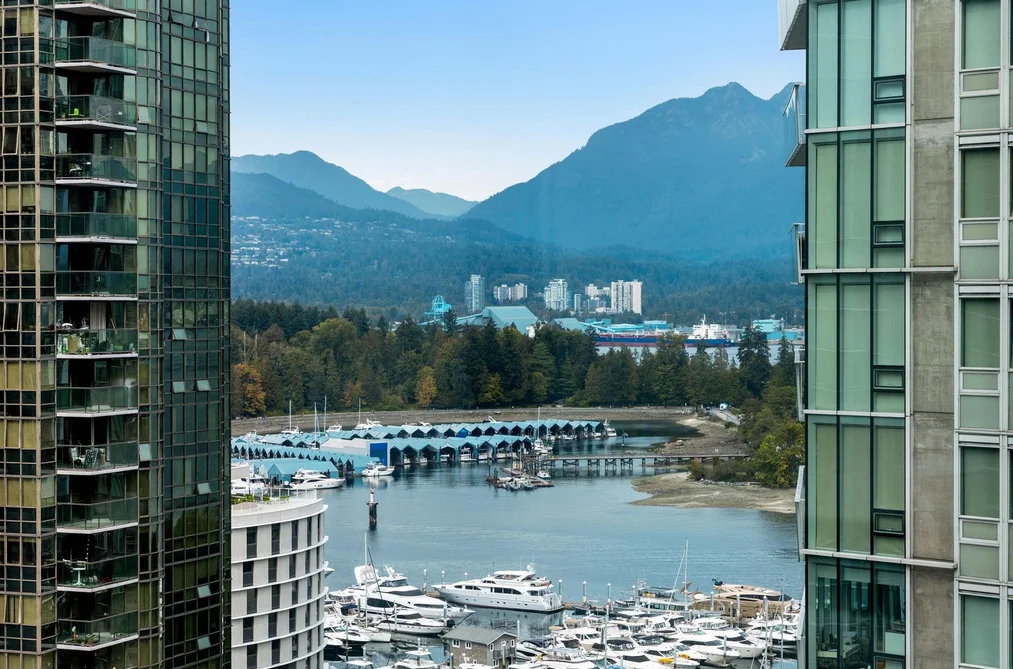
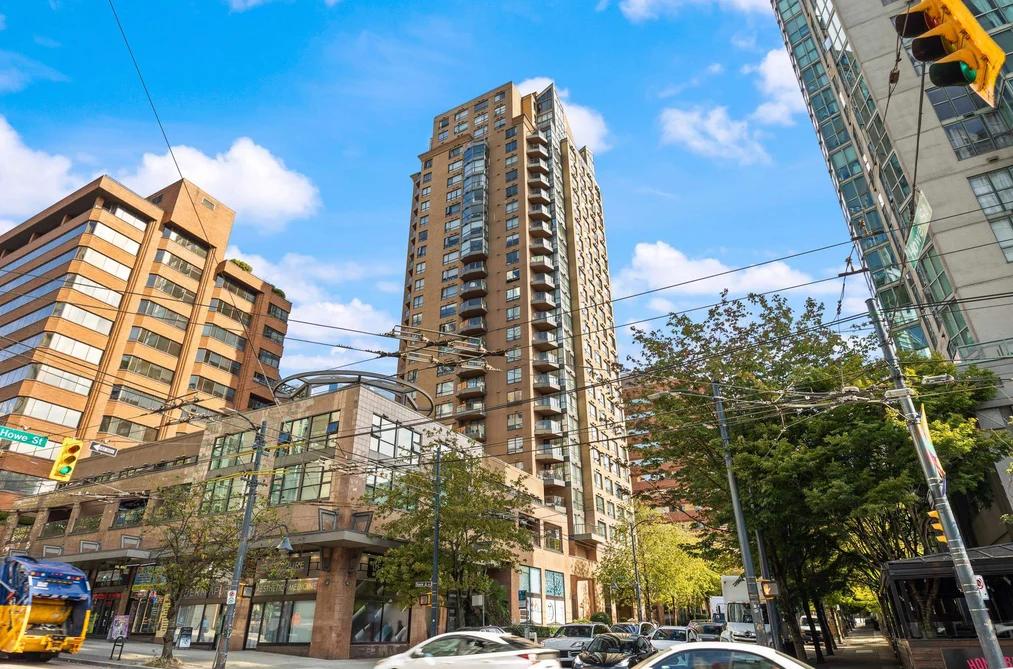
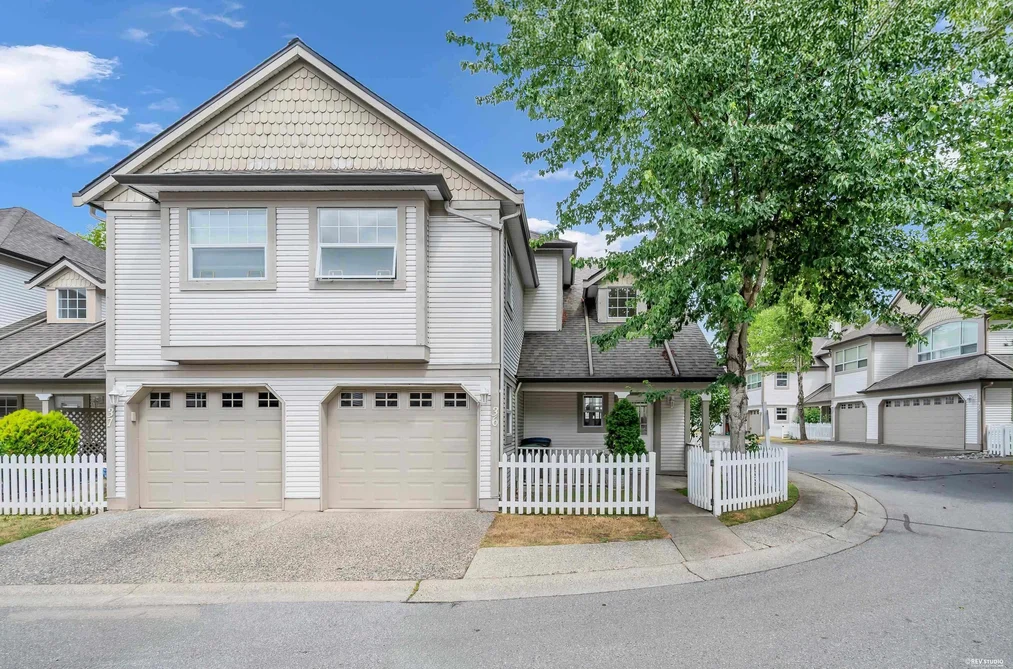
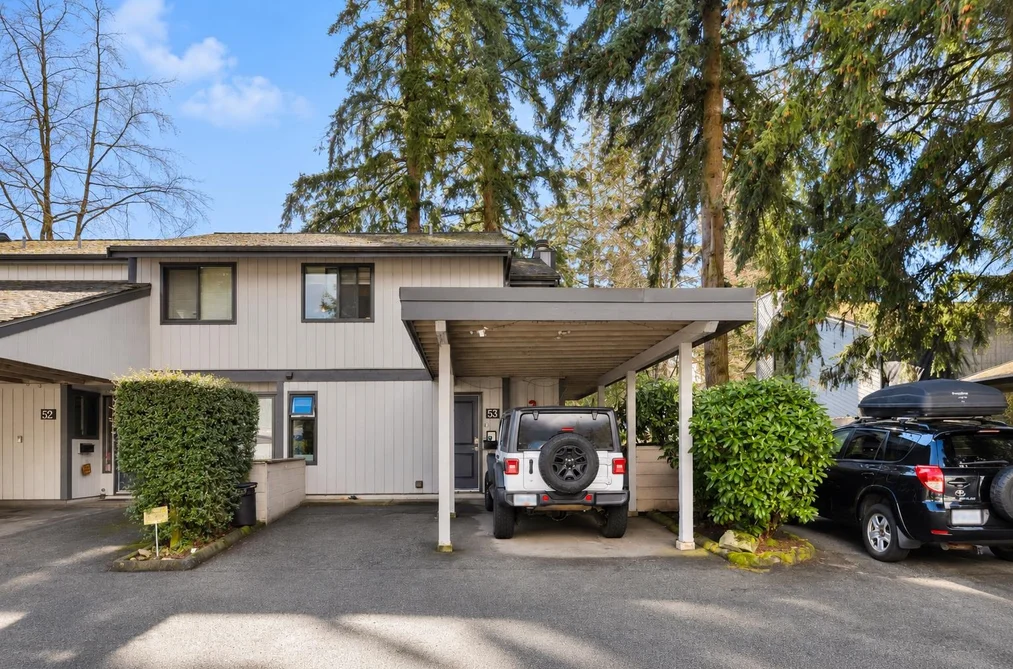
Then look at what could change. A low building or a surface lot opposite is not a permanent view corridor, and in a fast-densifying neighbourhood it may not last. Ask your agent what is zoned or already approved across the street, and treat any borrowed light over a neighbouring roofline as temporary.
Bright homes carry a premium, and it is one of the few premiums worth paying because you cannot renovate your way to a better orientation. You can, however, add a skylight, widen an opening or take out a wall, so a dark room in an otherwise good floor plan may be fixable where a dark aspect is not.
Book the second showing deliberately. If the first visit was at midday, go back in the evening, and in a coastal winter go back on an overcast day. A home in Coquitlam, Burnaby or East Vancouver that still reads bright under grey cloud is the one that will hold up, and a bath or bedroom with no window at all is a compromise you should price rather than discover.