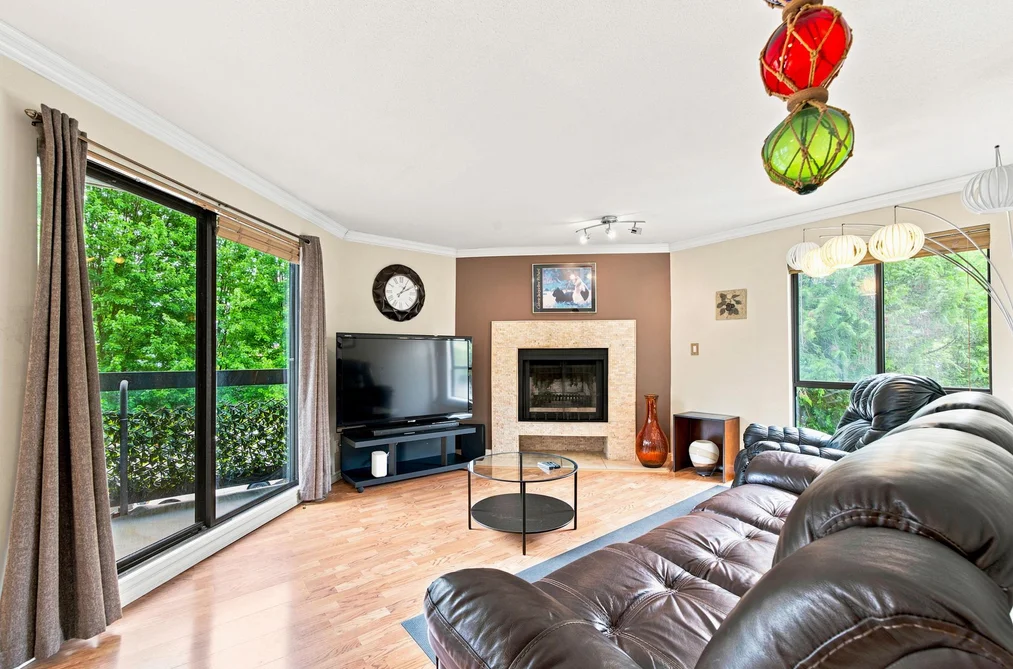
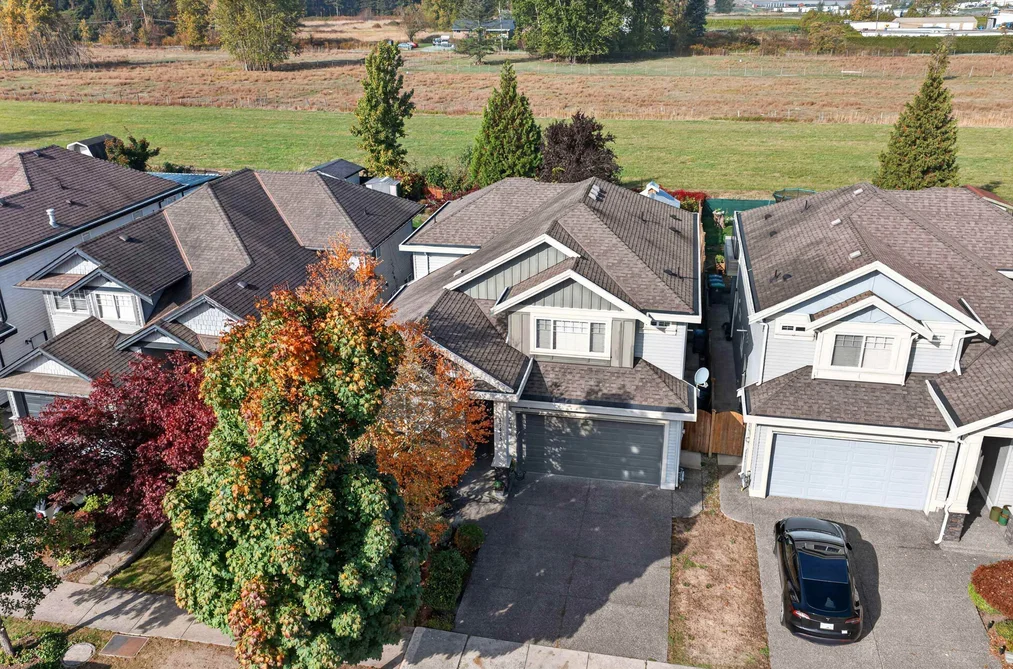
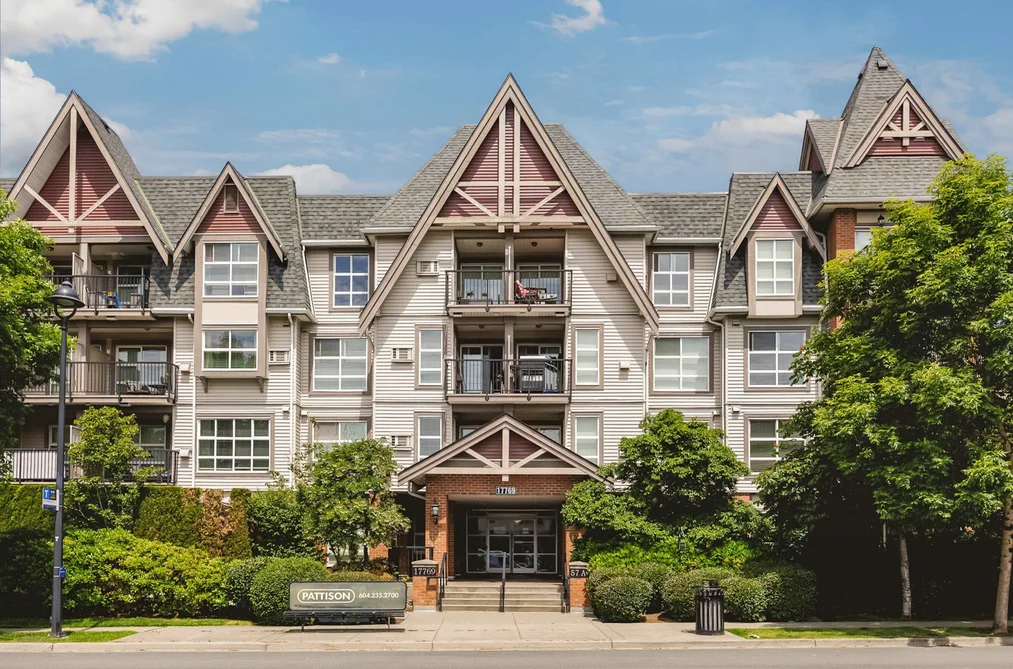
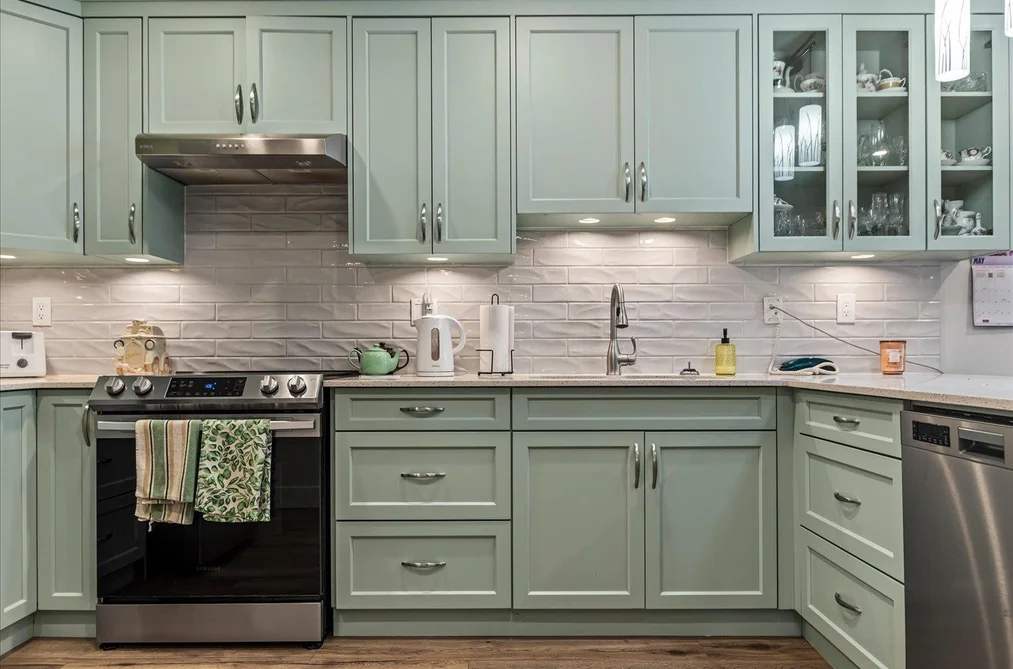
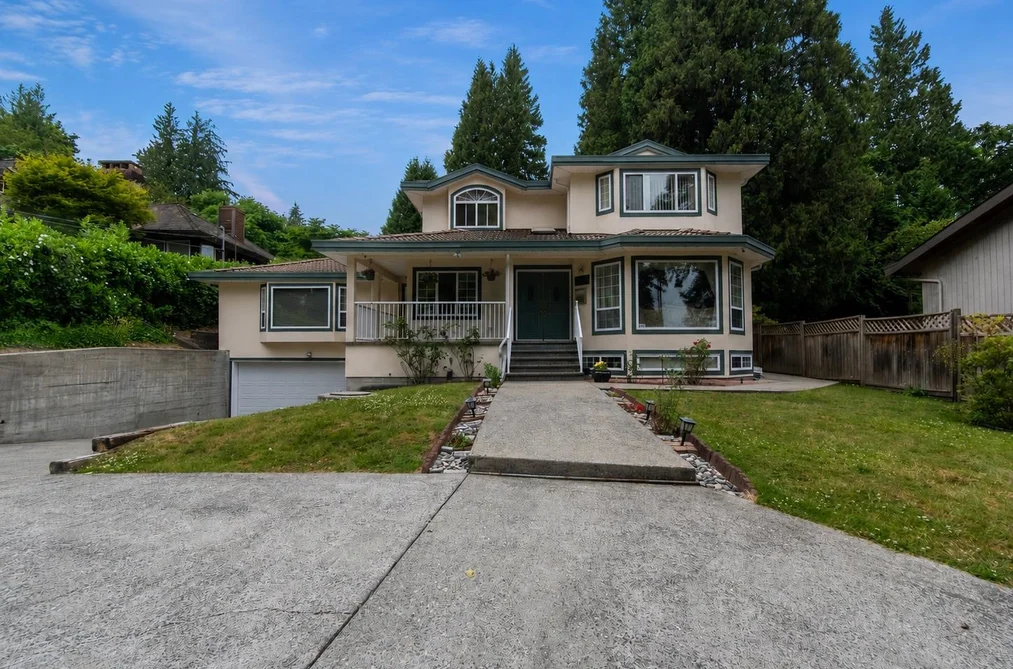
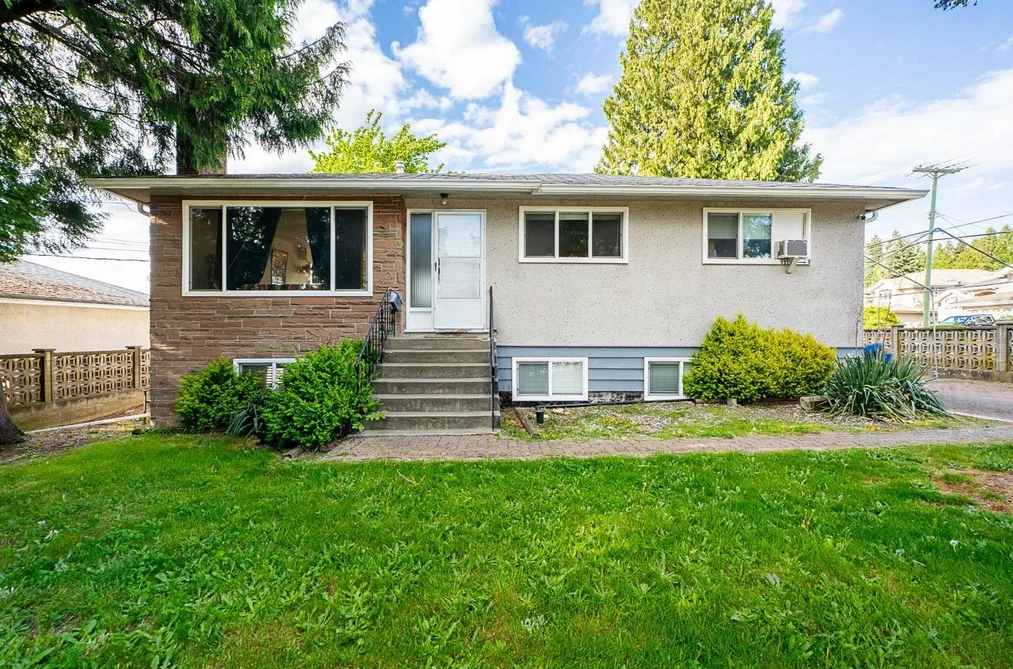
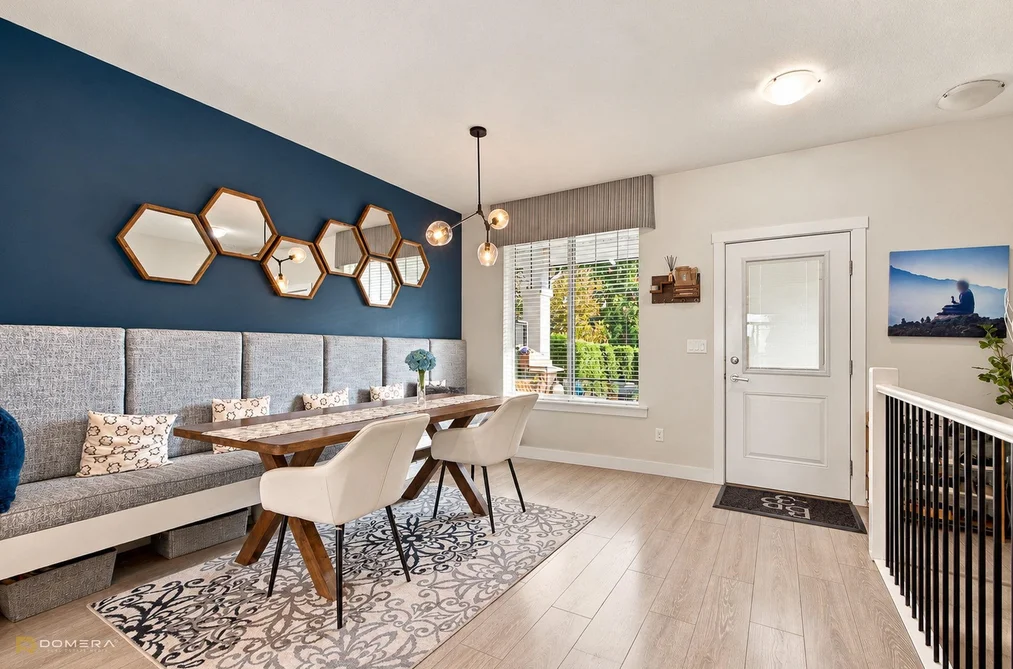
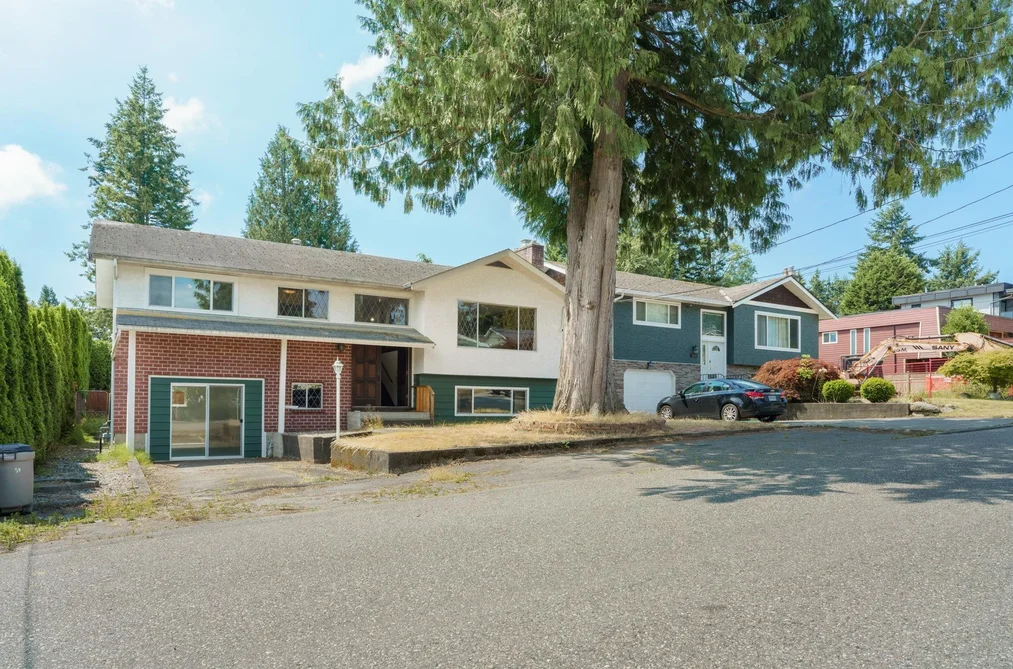
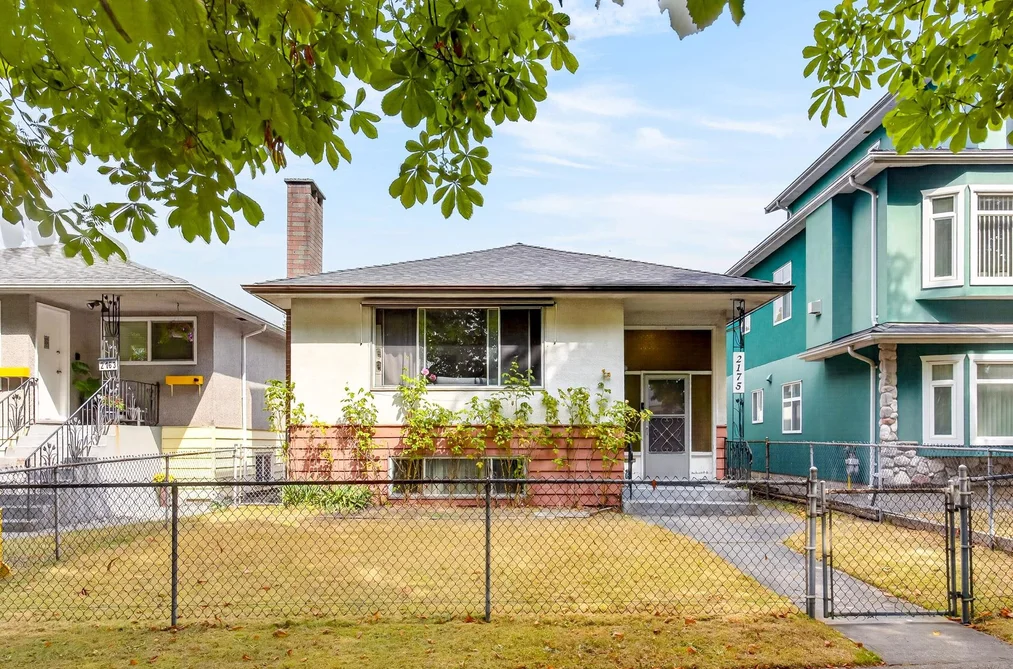
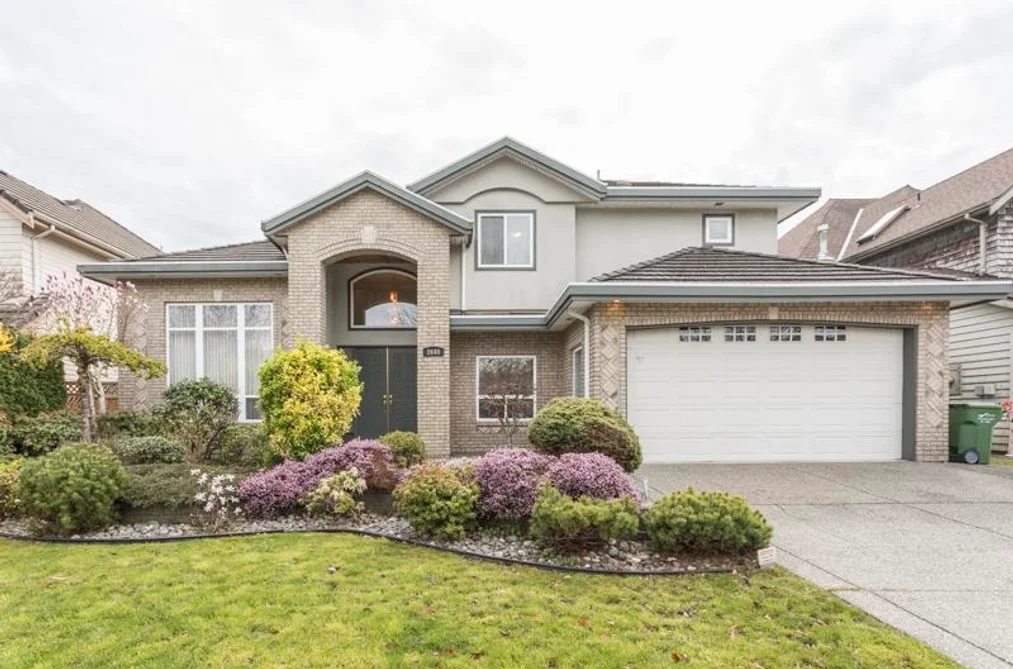
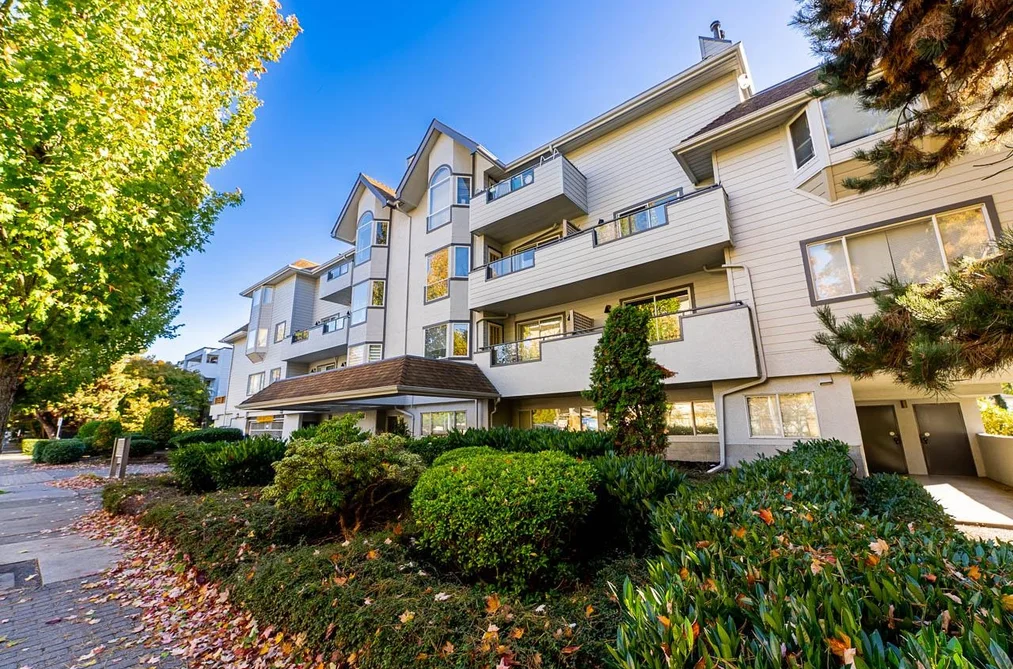
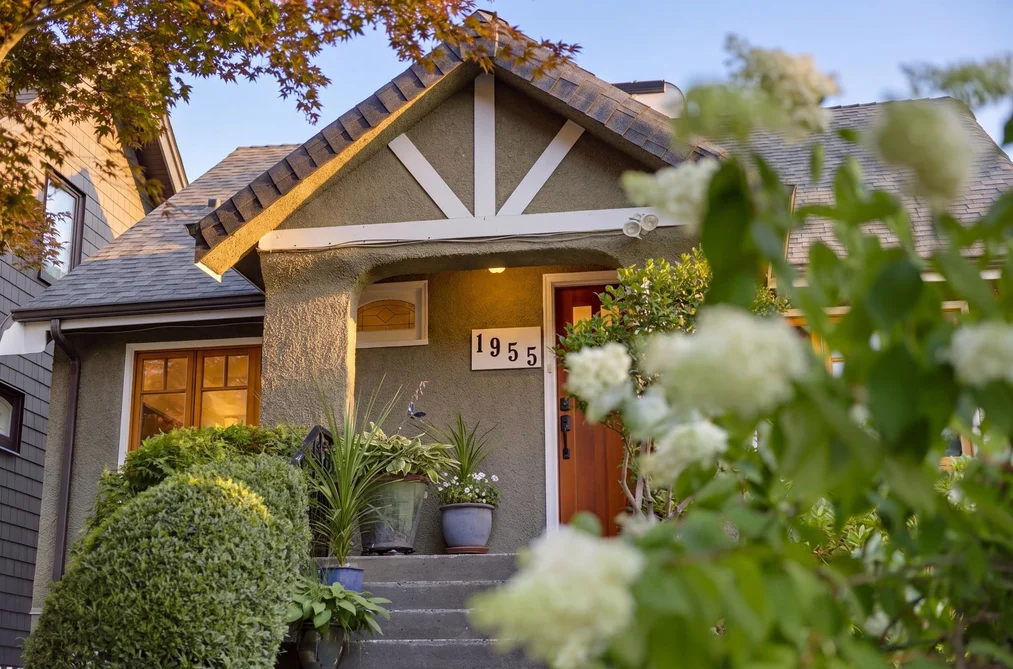
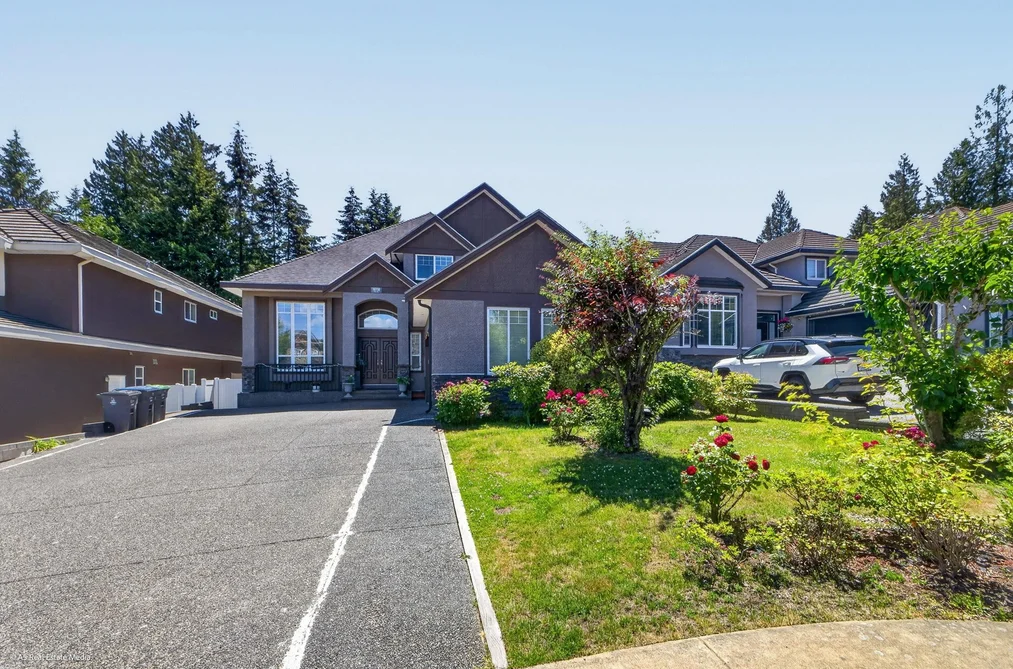
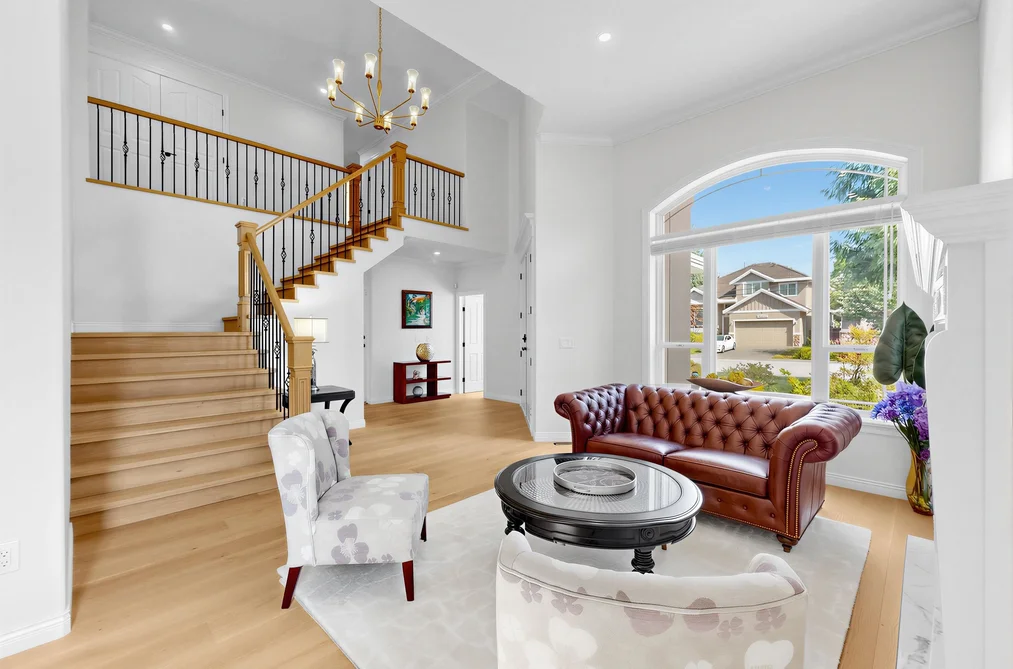
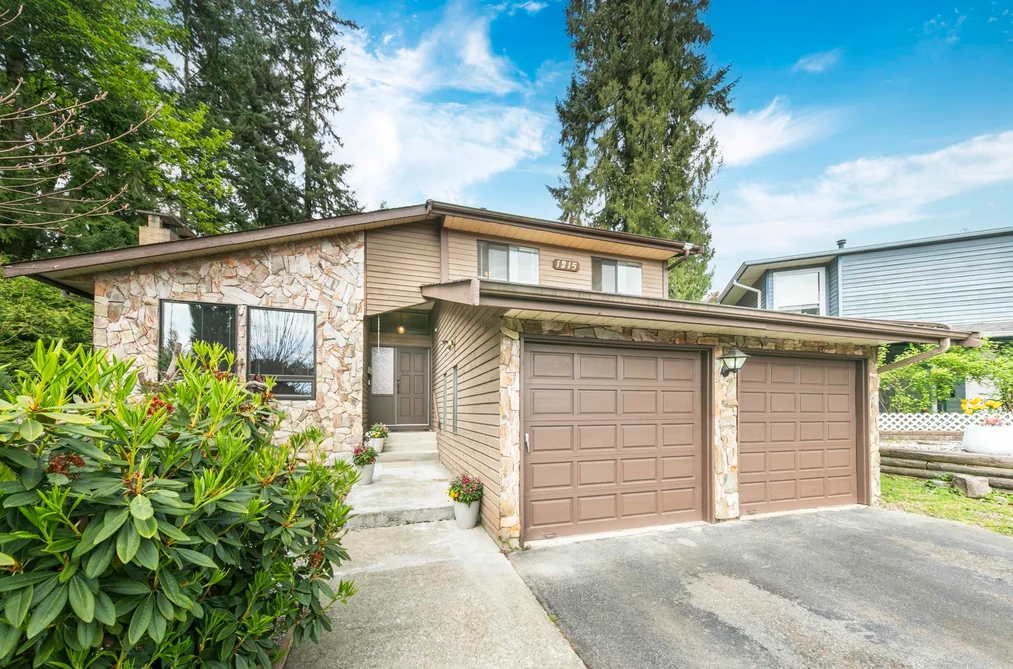
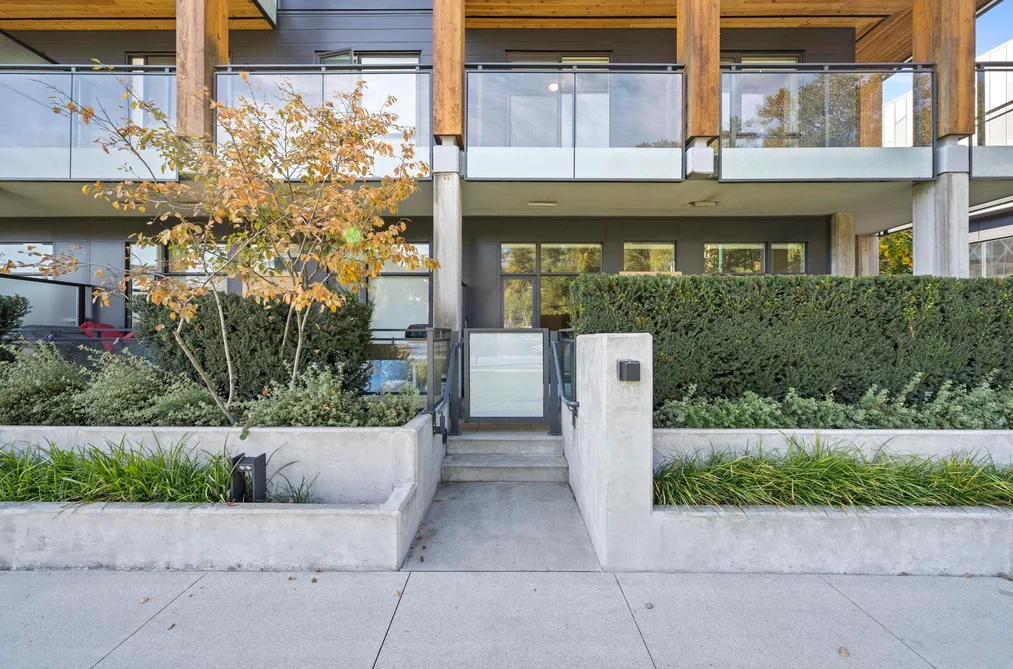
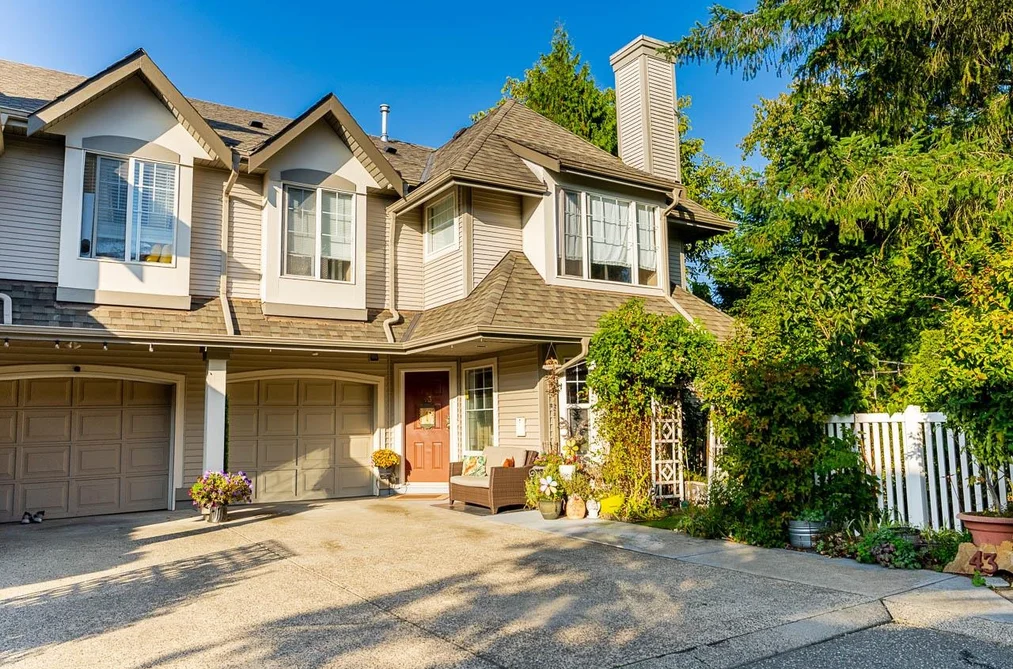
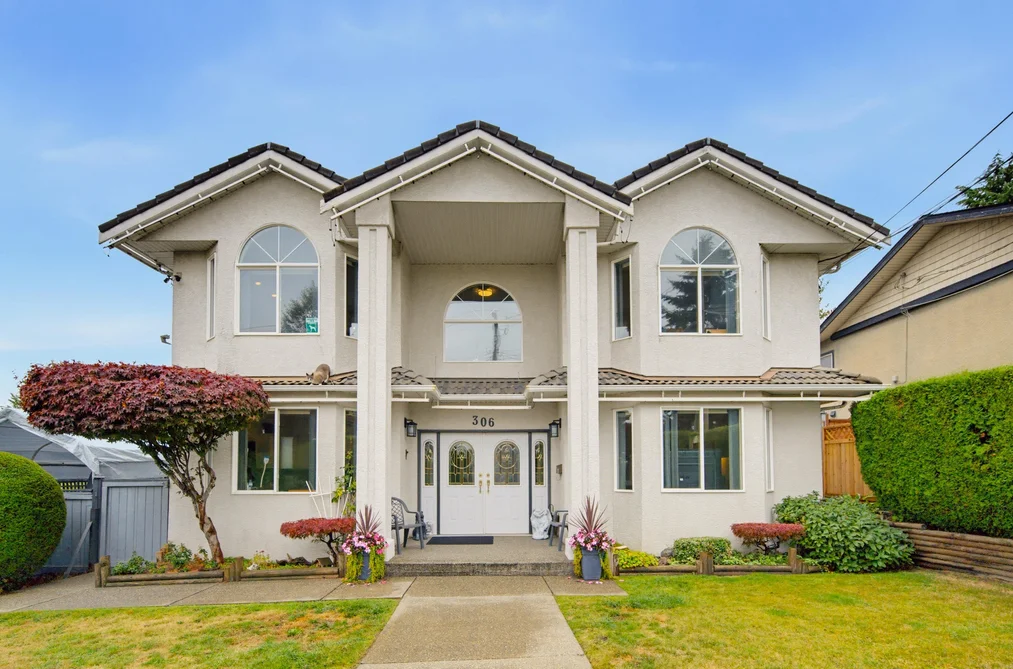
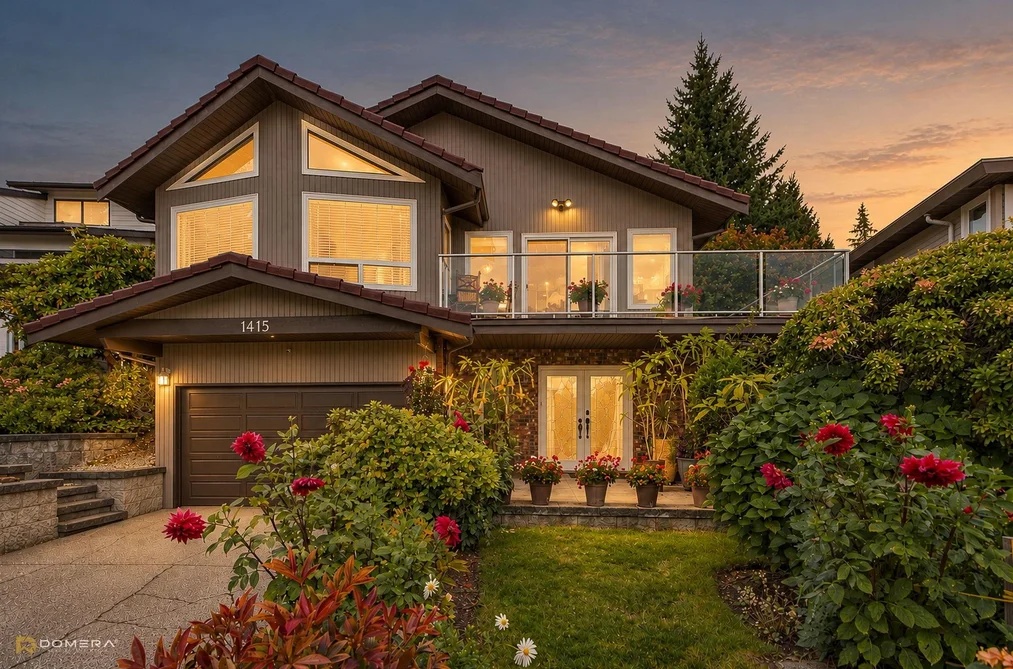
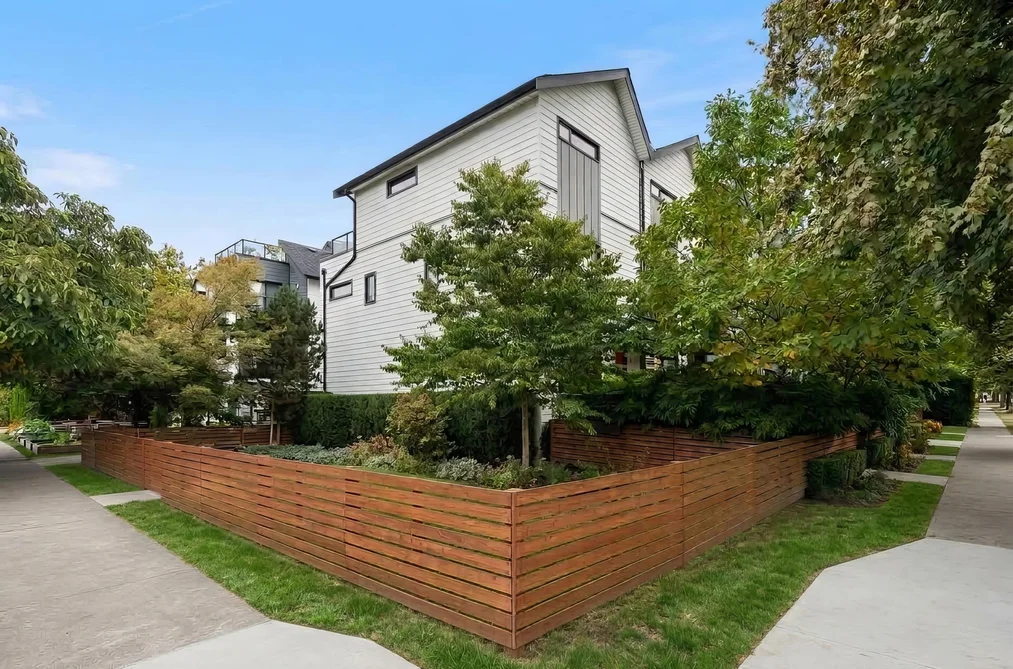
For Sale
0 days
- $1,250,000
- 3 bed
- 2 bath
- 1246 sqft
MLS® R3176925
•Stilhavn Real Estate Services
Open Sat, Oct 24, 2 p.m.
Browse Original condition homes for sale in Greater Vancouver and check the wiring, the plumbing, the roof and the oil tank before you price the work ahead.
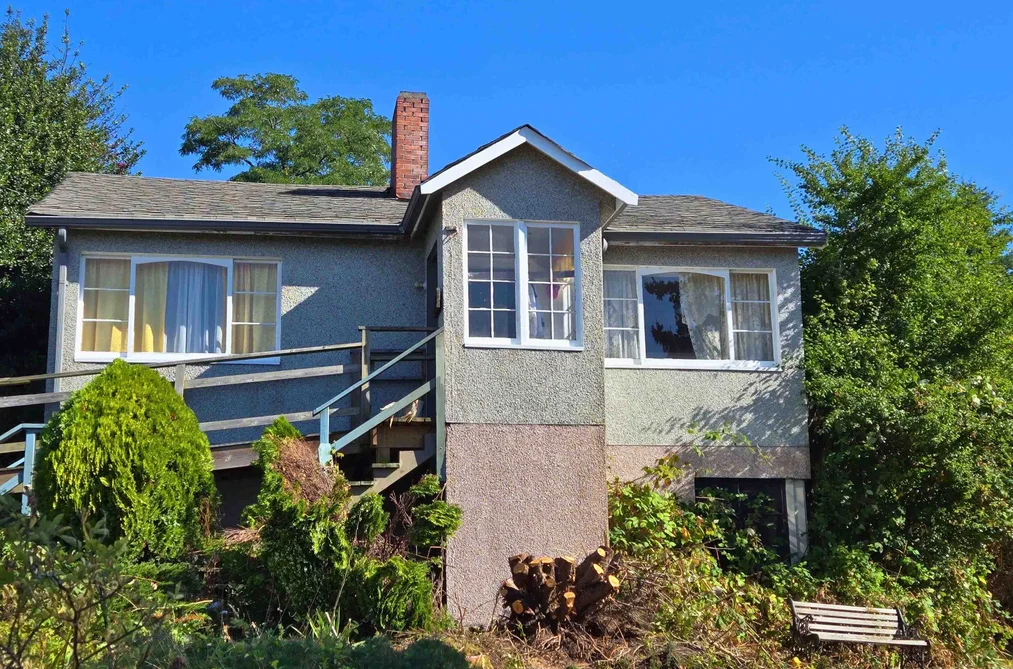
Original on a Greater Vancouver listing usually means a house that has never been updated, so price the work ahead and check the wiring, the plumbing and the roof before you write an offer.
There is a real advantage here that gets overlooked. An untouched house hides no unpermitted alterations, no covered-over damage and no renovation done badly by somebody else. What you see is what you get, and every dollar of work still to come is yours to plan. Walk it slowly, take photographs of the panel, the furnace label and the underside of the roof sheathing, and bring a trade through during your subject period rather than guessing at costs afterwards.
Start with the electrical. Older wiring in a period house can complicate insurance, and your insurer will want to know before you complete rather than after. Then the plumbing: galvanised supply lines corrode from the inside, and drain lines under a slab are the worst place to find a problem. Ask the age of the furnace, the hot water tank and the roof, and treat all three as near-term costs unless you are shown otherwise.
Two local items deserve their own question. Ask whether the property has ever had an underground oil tank, which surfaces regularly on the North Shore and in older East Vancouver blocks and is the buyer's problem once title changes. And expect a hazardous materials survey before any significant demolition, because materials of that era commonly need specialist removal.
Get real numbers before you offer. Bring a contractor through, price the kitchen, the bathrooms, the roof and the systems separately, and add a contingency, because an untouched house reveals more once the walls open. Ask your municipality how long permits take, since your renovation timeline is part of the cost.
Then compare against a finished home nearby. Ask your real estate agent to pull sales of both, and see whether the discount you are being offered actually covers the work plus the months of living in it. Sometimes it does not, and knowing that before you write is the whole point of looking.