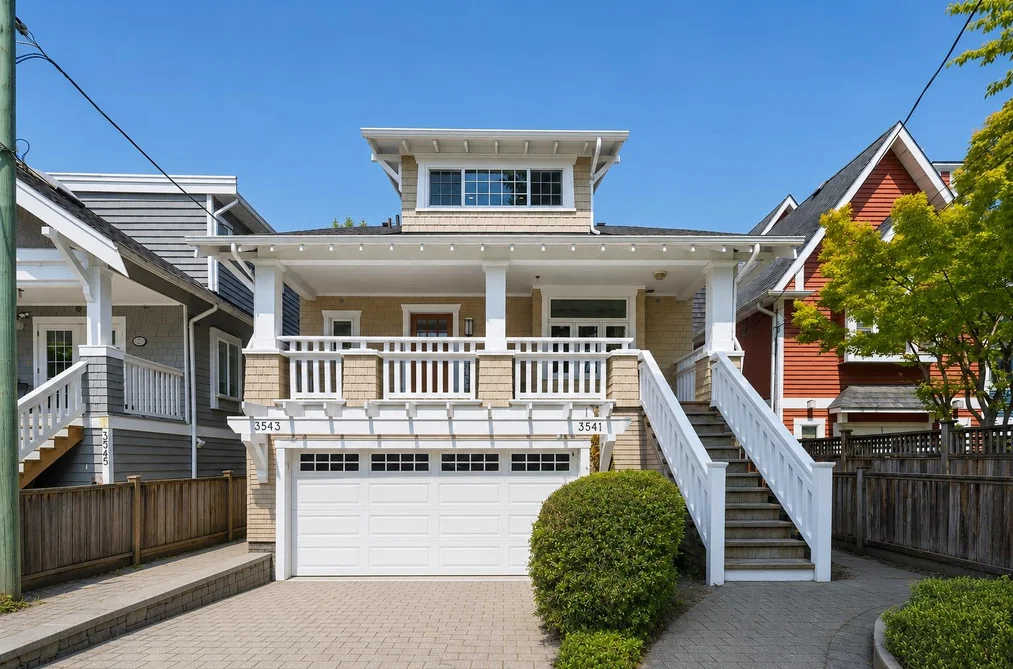
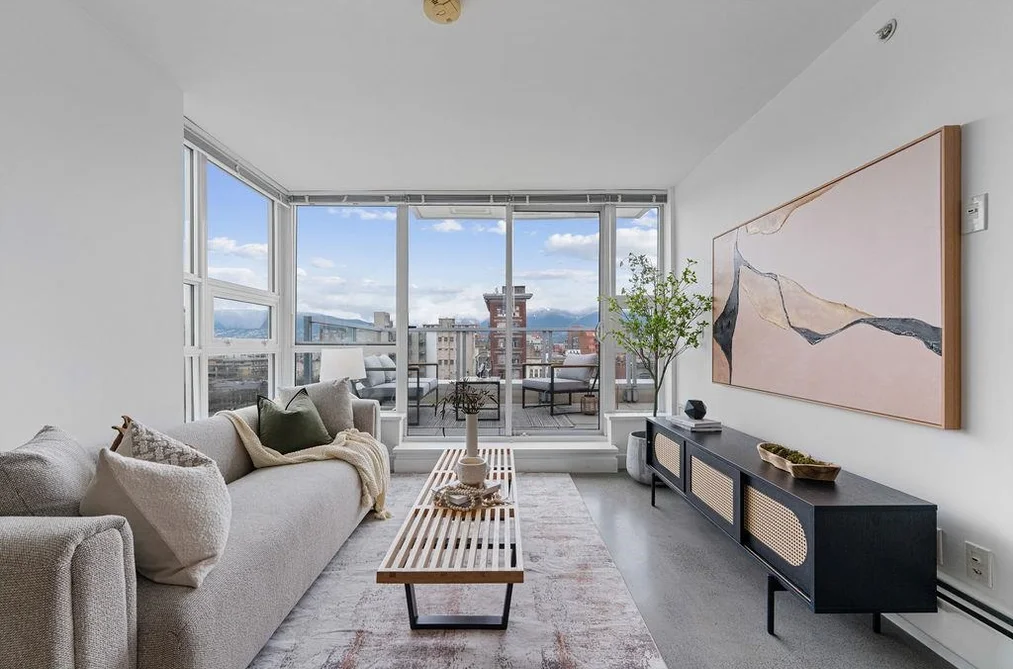
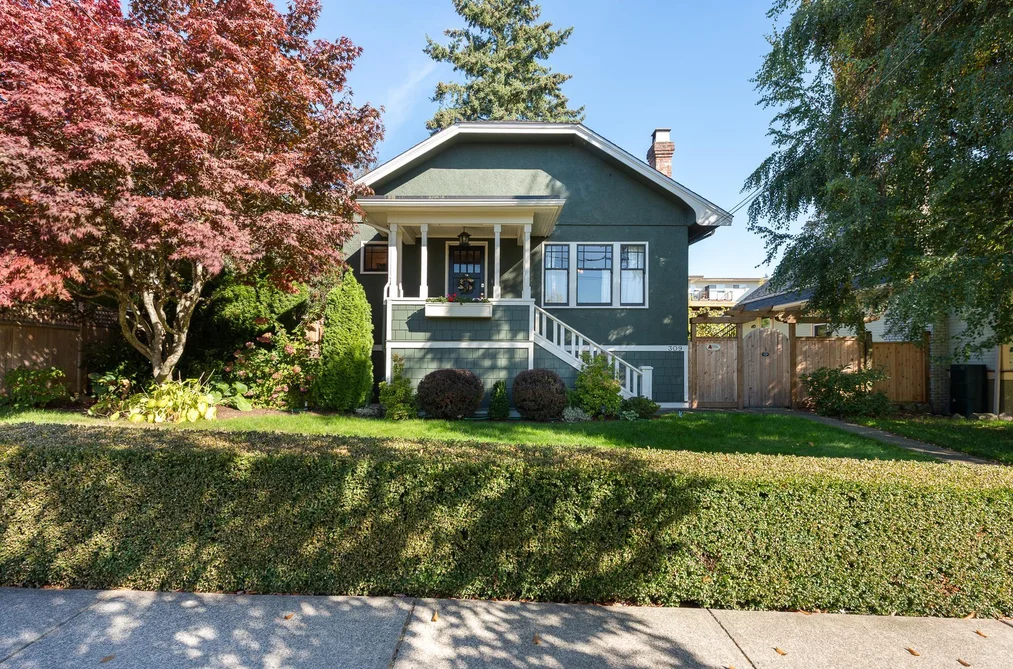
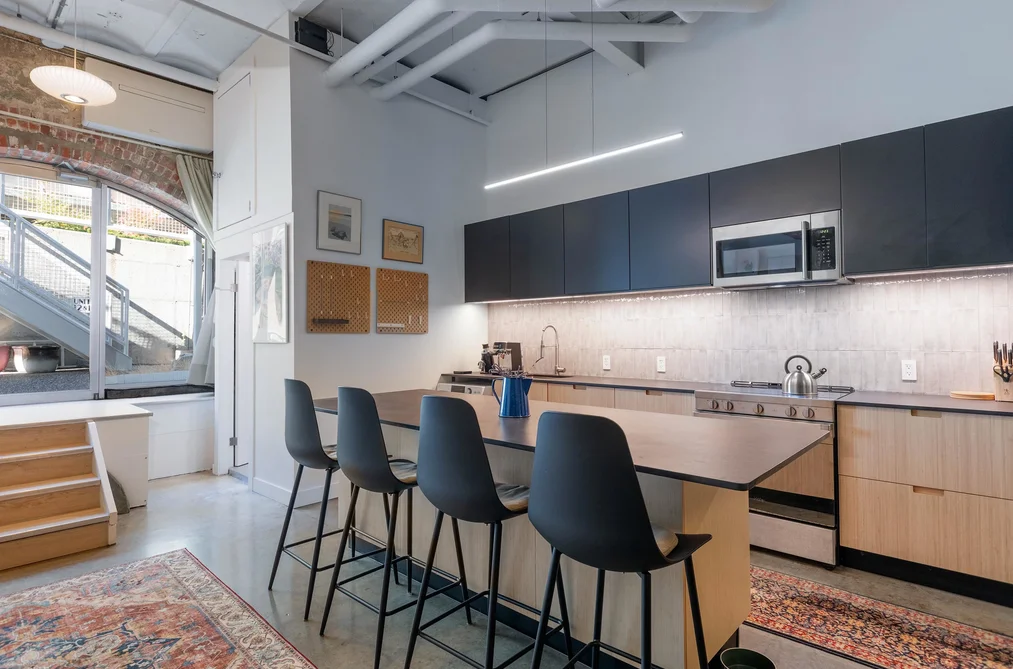
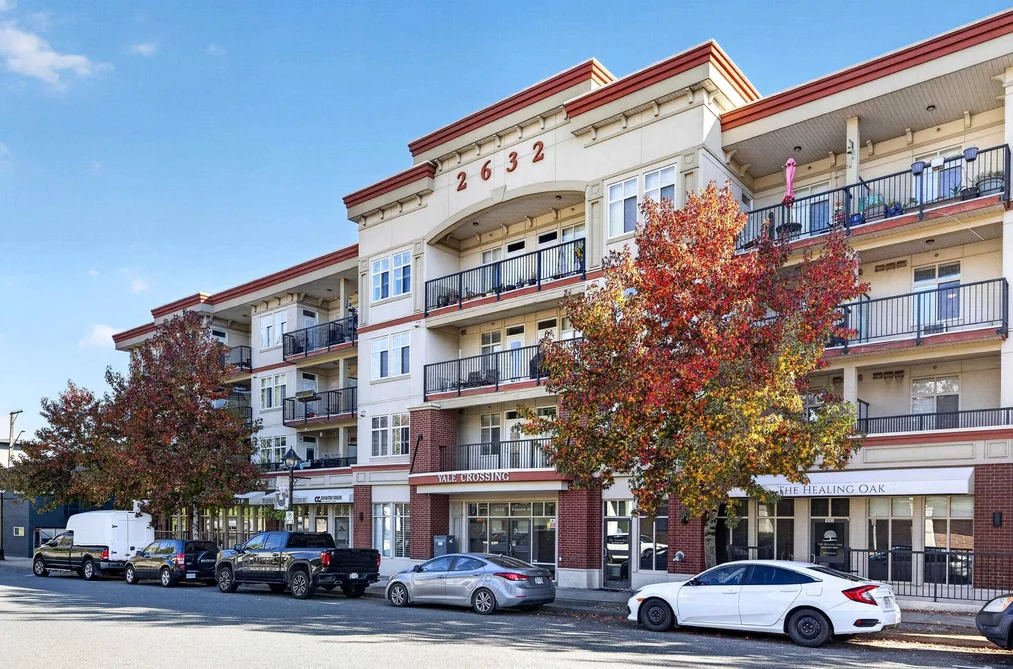
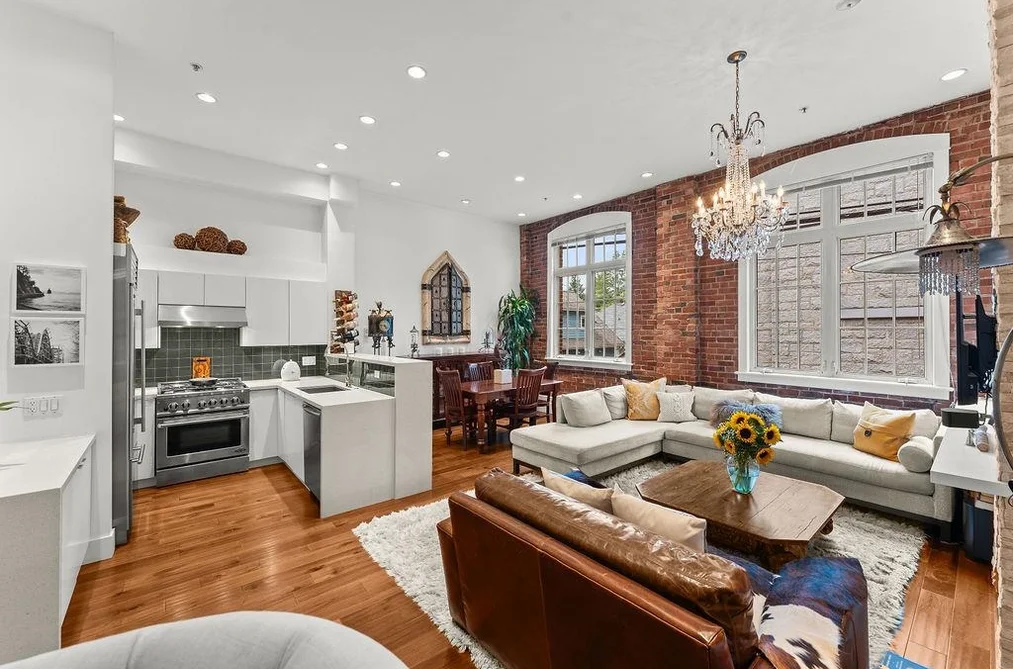
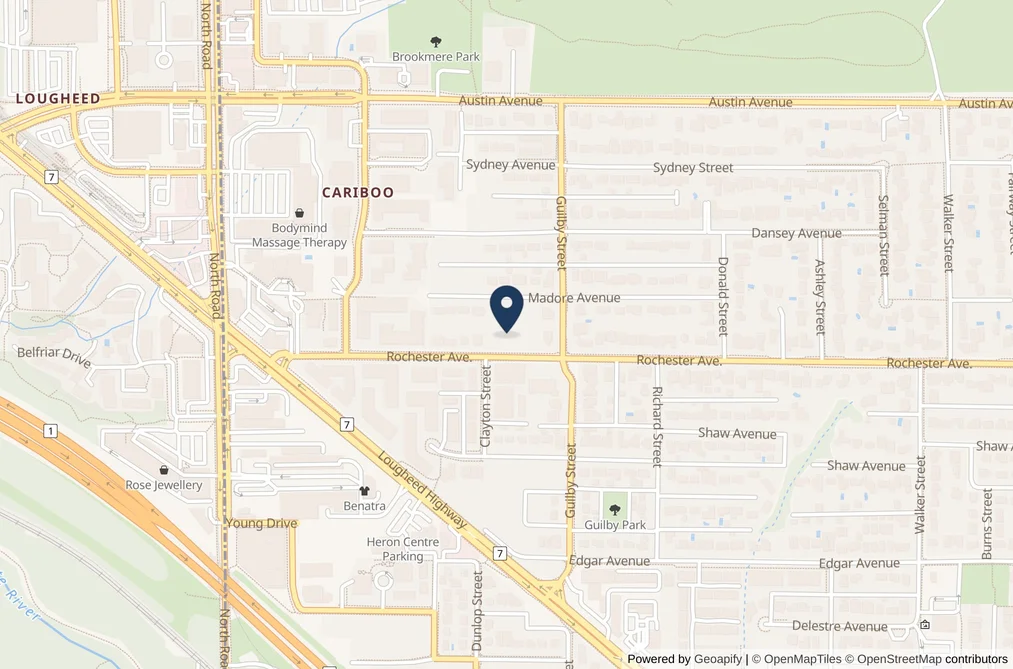
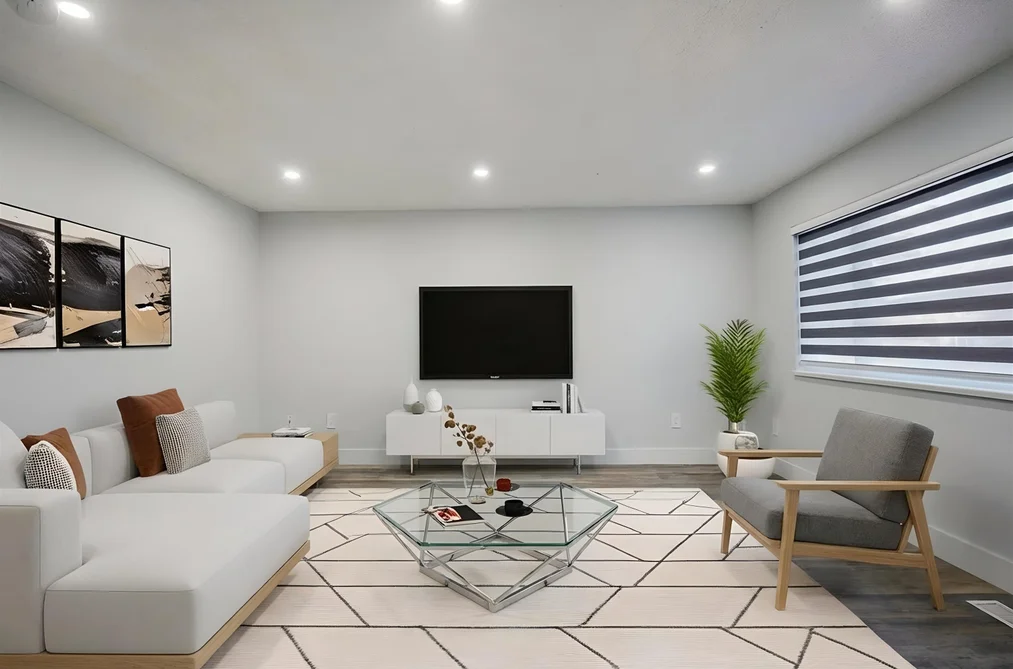
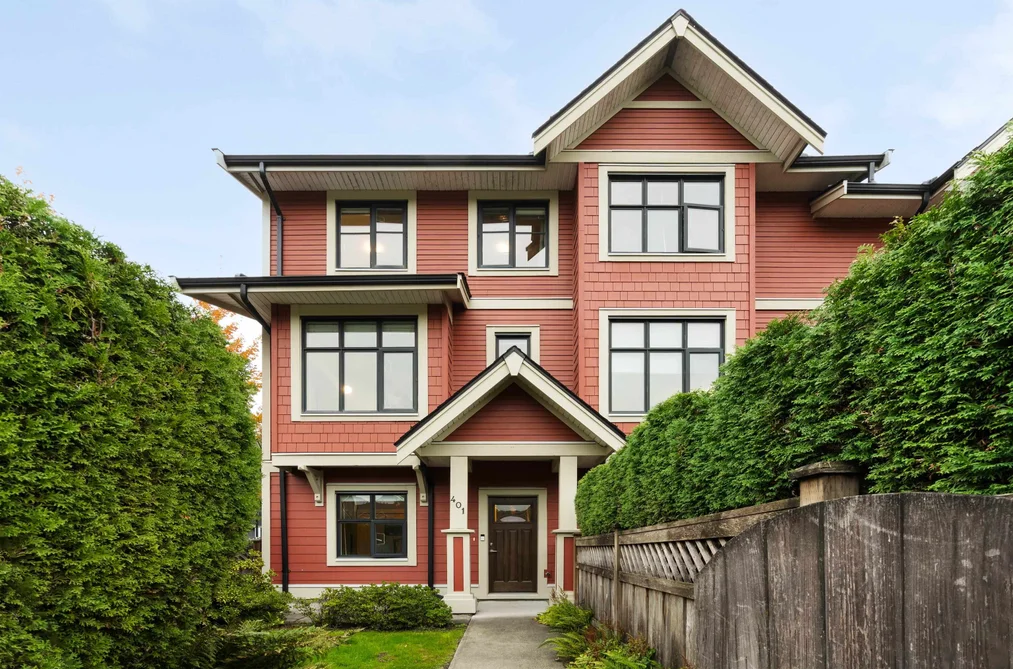
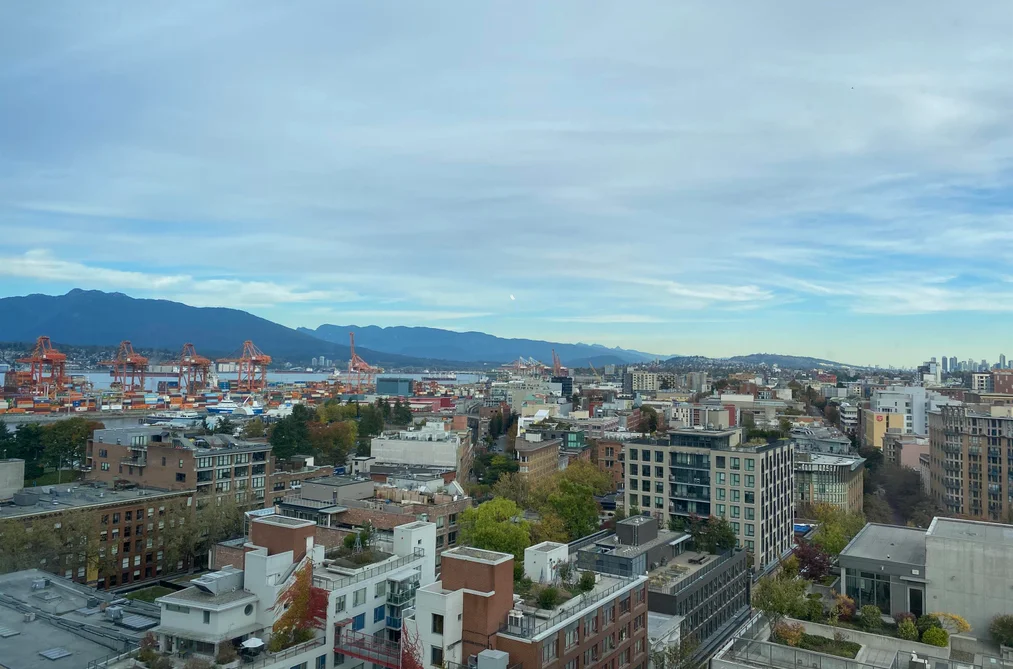
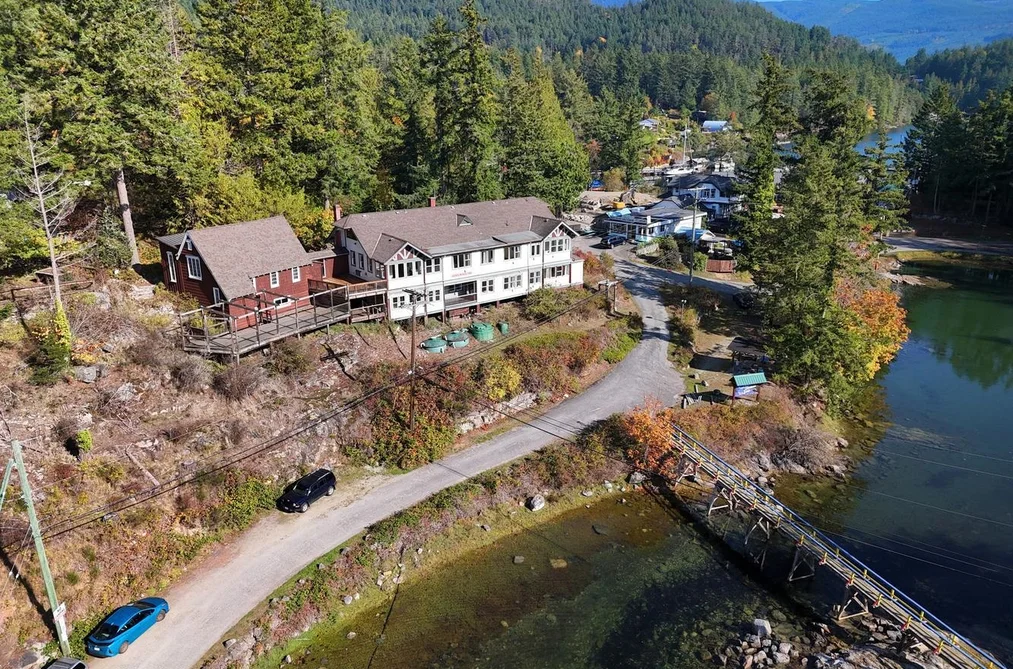
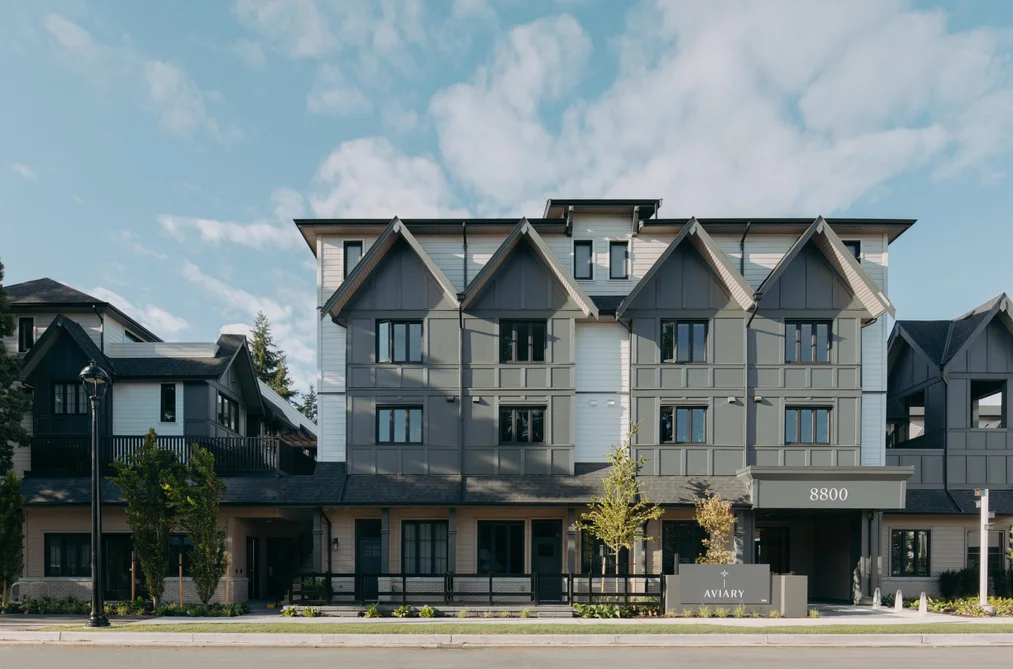
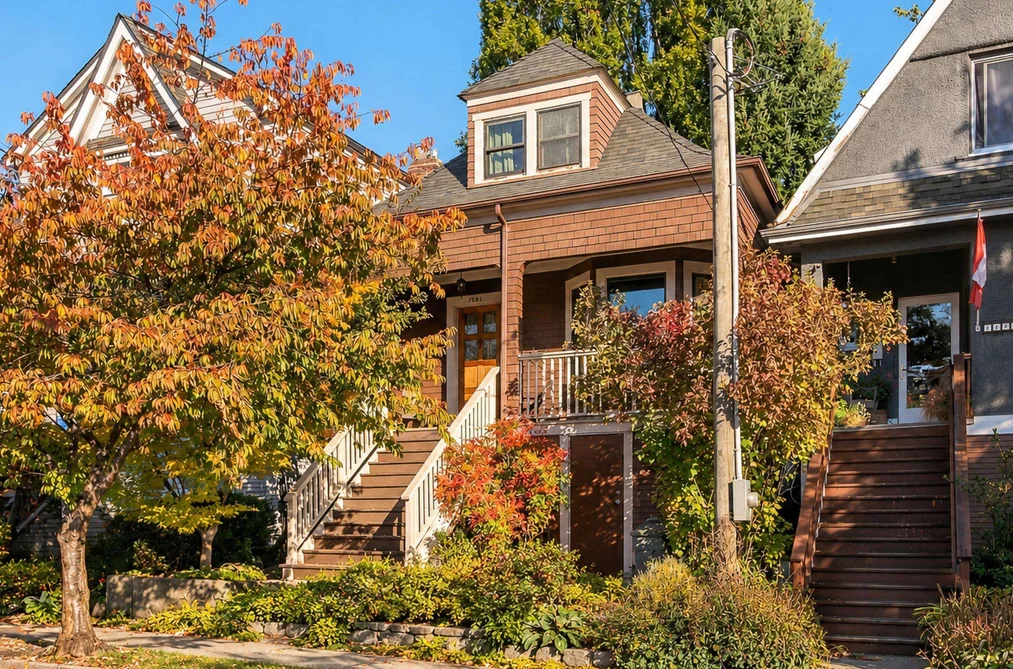
For Sale
1 day
- $1,399,000
- 3 bed
- 4 bath
- 1361 sqft
MLS® R3177842
•Stilhavn Real Estate Services
Open Sat, Oct 24, 2:30 p.m.
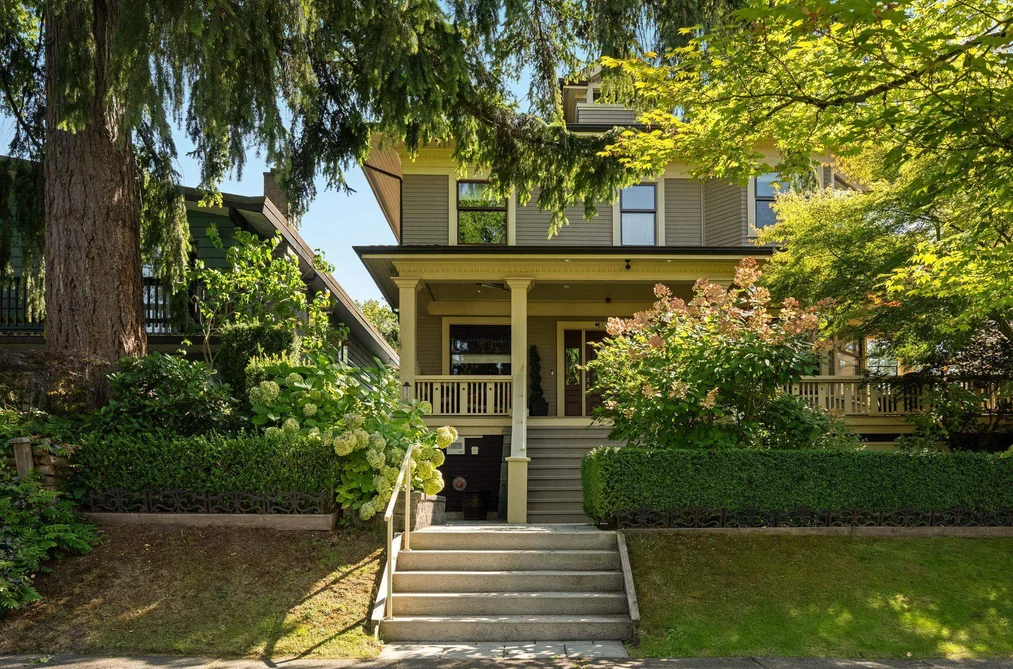
Browse Heritage listings across Greater Vancouver and confirm whether the property is formally designated before you plan any update or renovation.
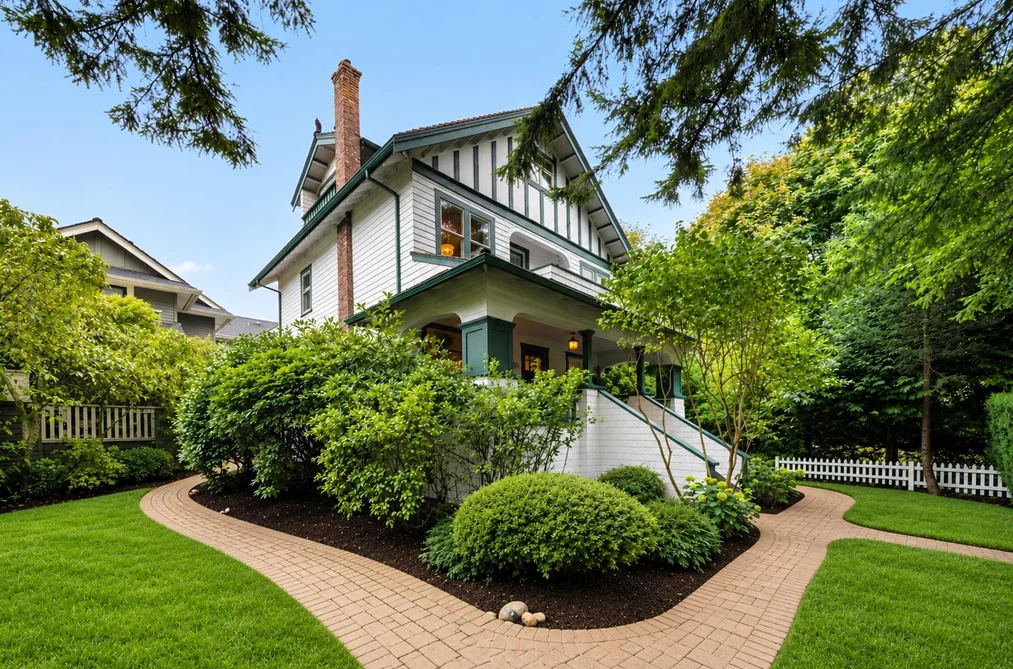
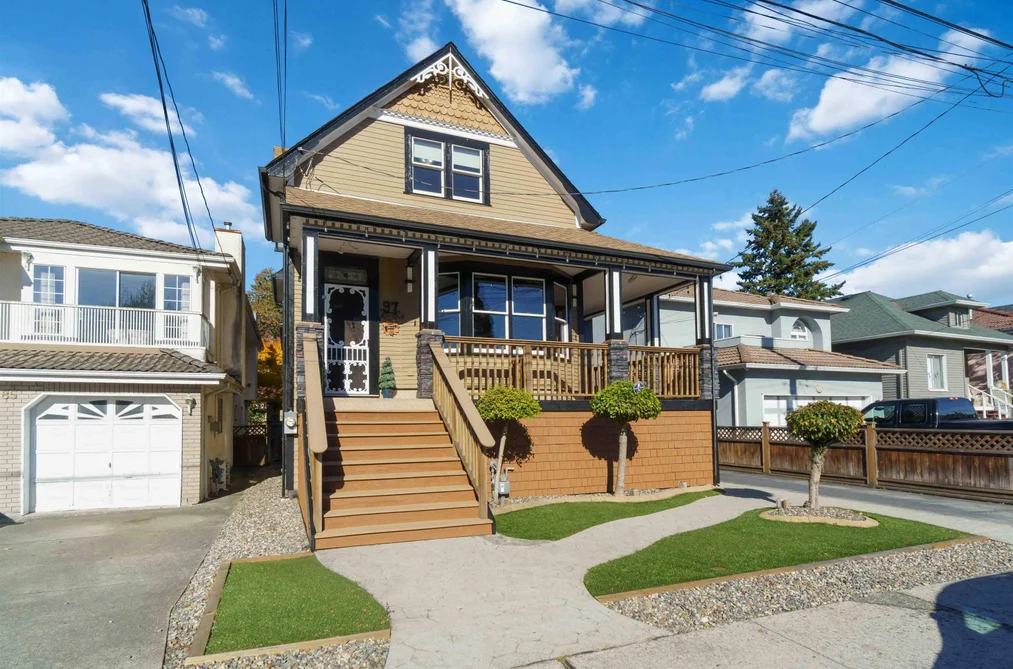
Heritage listings cover houses valued for their age and architecture, but only some carry formal protection, so establish which kind you are looking at before you plan a single change.
There are three quite different situations and one word for all of them. A house may simply be old and admired, with no status at all. It may sit on a municipal register, which is largely a listing and carries limited restriction. Or it may be formally designated by bylaw, which legally protects the building and controls what may be altered.
Only the third genuinely binds you, and it binds you completely: exterior changes, window replacement, roofing material and sometimes paint colour all require approval. Ask the municipality directly for the status of the specific address and get it in writing before you make an offer, because the listing will not reliably tell you.
Price is only the start. Original wood sash windows have to be restored rather than replaced, matching a slate or cedar roof costs a multiple of an asphalt one, and finding trades who work to that standard takes longer and costs more. A high-efficiency furnace, a new sewer line and drainage work are common early expenses on a house of this age.
Get a specialist inspection. A Victorian, Edwardian or Arts and Crafts house has failure patterns a general inspector will not recognise, and the difference between a house needing cosmetic work and one needing structural work is not visible from the street.
If the property is designated, assume nothing about the exterior is yours to decide. Interior work is usually freer, but not always, and a kitchen or bathroom update that touches the envelope can pull the whole project into review. Ask what the approval process involves, how long it takes and who sits on the panel.
Ask about the site as well as the building. Designation can restrict what else may be built on the lot, which matters if you were counting on adding a second dwelling. Check the street and the area too, since some blocks fall within a conservation area with its own rules.
Protection comes with genuine compensation in some municipalities: density bonuses, permission to subdivide or add a suite, tax relief and grants toward restoration. A heritage revitalisation agreement can be worth a great deal, and it is negotiated per property rather than granted automatically.
Ask whether one is already in place and what it commits the owner to, because it transfers with the home. That single document often decides whether one of these houses is a value opportunity or an expensive obligation.
Ask who has held the office file as well. Municipalities keep a record for these properties, and it often shows earlier applications, refusals and conditions that tell you how the panel has treated the address in the past. That history is the best guide you will get to how a future application would go.
The stock concentrates in the older neighbourhoods, with Kitsilano, Mount Pleasant, Strathcona, the West End and parts of North Vancouver holding the most, and each area pricing its housing differently. Values here track condition and status more than square footage, so a well-restored house and a tired one on the same street can sit far apart.
Browse and compare current heritage real estate for sale on Strawhomes, filter by neighbourhood, and shortlist only after the municipality has confirmed the status in writing. Compare each against a period house with no formal status, which offers similar architecture and none of the restrictions.