For Sale
3 days
- $2,450,000
- 5 bed
- 5 bath
- 6193 sqft
MLS® R3163820
•Royal LePage Elite West
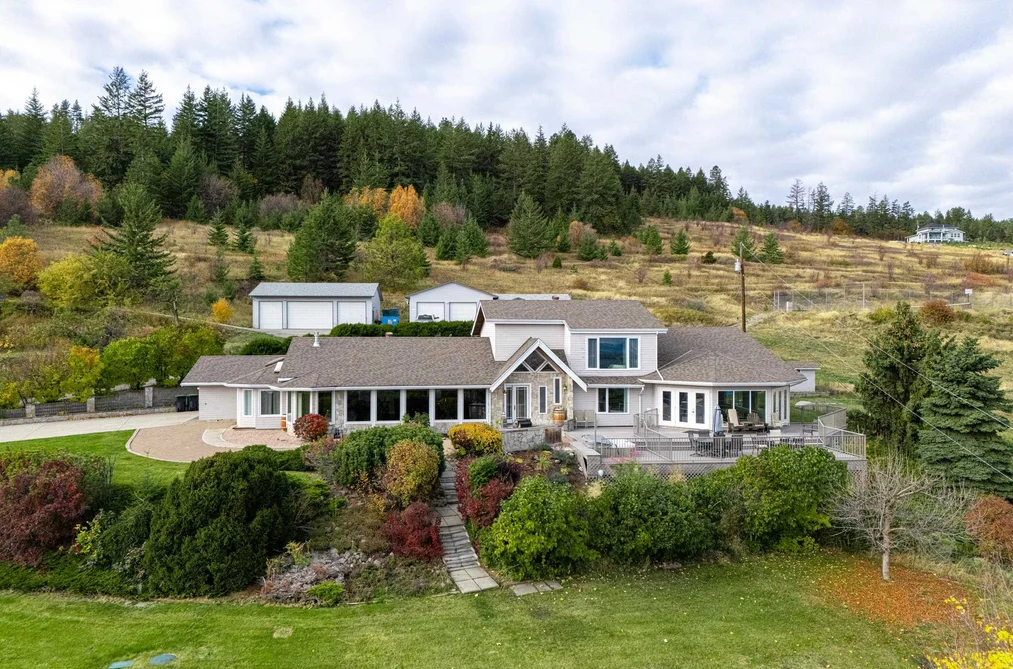
Browse Guest House properties for sale in British Columbia and check whether the second building is permitted as a dwelling and how it may be used before you offer.
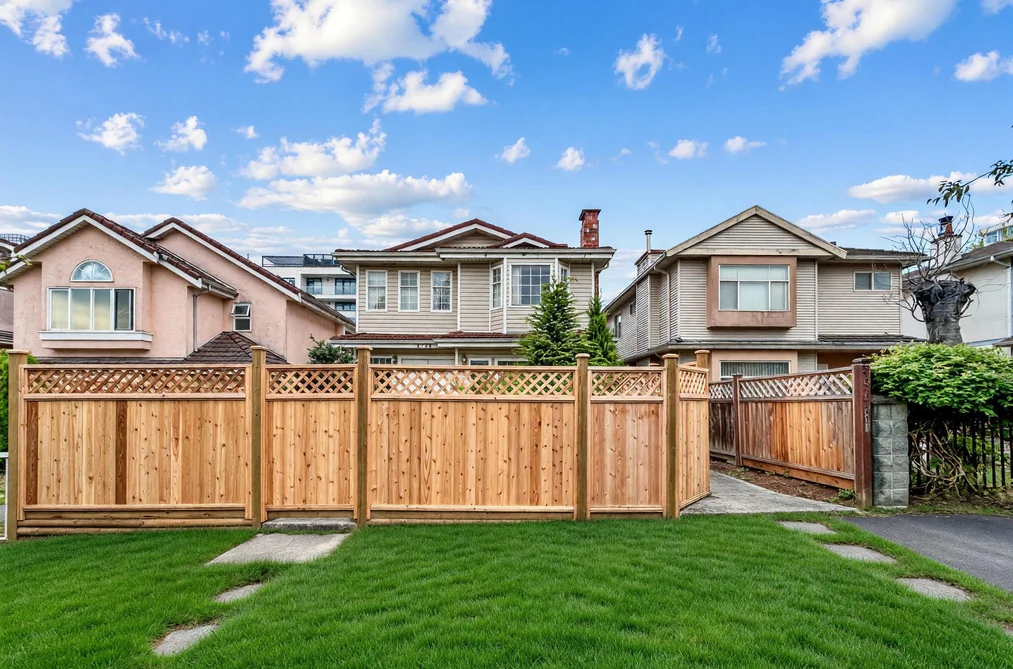
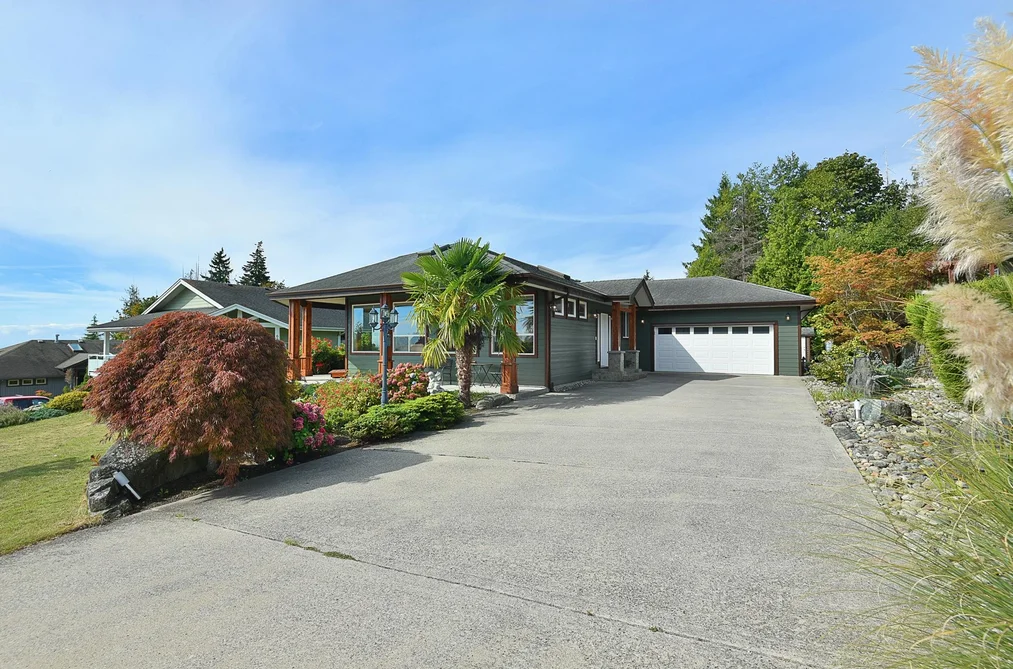
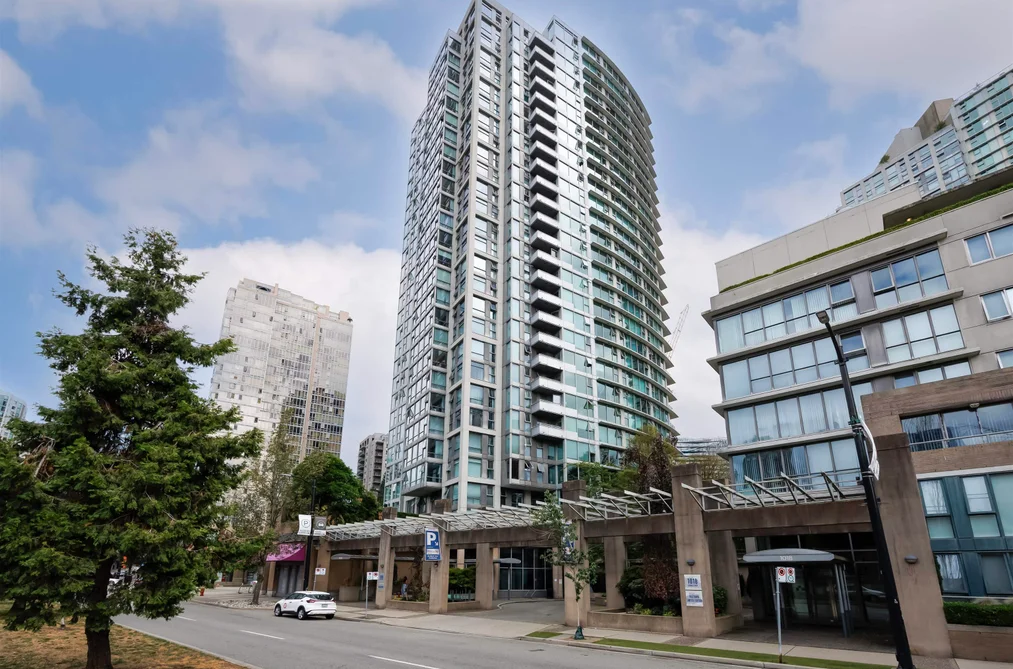
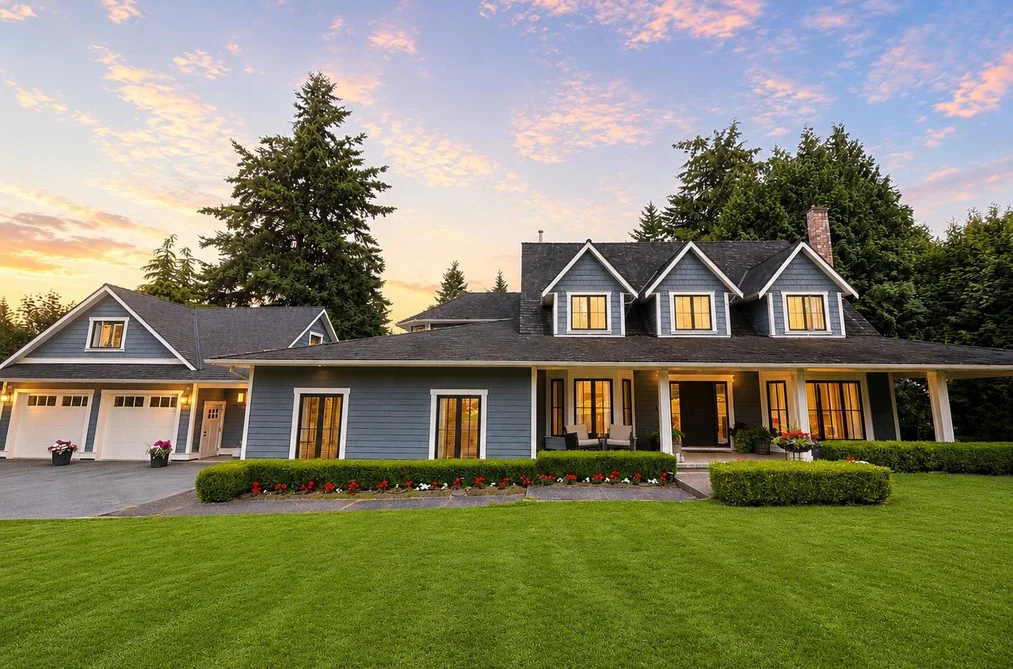
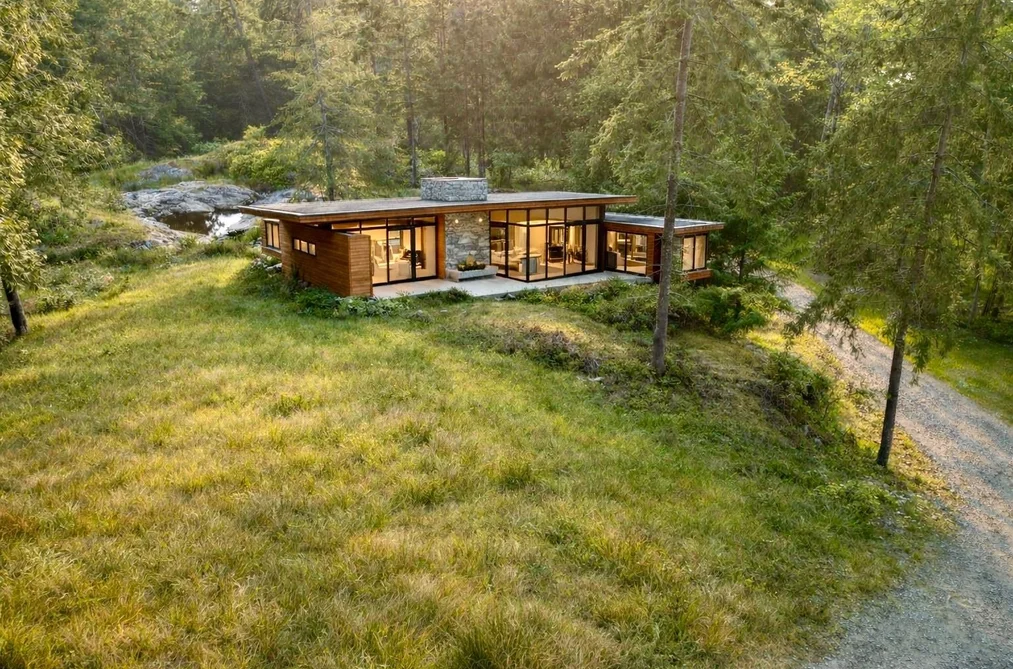
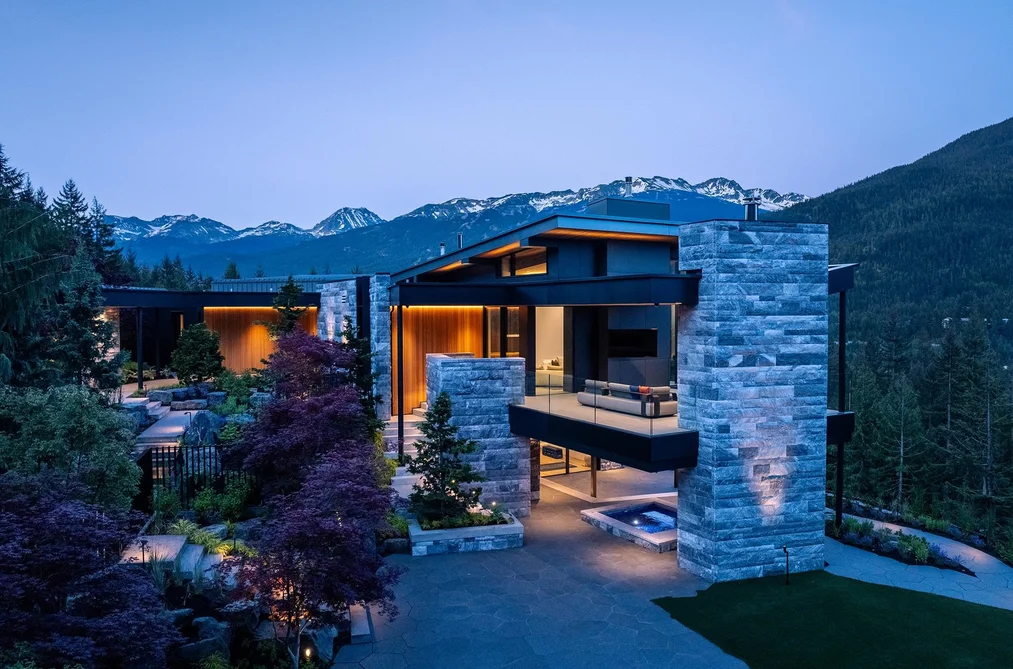
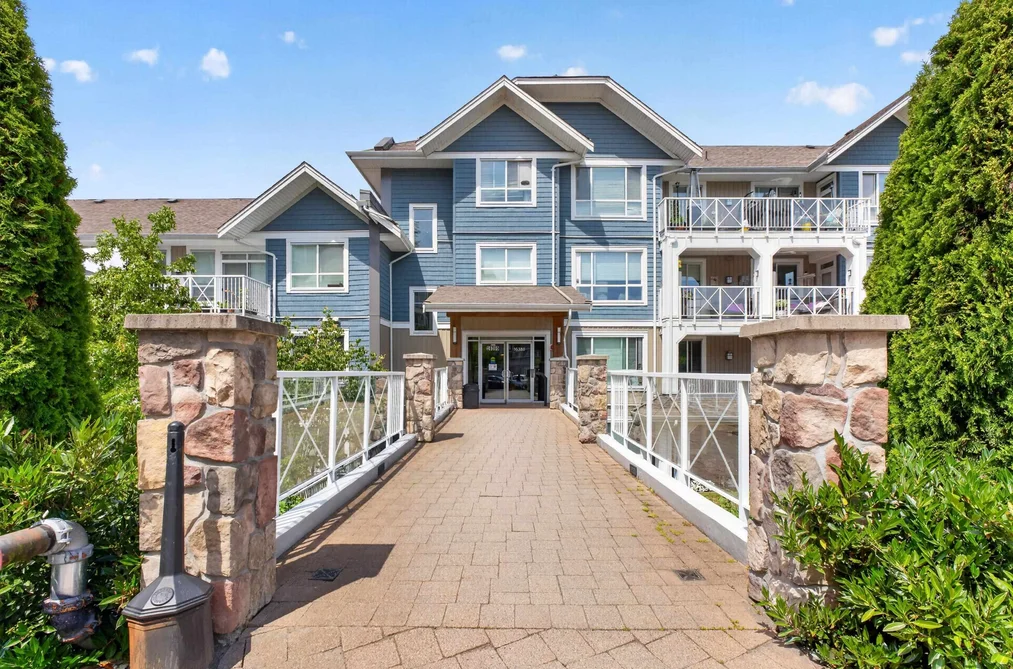
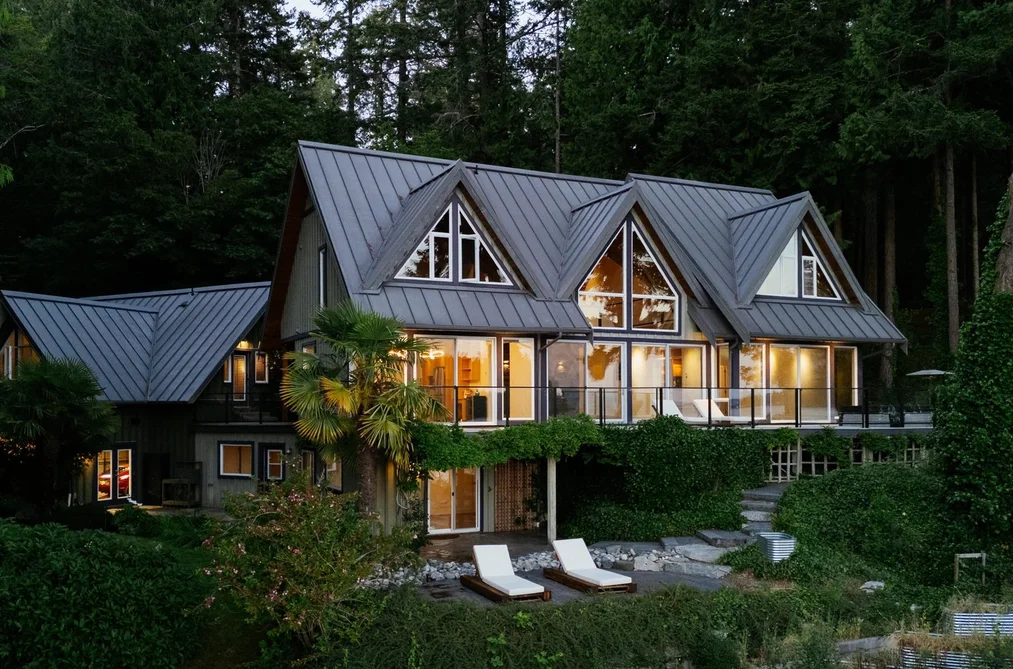
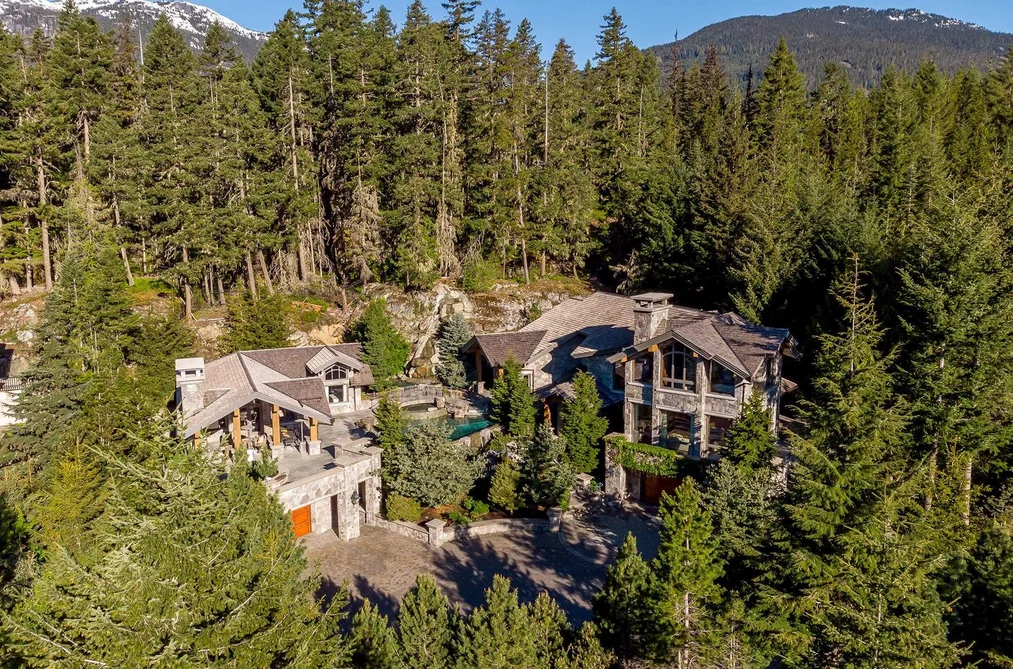
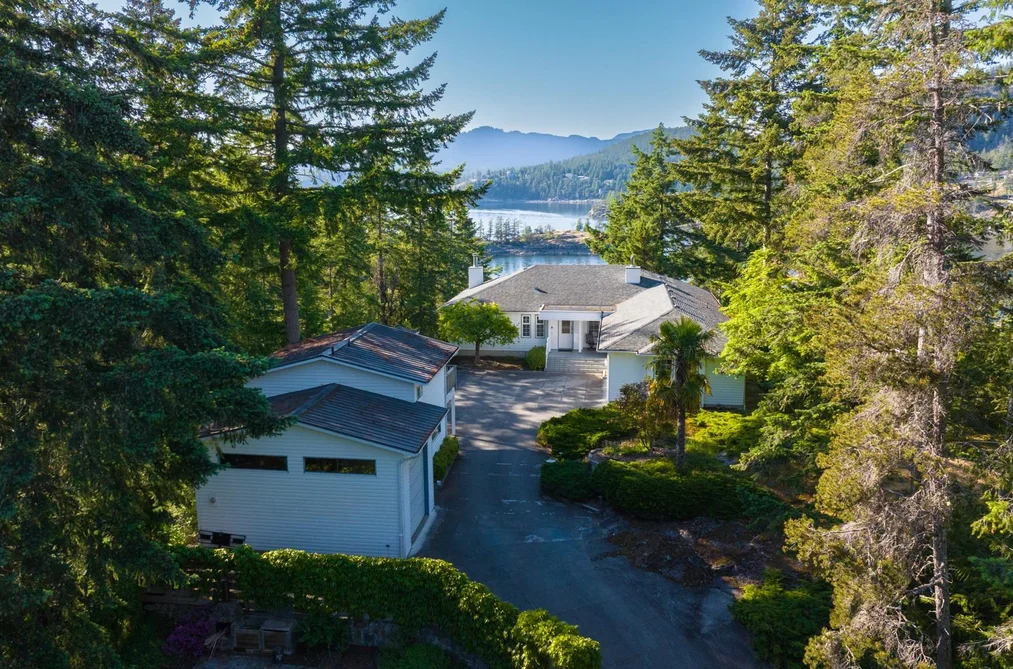
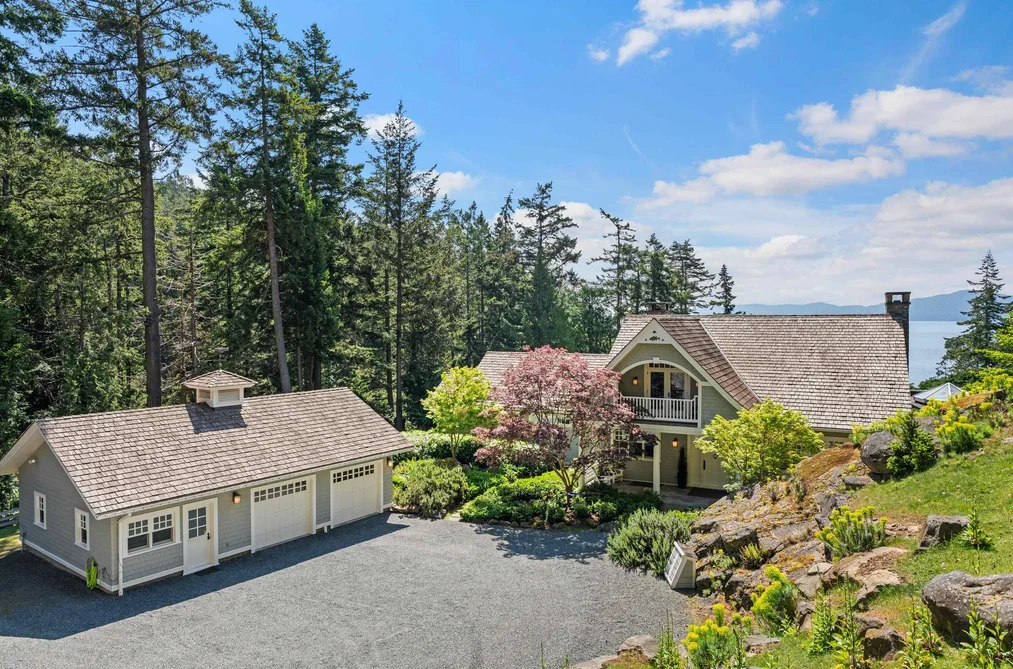
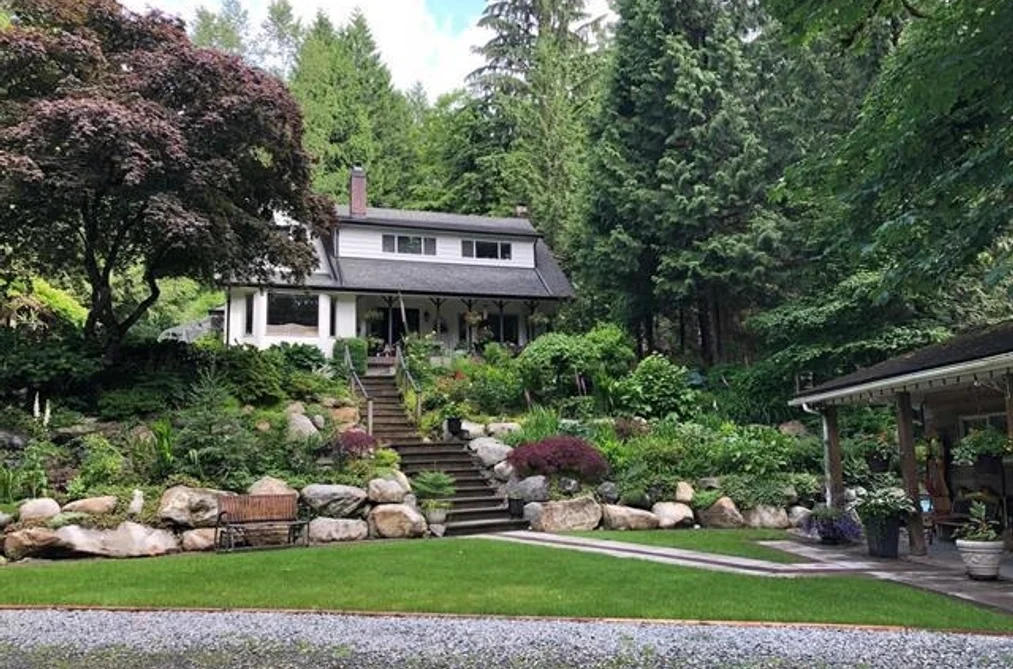
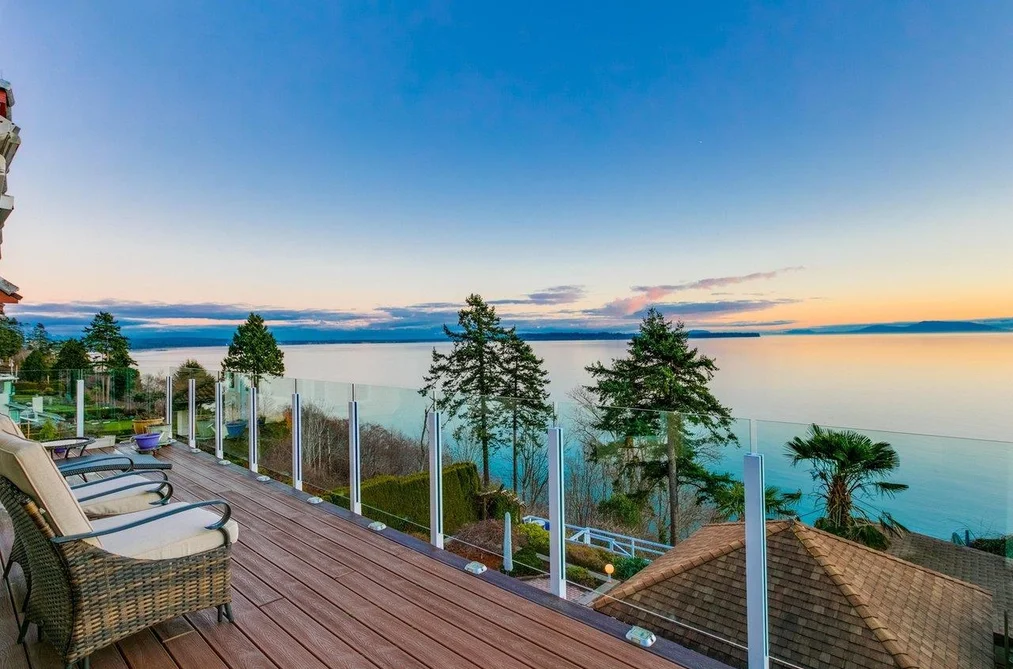
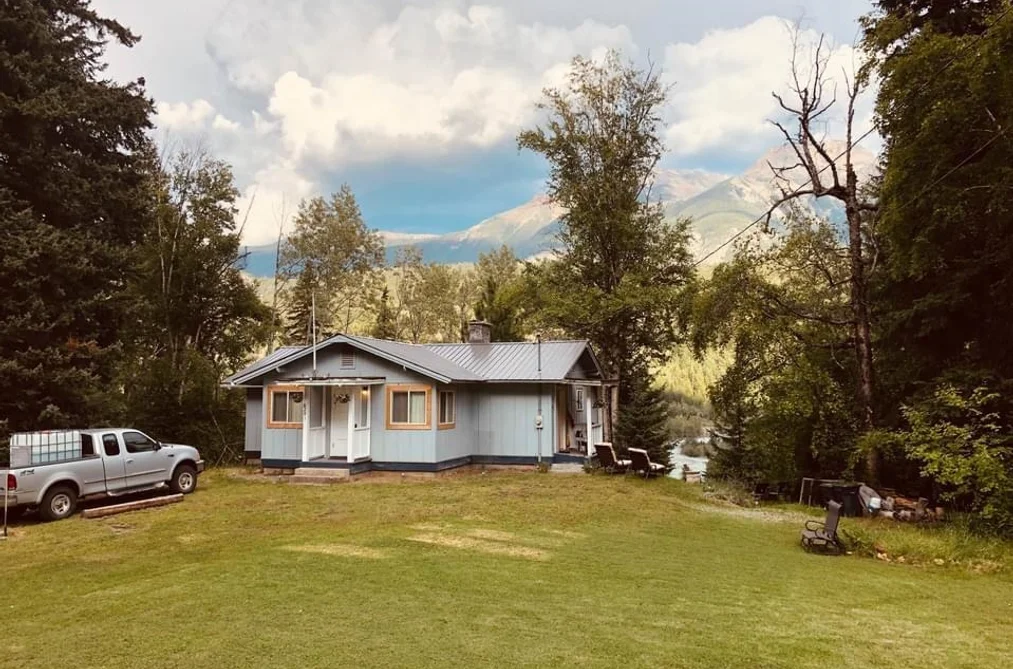
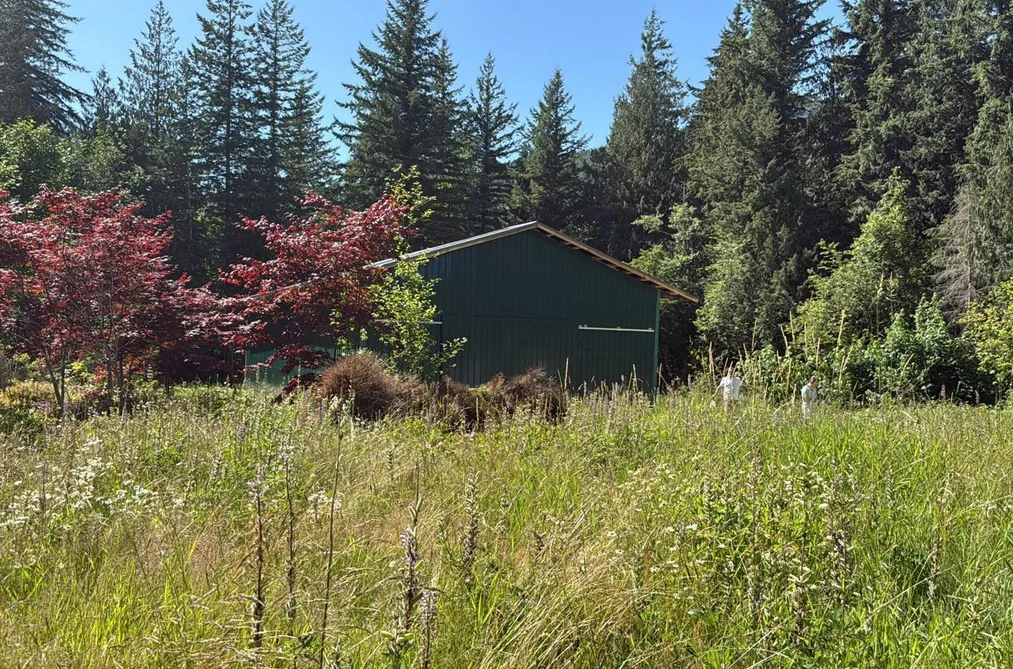
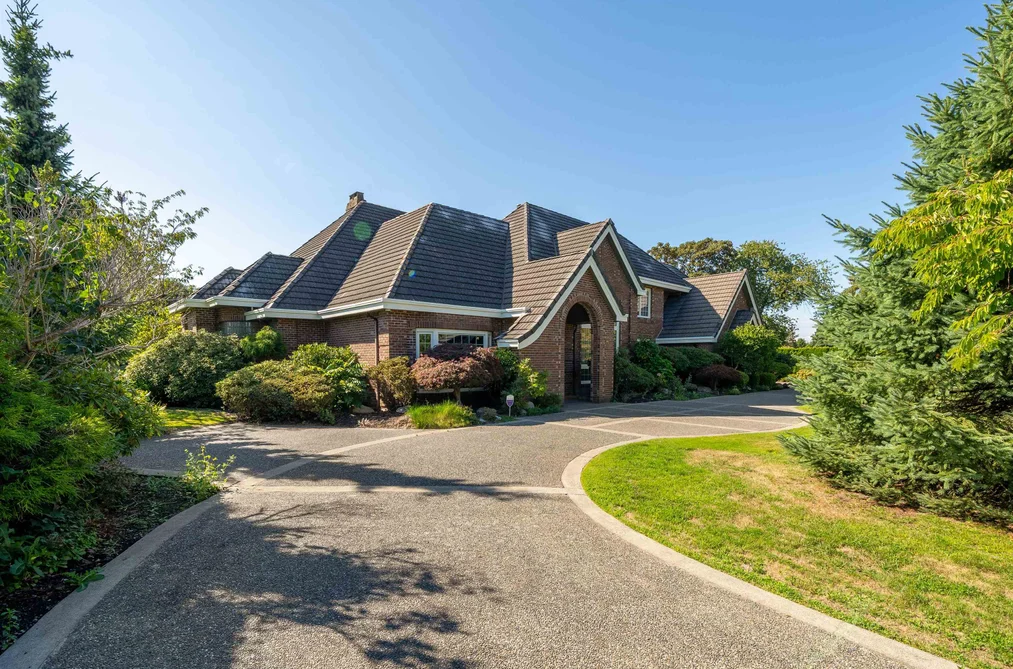
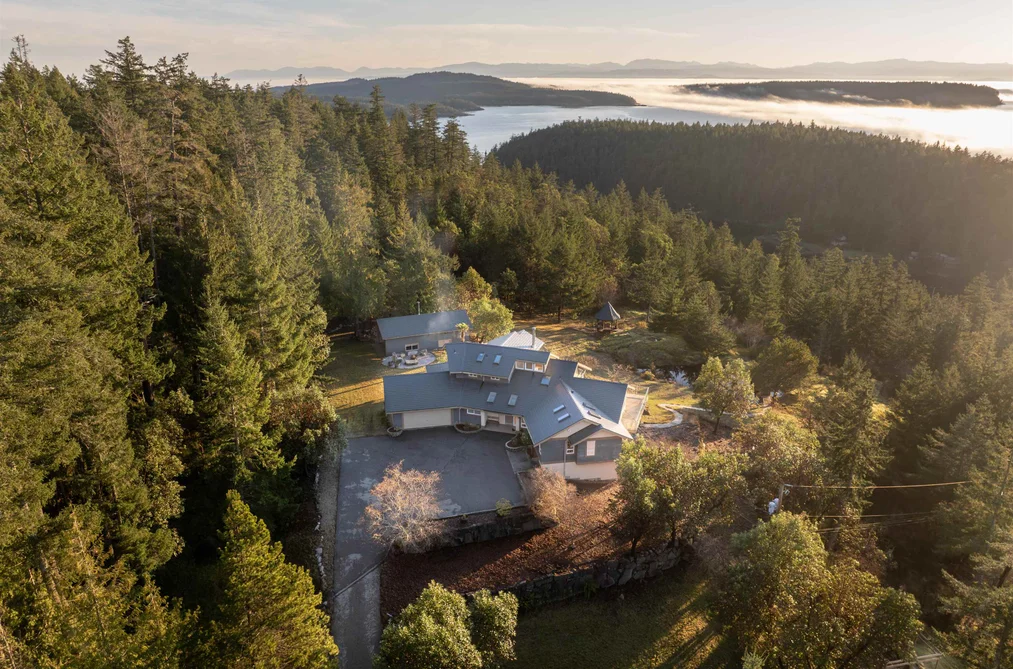
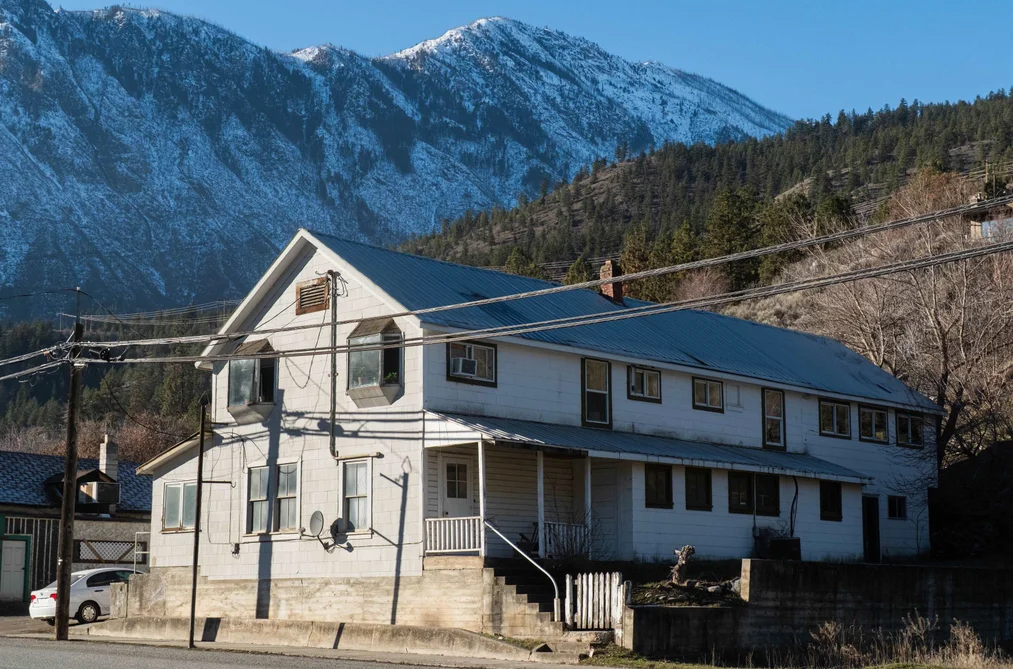
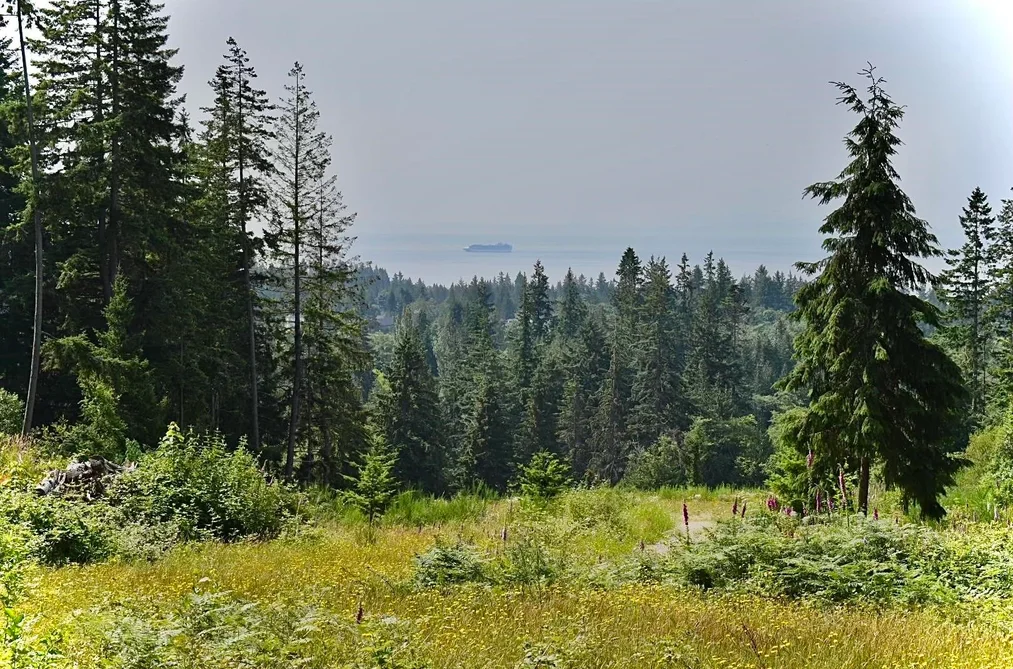
Guest House listings describe properties with a separate building for visitors, from a cottage on an estate lot to a small suite beside the main home, so confirm what the second building is permitted to be before you plan to use it for family, guests or rental.
The phrase covers buildings with very different legal status. Some are permitted dwelling units with their own kitchen, bathroom and address. Others are permitted as accessory buildings, such as a studio or pool house, where a kitchen or sleeping may not be allowed. Some were built or converted without permits. Ask the listing agent for the permit history and confirm with the municipality what the building is approved for.
The answer decides what you may do with it: house a parent, host guests, work from it, or rent it. A building that is not permitted as a dwelling can create problems with insurance and financing, and the municipality can order changes.
If you hope to rent the guest house, check the zoning and the rules on long-term and short-term rentals. Provincial rules now limit short-term rentals in many communities to a host's principal residence, and some municipalities restrict or license them further. A guest house permitted as a secondary dwelling may be rentable long term; one permitted only as an accessory building usually is not.
Some listings with this name are actually bed and breakfast or guest house businesses. If that is the case, ask for the business licence, the revenue history and whether the use can continue under your ownership.
Check how the second building is served: whether it has its own water, sewer or septic connection, electrical panel, heating and meter, or shares them with the main home. Separate services are easier to manage and to rent. Look at the path between the two buildings, the parking for guests, and how much privacy each building gives the other.
Inspect the guest house as carefully as the main home: its roof, foundation, drainage, windows and systems. A charming cottage can hide an old roof or poor insulation, and a building used only occasionally may have plumbing or moisture problems that nobody noticed. Run the taps, check under the sinks and look for damp in closets and corners.
A guest house adds flexibility for extended family, visiting friends or a home office, and on larger residential lots in Vancouver, West Vancouver and across British Columbia it can add real value. It also doubles some costs: insurance, maintenance, utilities and property tax. Compare the property with similar homes without a second building to see what the market pays for it.
Provincial changes have allowed more units on many residential lots, which may make it easier to permit or add a second dwelling. Ask what the current zoning allows on the property and whether the existing guest house could be legalised or replaced with a larger unit.
Supply is small, with estate properties in West Vancouver, Vancouver and the Fraser Valley and more across Vancouver Island and the coast. Browse and compare current houses for sale on Strawhomes, filter by area and lot size, and shortlist only the properties whose second building you have confirmed with the municipality. Ask a real estate agent who knows the area to compare recent sales. Compare them against a carriage / coach house or a home with a legal suite inside the main house.