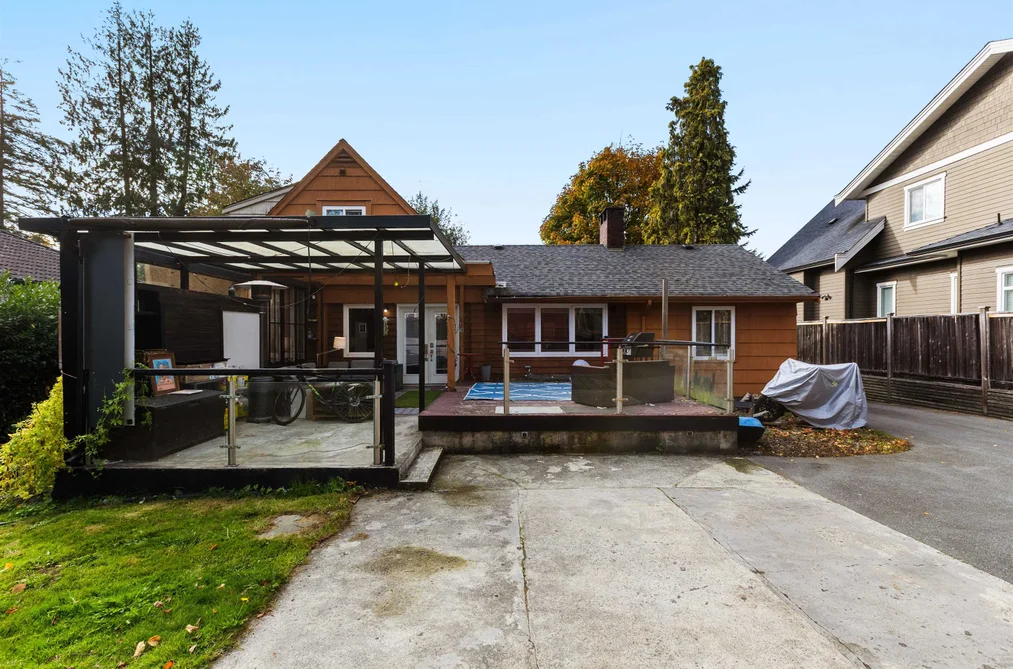
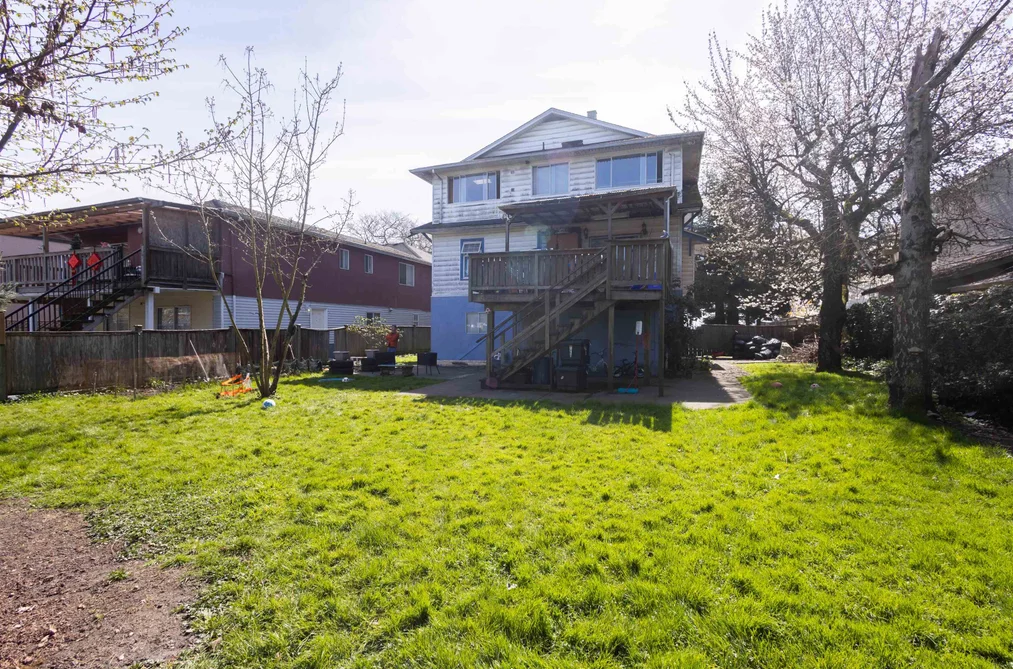
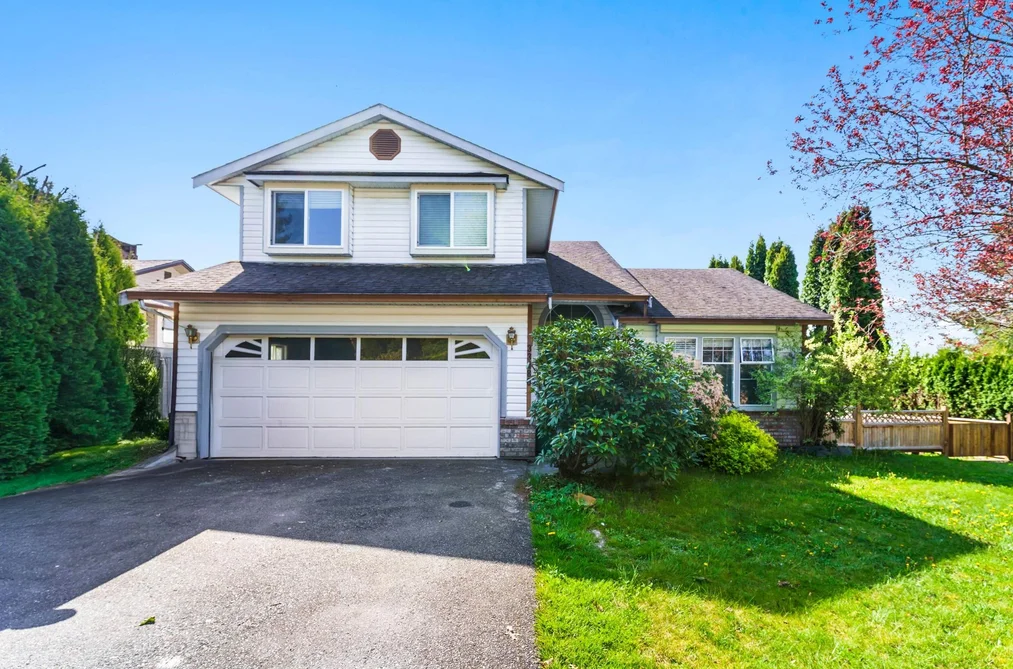
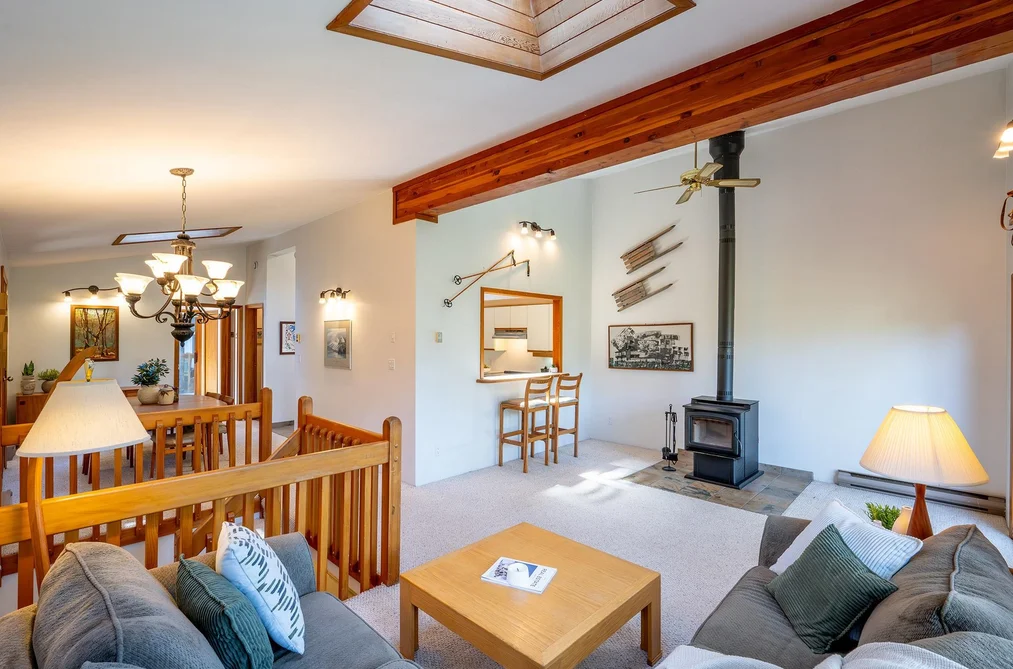
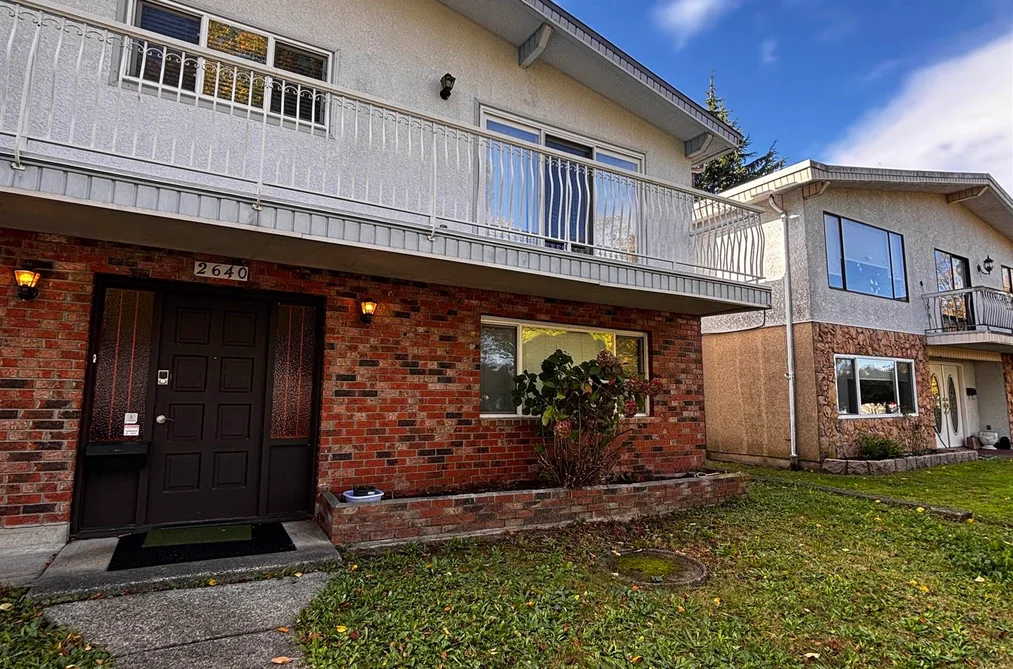
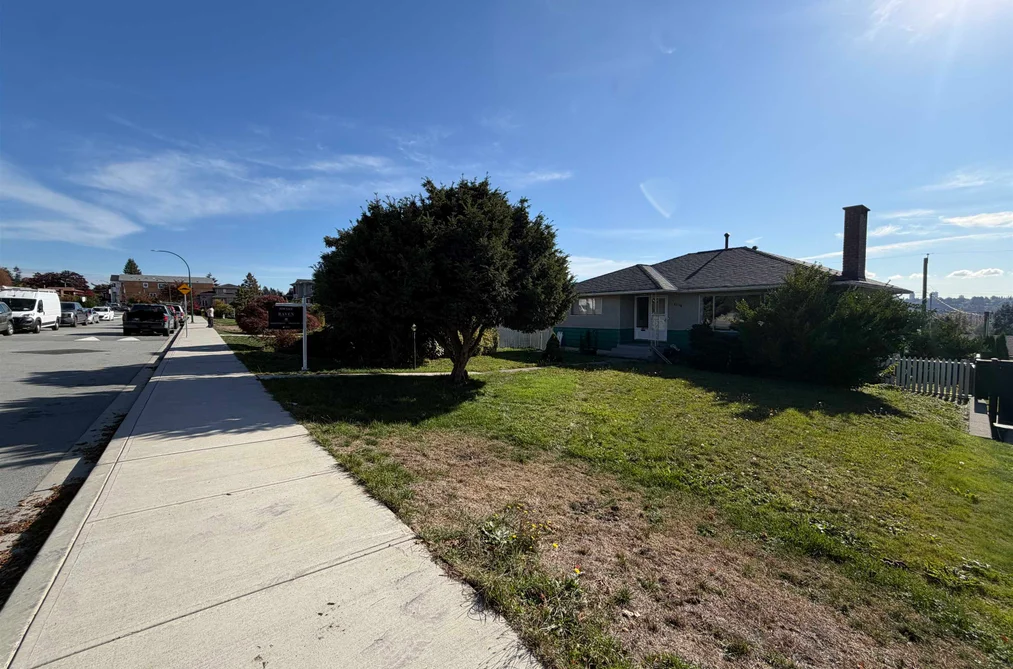
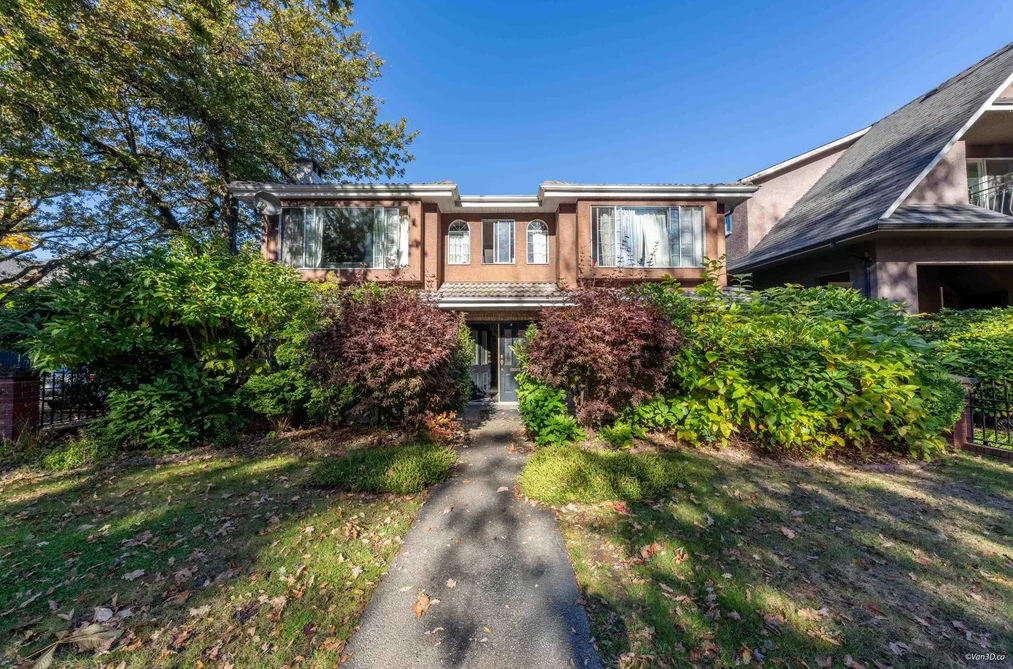
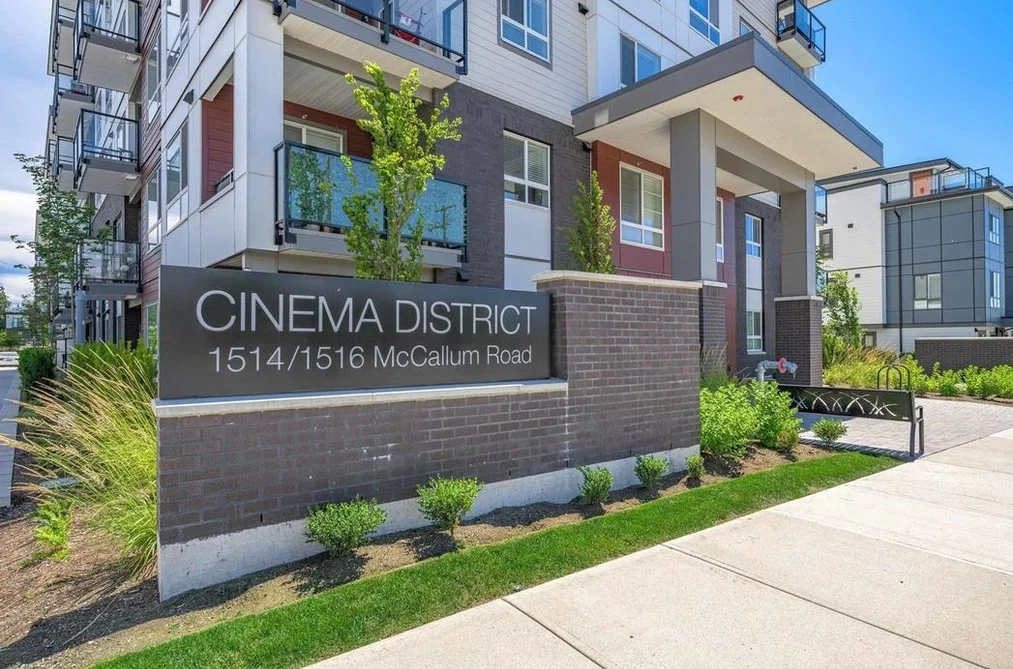
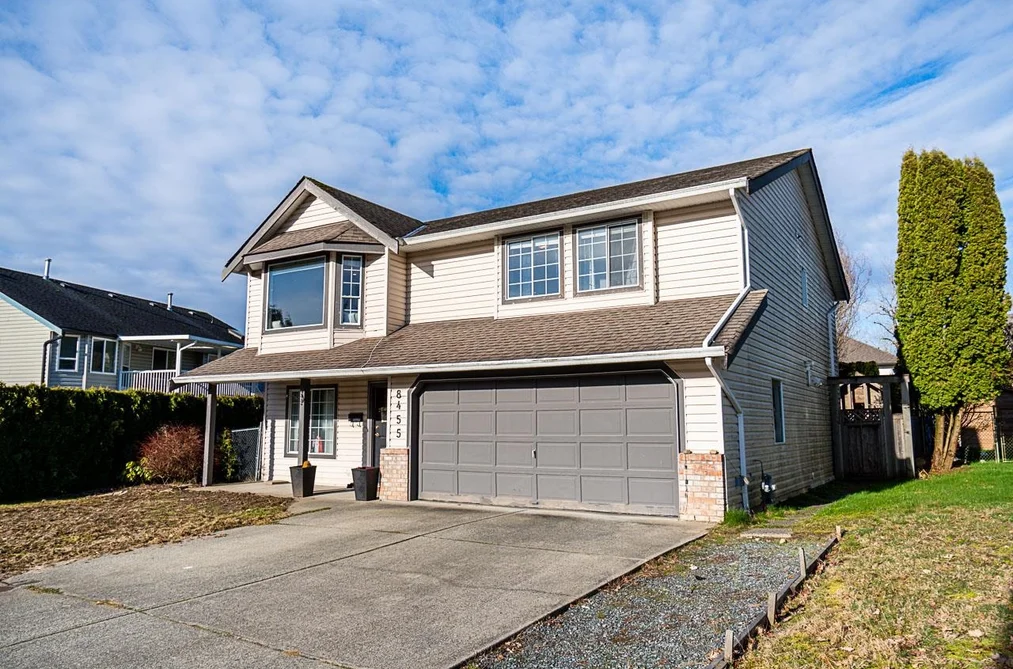
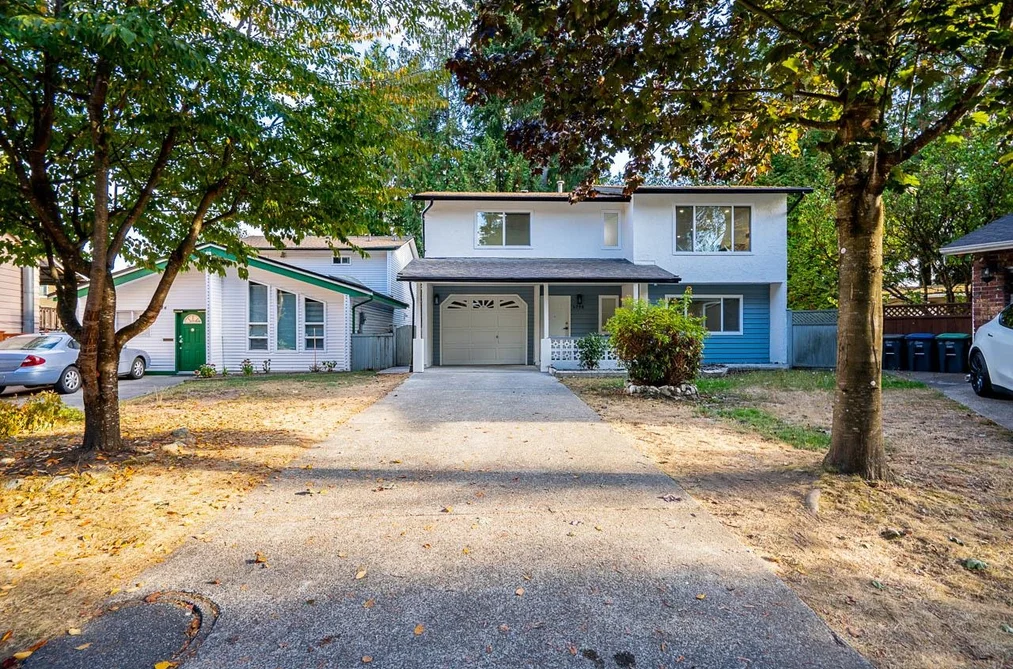
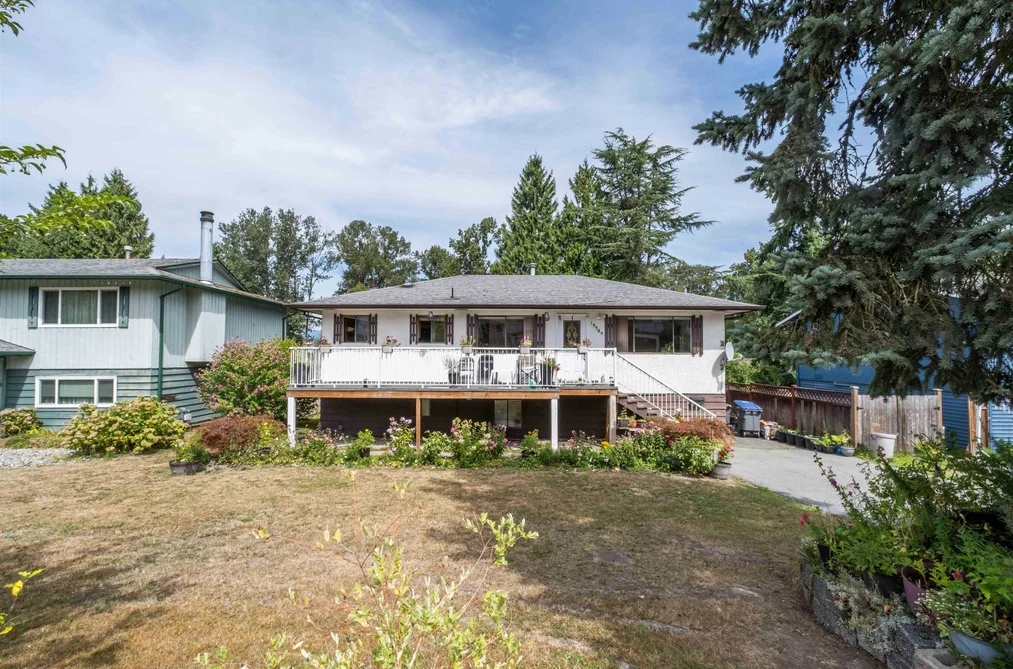
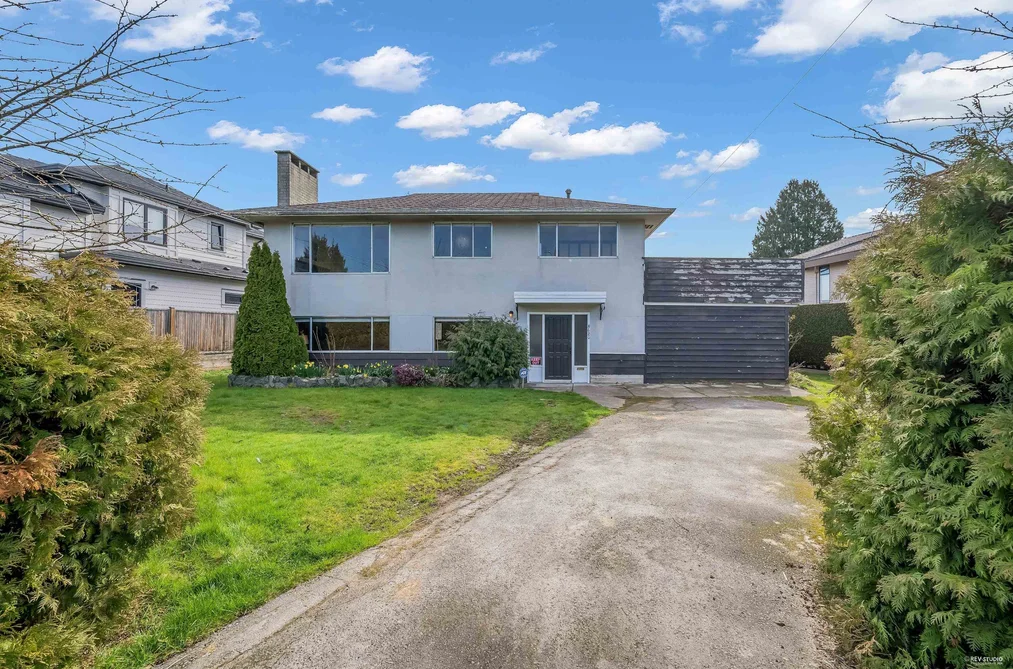
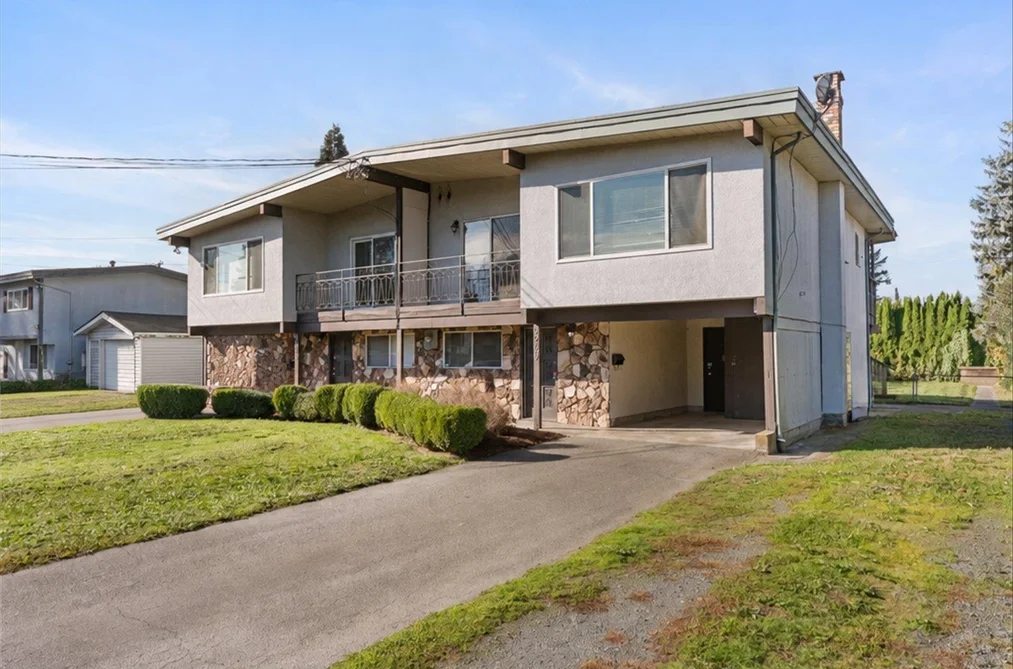
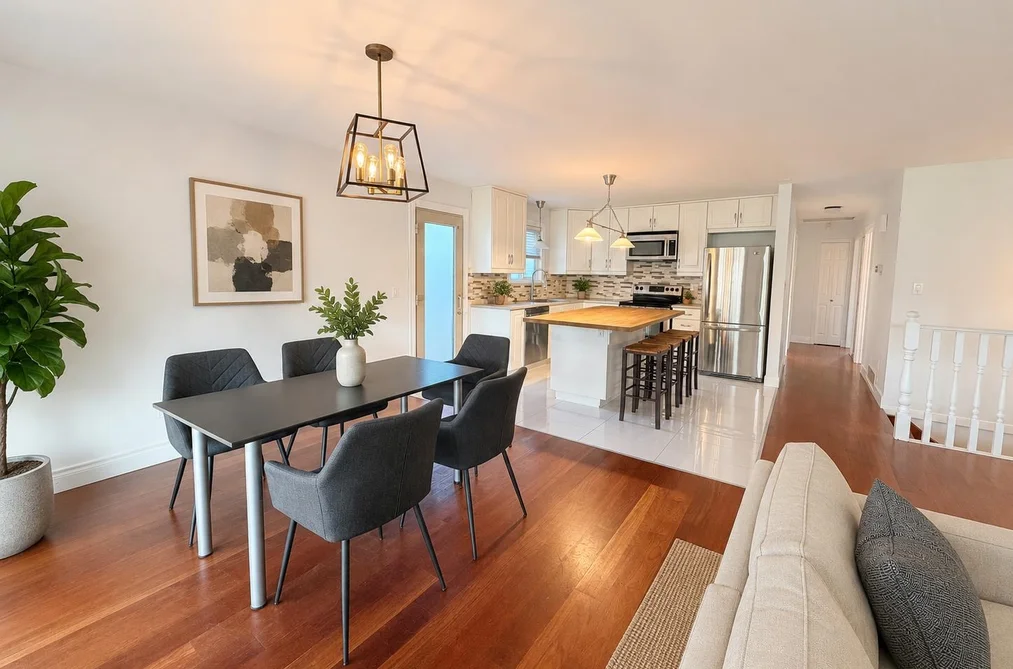
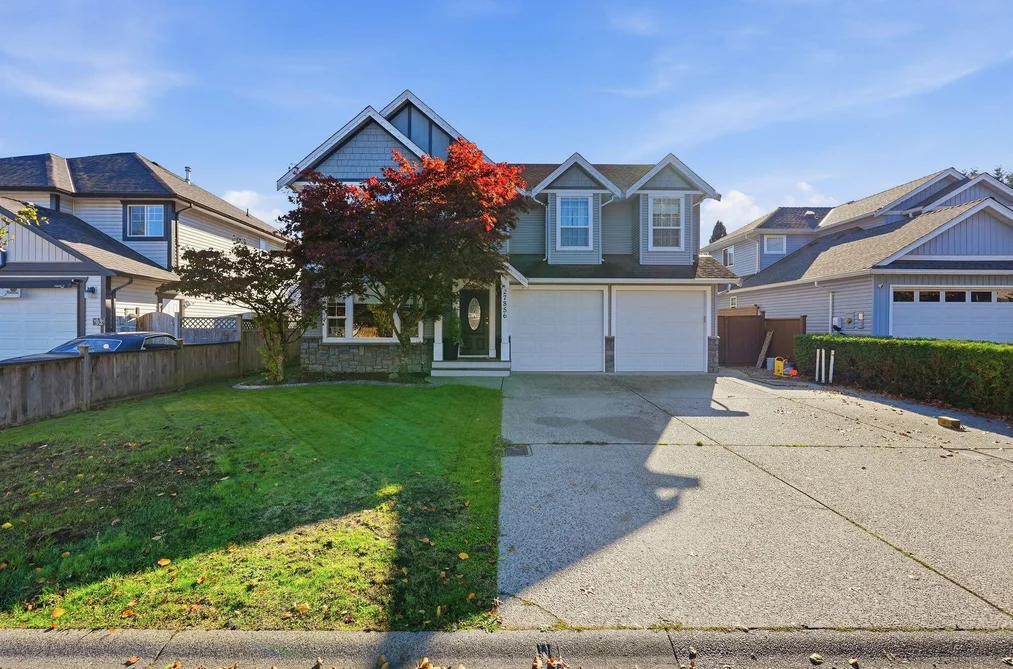
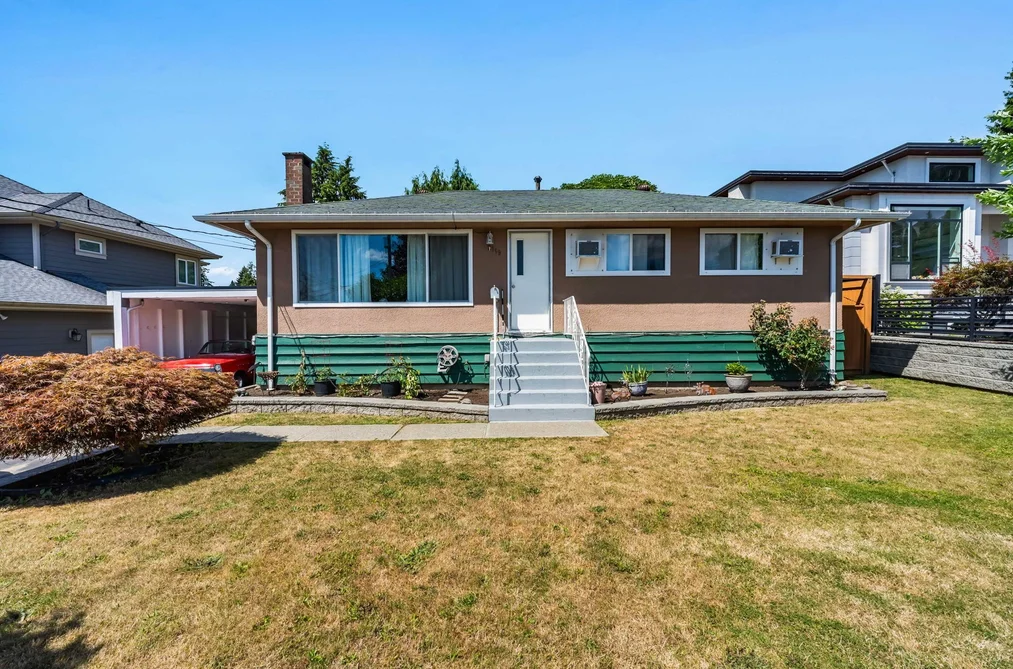
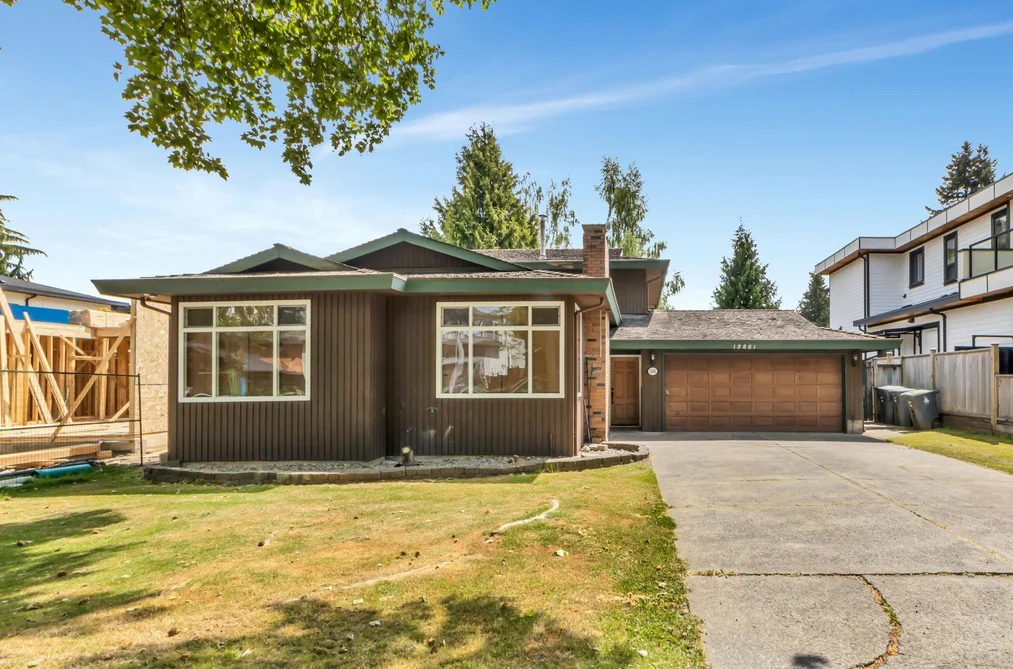
For Sale
1 day
- $1,795,000
- 8 bed
- 7 bath
- 4804 sqft
MLS® R3177117
•Nationwide Realty Corp.
Browse Rental Income homes for sale in Greater Vancouver and check suite permits, tenancy agreements and what a lender will count before you write an offer.
Rental Income on a Greater Vancouver home only helps your purchase if the suite is legal and your lender will count it, so confirm both before you write an offer.
Lenders do not treat a suite the way a listing does. Most will count only a portion of the documented rent toward your qualifying income, and the share varies by lender and by whether you will live in the home yourself. Ask your mortgage professional to run your file both ways before you shortlist, because current mortgage rates and the stress test decide the price you can carry more than the figure quoted on the listing does. Bring the signed tenancy agreement rather than an estimate, since a suite rented well below the local rental market still qualifies at the rent actually being collected.
Request the permit history from the seller and confirm it against the municipality's own records. Burnaby, Surrey, Coquitlam and the City of Vancouver each treat secondary suites and laneway homes differently, and an unpermitted suite can be ordered closed, which removes the income you budgeted around. Ask about separate hydro metering, egress windows, ceiling height and fire separation, because those are the items that turn an unregistered space into a permitted one and they are expensive to retrofit. In British Columbia the Residential Tenancy Act governs the arrangement whether or not the suite is permitted, so read it before you assume you can reclaim the space on possession day.
Cash flow is the honest test. Set the rent against the mortgage, the property tax, insurance priced for a tenanted home, the utilities you may still cover, and a realistic vacancy rate between tenancies. A house with a suite is not the same purchase as the investment properties a lender underwrites at a higher rate, but it carries some of the same work: repairs, turnover and a share of your evenings. Ask the seller for the past two years of statements, and ask your accountant how declaring the income affects your principal residence exemption when you eventually move on.