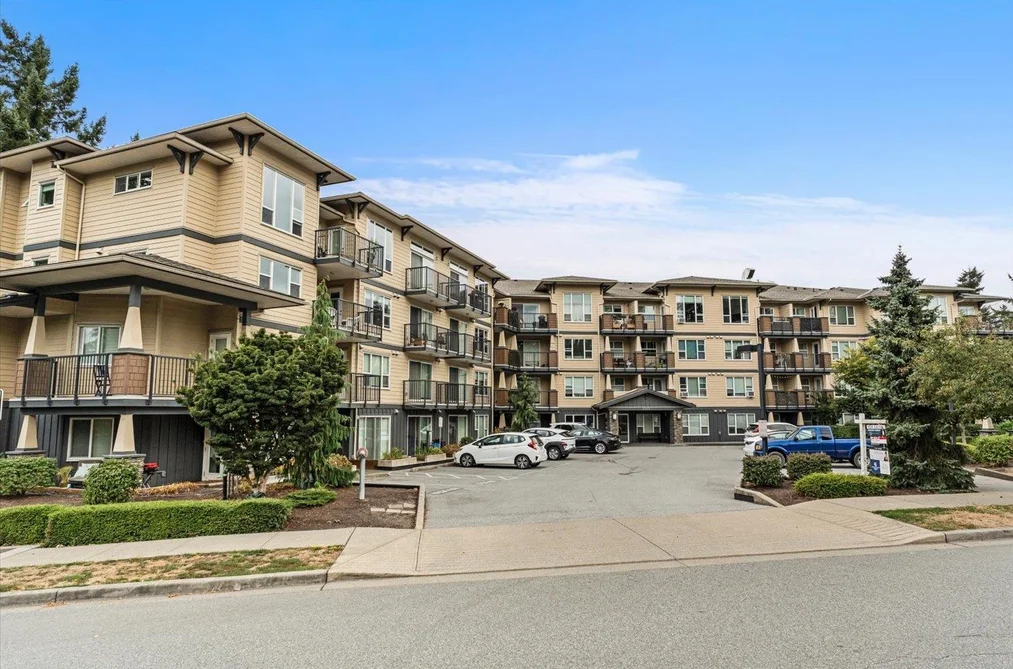
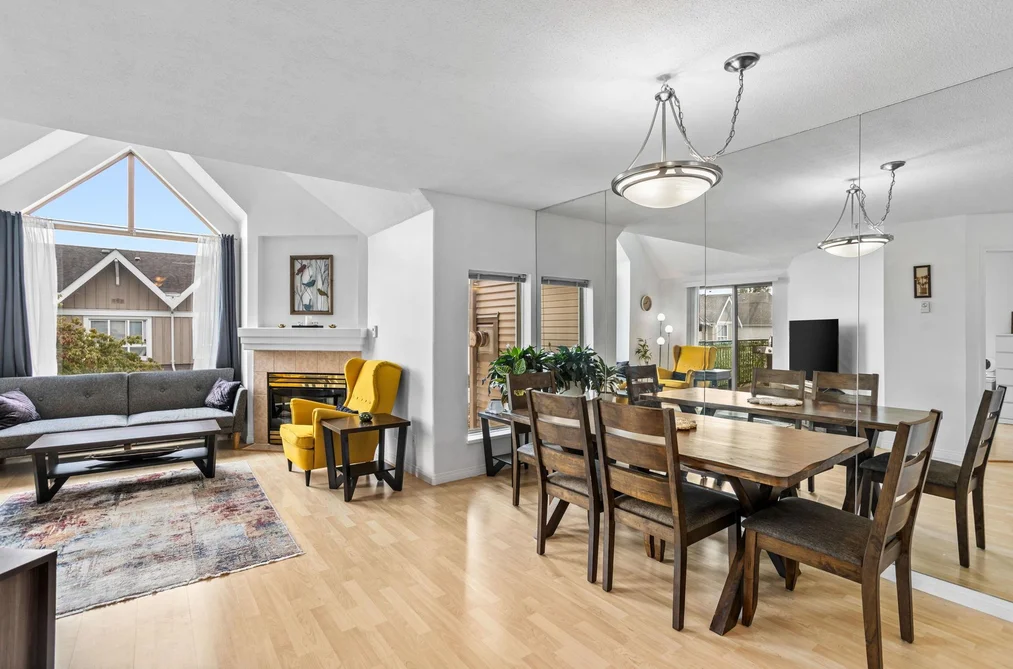
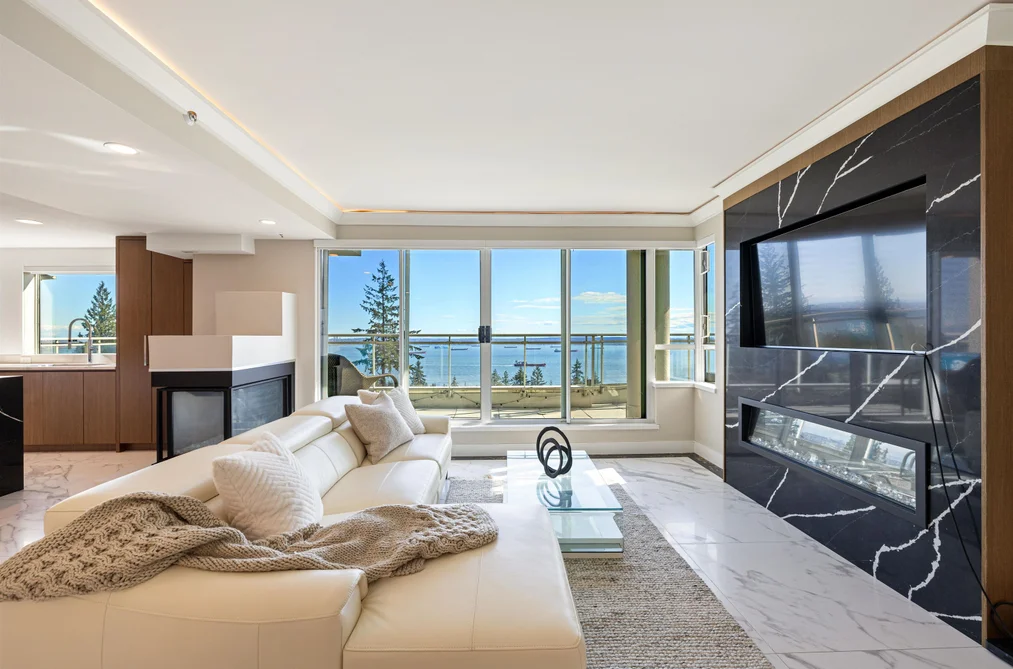
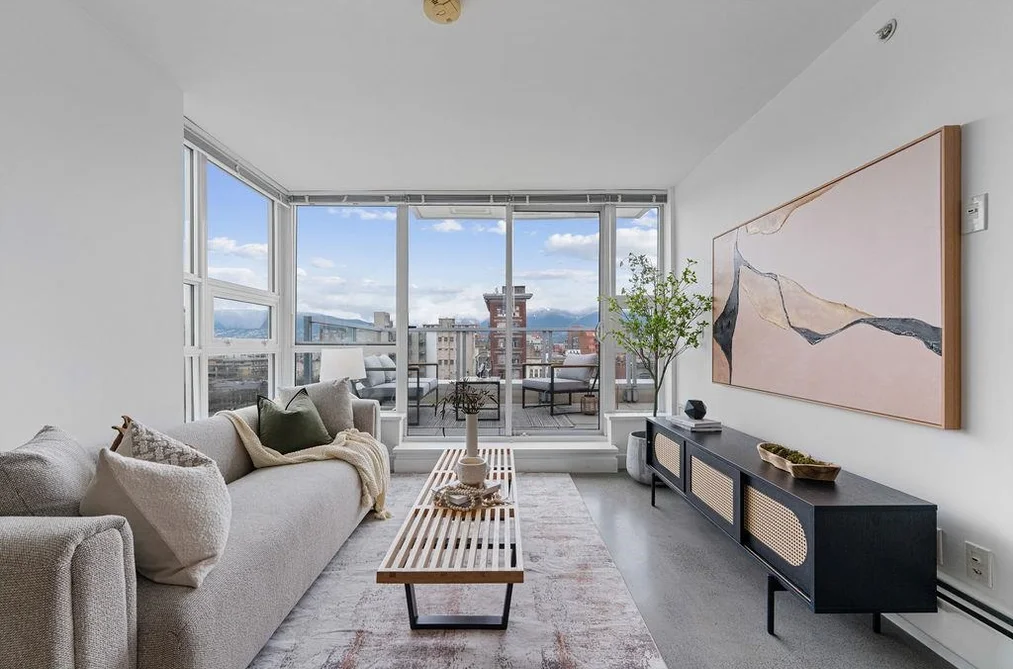
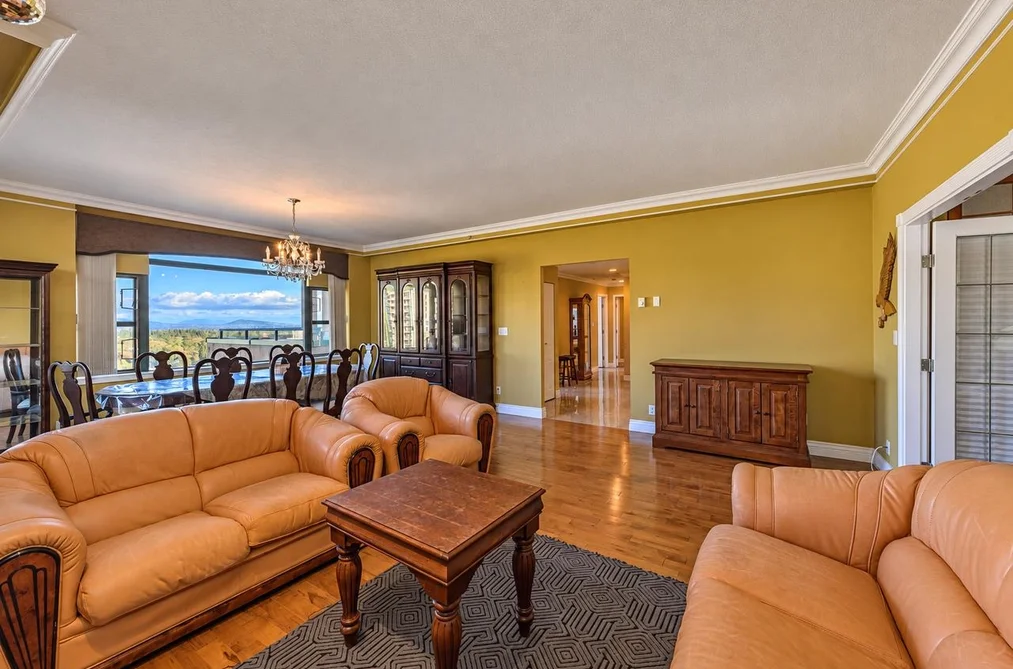
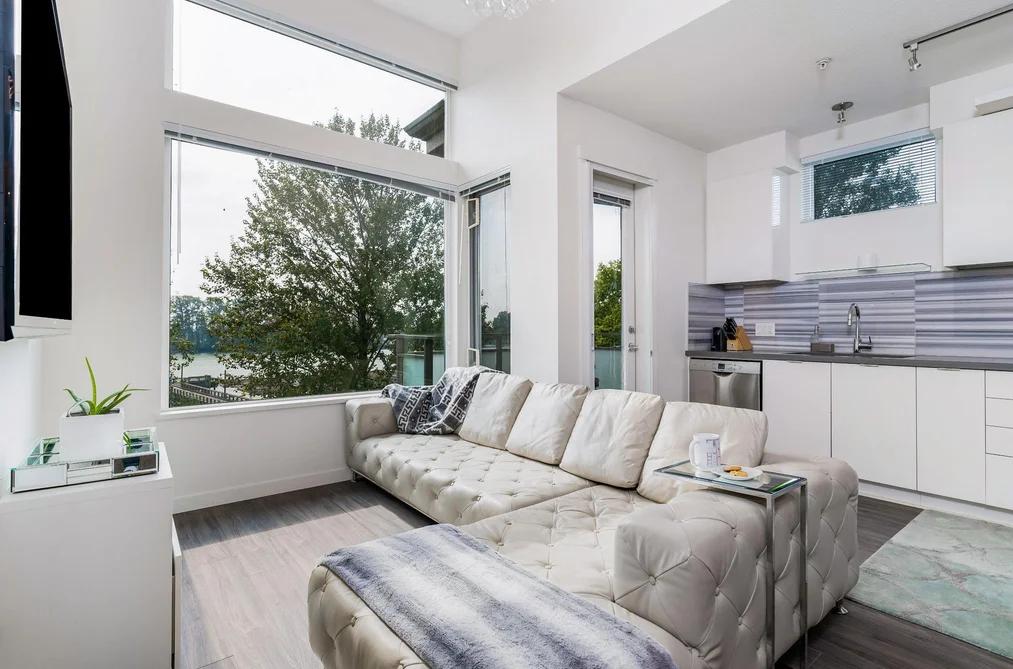
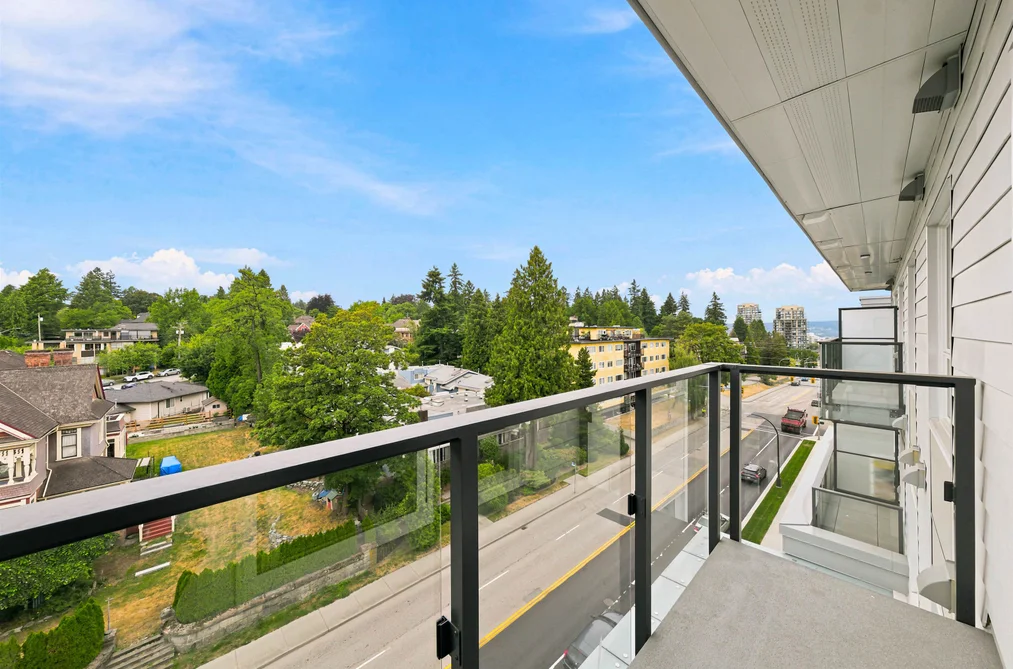
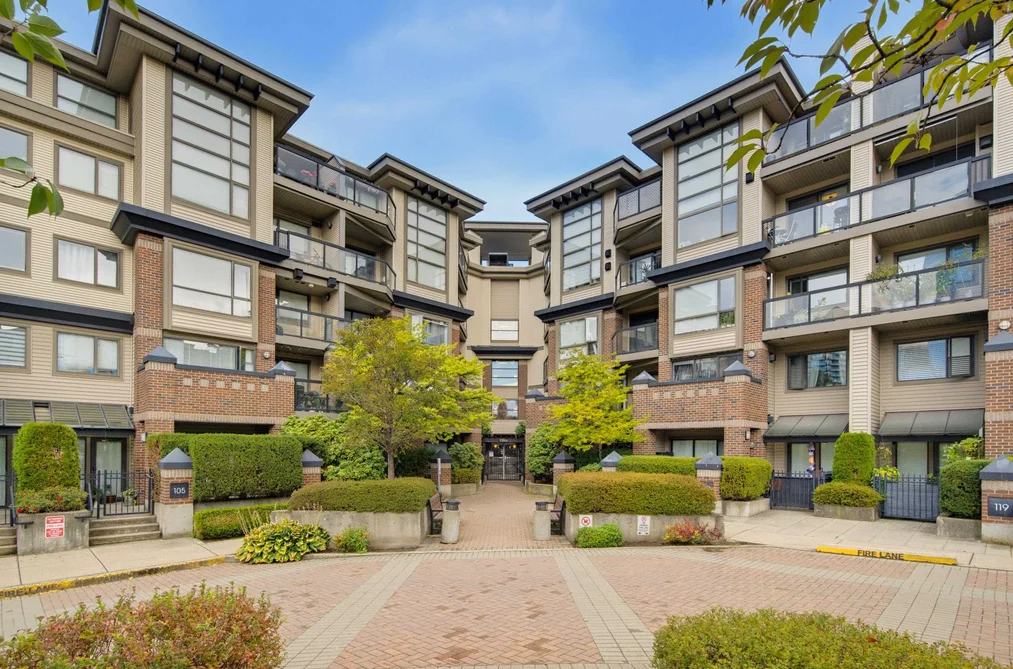
For Sale
1 day
- $899,000
- 2 bed
- 2 bath
- 1893 sqft
MLS® R3177839
•Homelife Advantage Realty Ltd.
Browse penthouse condos for sale in the Lower Mainland and compare floor, outlook and strata fees before you book a showing on a top-floor home.
Penthouse listings are not a defined category, so establish what a given building actually means by the word before you accept the premium attached to it.
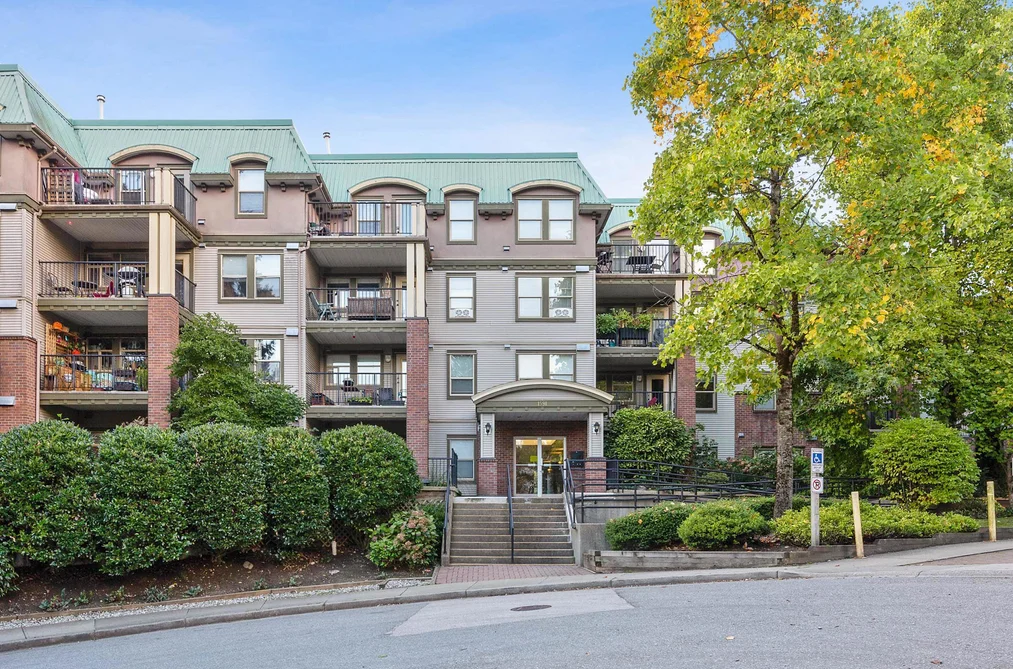
In practice the term covers everything from a genuine single home occupying a whole top floor to any unit on the highest level of a low-rise. Neither is wrong, and they are worth very different amounts. Ask how many homes share the top floor, whether the ceilings are actually higher than the floors below, and what the unit has that the one beneath it does not.
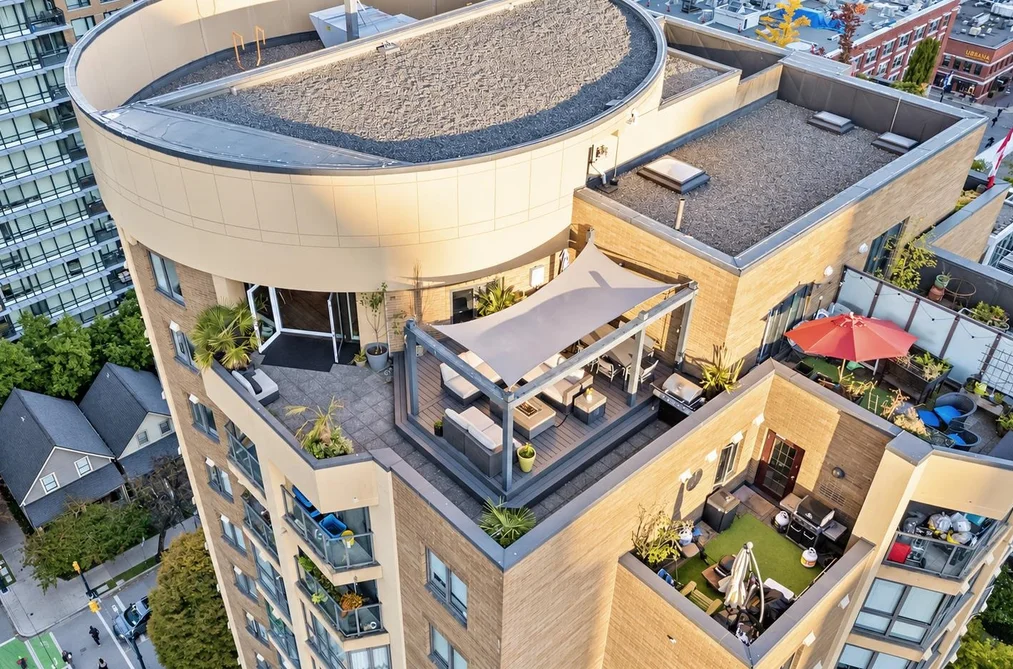
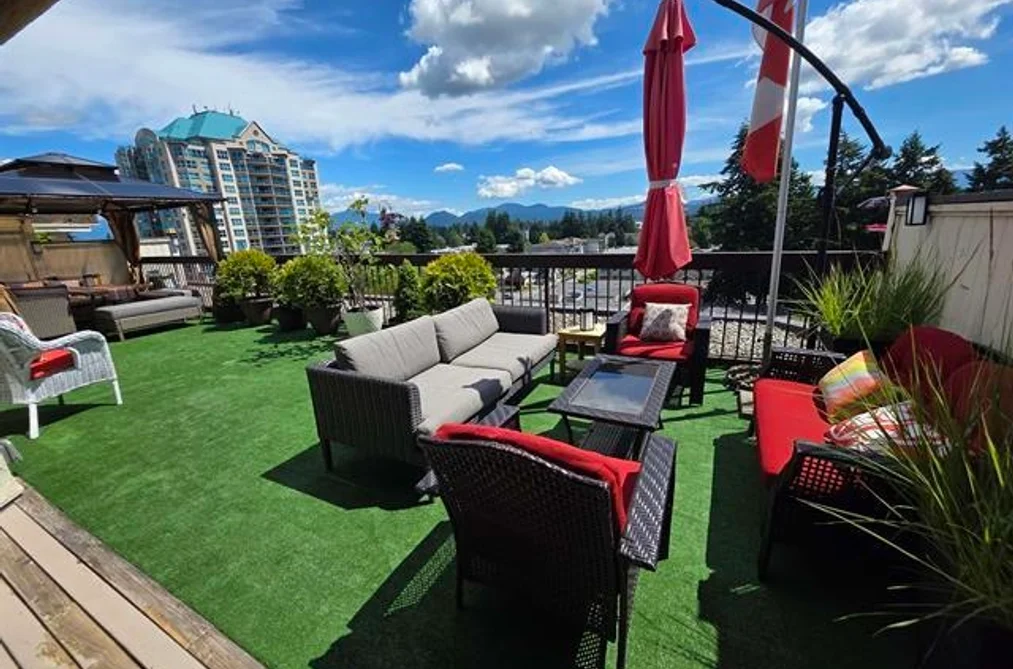
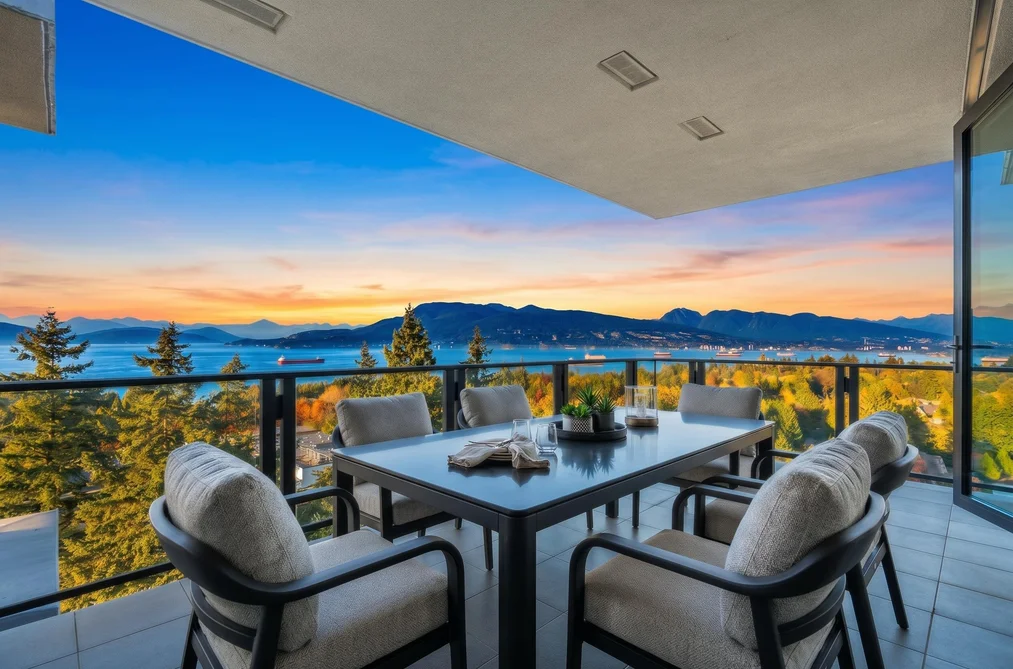
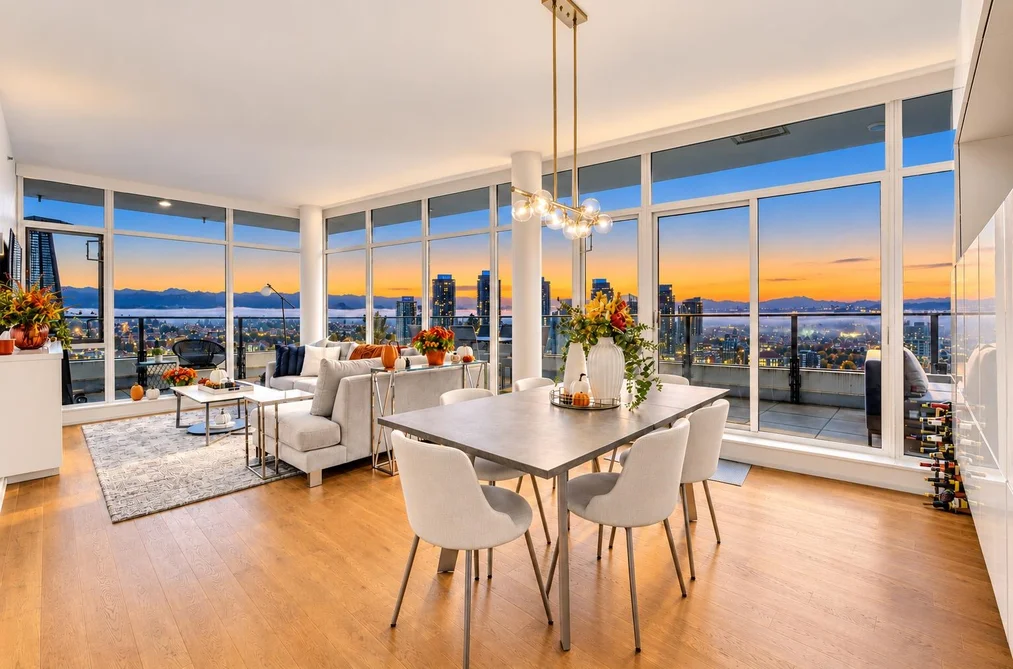
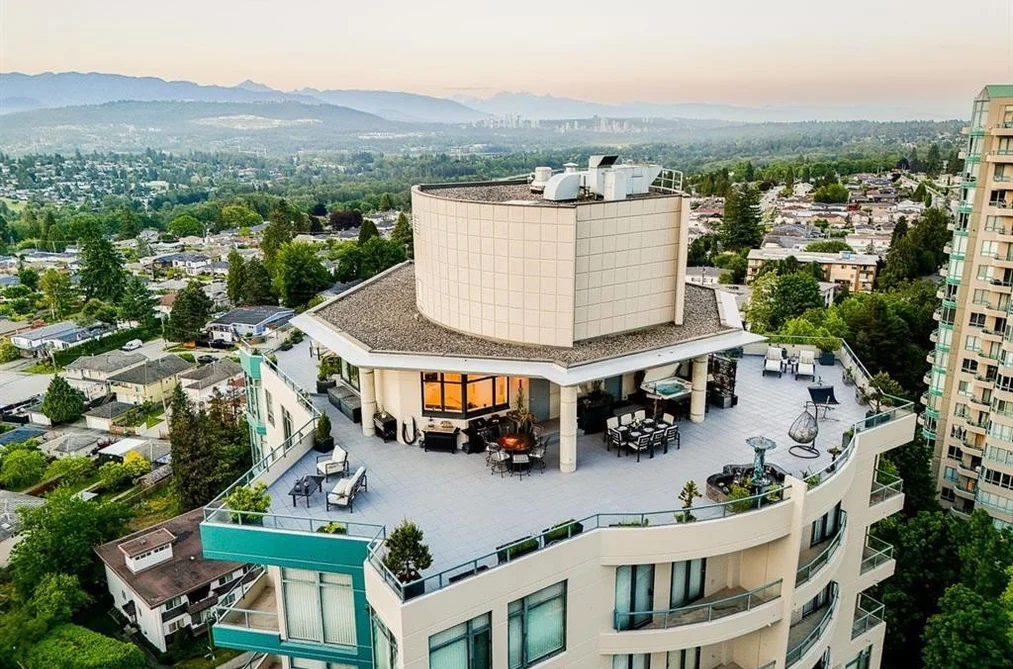
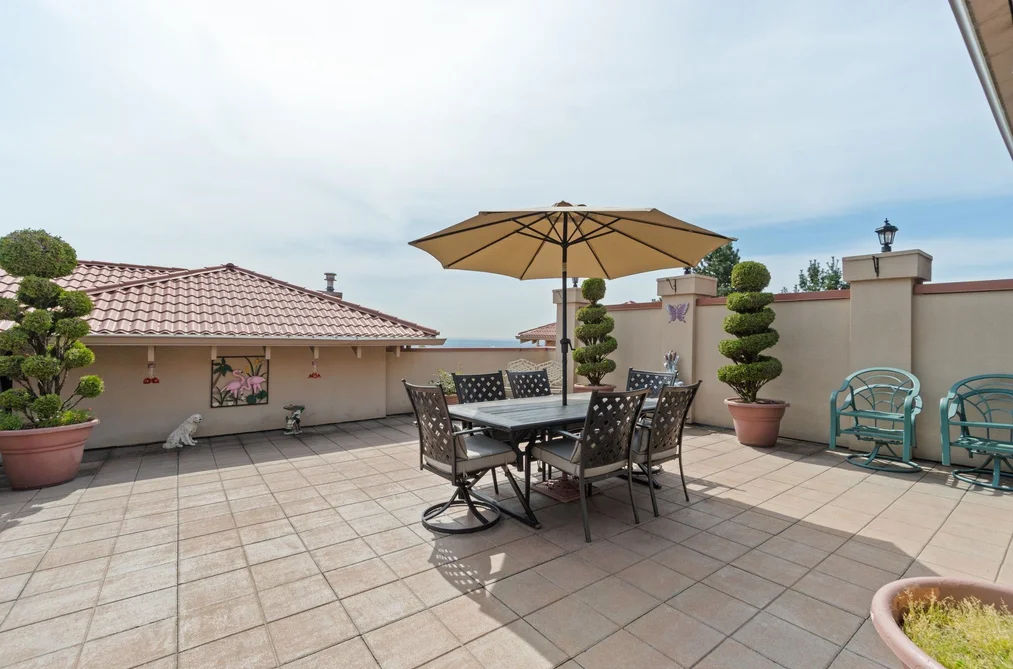
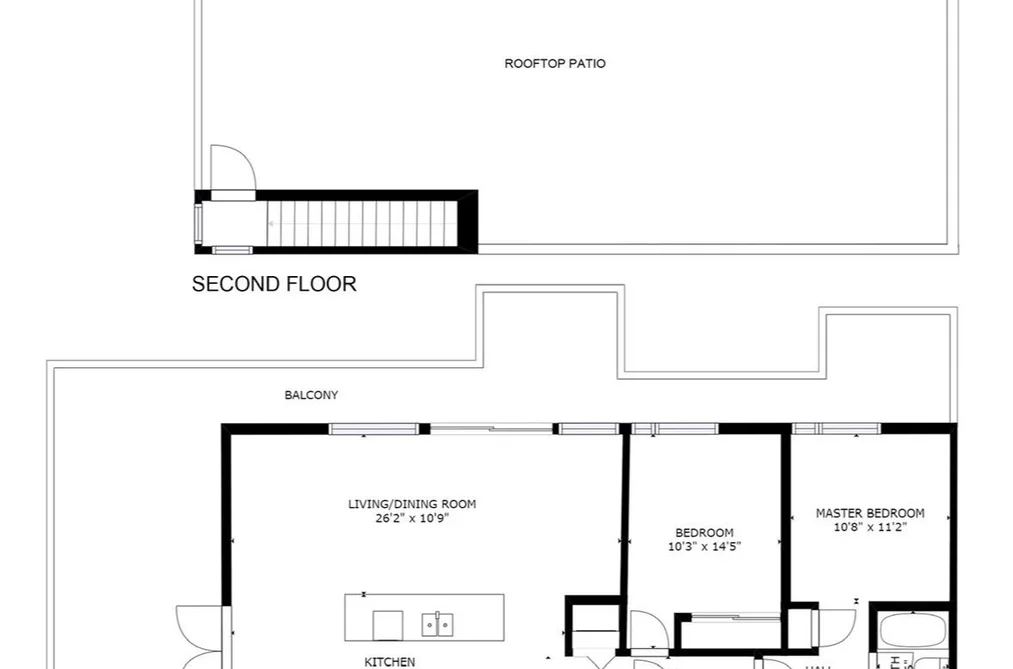
Then look at the outdoor space, because it is usually what justifies the price. A wraparound rooftop terrace with services run to it is a genuine second living space; a strip of balcony with panoramic views is a nice place to stand. Ask whether the terrace is limited common property, what may be built on it, and whether there is water, gas and power out there.
Fees follow floor area, so a large penthouse unit carries a large share of the building's costs. Request the minutes, the budget, the contingency reserve fund balance and the depreciation report, and read them for roof and envelope work in particular, since the top floor is the part of a building most exposed to weather and the first to show it.
Ask what the amenity package includes and what it costs. Concierge services, a rooftop amenity floor and underground parking all appear in the fee, and in a boutique building with few homes to share those costs the per-unit figure can be much higher than in a large tower.
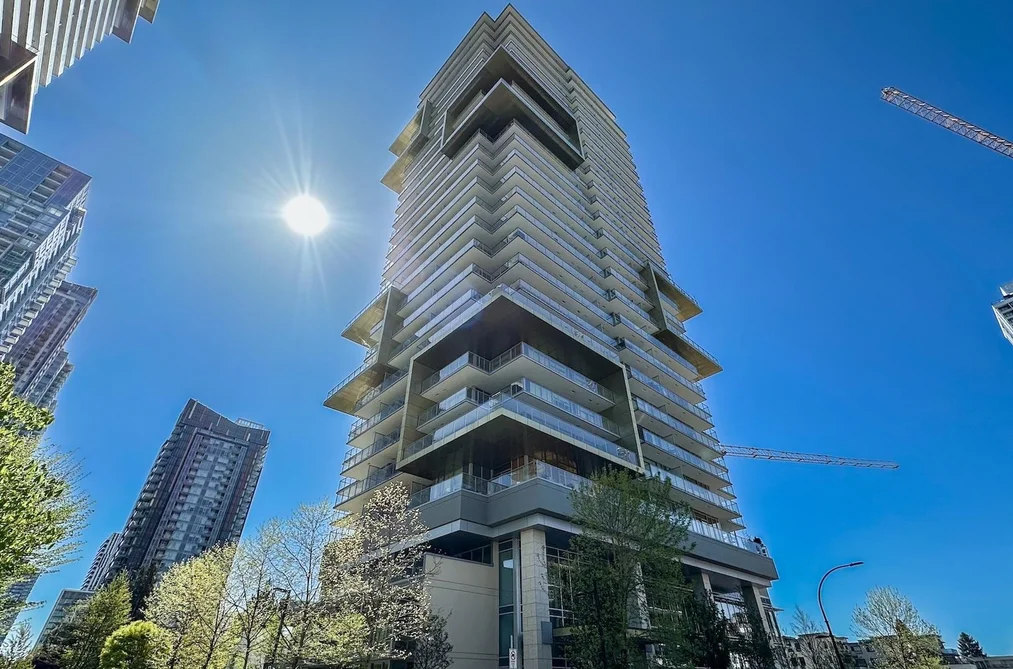
Many towers label the top two or three floors as penthouse levels, with the true top home marketed separately. A sub-penthouse frequently offers most of the outlook and the same finishes for meaningfully less, and it is often the better purchase. Ask directly where the unit sits in the building's own numbering, since floor numbers in some buildings skip levels and the marketing follows the numbering rather than the reality.
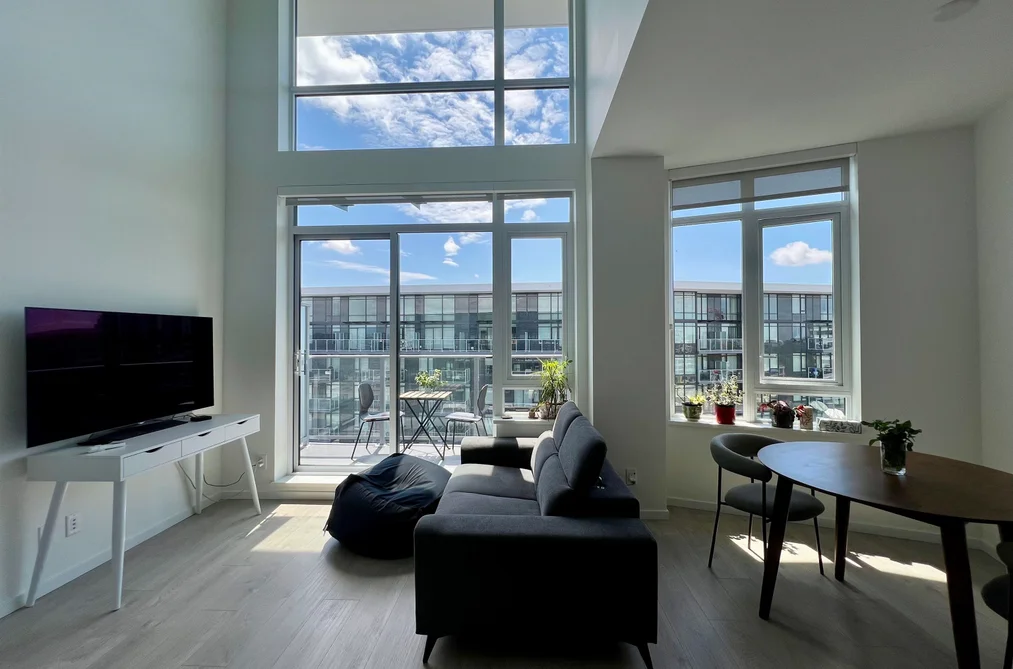
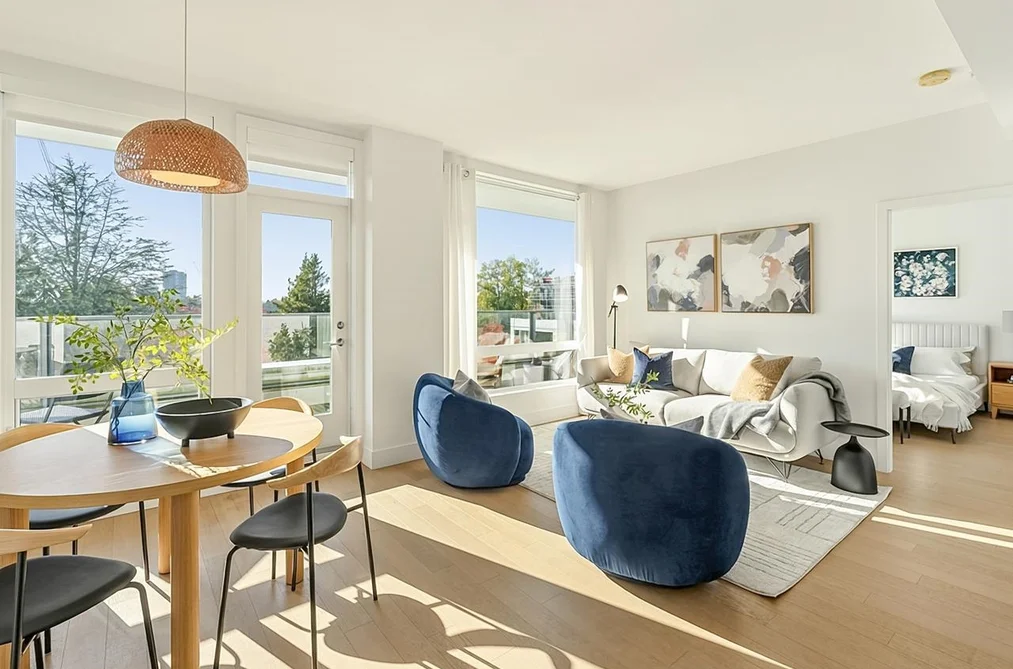
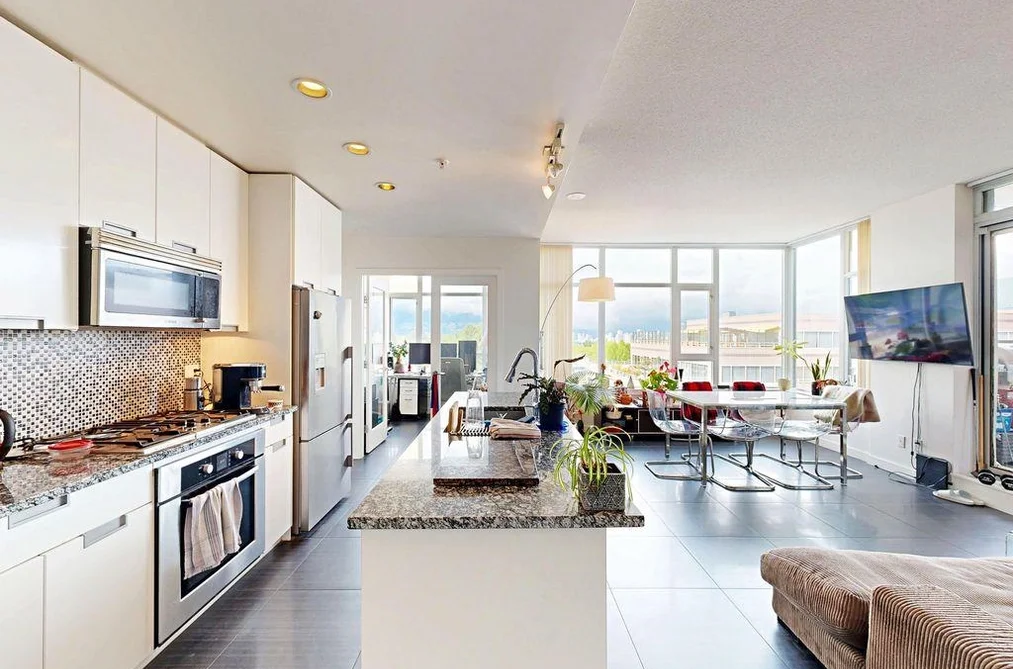
Height brings conditions the floors below do not have. Wind on an exposed terrace can make it unusable for parts of the year, and a west-facing wall of floor-to-ceiling glass turns a home into a greenhouse on a summer afternoon unless the building has proper cooling. Ask what the cooling actually is and visit on a warm day rather than a grey one.
Ask about access as well. Some top floors are served by a single elevator, and a failure means stairs from the highest point in the building. Check how moving in works, and whether the roof above is a mechanical level, an amenity deck or someone's terrace, because each one sounds different from below.
Supply concentrates downtown, in Coal Harbour, the West End and along the water toward English Bay, with newer towers across Burnaby, Richmond and the North Shore adding more. A waterfront home at the top of a boutique building and a large unit in a mass-market tower are both listed as penthouses and trade in completely different markets.
Browse and compare current penthouse real estate on Strawhomes, filter by neighbourhood and building, and shortlist by what you confirmed about the floor, the terrace and the bath and bedroom count rather than by the word in the listing. Compare each against a sub-penthouse and a top-floor home in the same building before you decide.