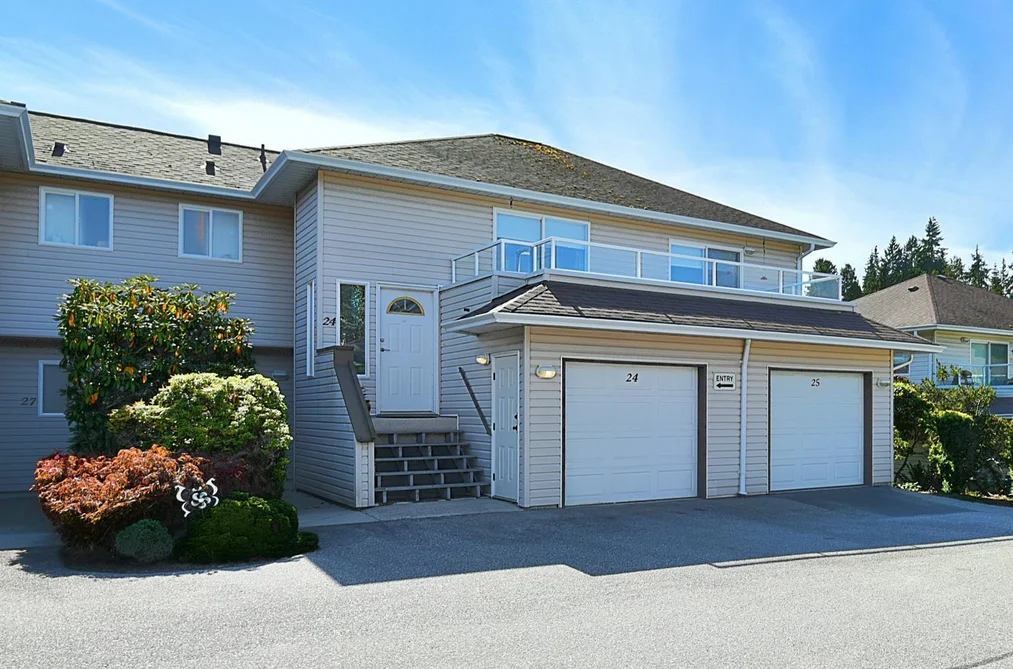
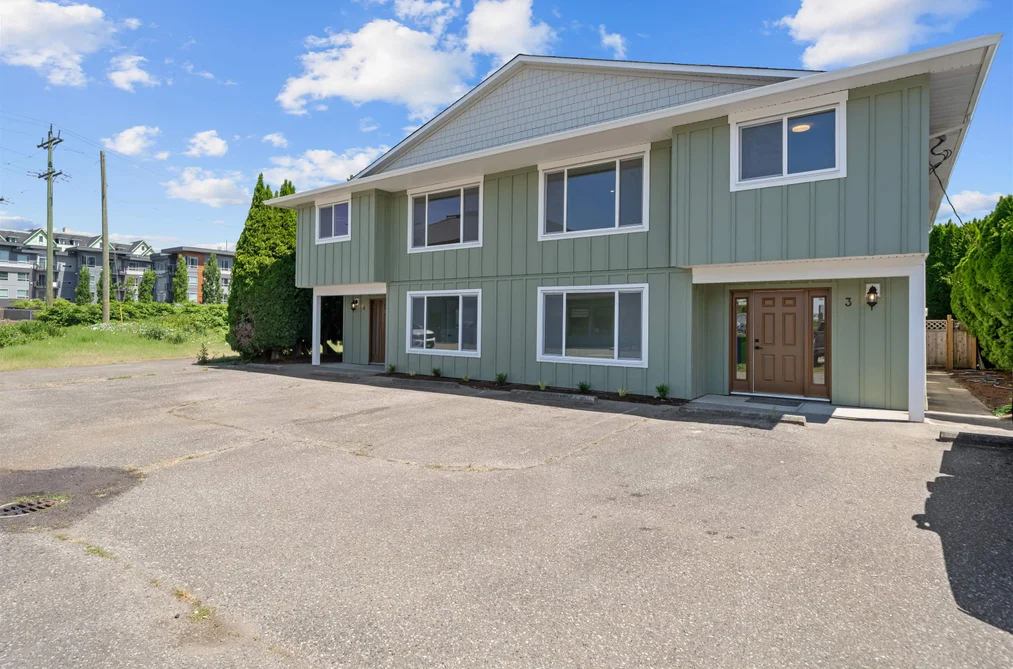
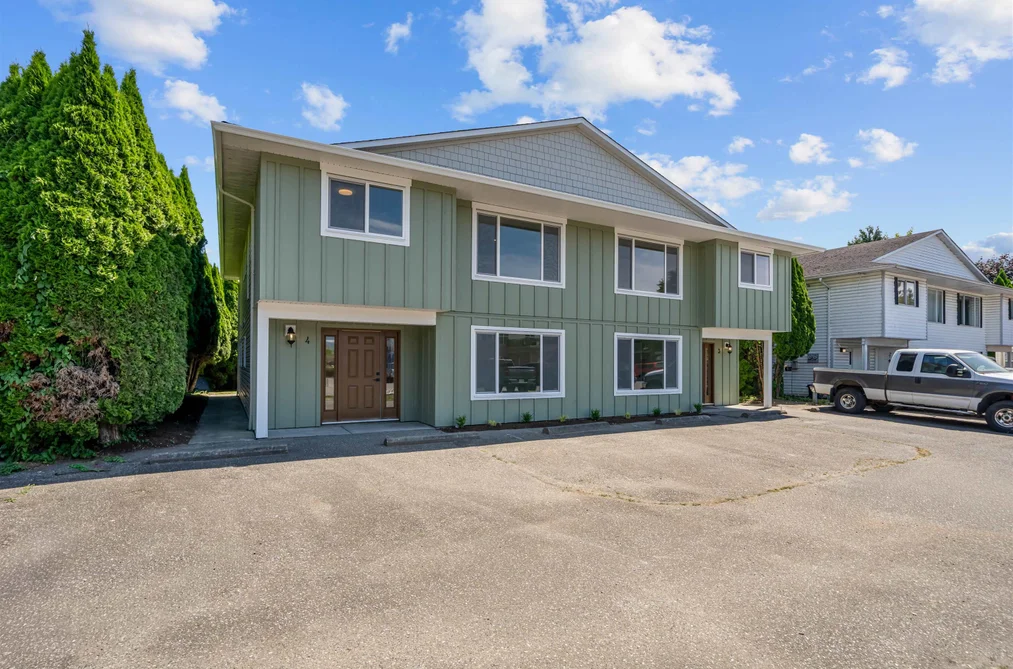
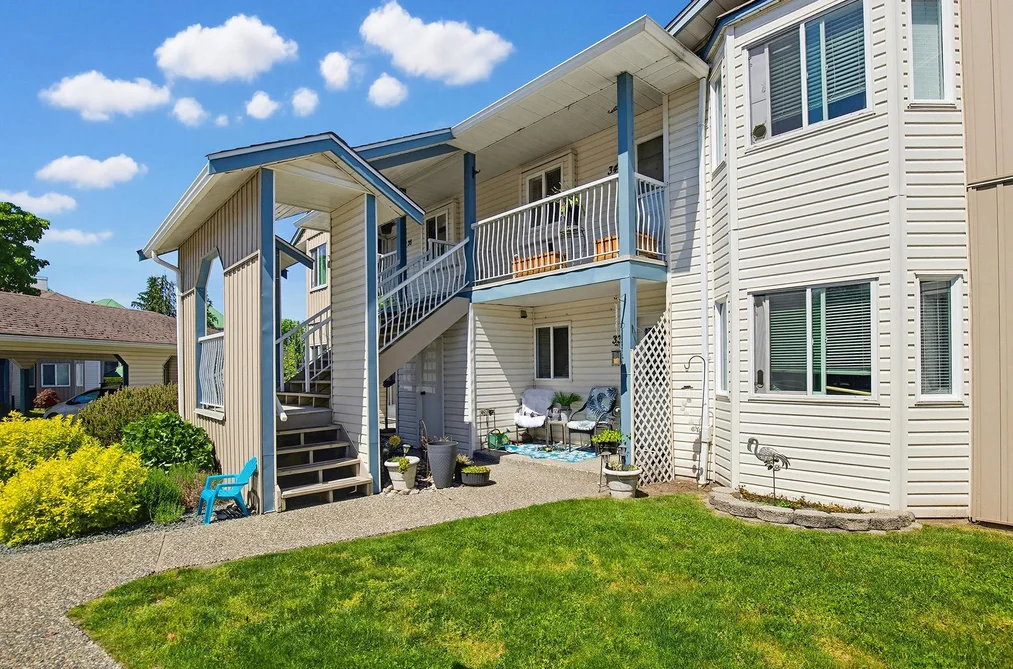
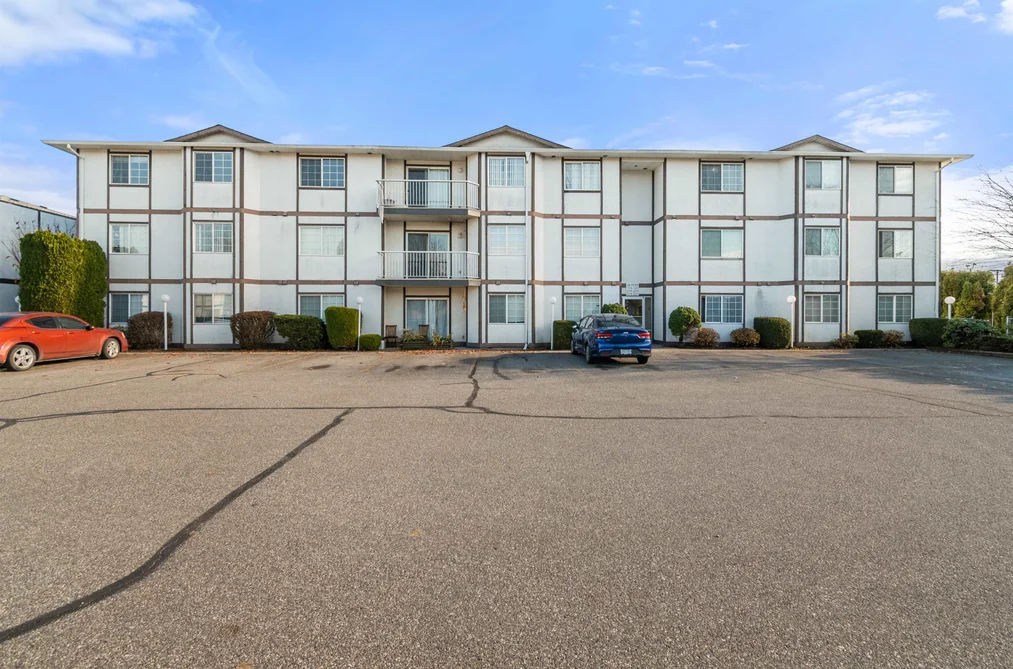
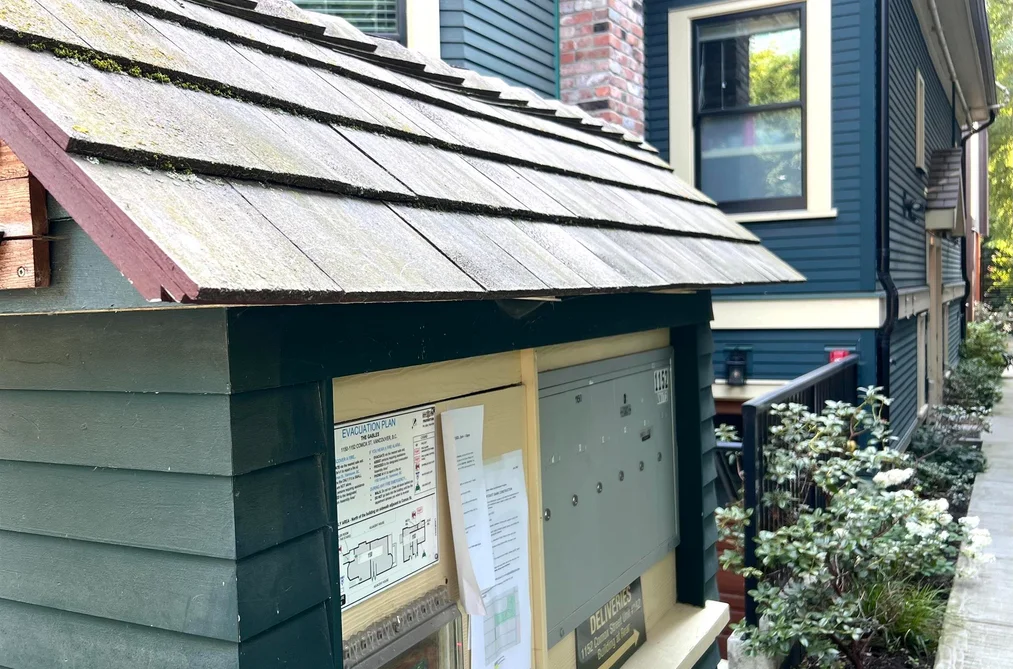
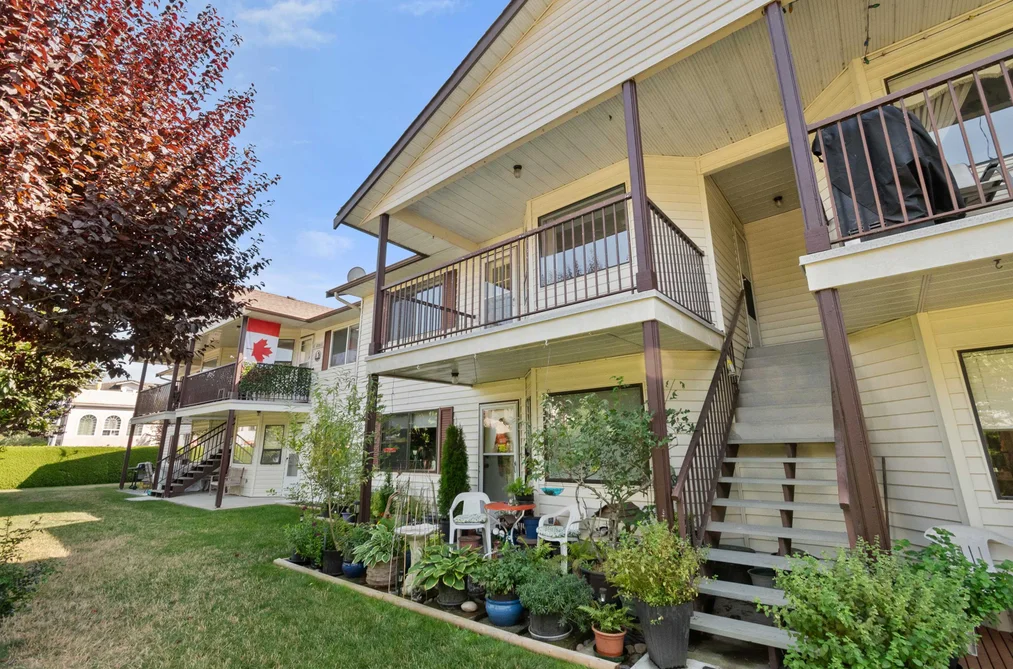
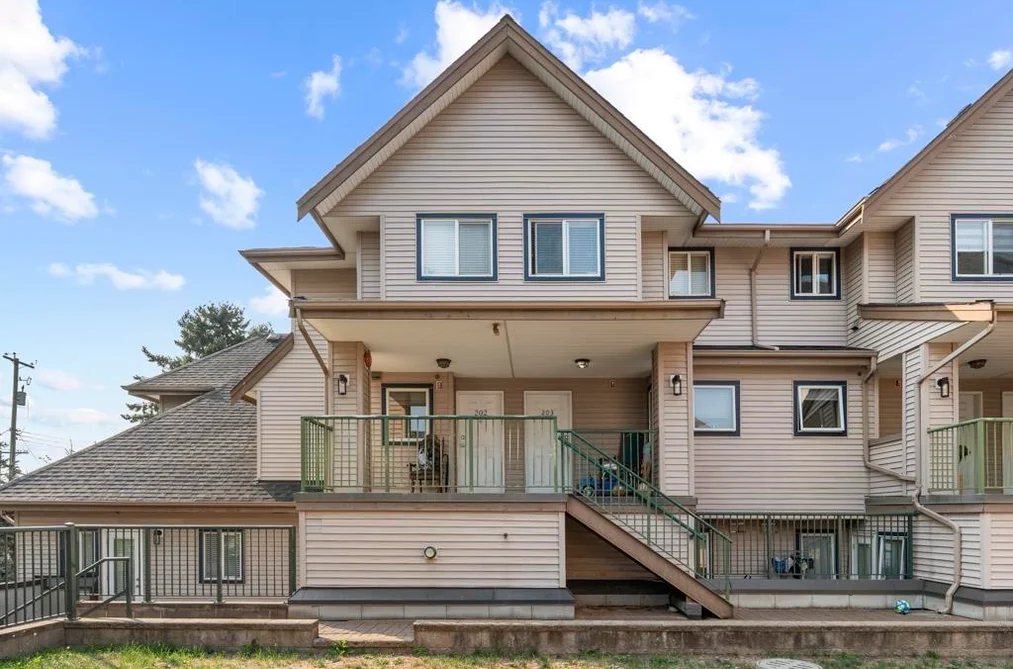
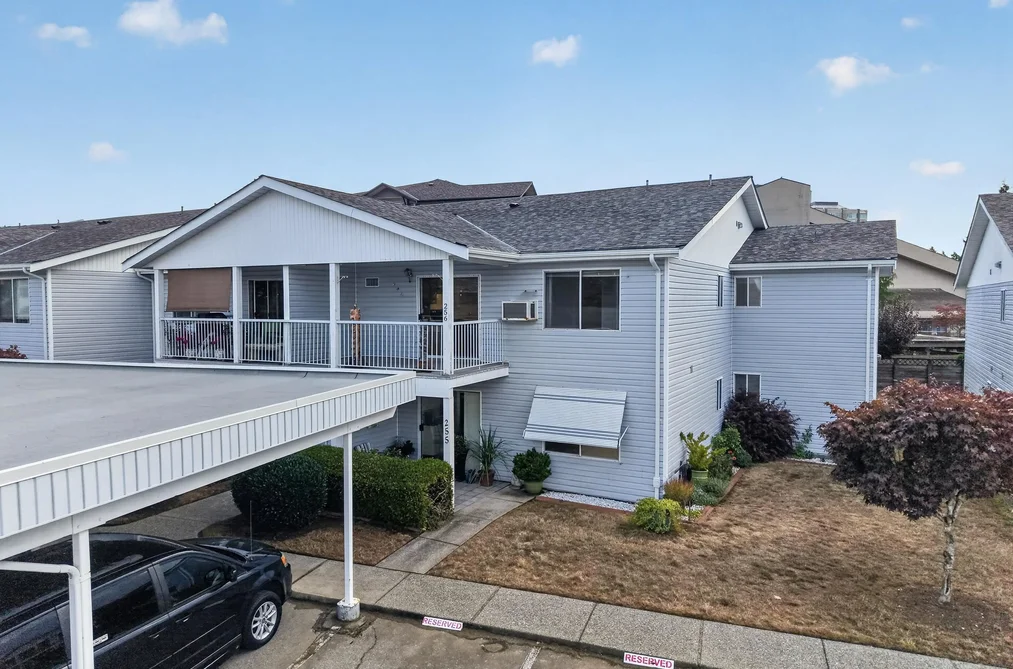
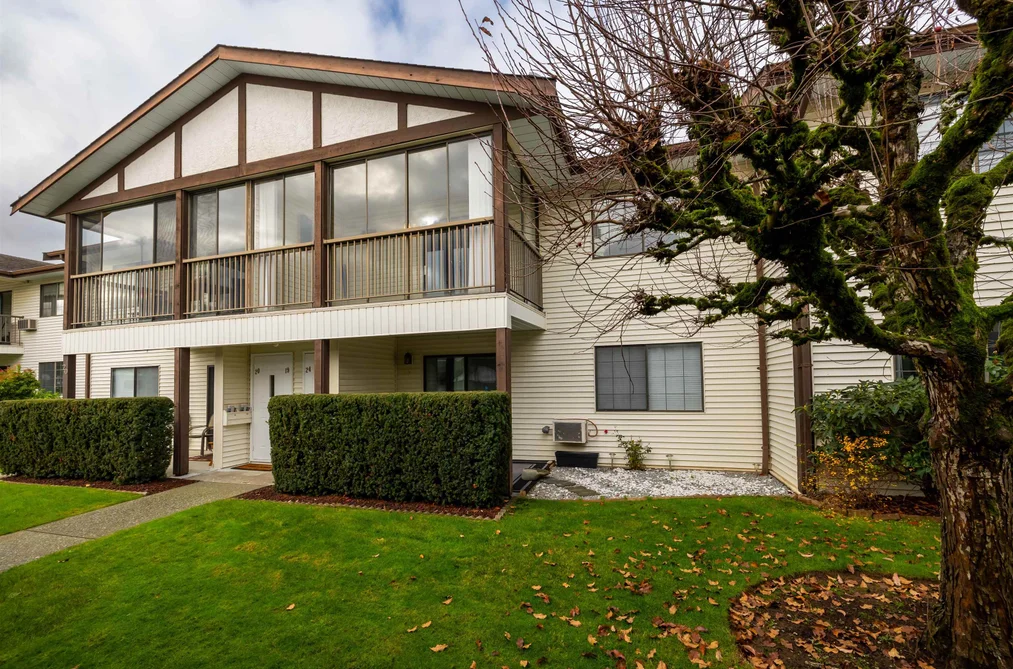
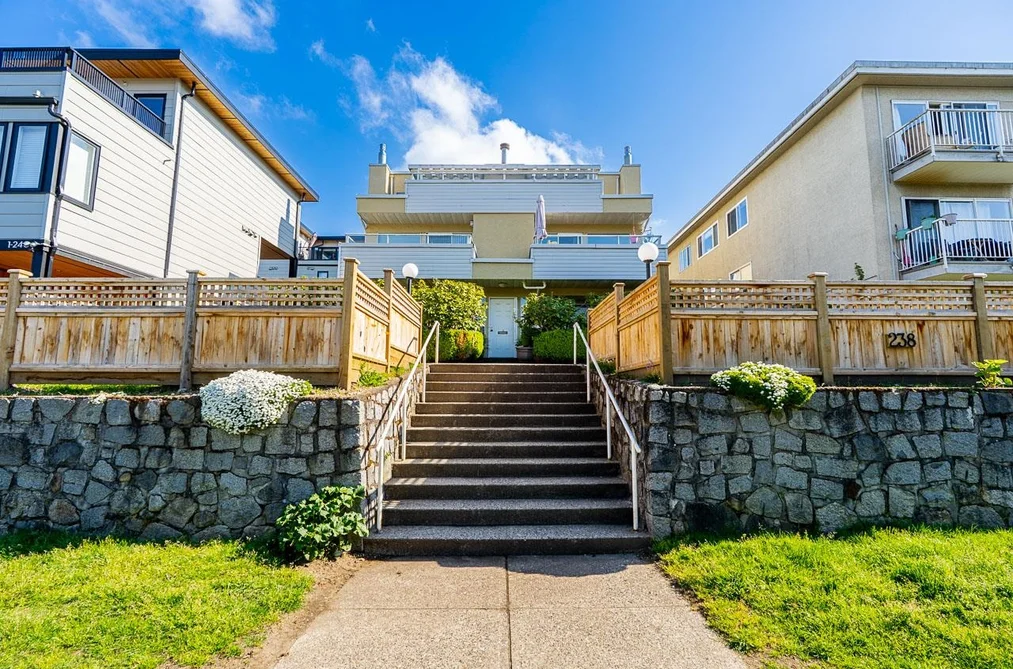
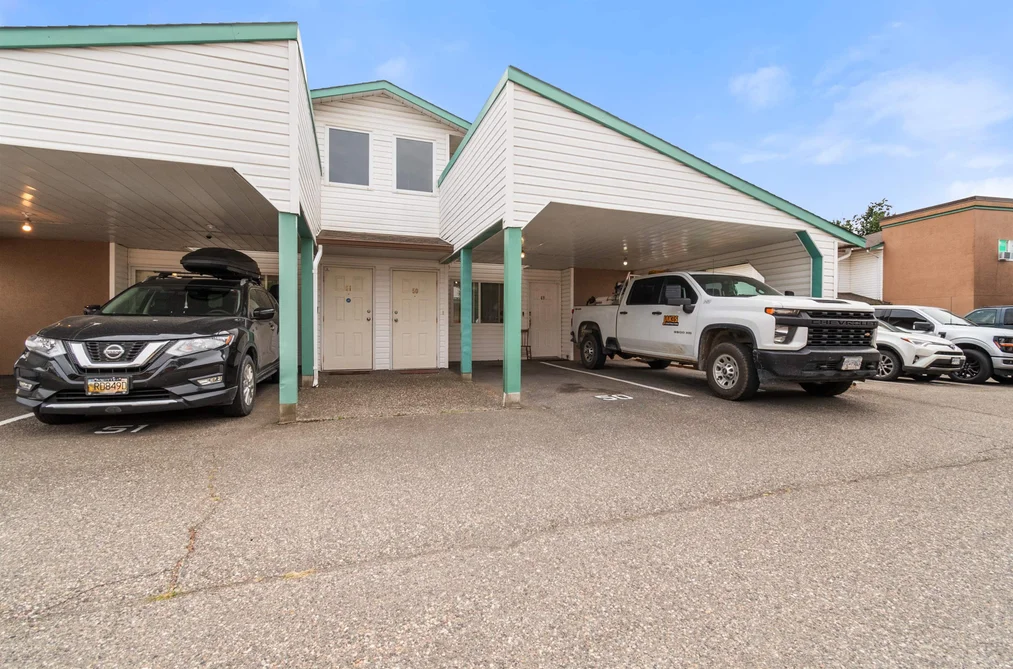
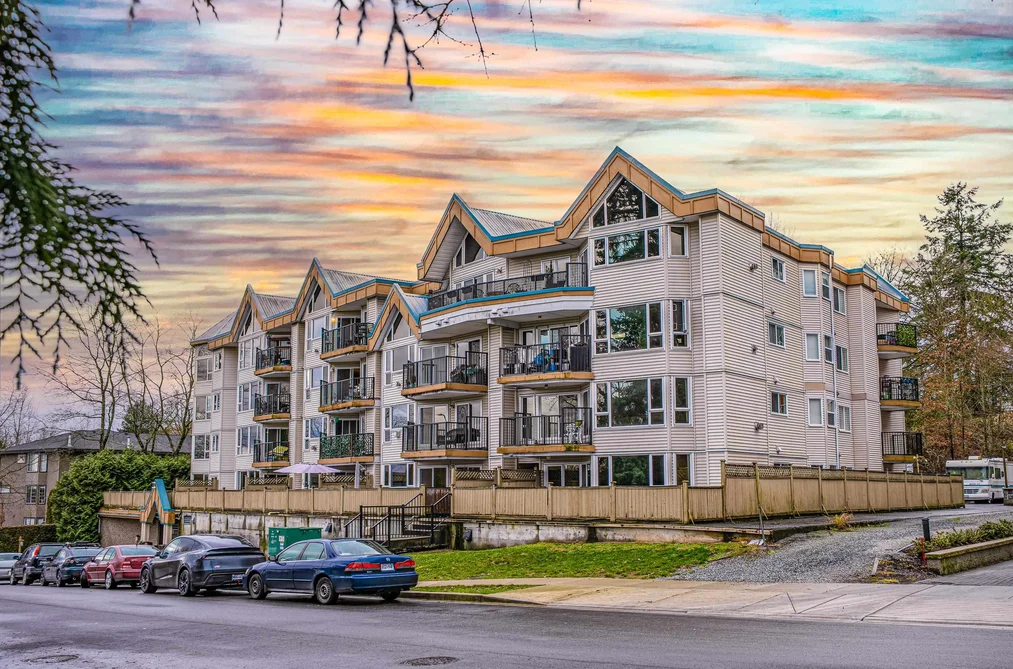
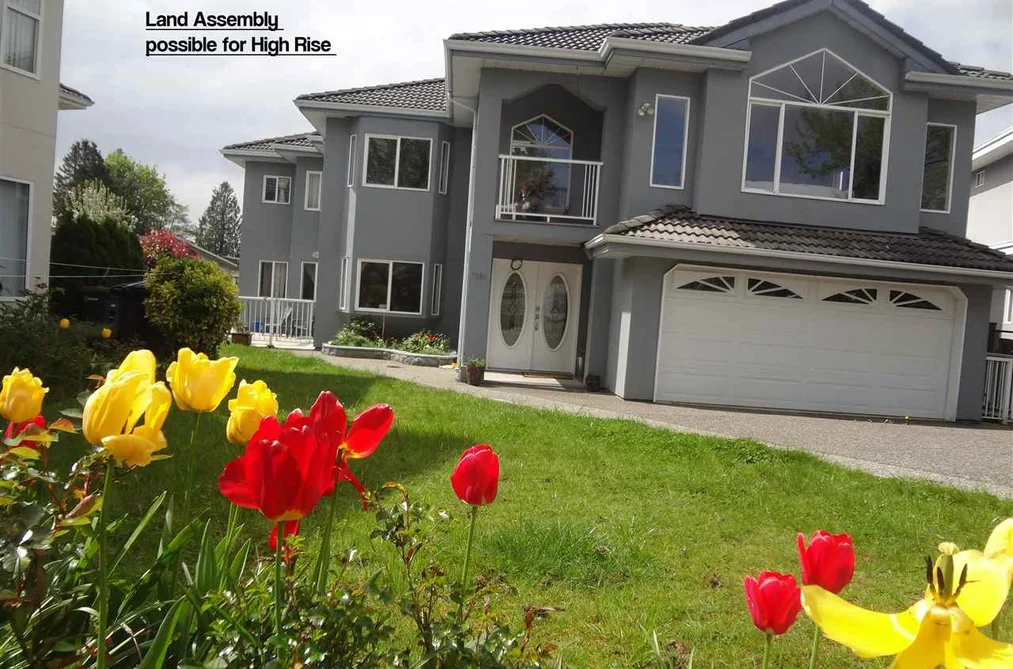
For Sale
5 days
- $374,900
- 2 bed
- 2 bath
- 992 sqft
MLS® R3176523
•Century 21 Creekside Realty
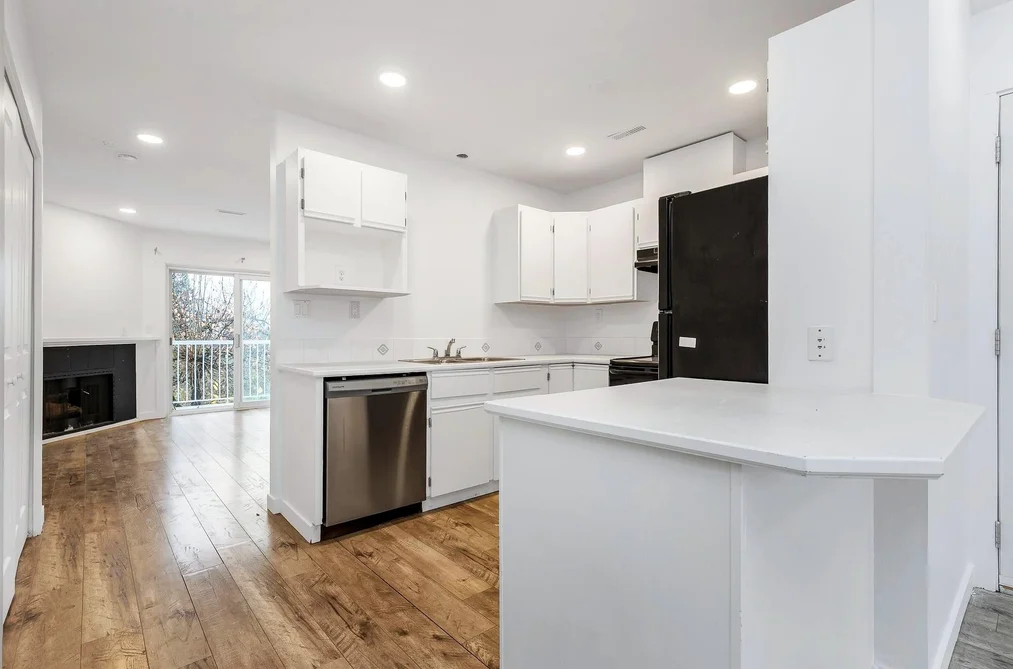
Search Upper Unit homes for sale in Greater Vancouver and check the sound separation, the stairs and how shared costs are split before you write an offer.
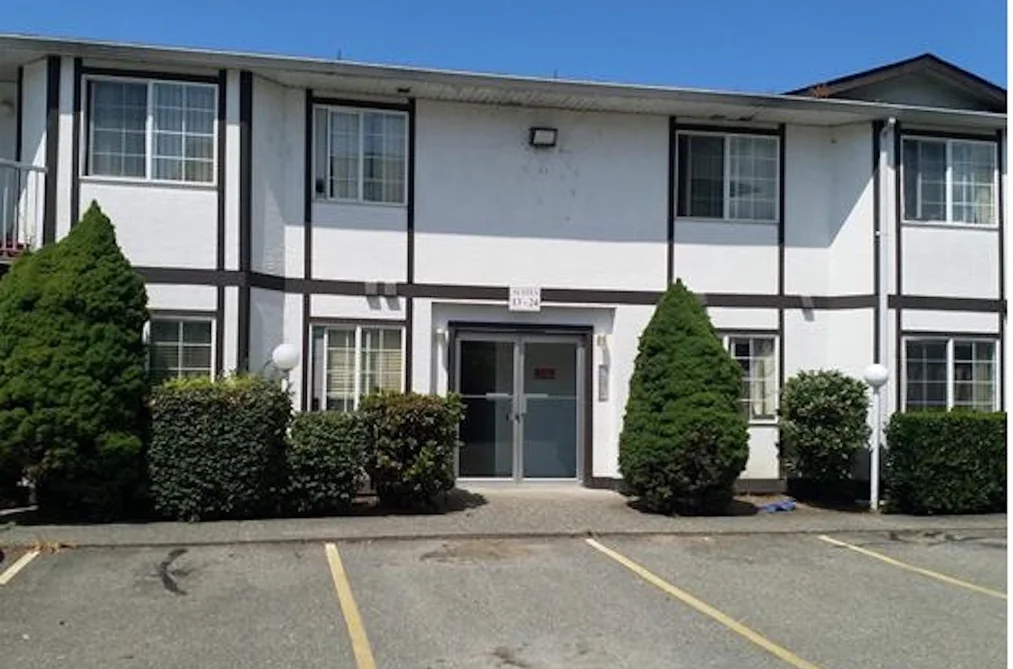
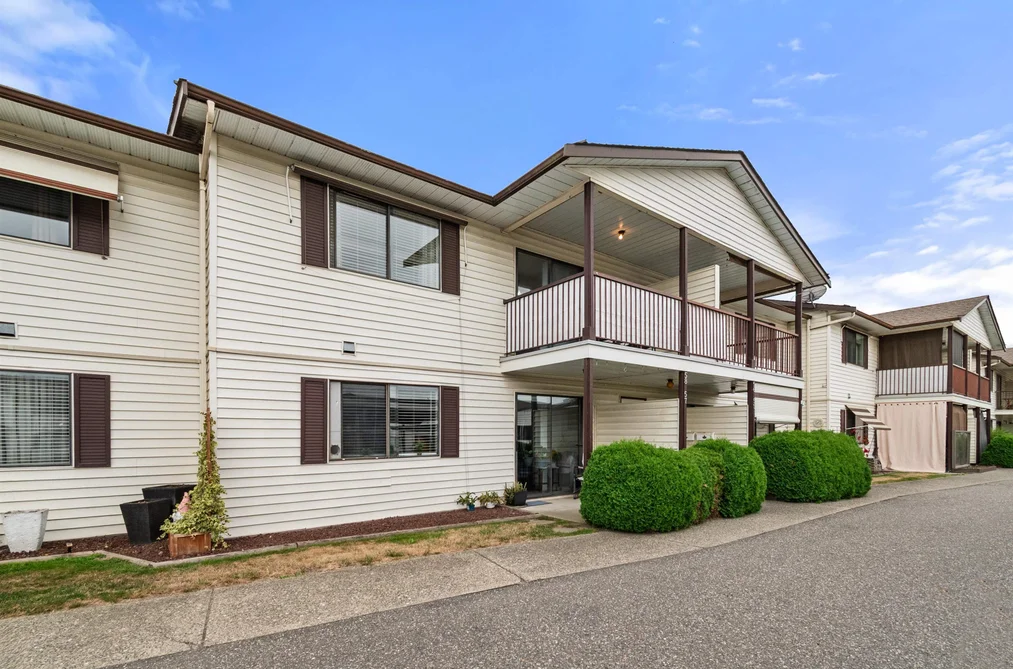
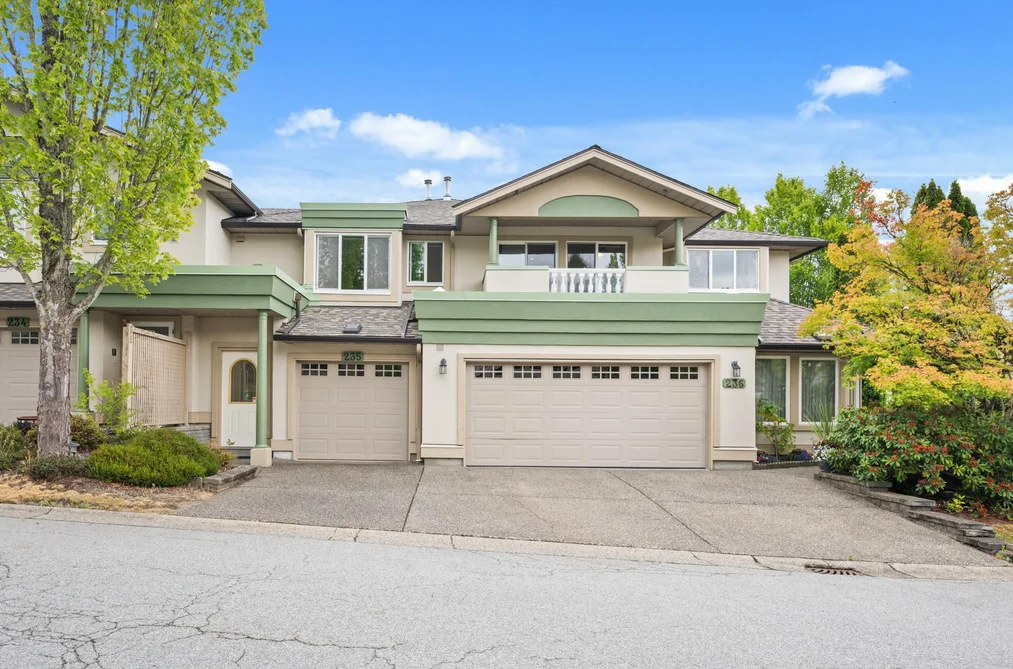
Upper Unit on a Greater Vancouver listing places your home directly above a neighbour, usually in a duplex or a small converted house, so check the sound separation and the shared costs before you offer.
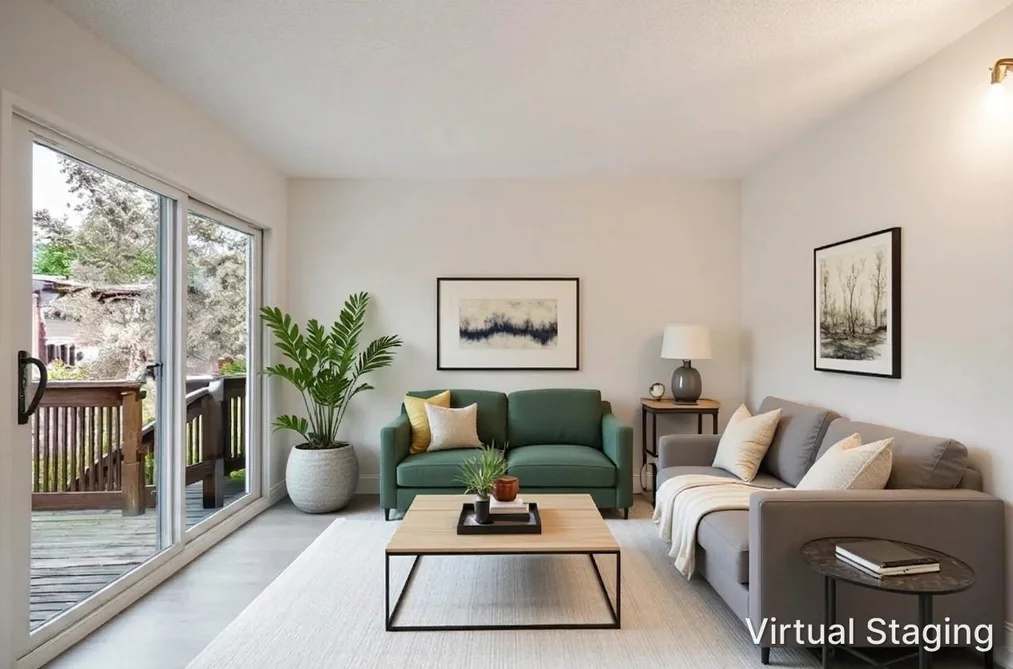
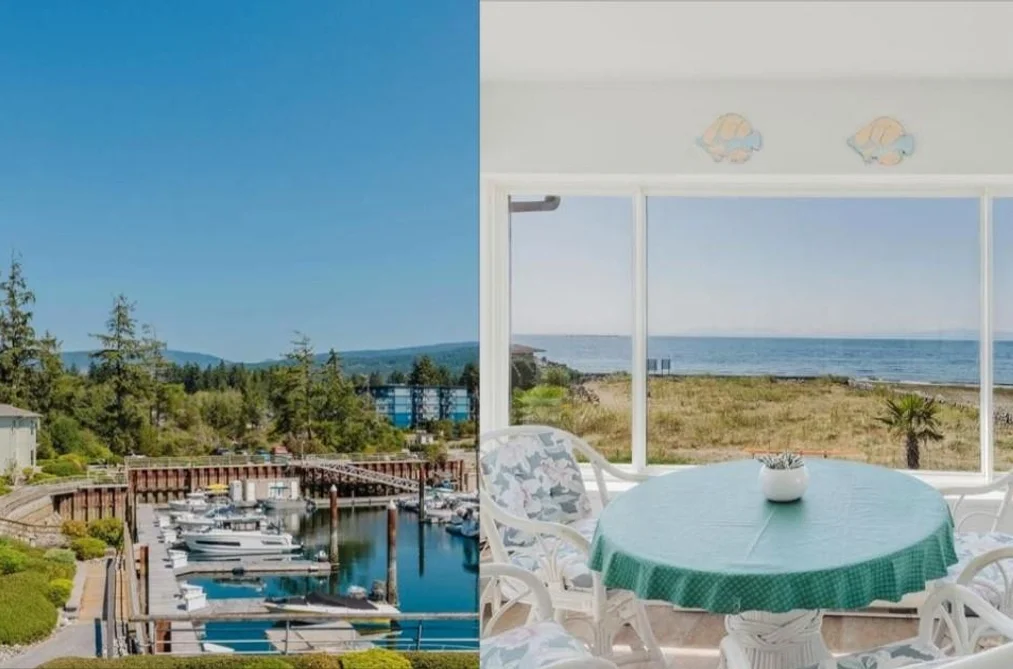
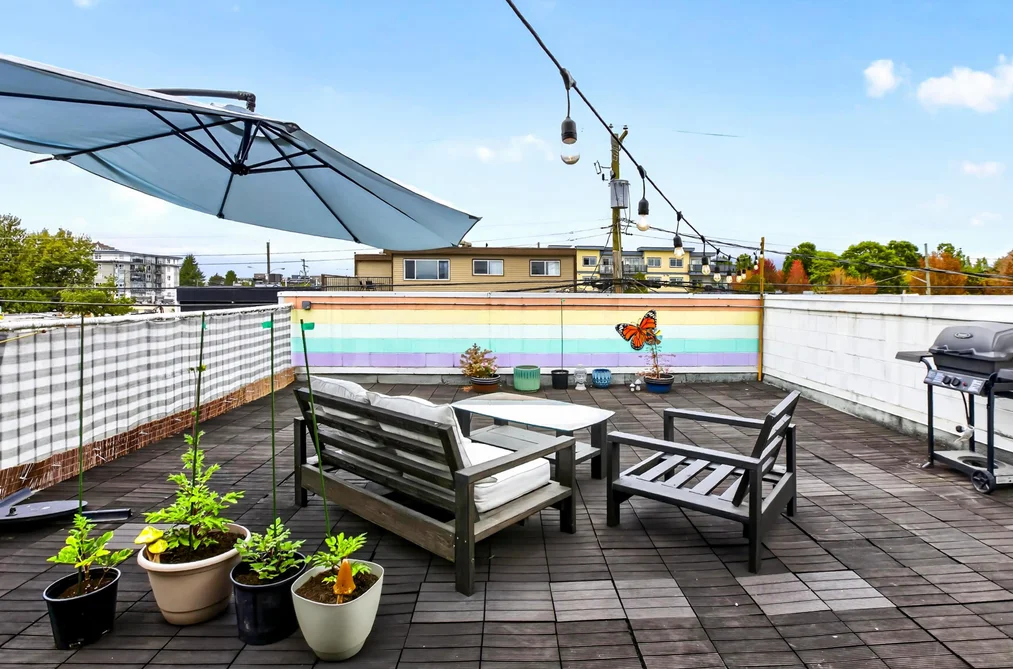
The gains are real: more daylight, better outlook, fewer street noise problems, no footsteps overhead and often a private deck rather than a patch of shaded yard. The losses are equally predictable. Everything you carry goes up a flight of stairs, outdoor space is smaller or shared, and any leak that starts in your bathroom ends up in someone else's ceiling.
Sound is the item people underestimate. Ask what separates the two homes, whether the floor assembly was upgraded during any conversion, and whether the previous owner ever had a noise complaint. Visit at an hour when the home below is occupied, stand in the main living space and listen, and check whether hard flooring was installed over an acoustic underlay.
Find out how the two homes are held. A stratified duplex has a strata plan, a small budget and rules; a jointly held property has whatever agreement the owners registered, and sometimes none. That document decides who pays for the roof, the exterior, the drainage and the fence, and it is the single most important thing to read before you remove subjects. Ask your lawyer to review whatever is on title.
Then walk the practical details. Ask where laundry sits, where bikes and seasonal items go, whether parking is assigned on the plan, and how deliveries reach your door. Ask about the deck membrane and who maintains it, since a deck above living space is a roof. Finally, compare sold prices for upper and lower homes in similar buildings nearby, because the two rarely trade at the same figure.