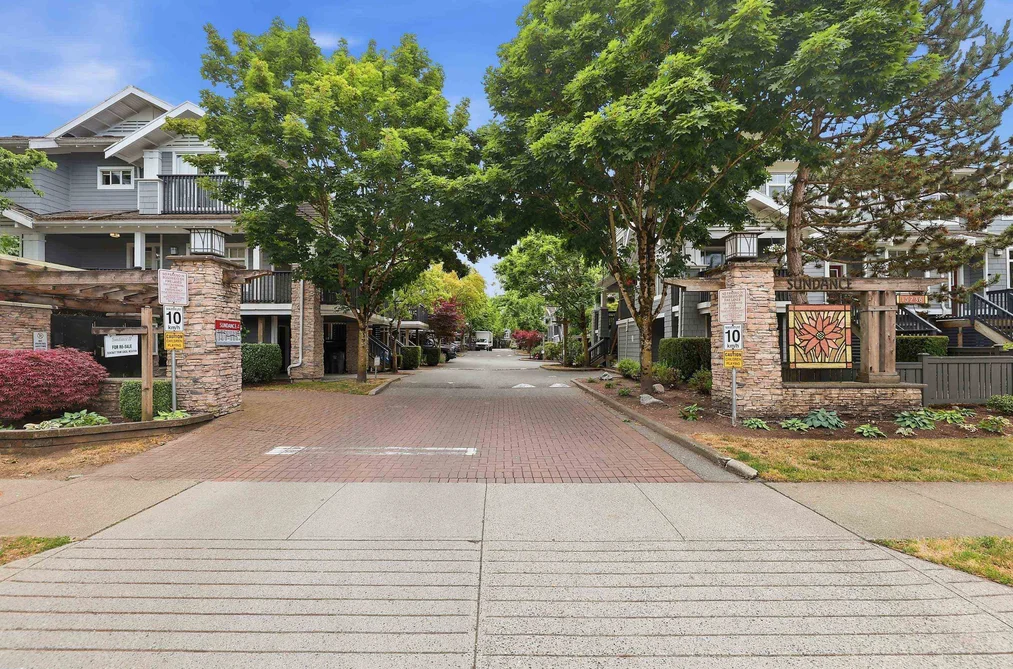
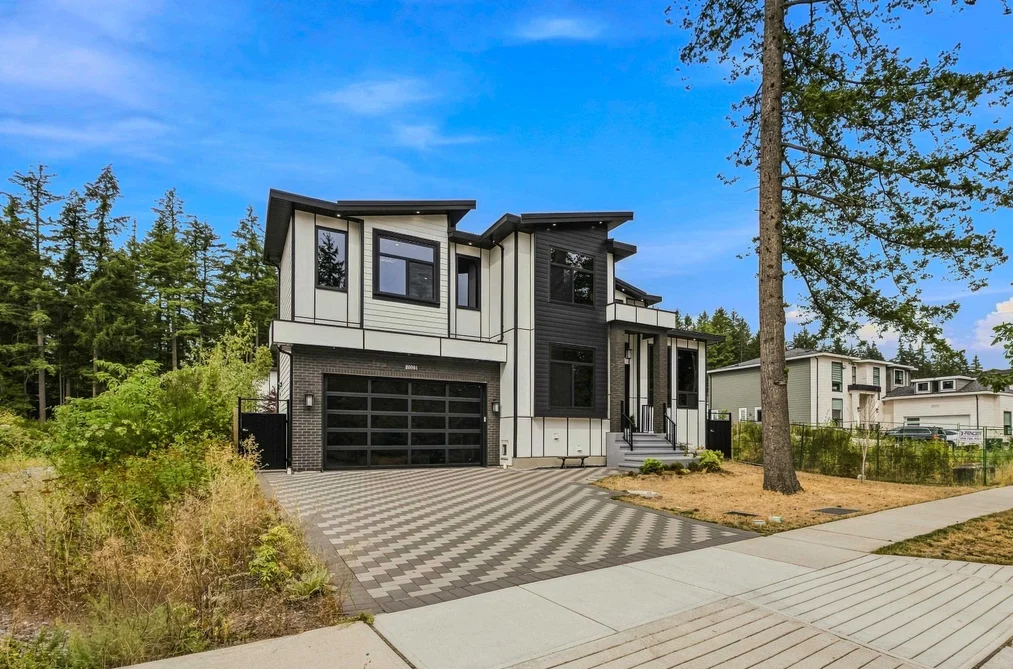
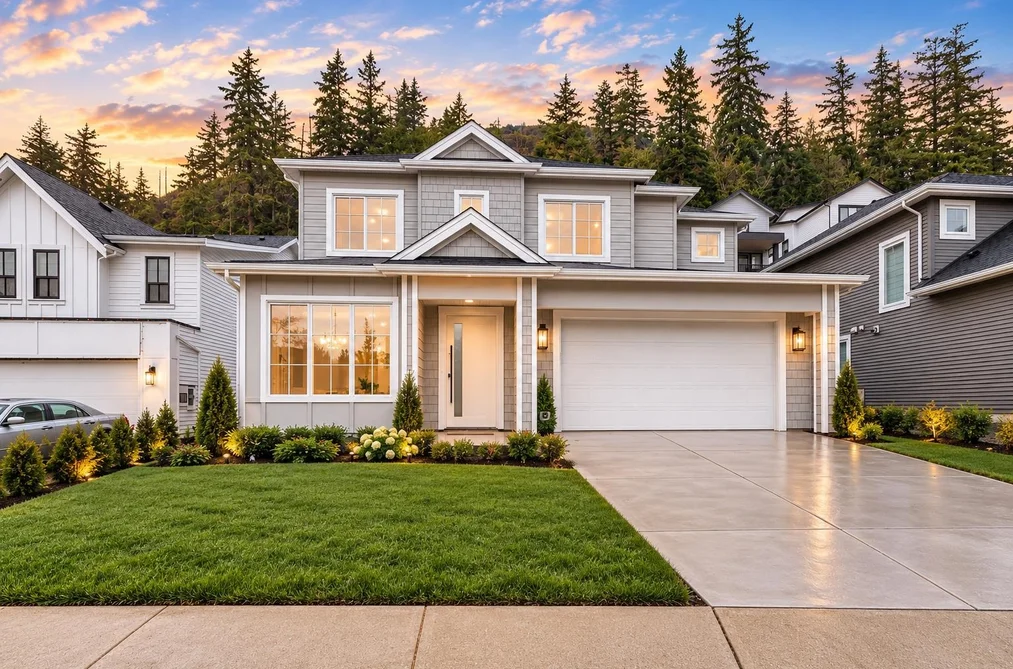
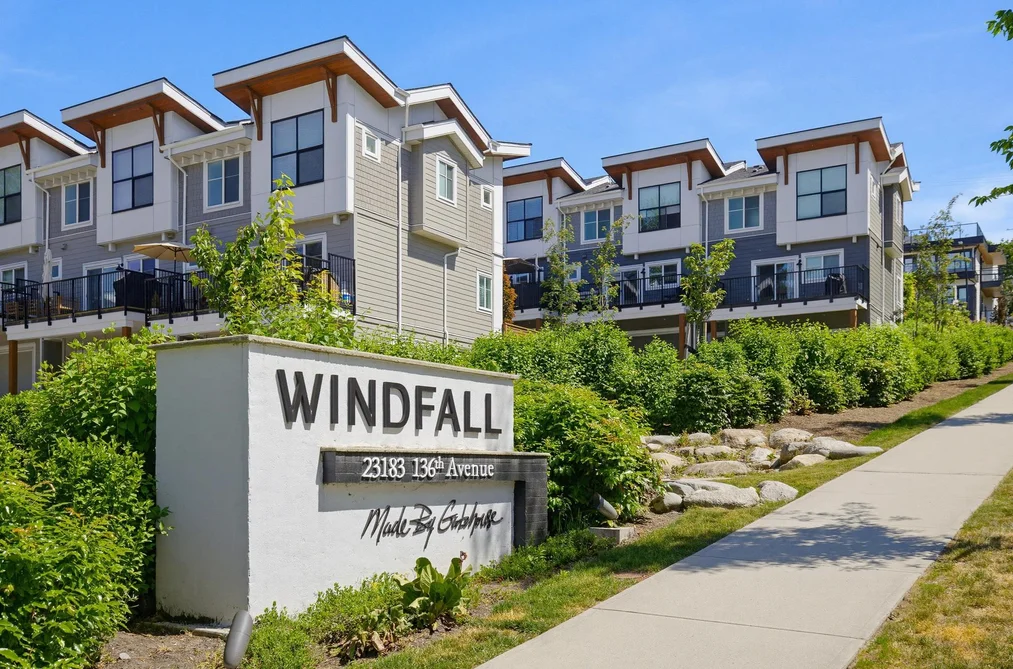
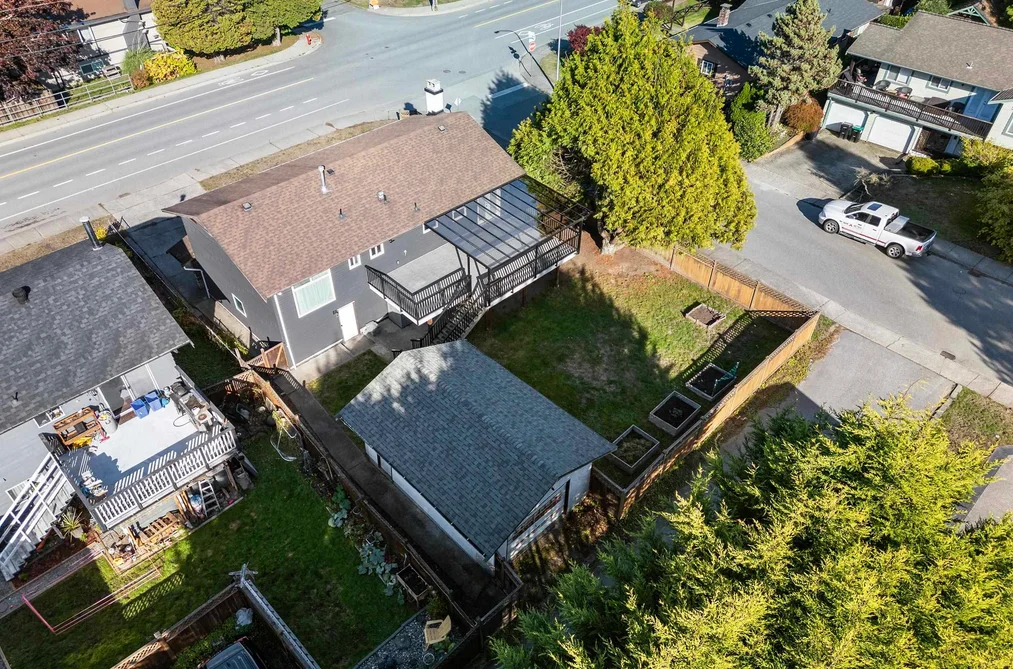
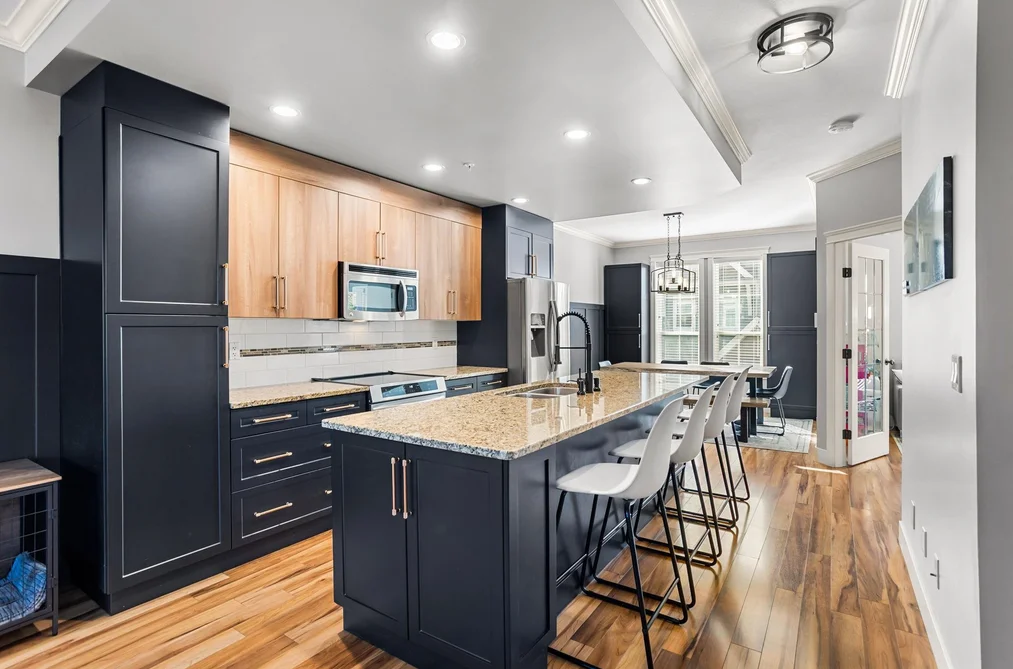
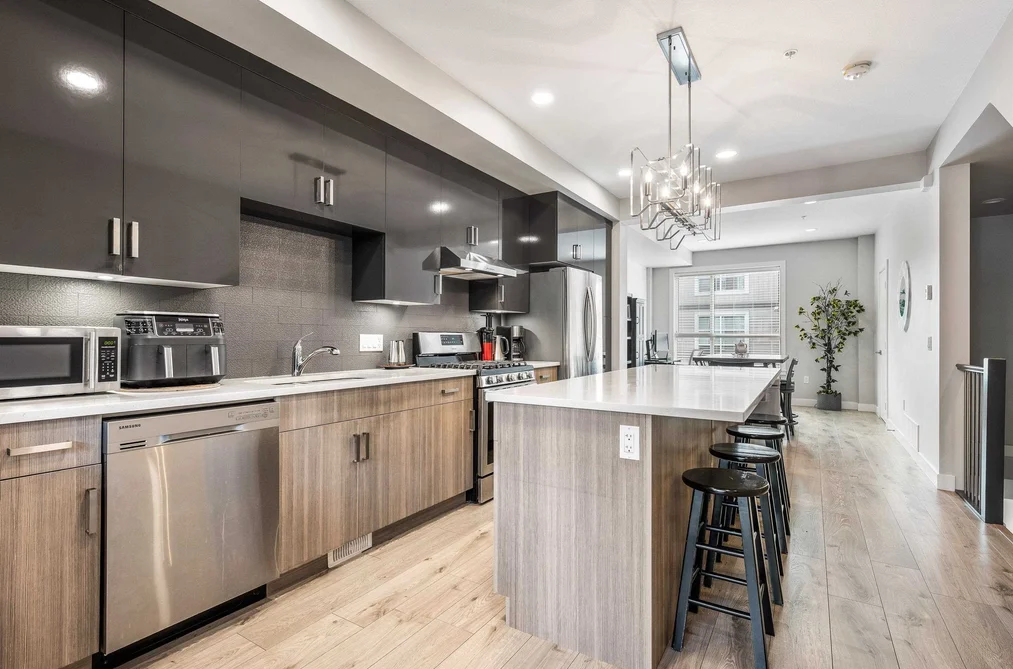
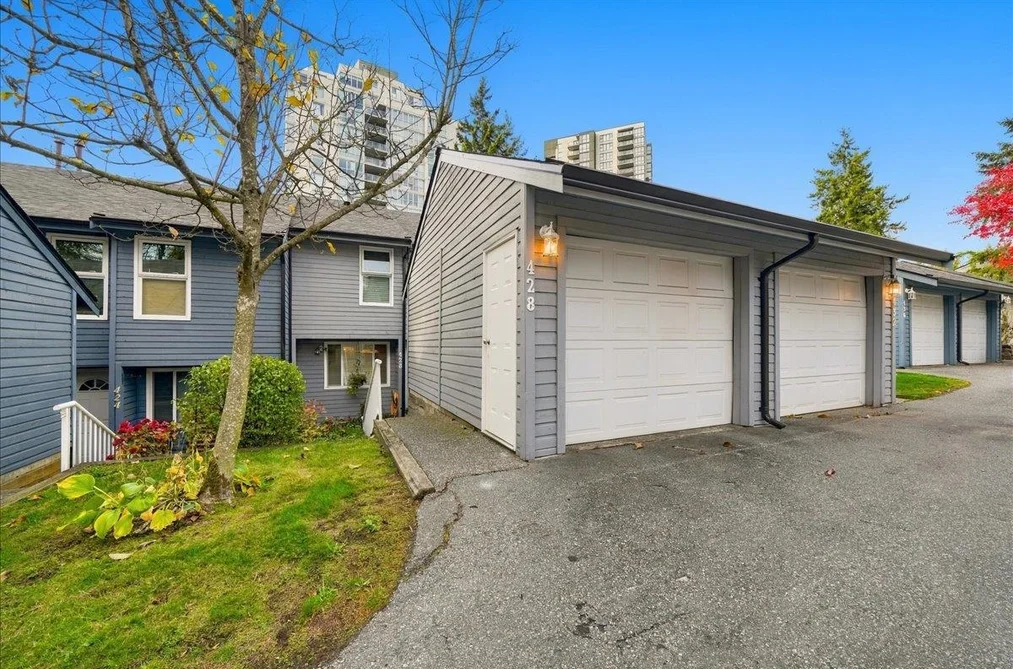
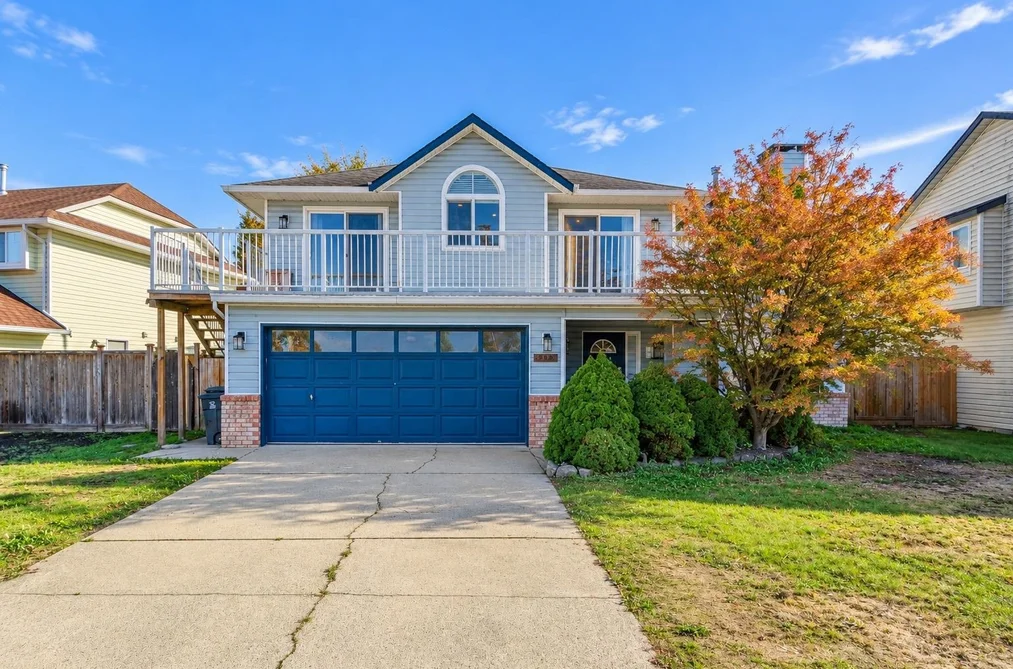
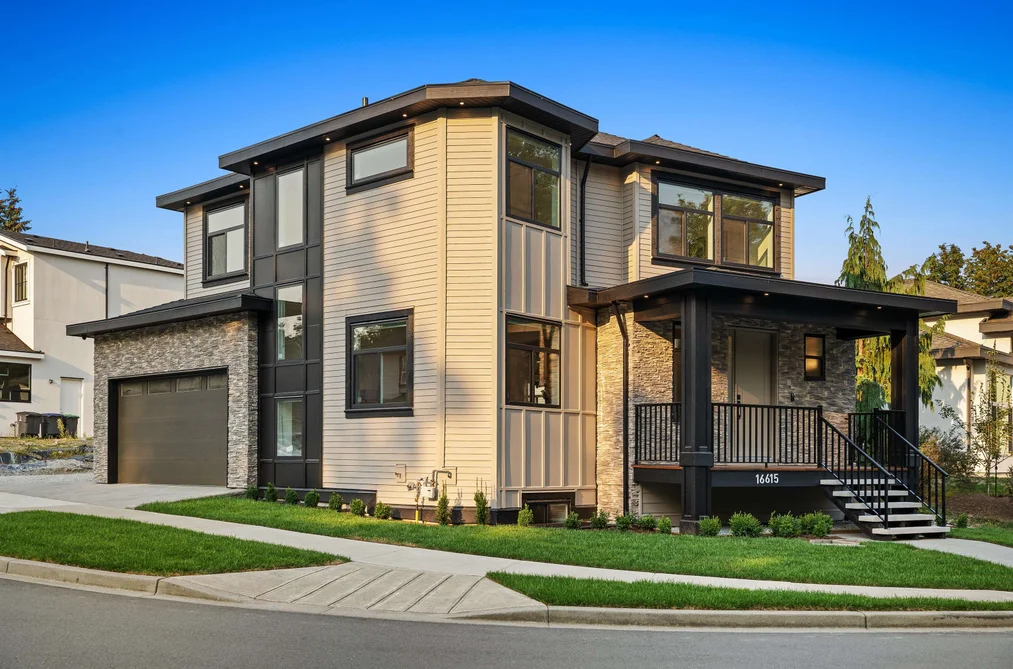
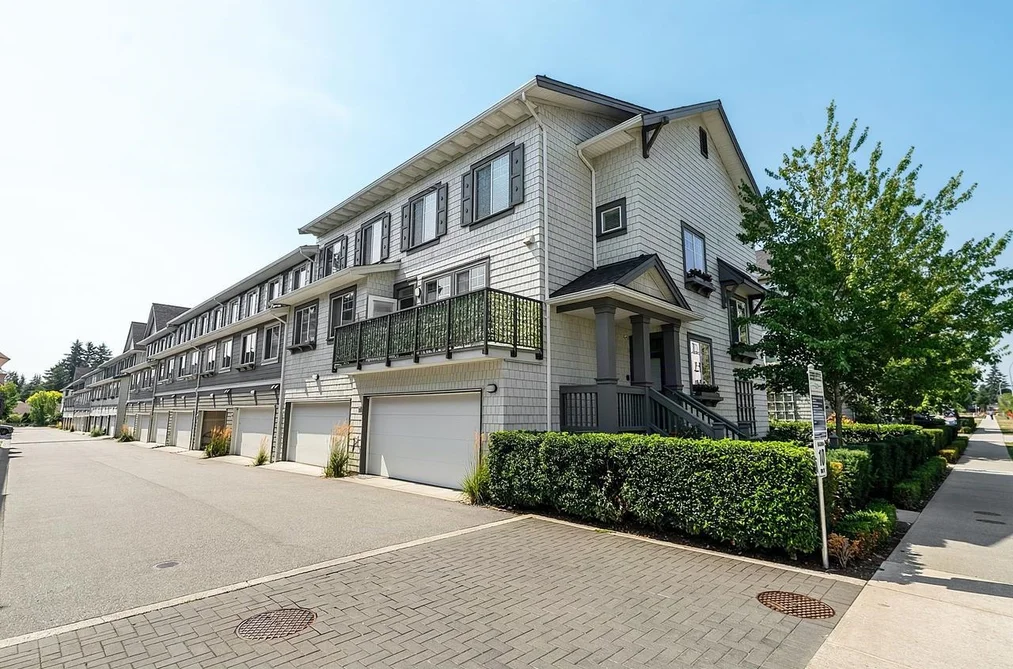
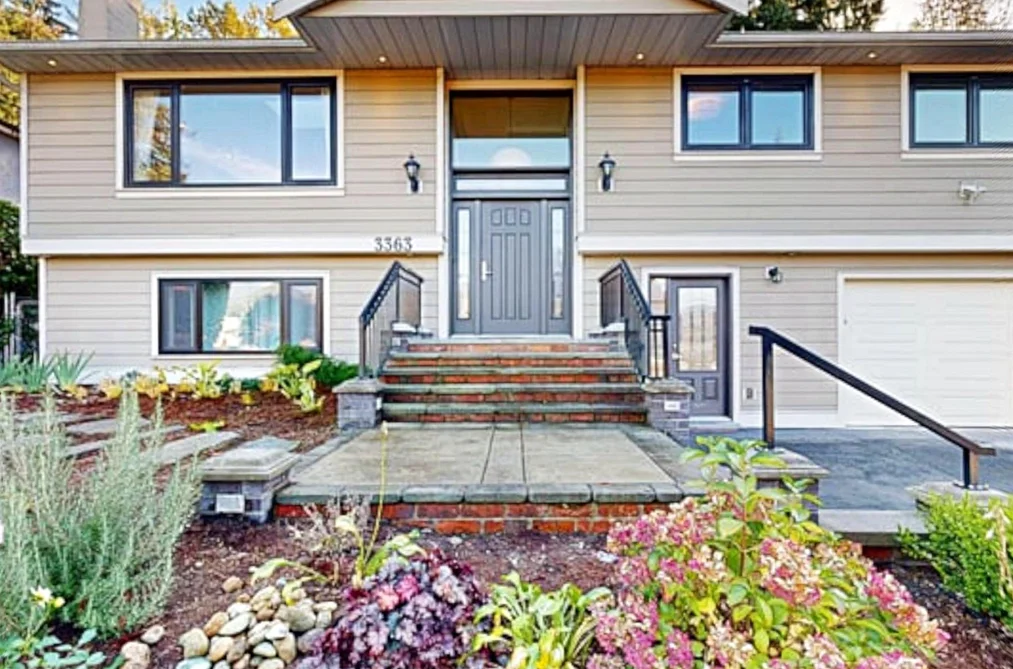
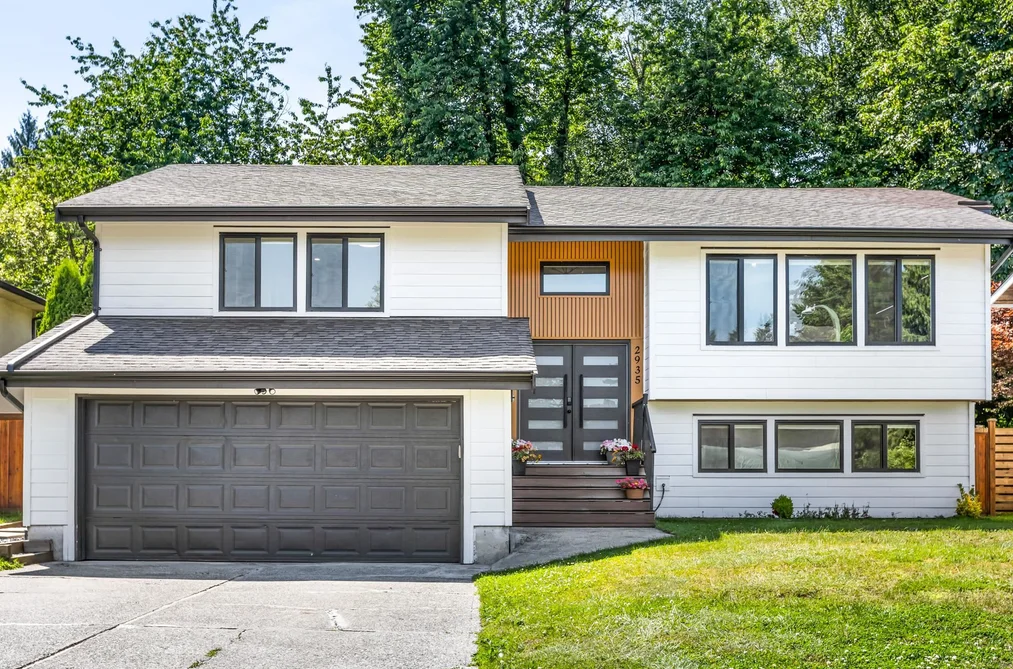
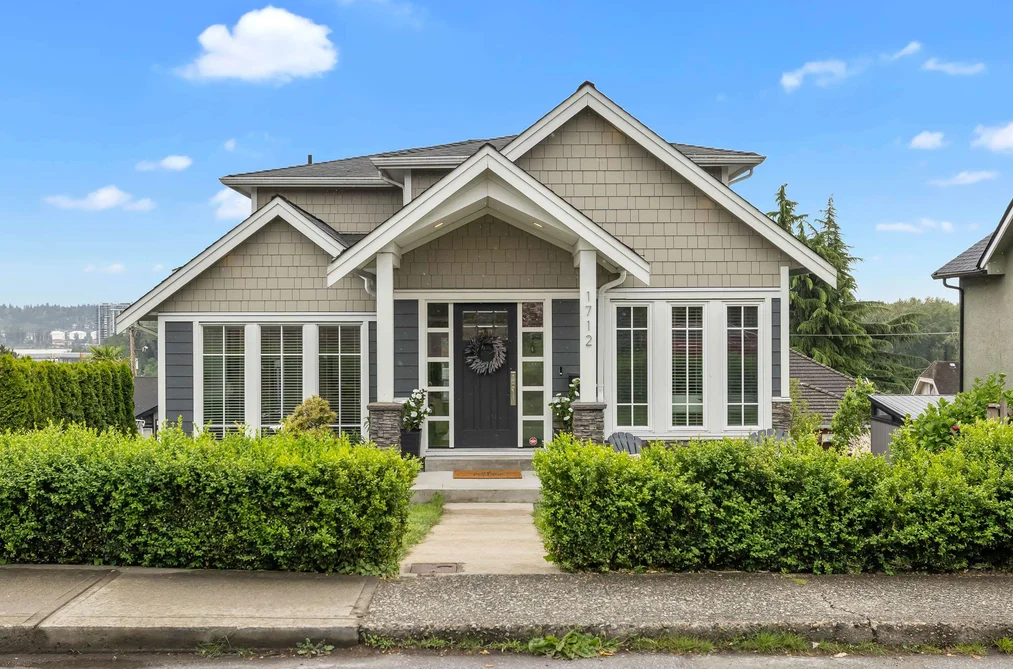
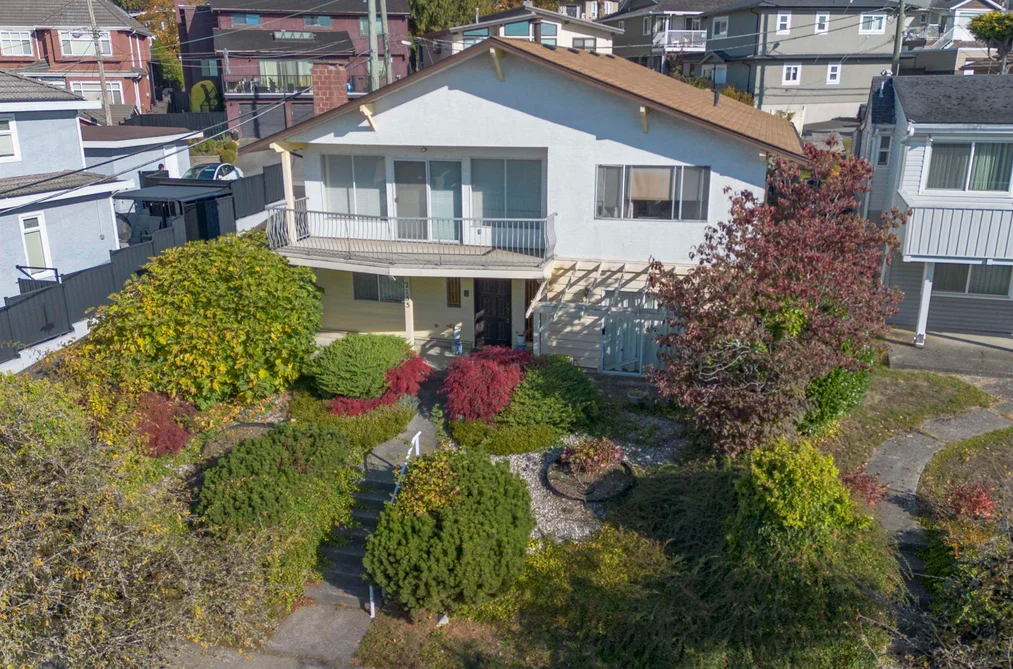
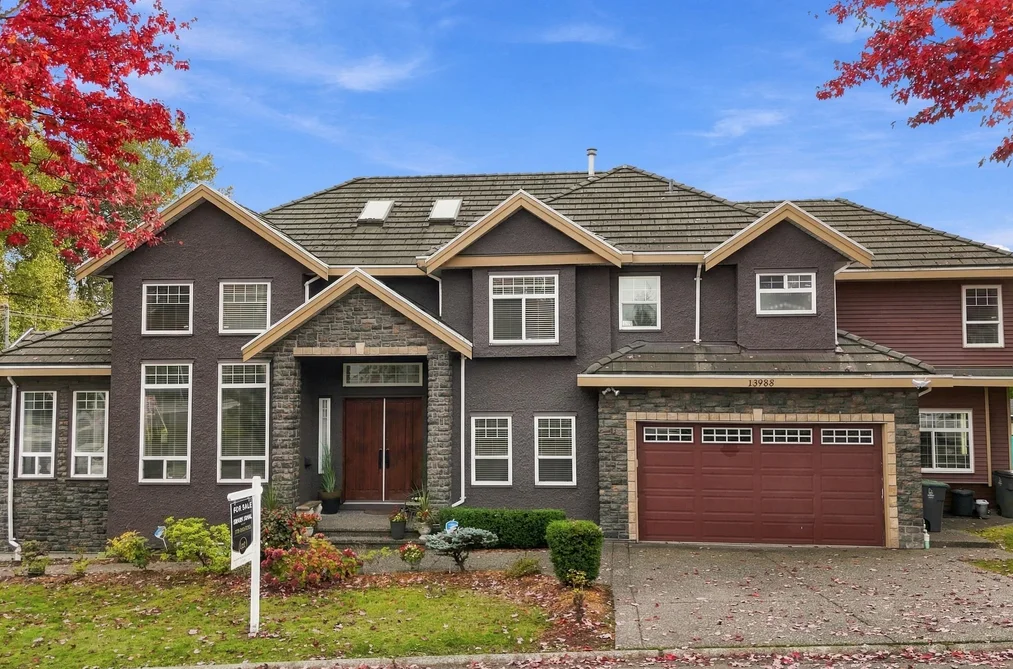
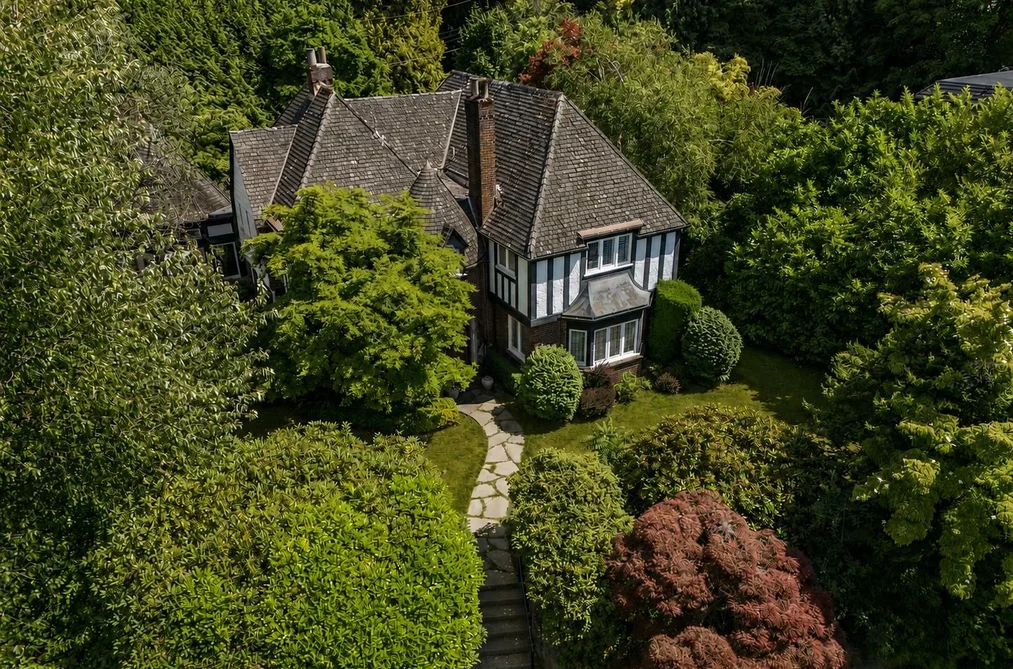
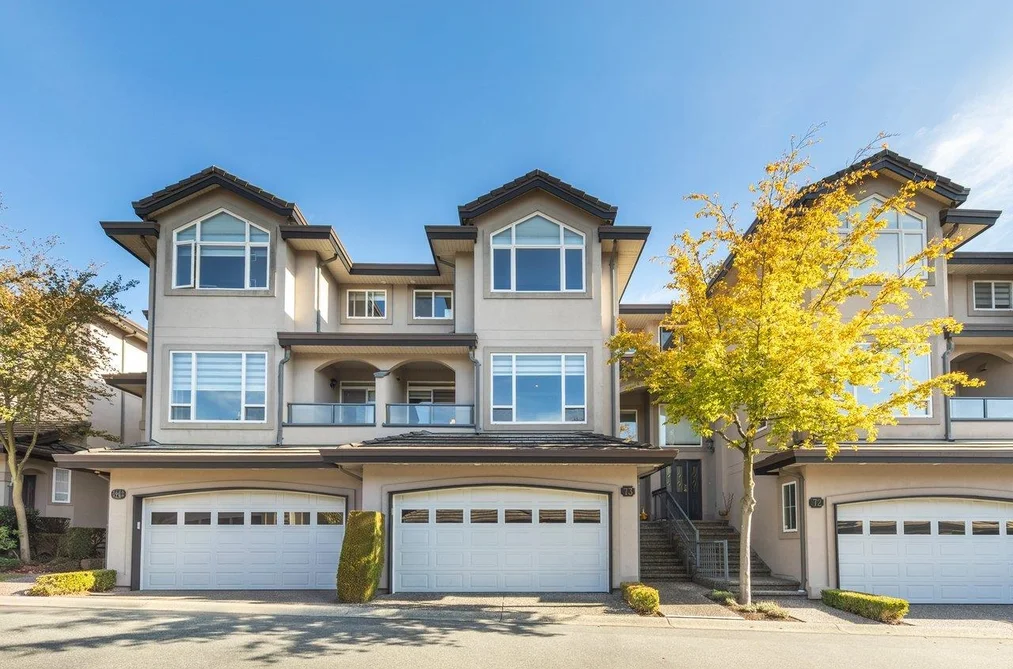
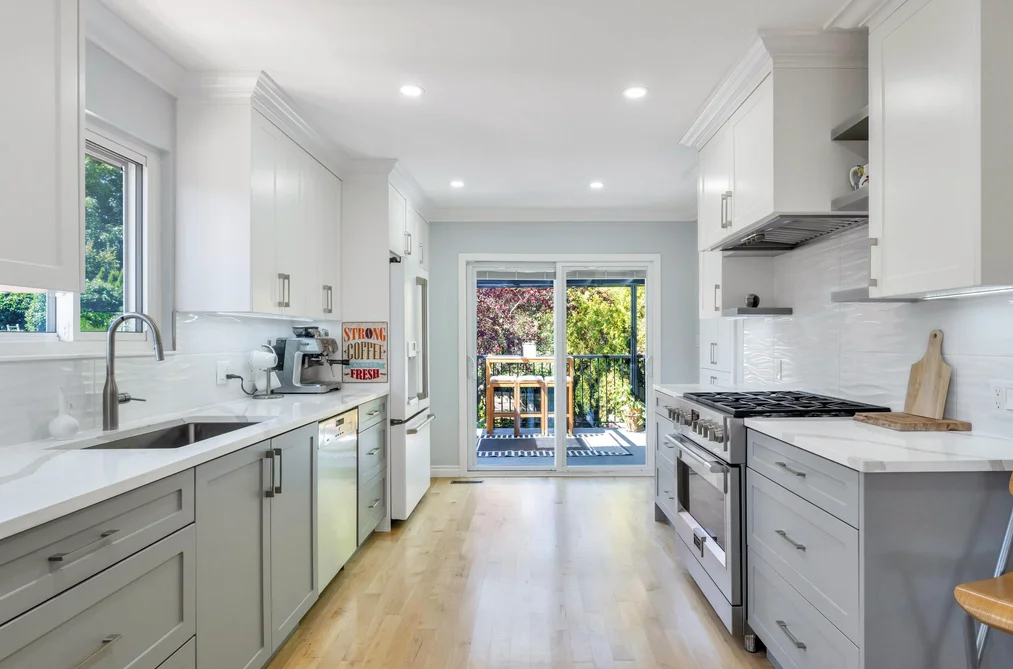
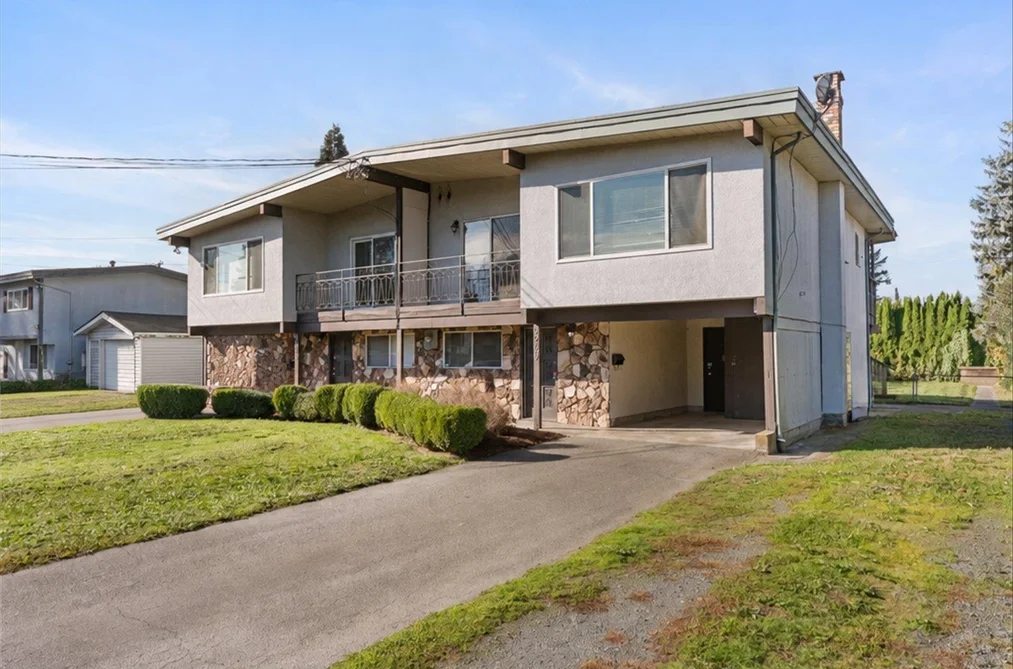
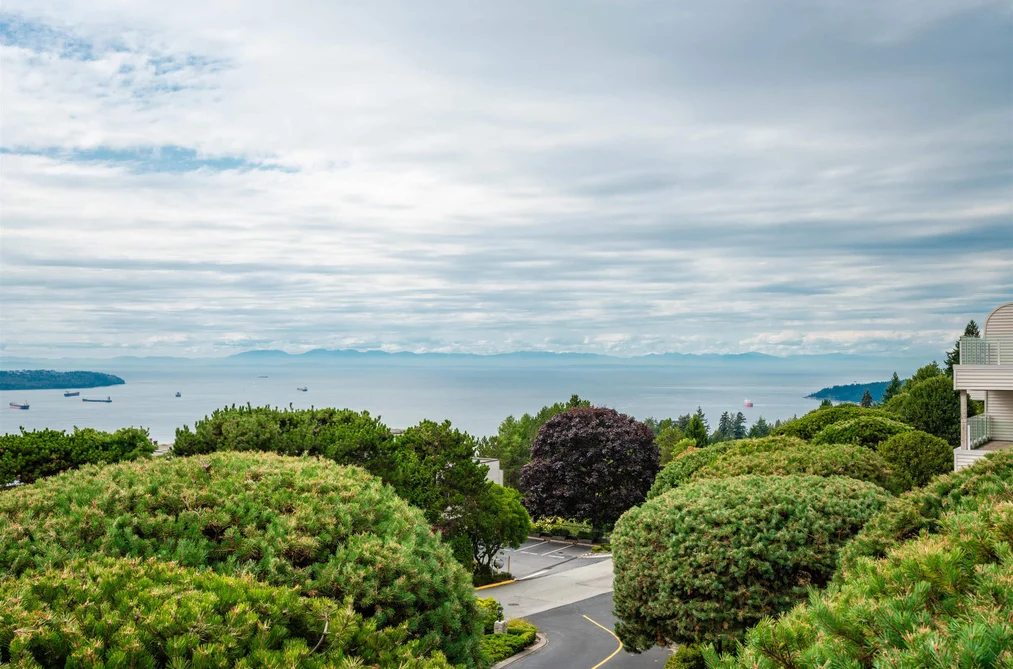
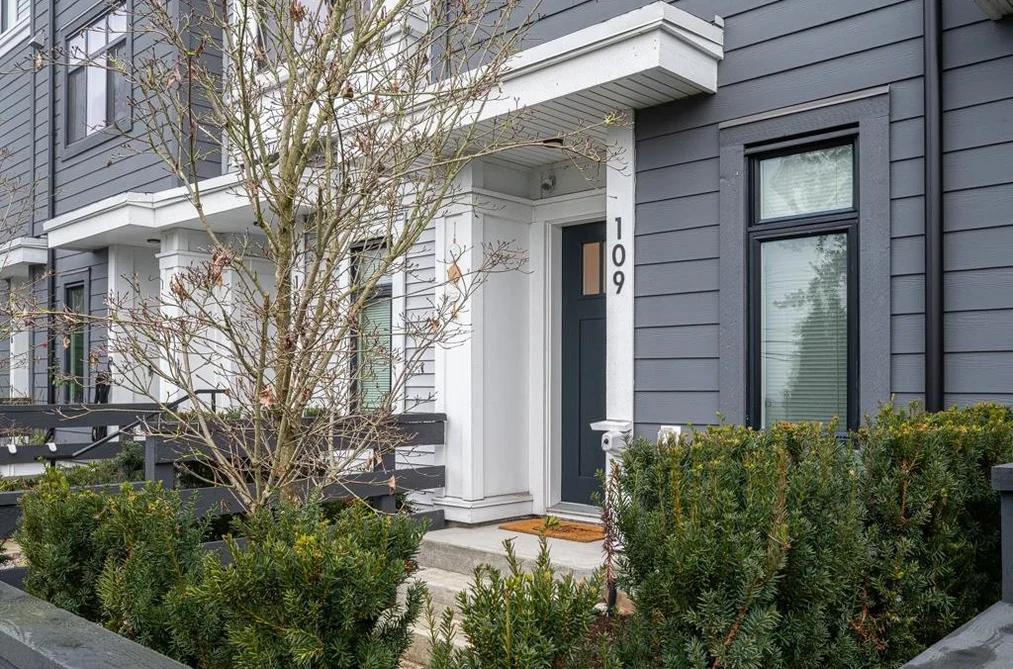
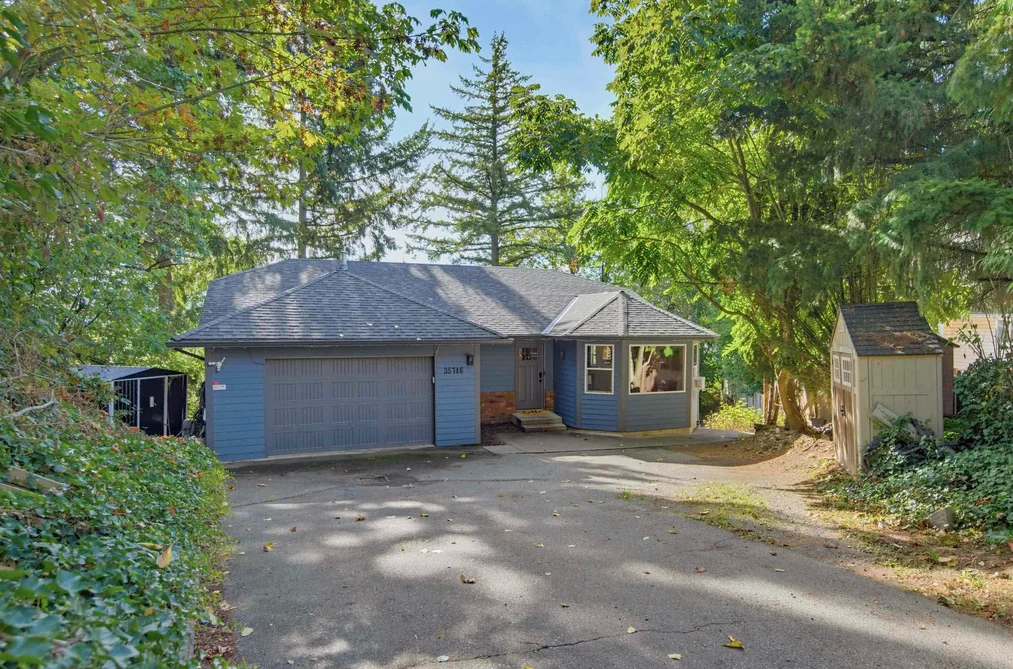
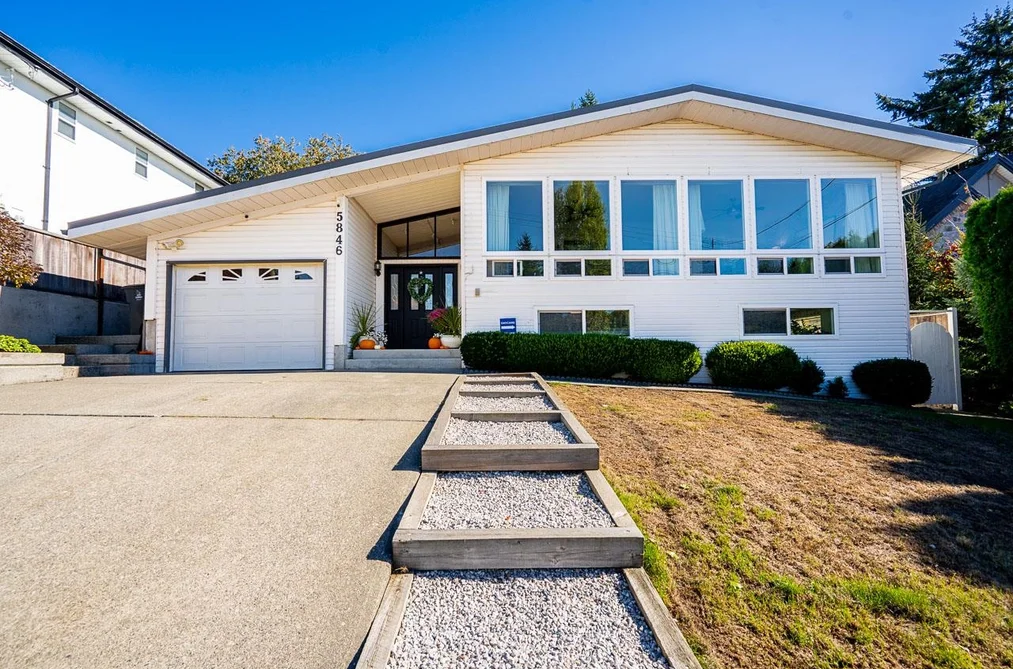
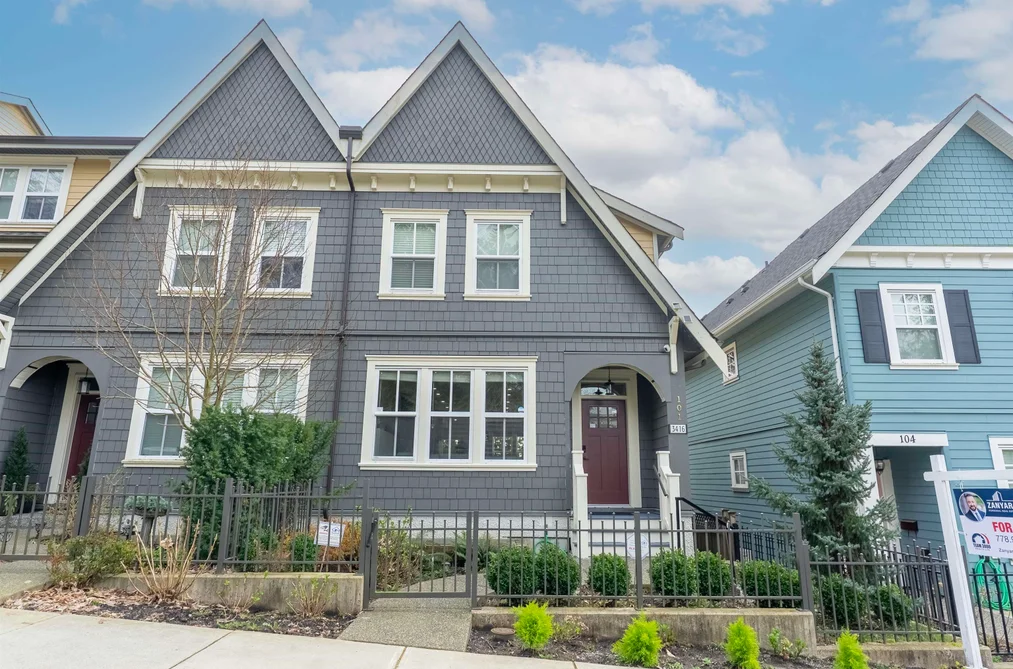
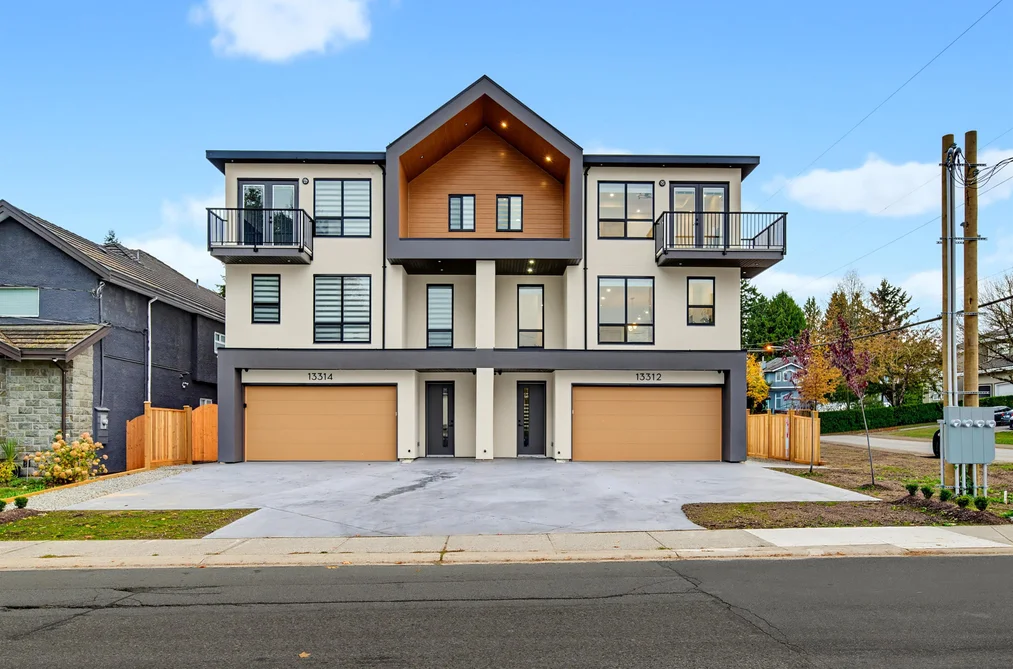
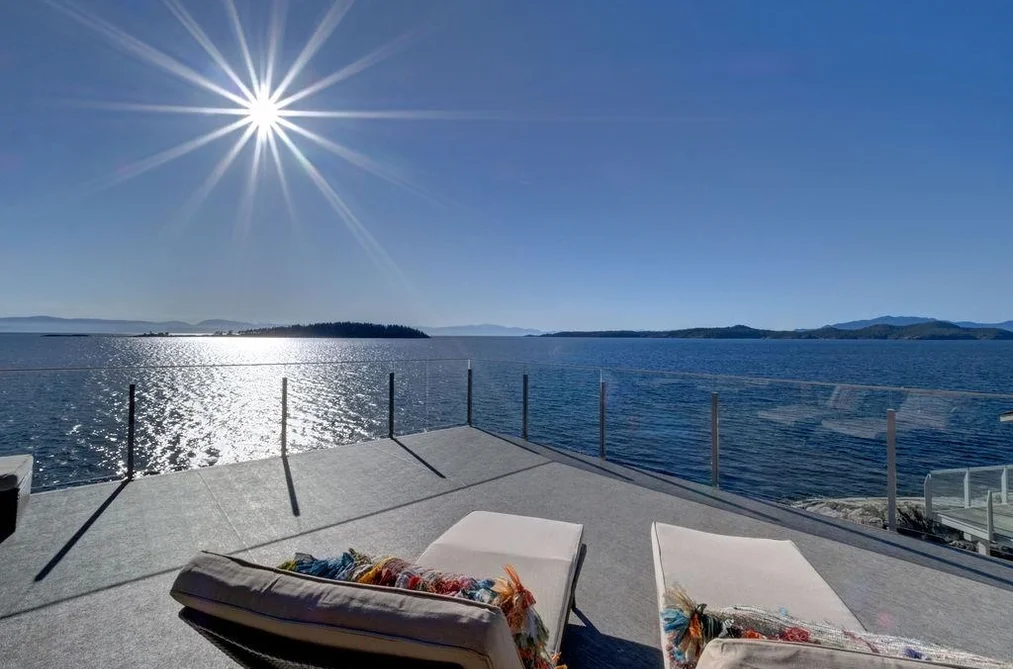
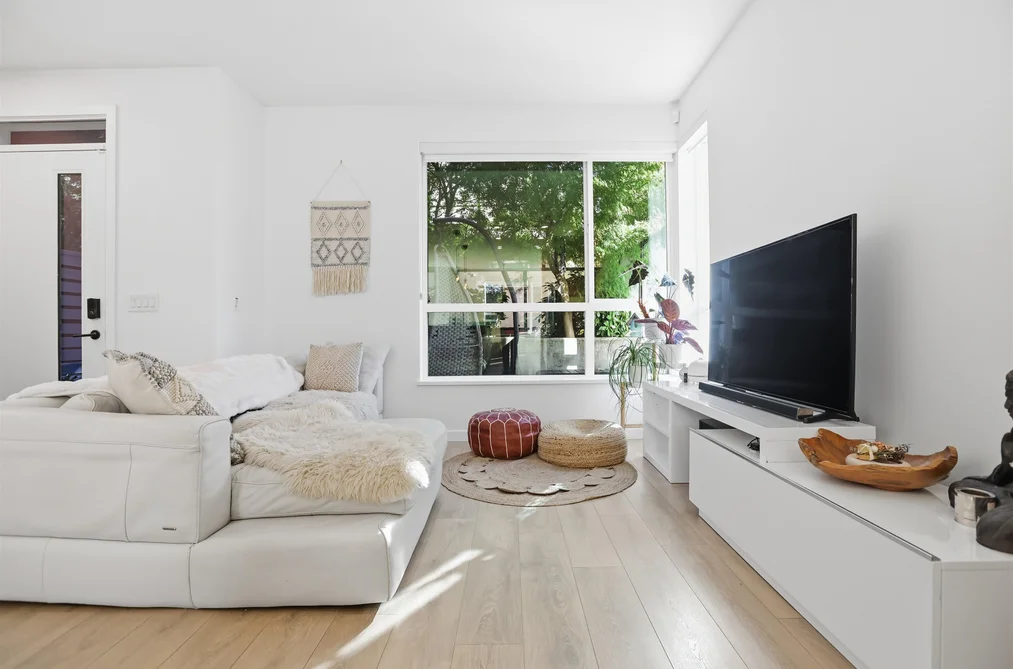
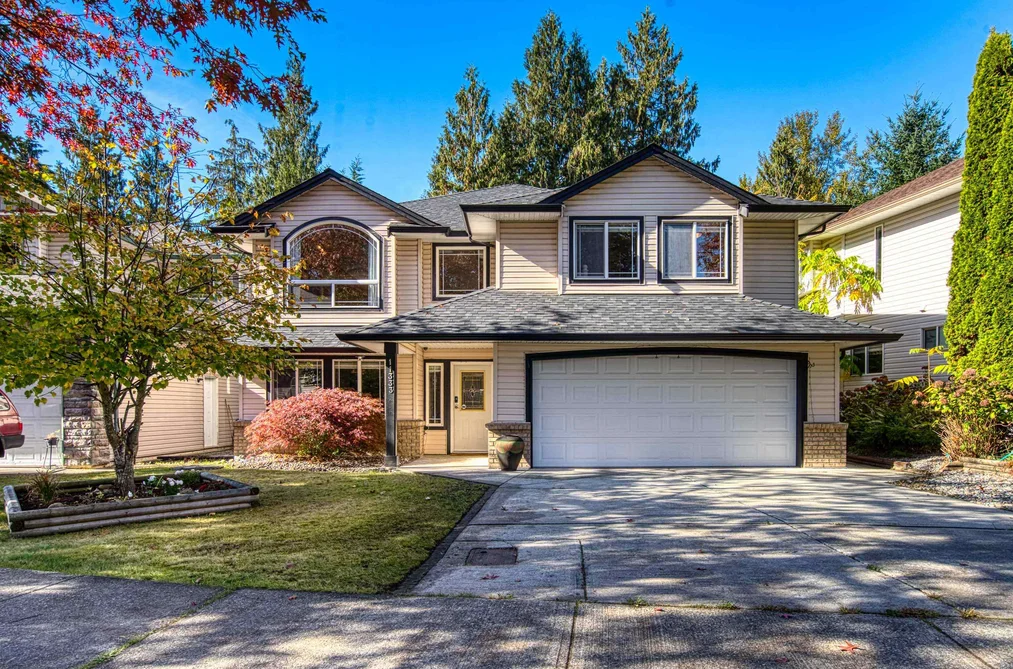
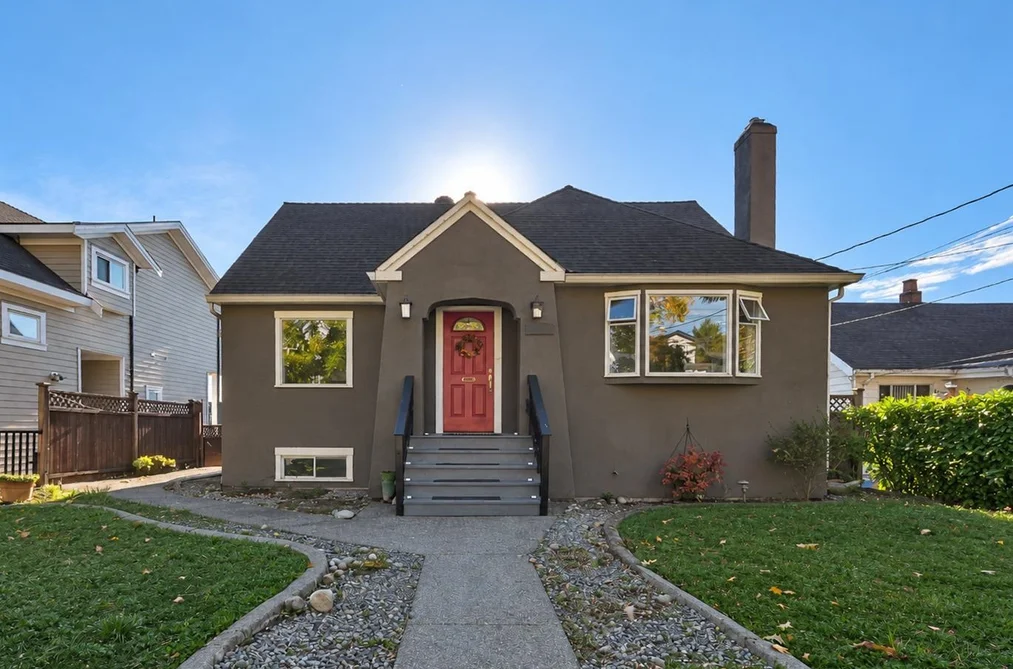
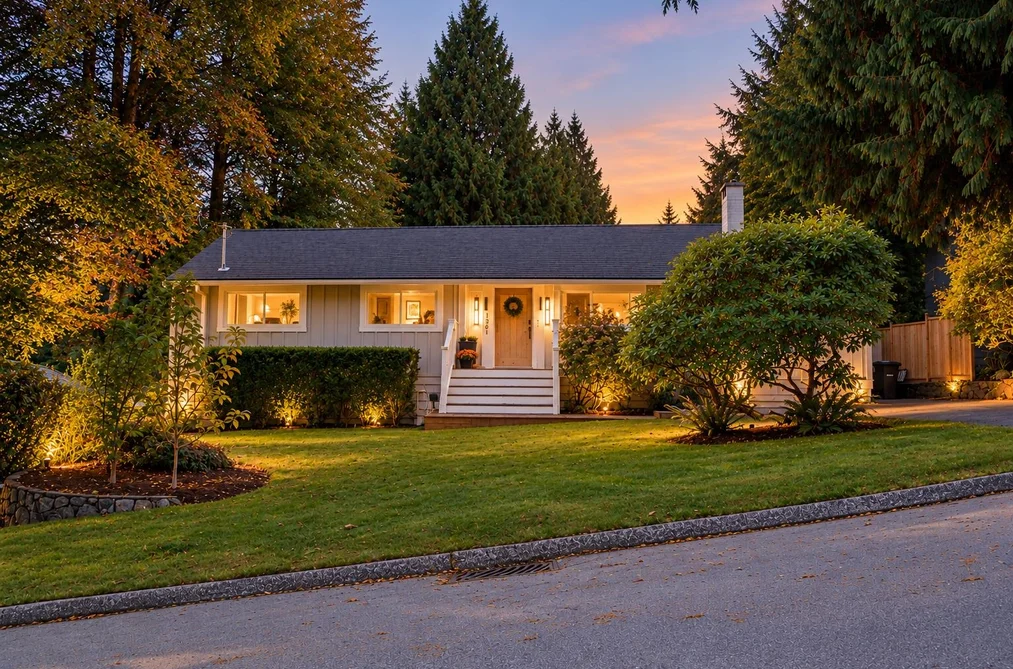
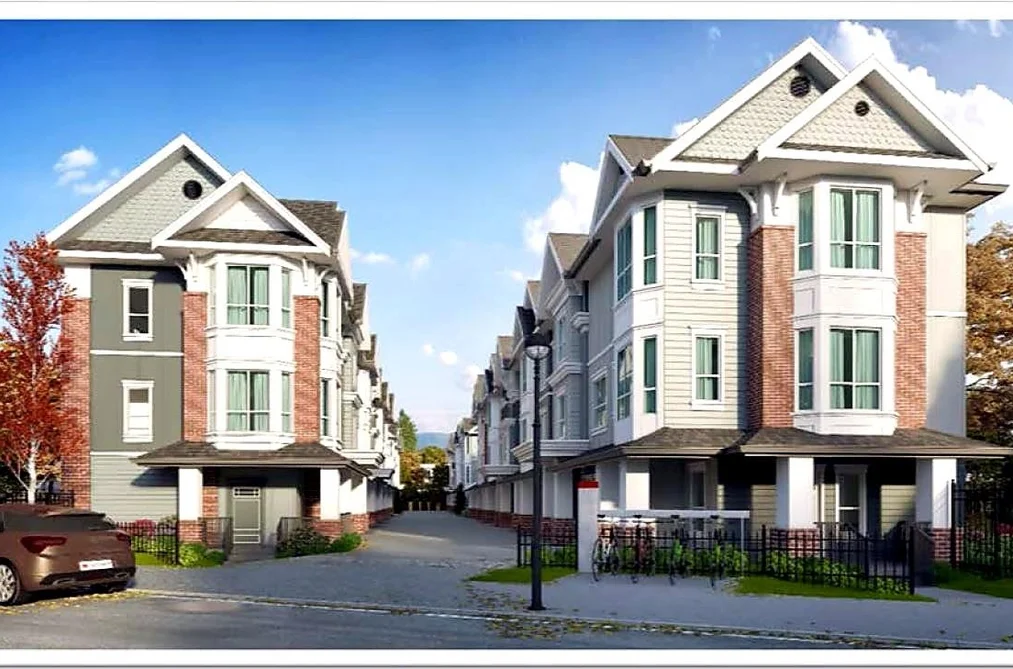
For Sale
1 day
- $2,499,000
- 9 bed
- 5 bath
- 5044 sqft
MLS® R3177078
•eXp Realty of Canada Inc.
Browse homes with a Lower Level for sale in Greater Vancouver and check the moisture history, the ceiling height and the permits before you remove subjects.
Lower Level space carries more risk than any other part of a Greater Vancouver house, so check the moisture history, the drains and the permits before you remove subjects.
Below grade, water is the whole story. Look along the base of the walls for efflorescence, staining or fresh paint applied only to the bottom band, and press the drywall at floor level in the corners. Ask when the perimeter drains were replaced, whether a sump pump is installed and how often it runs, and where the downspouts discharge. Ask the listing agent directly whether the space has ever flooded, and have your inspector run moisture readings rather than judging by smell.
A finished space is only worth what the paperwork supports. Measure the ceiling height, because a suite has a minimum and a low ceiling rules out ever legalising one. Every sleeping room needs an egress window sized to the building code, and a separate entry matters if a suite is part of your plan. Request the permit history from the municipality for any finishing, wiring or plumbing, since unpermitted work can complicate insurance and slow your lender at exactly the wrong moment.
Appraisers and buyers value below-grade area differently from space above it, usually at a discount, so do not assume the finished square footage carries the same price as the main floor. Search homes for sale in North Vancouver, Burnaby and Coquitlam and compare what a legal suite adds against an unpermitted rec room. Ask your agent for sold comparables, ask a mortgage professional how much suite income a lender will count, and check what the land and the lot would allow if you ever wanted to build instead.