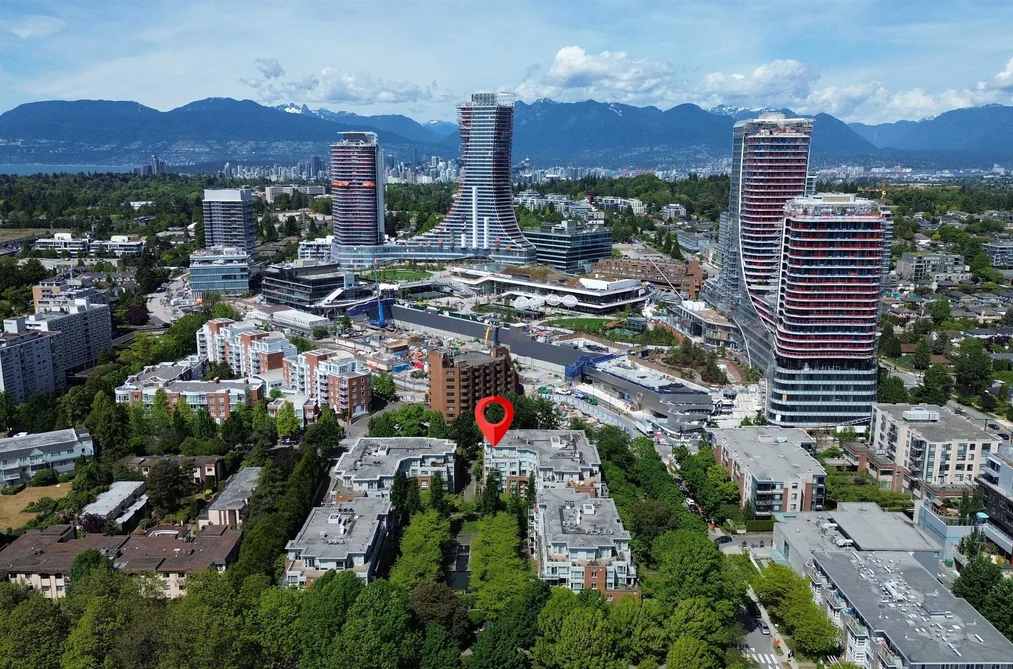
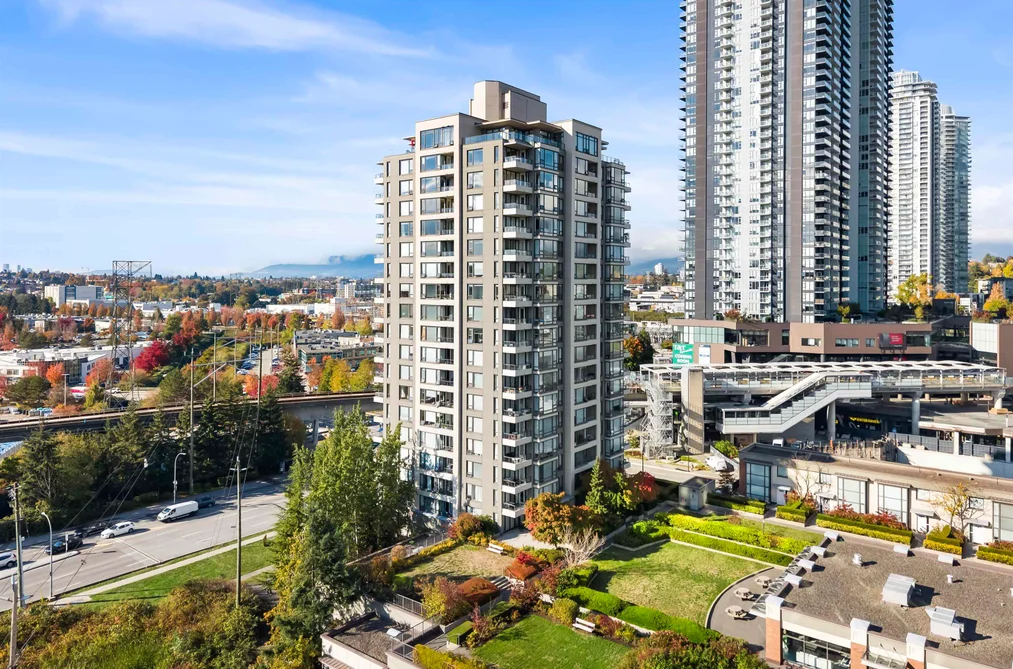
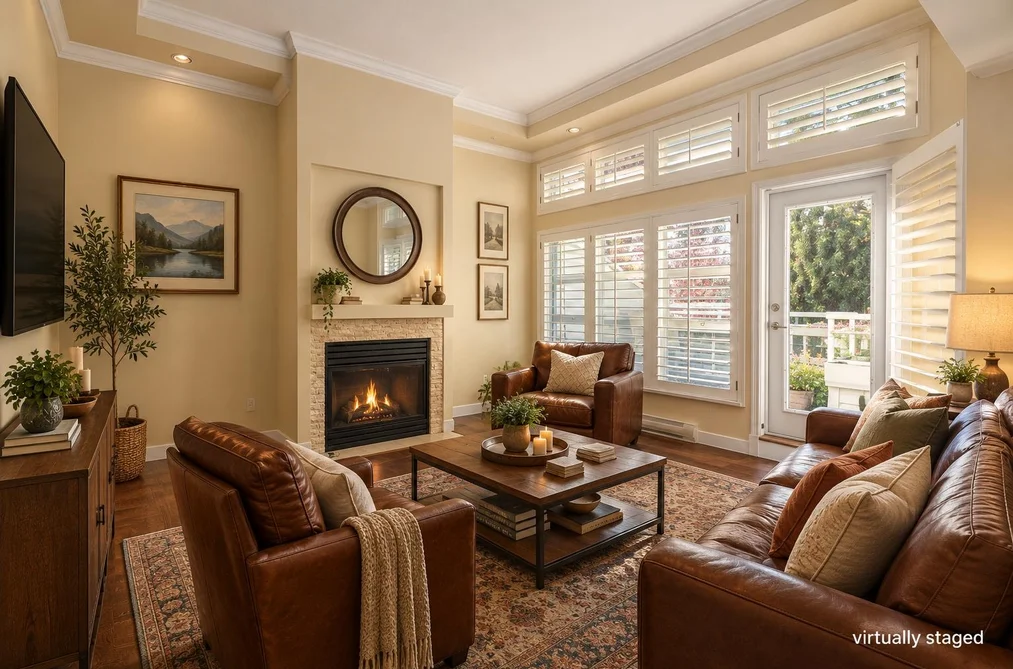
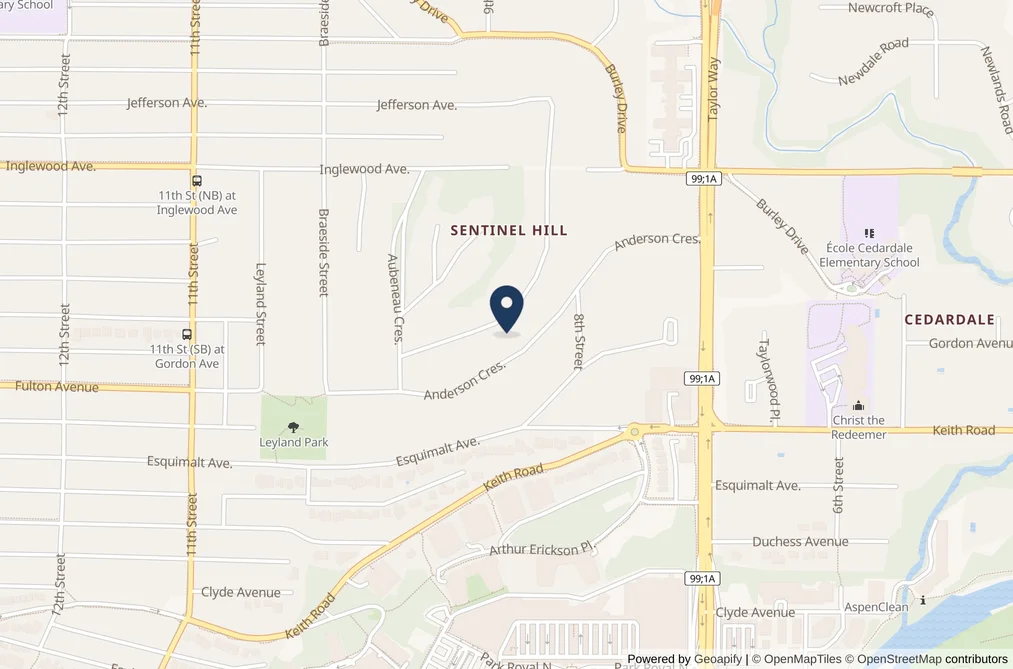
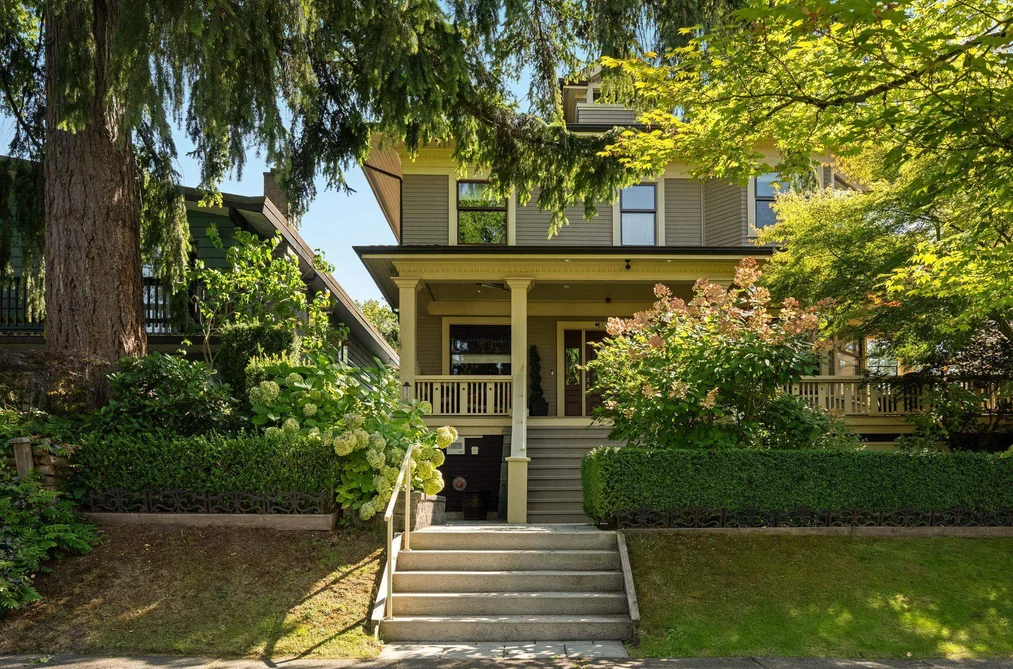
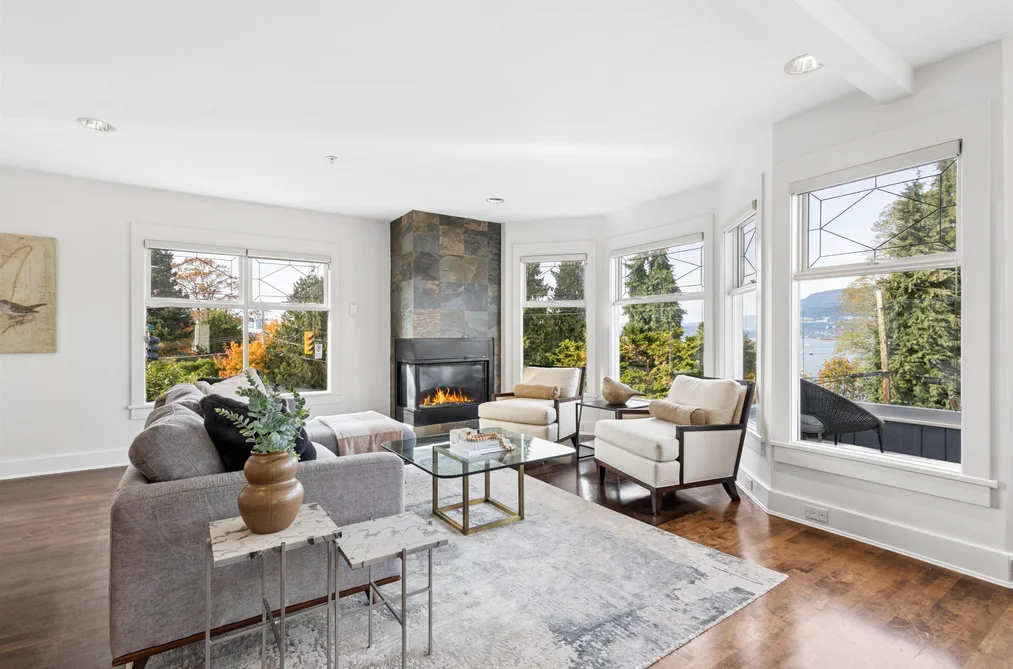
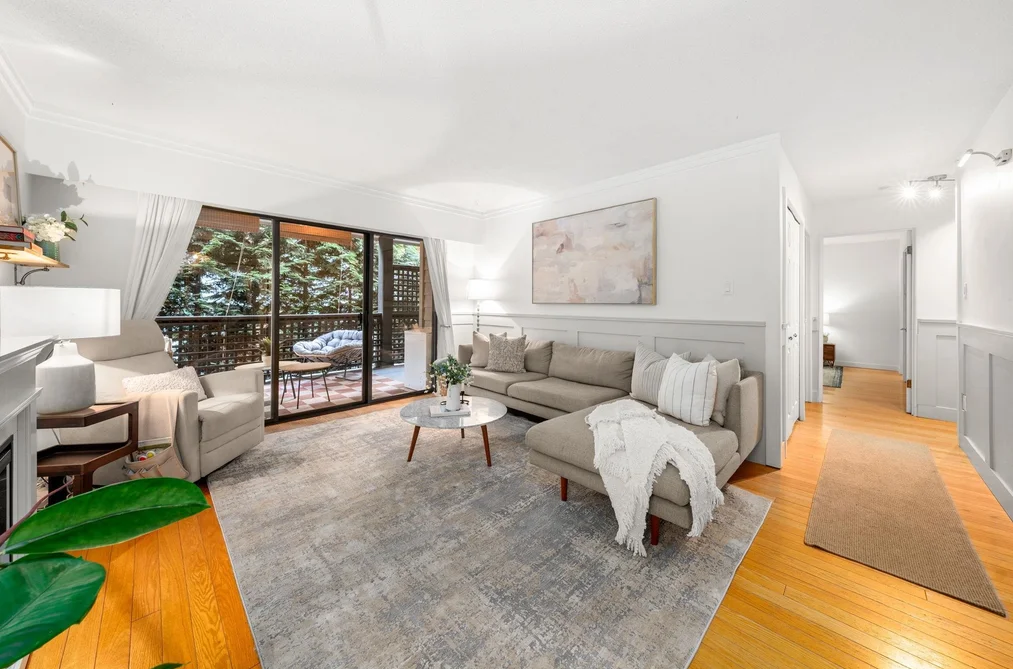
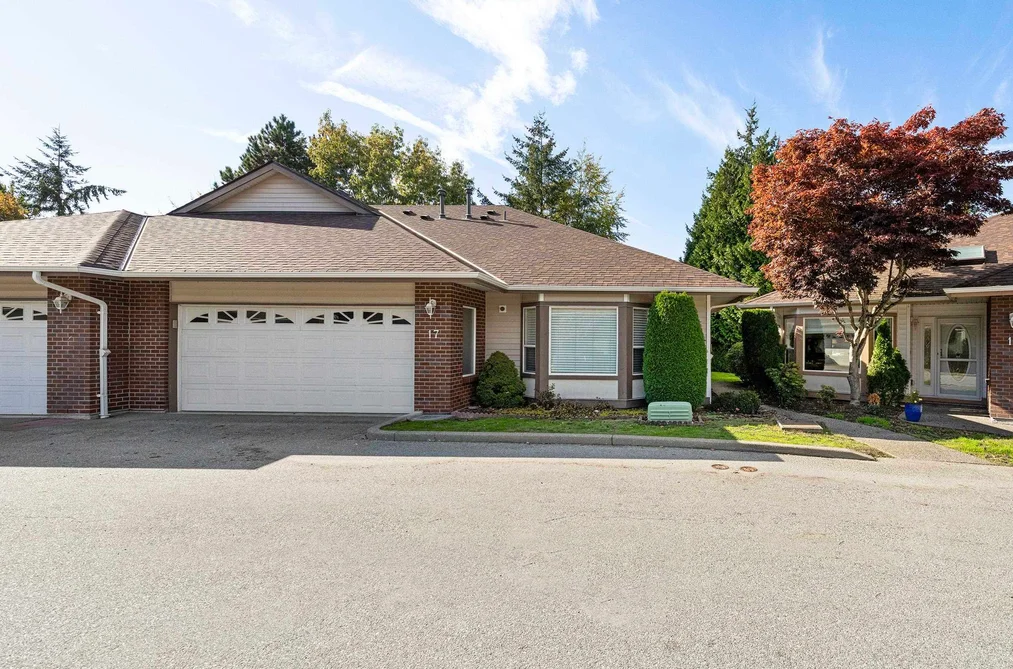
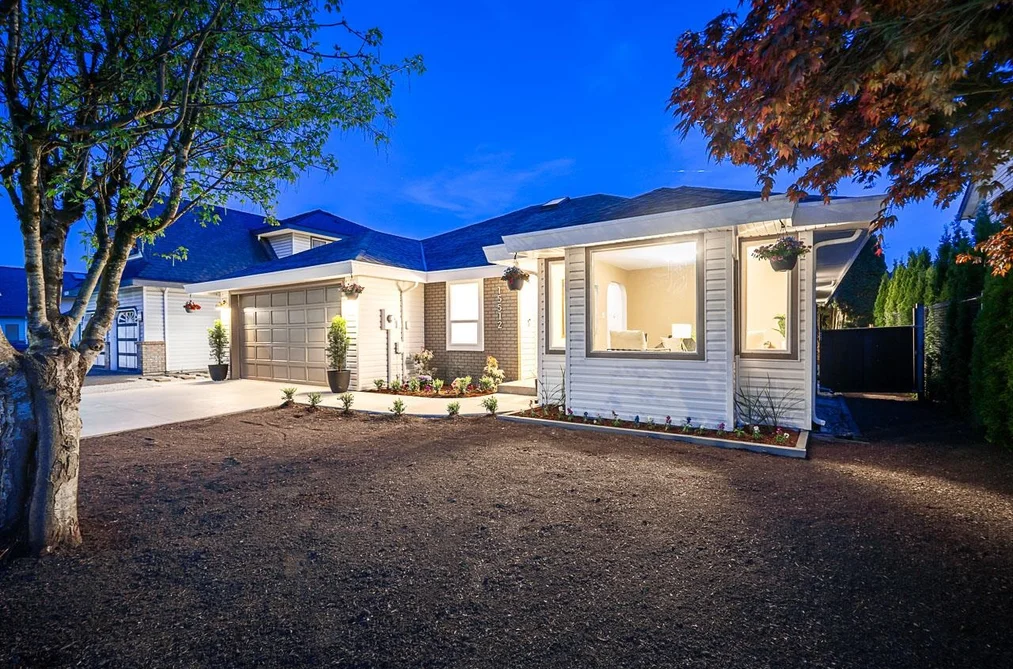
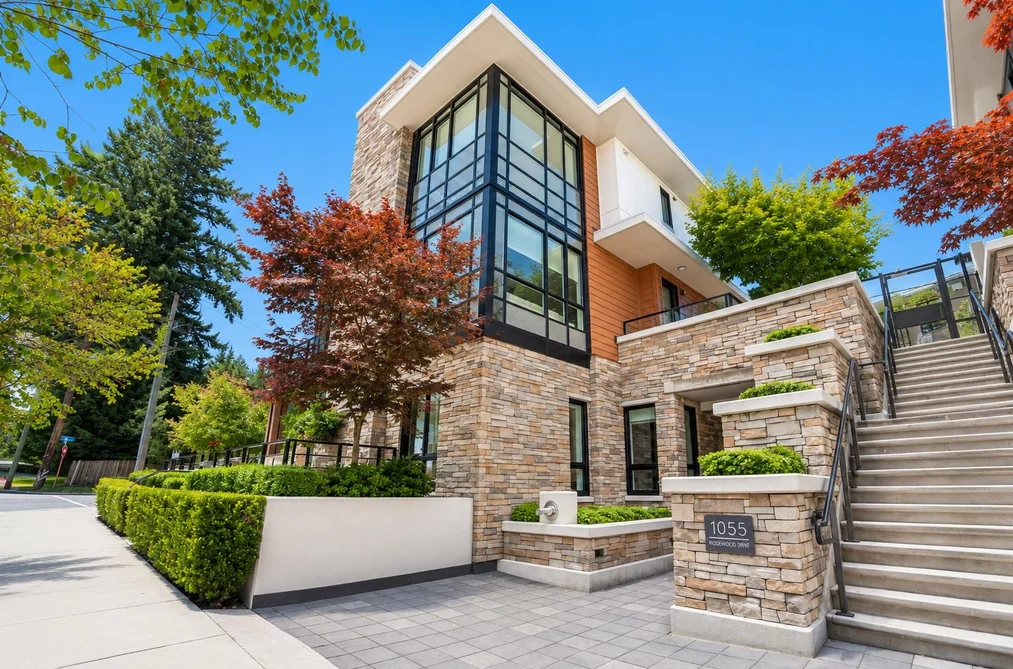
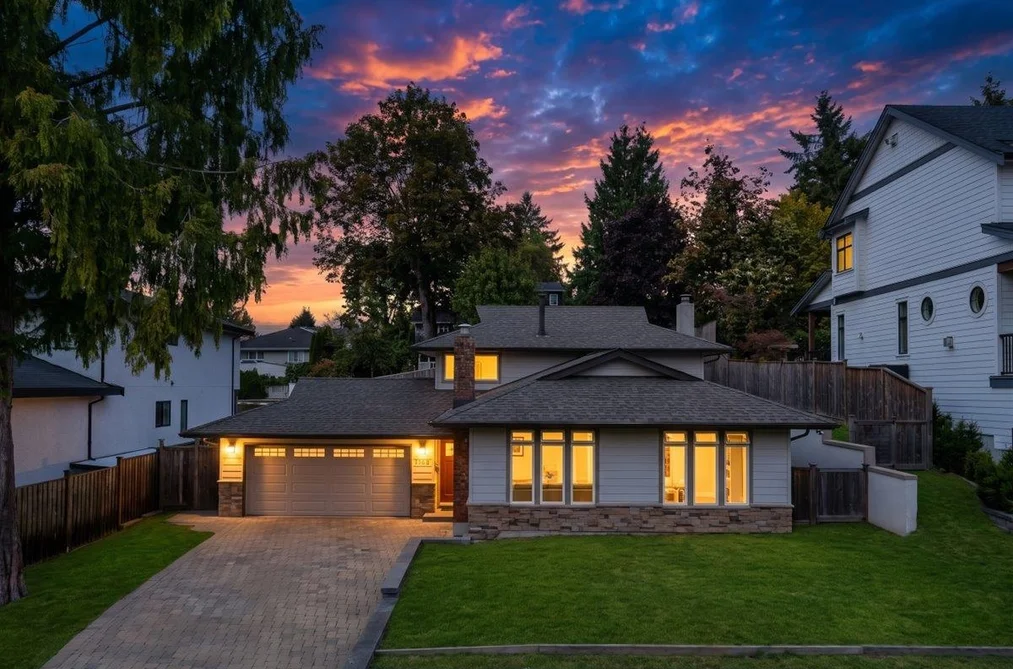
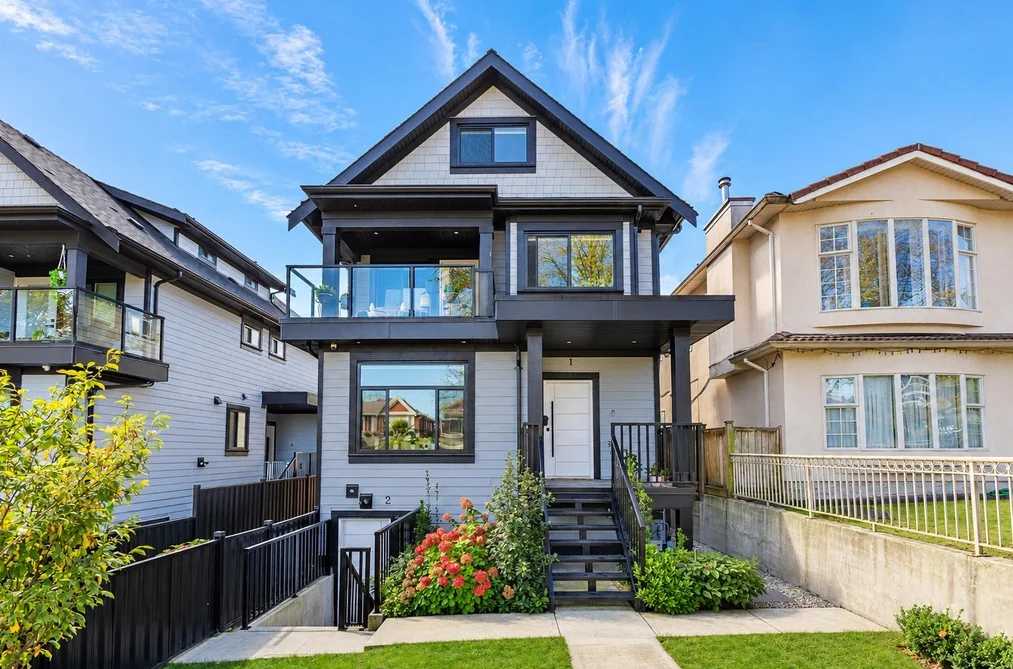
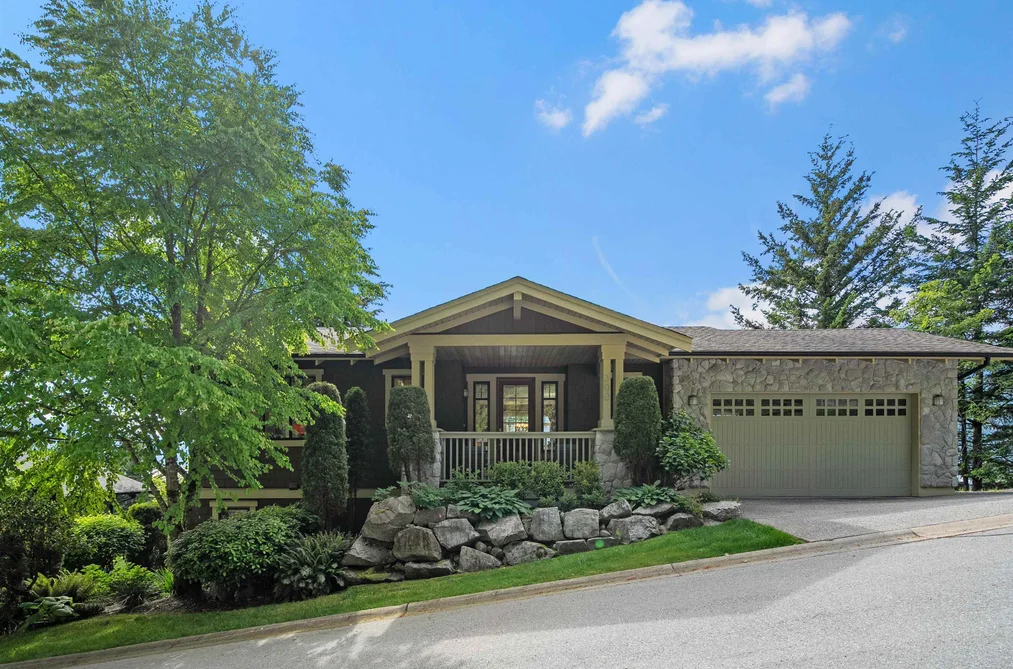
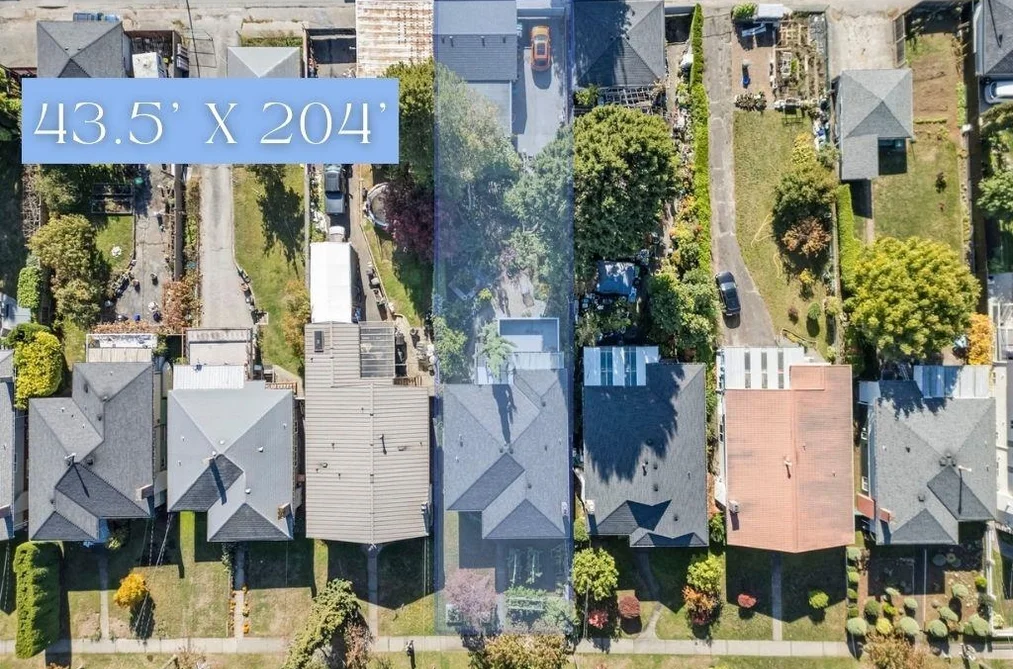
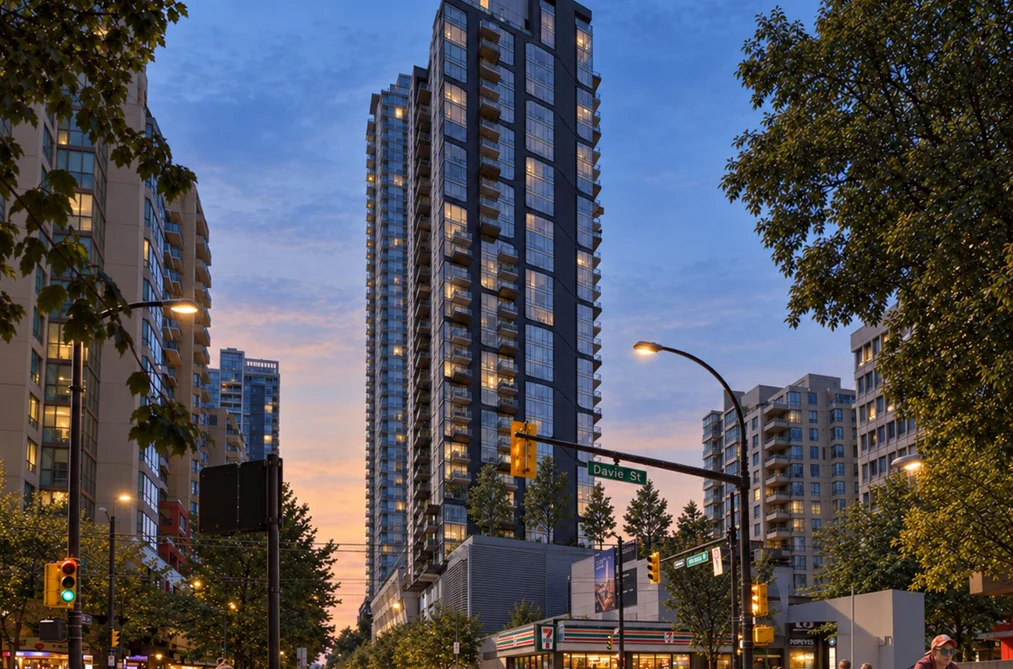
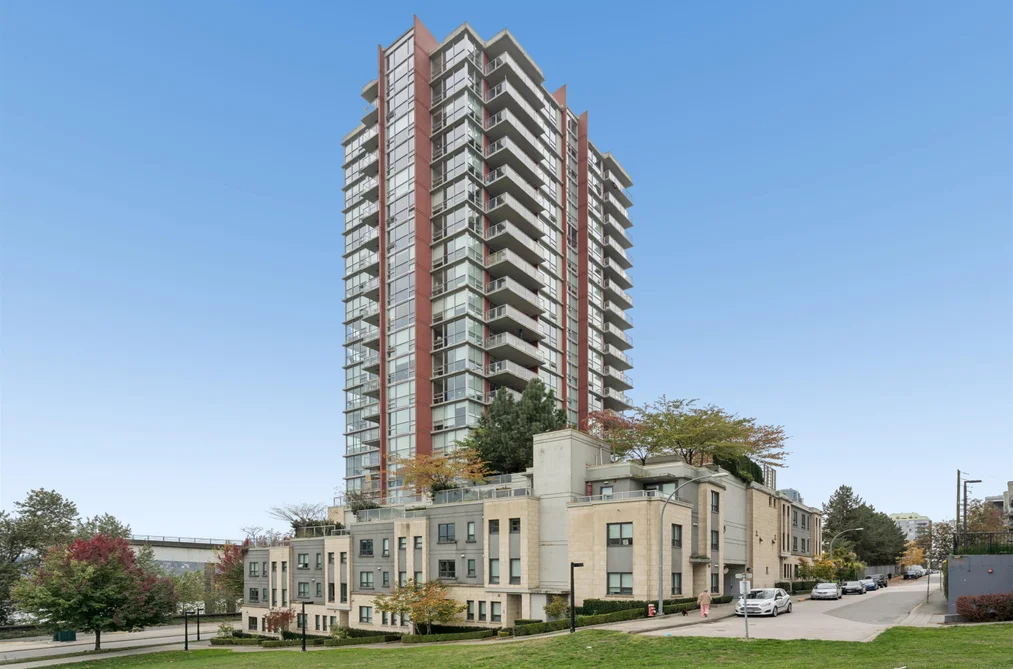
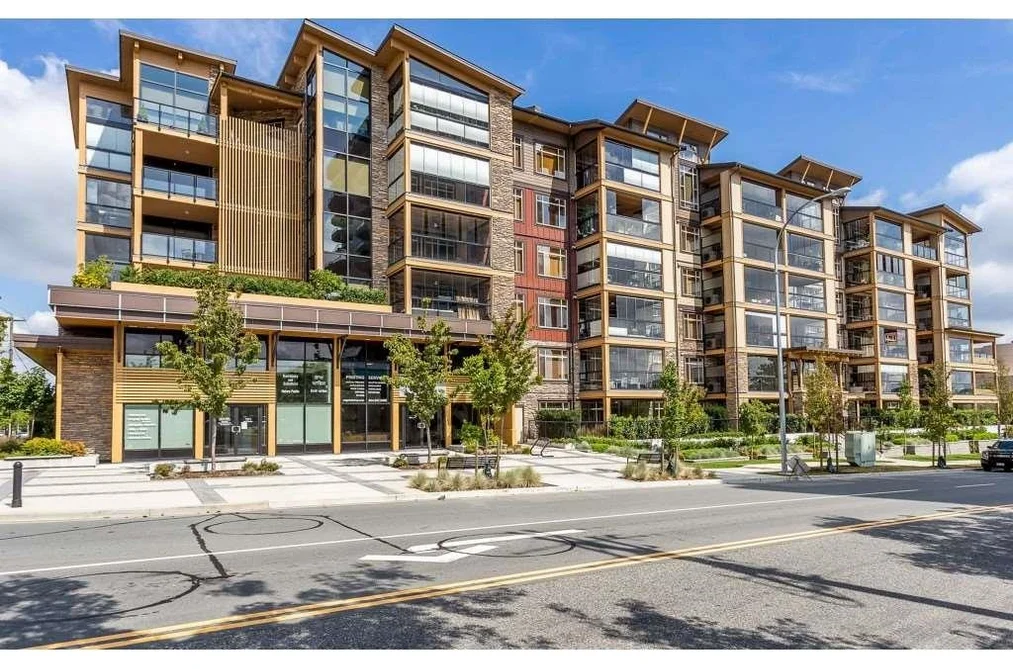
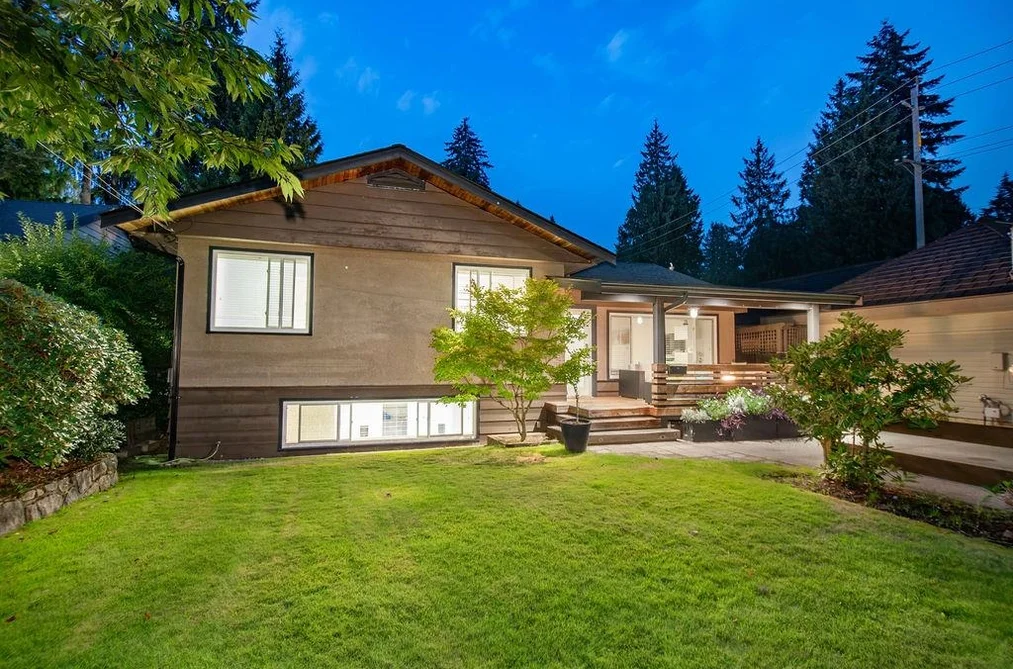
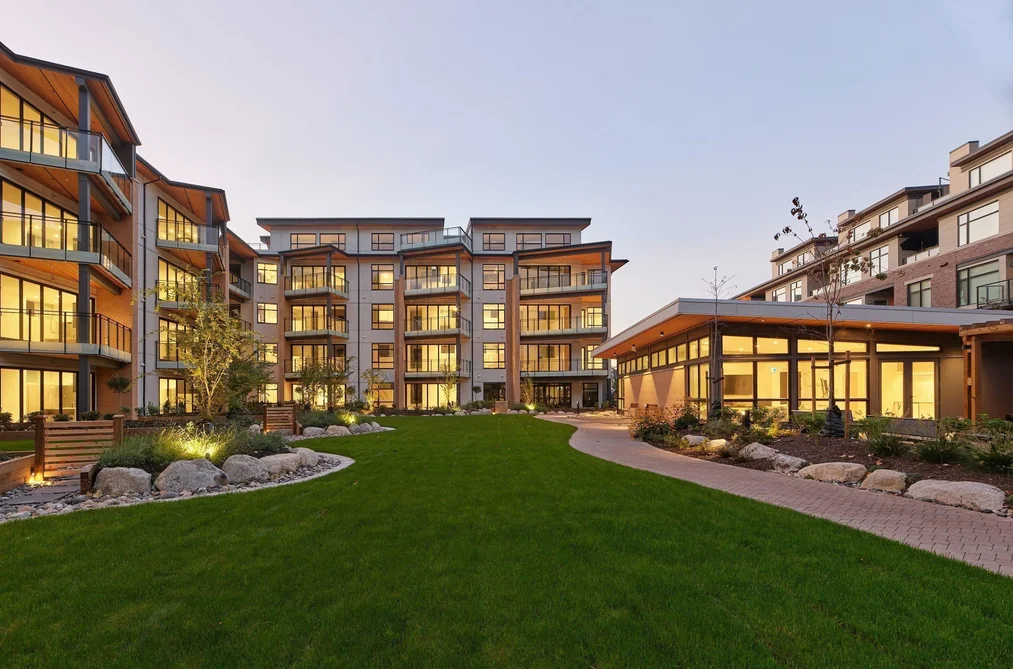
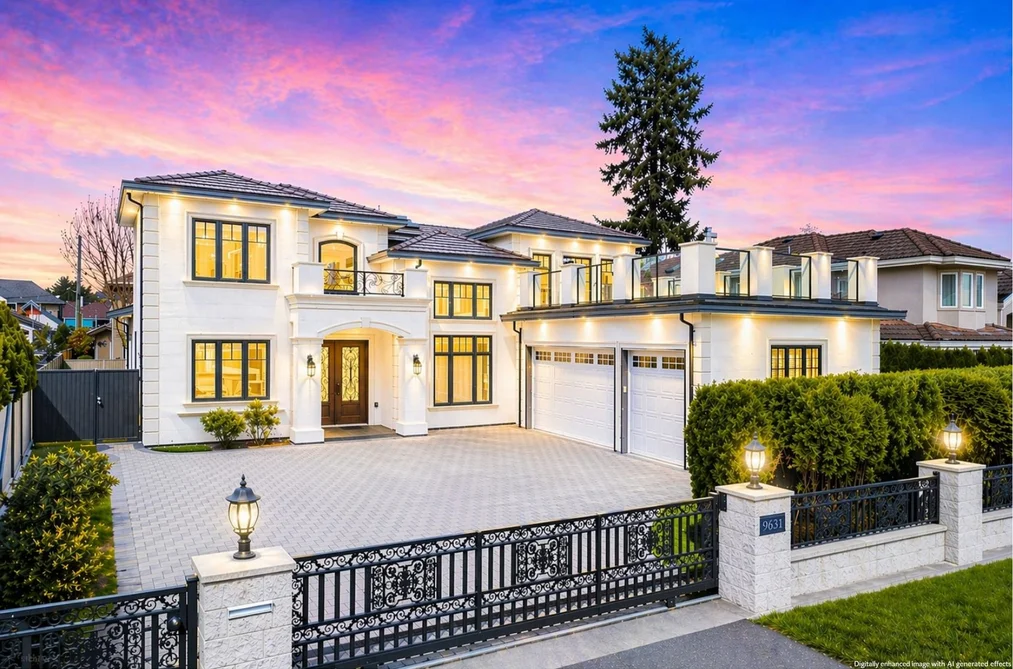
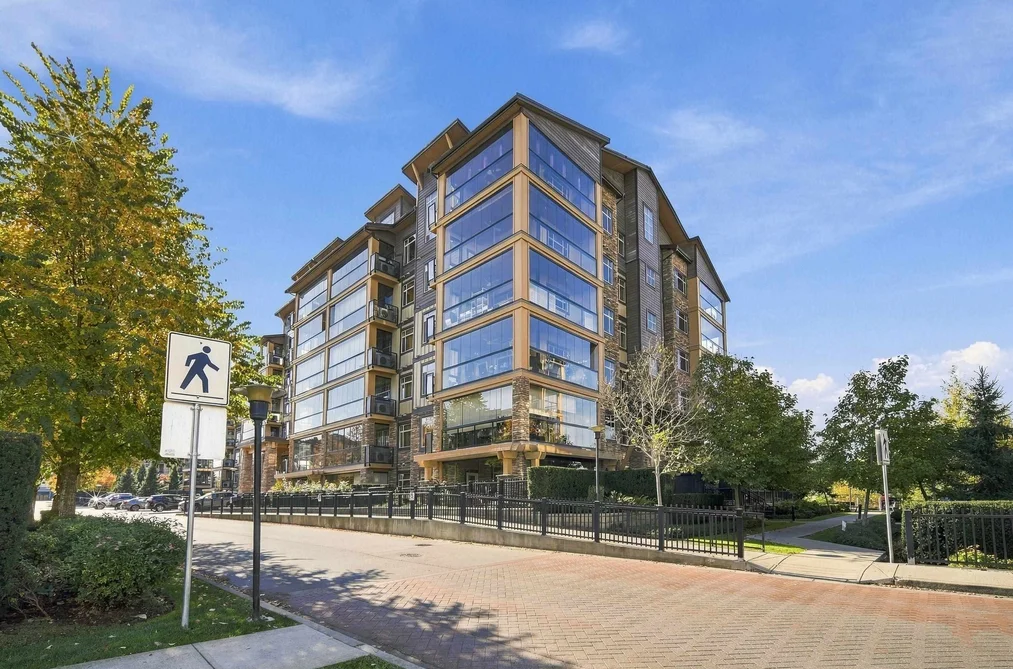
For Sale
1 day
- $1,250,000
- 3 bed
- 2 bath
- 1246 sqft
MLS® R3176925
•Stilhavn Real Estate Services
Open Sat, Oct 24, 2 p.m.
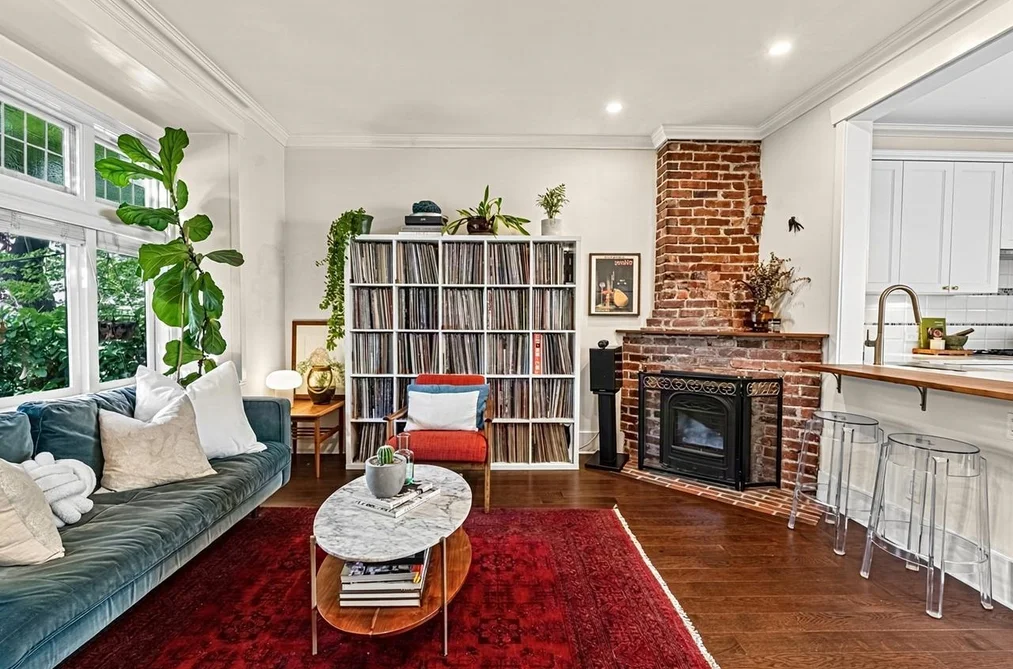
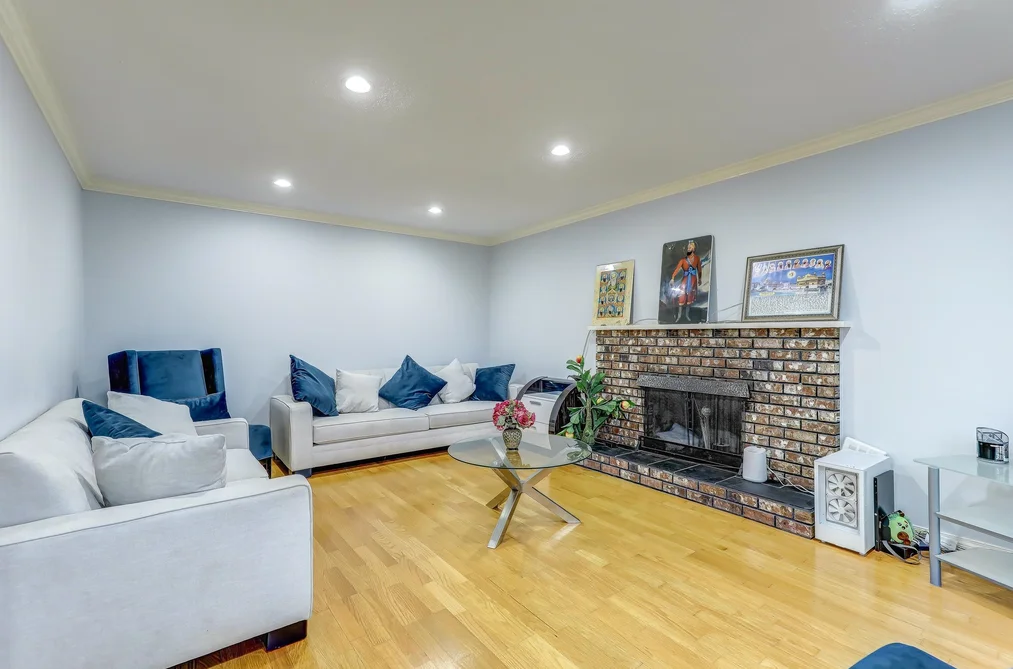
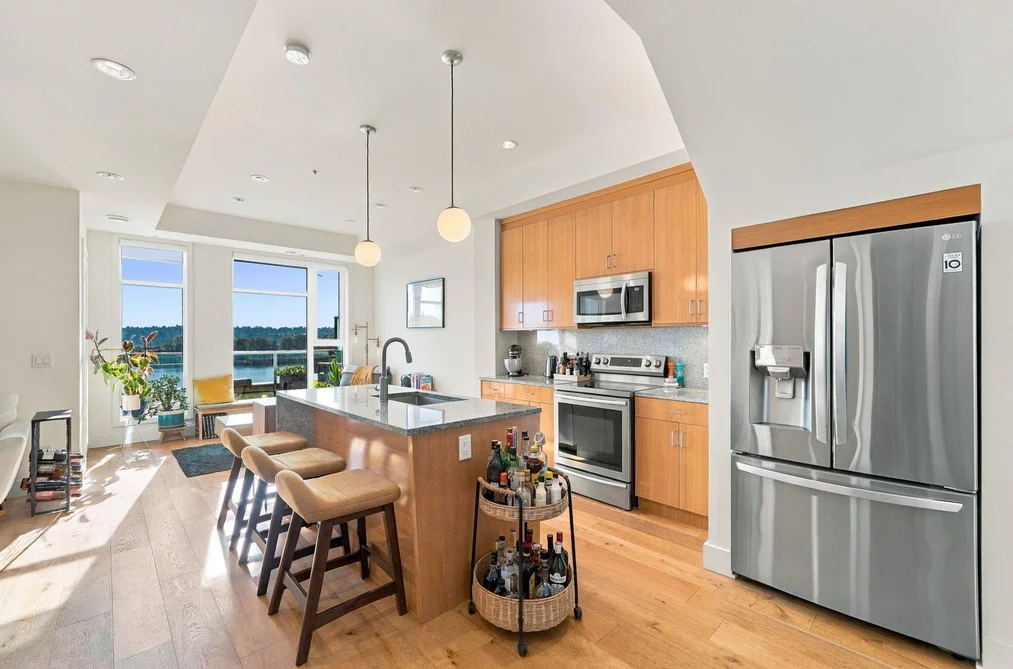
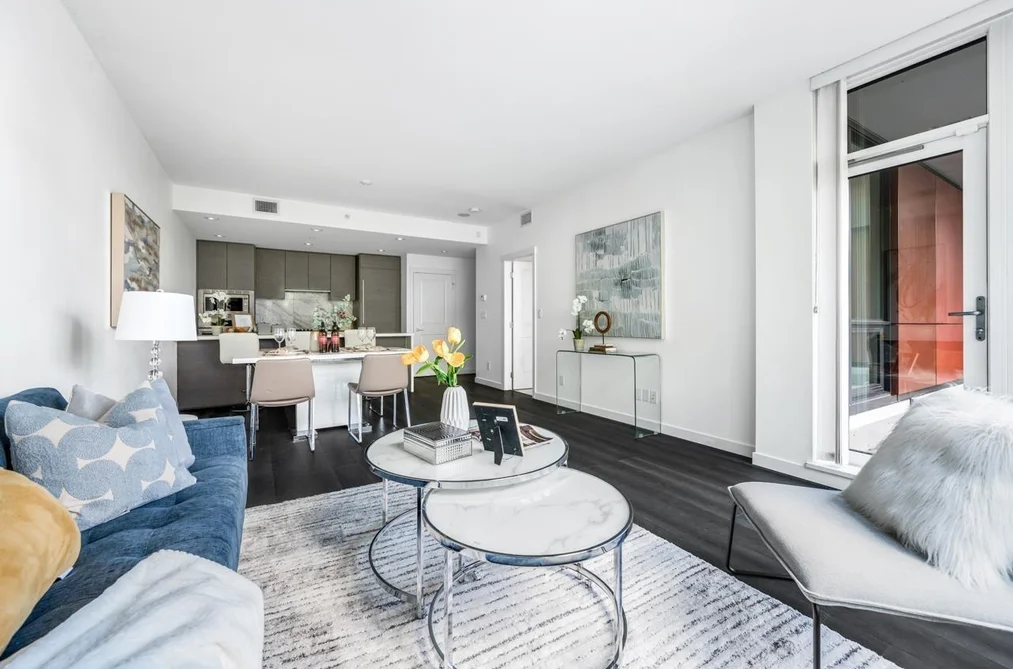
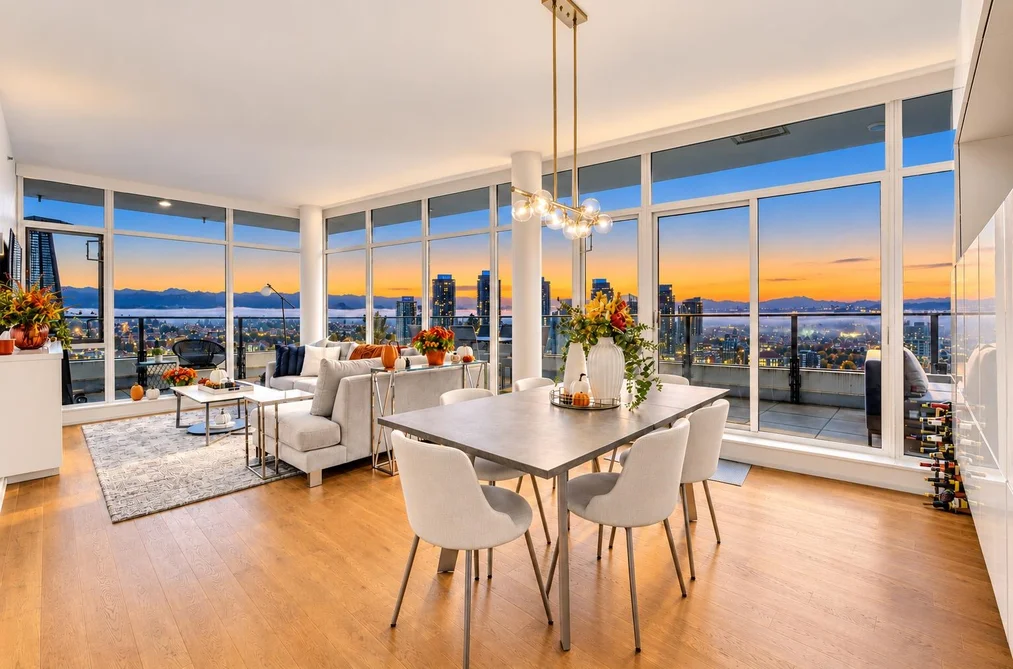
Browse Hardwood floor homes for sale in Greater Vancouver and check whether the boards are solid or engineered, how thick the wear layer is and what strata rules apply.
Hardwood on a Greater Vancouver listing covers everything from original fir laid before the war to a thin engineered veneer installed last spring, so establish which one you are walking on before you write an offer.
Ask the listing agent three questions: solid or engineered, what species, and how old. Solid boards can be sanded and refinished several times over a lifetime, while an engineered plank carries a thin wear layer that may allow one refinish or none at all. Original fir in an older east-side house is worth protecting and expensive to match; a floating laminate that photographs identically is worth very little. If the answer is vague, lift a floor vent cover on your tour and look at the edge of the board, which tells you more in ten seconds than the description will.
Then walk it properly. Listen for hollow spots and squeaks, look along the boards toward a window for cupping or crowning, and check the transitions at doorways and under radiators. Ask whether the flooring runs beneath the kitchen cabinets and the appliances, because a floor that stops at the cabinet line limits what you can change later without a visible seam.
Wood reacts to water, and this is a wet coastal region. Have your inspector check for staining near exterior doors, dishwashers, radiators and bathrooms, and ask about any past leak. Cupped boards over a crawlspace usually point to a humidity problem underneath rather than a flooring problem above, and refinishing before that is fixed simply repeats the damage.
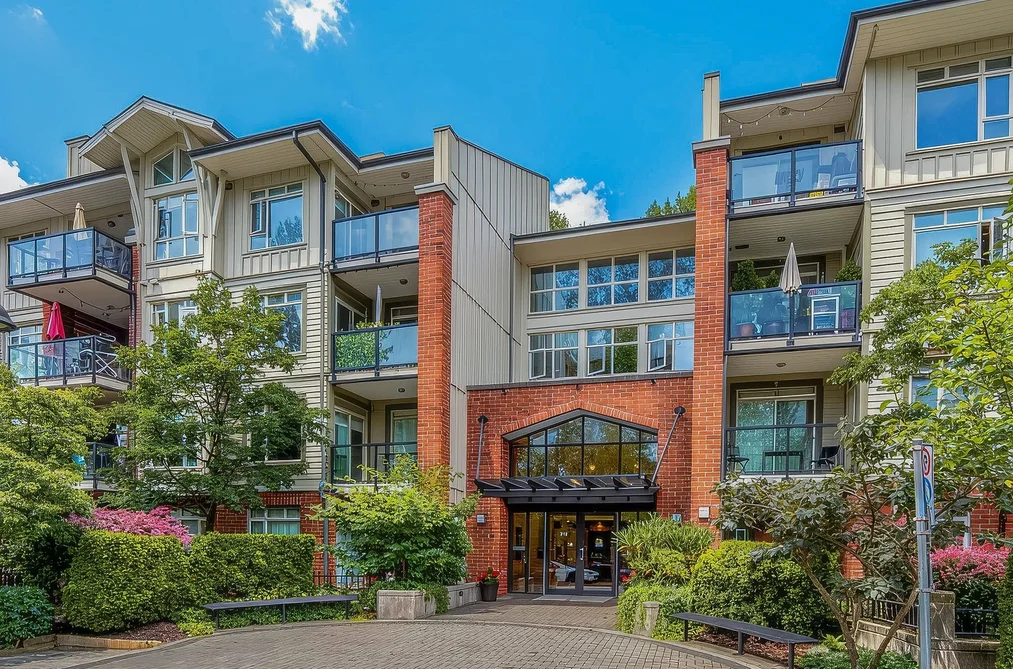
In an apartment, read the bylaws before you plan anything. Many strata corporations require carpet over a set percentage of the floor area or specify an acoustic underlay rating, and some prohibit hard surfaces above the ground floor entirely. Ask whether the existing installation was approved, check the minutes for noise complaints between units, and if the home was recently renovated, ask for the approval paperwork during your subject period rather than after.