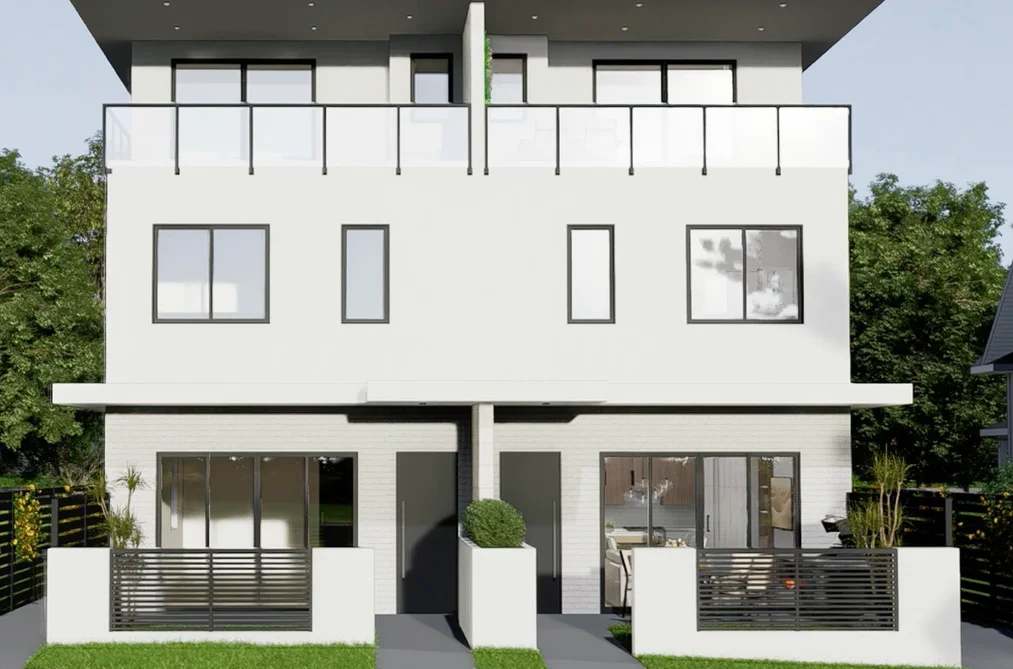
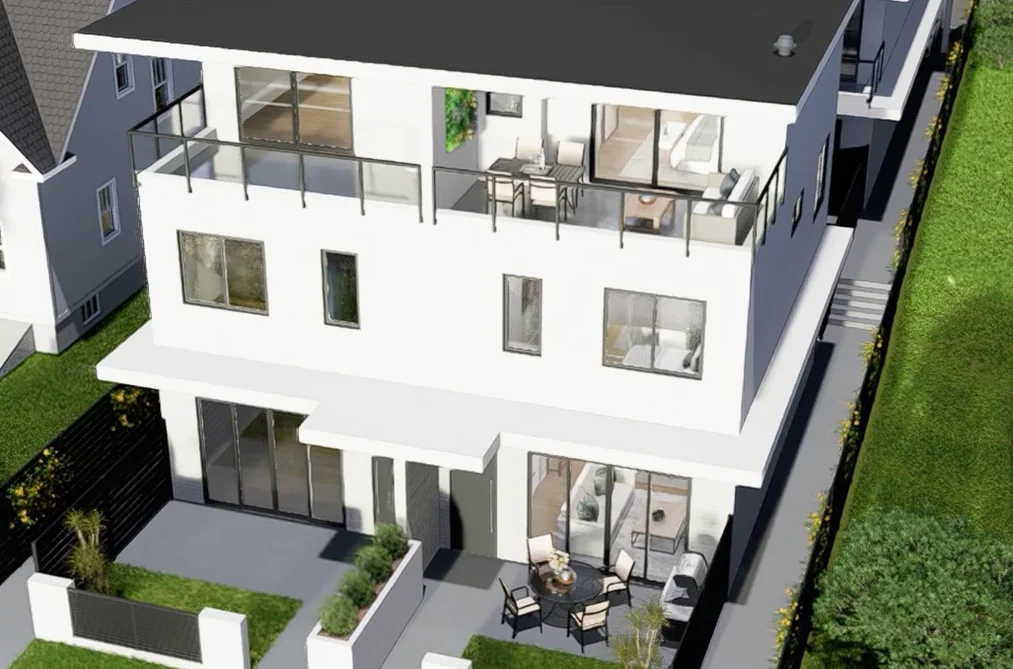
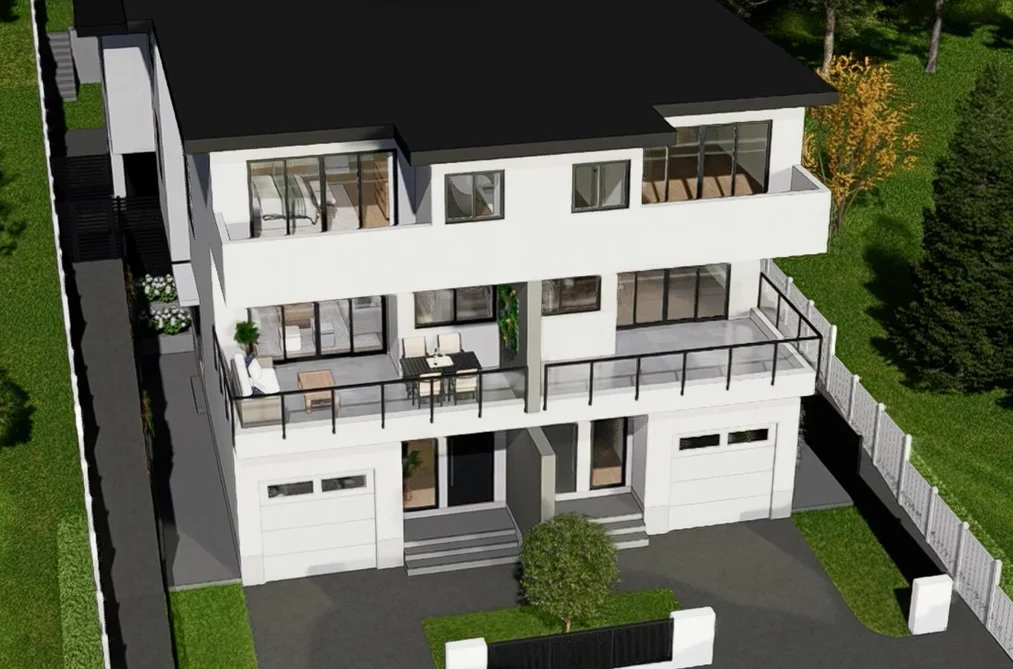
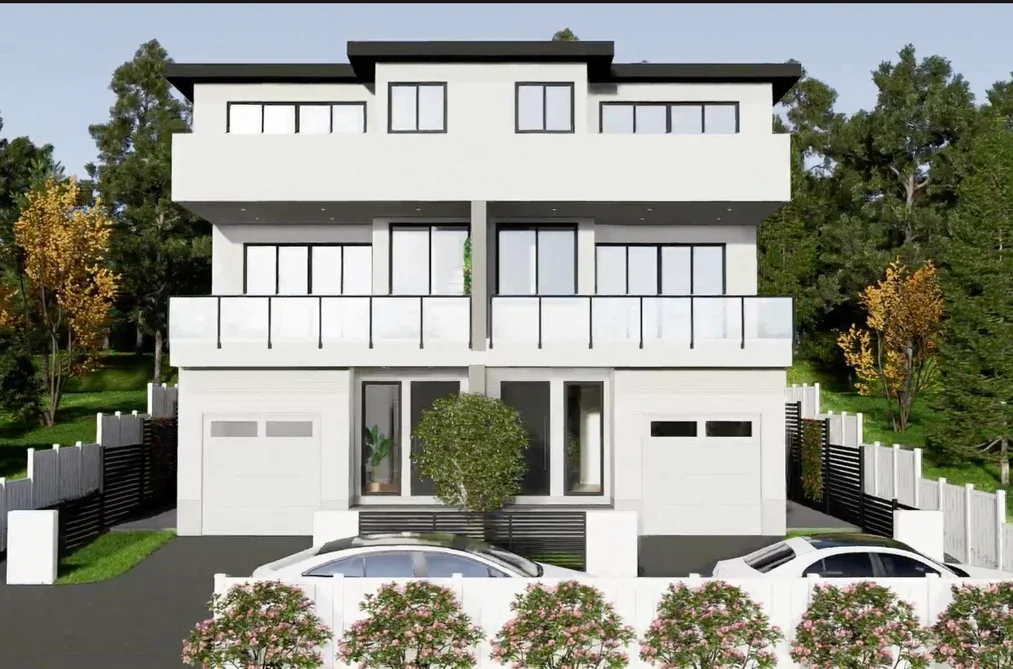
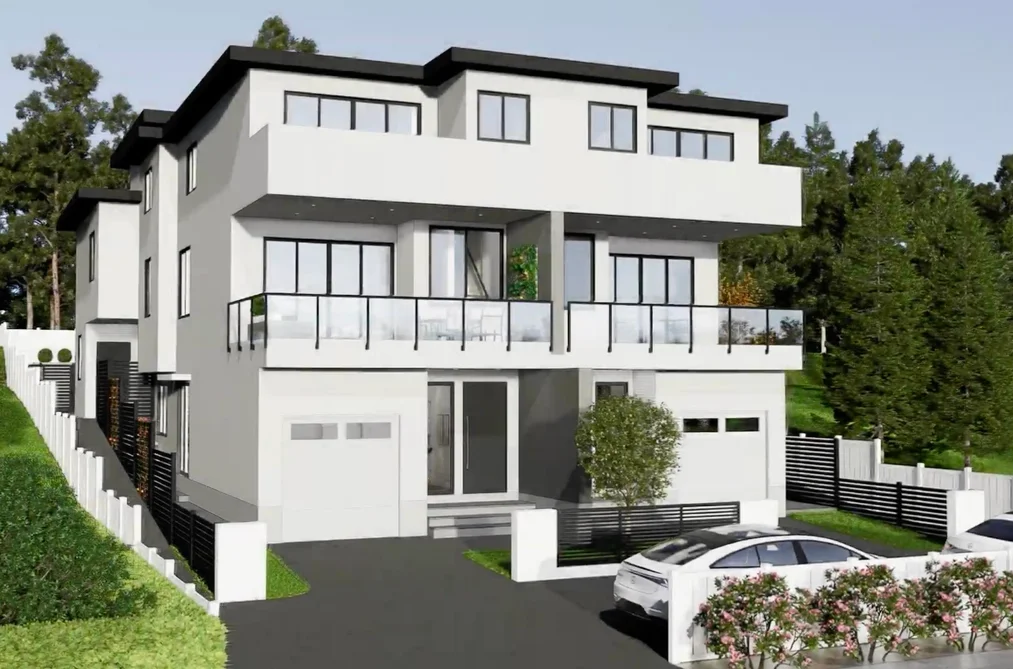
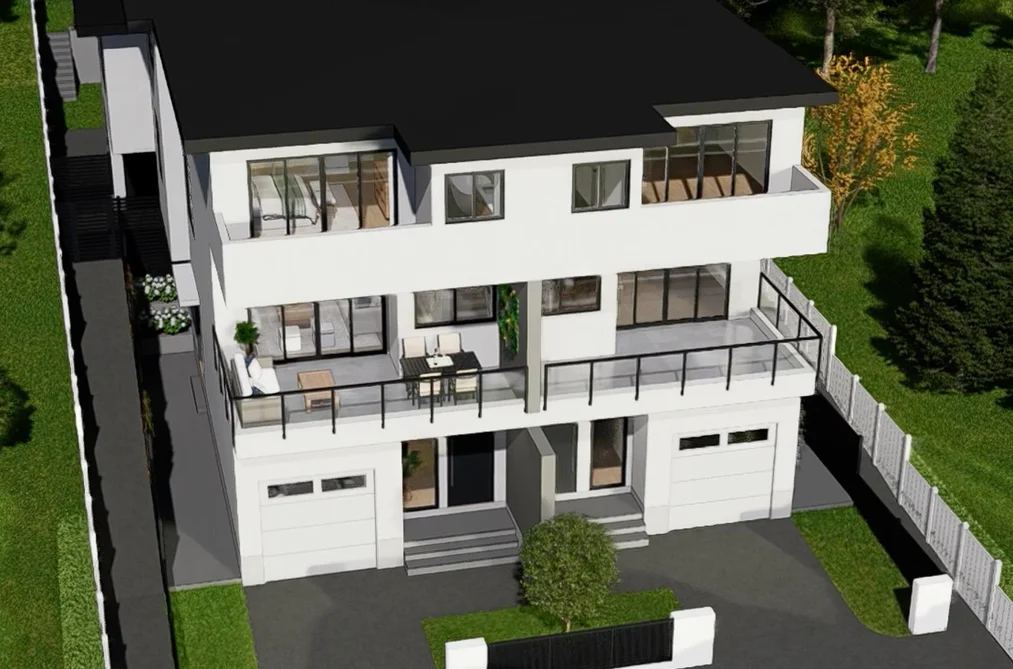
For Sale
31 days
- $2,633,000
- 8 bed
- 7 bath
- 3761 sqft
MLS® R3167643
•Nu Stream Realty Inc.
Browse homes with central air conditioning for sale in Greater Vancouver and check the equipment age, the ductwork and any strata approval before you offer.
Central Air Conditioning in a Greater Vancouver home is worth verifying at the equipment rather than on the listing sheet — confirm what the system actually is, how old it is and whether it went in under permit before you offer.
The words cover several different setups. A true central air conditioner shares the furnace ductwork and sits beside an outdoor condenser; a heat pump does the same job and also provides heating; a ductless mini-split cools the rooms it serves and nothing else. Ask which one is installed, and look at the outdoor unit for a data plate with its age.
Older Vancouver homes were built for hot water heating rather than forced air, so many have no ducts at all. Where a system was added, check that every floor is actually served and that return air was addressed, because a cooling system that only reaches the main level will disappoint you in the first heat wave. Look for the condensate drain and where it discharges.
In a condo the outdoor unit is the problem. Placing equipment on a balcony, a roof or an exterior wall usually needs written strata approval, and it may also engage a municipal noise bylaw. Read the bylaws and minutes for approvals and for complaints, and ask whether the existing unit was ever approved in writing.
If the home has none, price the work before you offer rather than after. A ducted retrofit in an older house is a different order of cost from a mini-split serving two rooms, and both need a licensed contractor, an electrical assessment and, in most cases, a permit. Get a quote during your subject period.
Look at the running side too. A heat pump that handles heating and cooling from one system can change your energy costs across the whole year, and BC Hydro has run rebate programs for that work — confirm what is current before you count on it. Where the home has an HRV as well, ask how the two systems interact. Across Metro Vancouver, Surrey and Burnaby, newer condos are far more likely to arrive cooled than older Vancouver homes are.