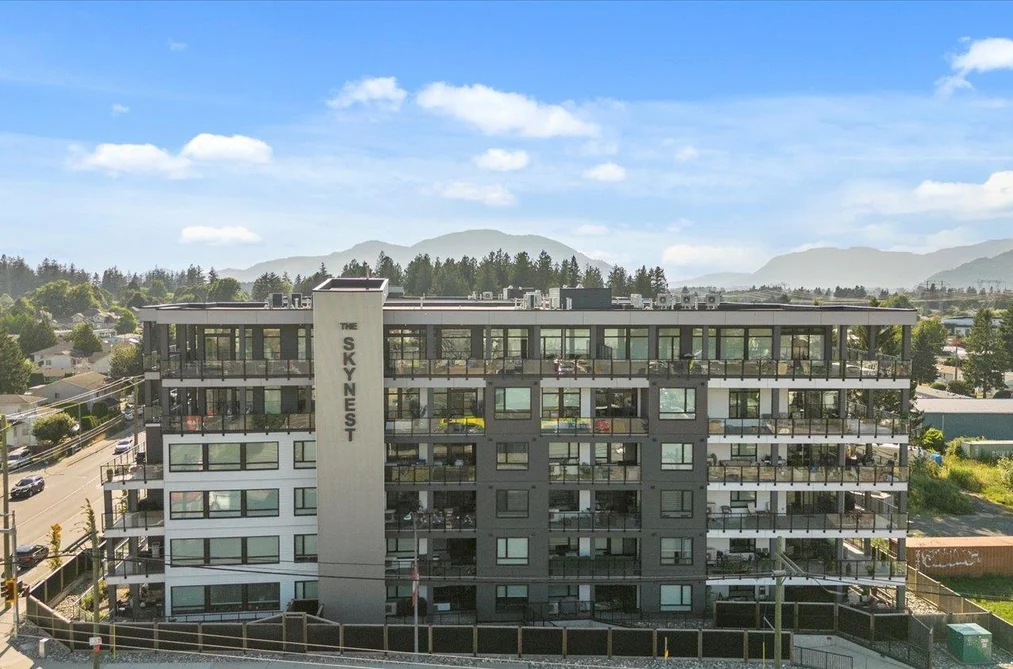
For Sale
0 days
- $1,688,000
- 3 bed
- 4 bath
- 1968 sqft
MLS® R3176974
•Interlink Realty
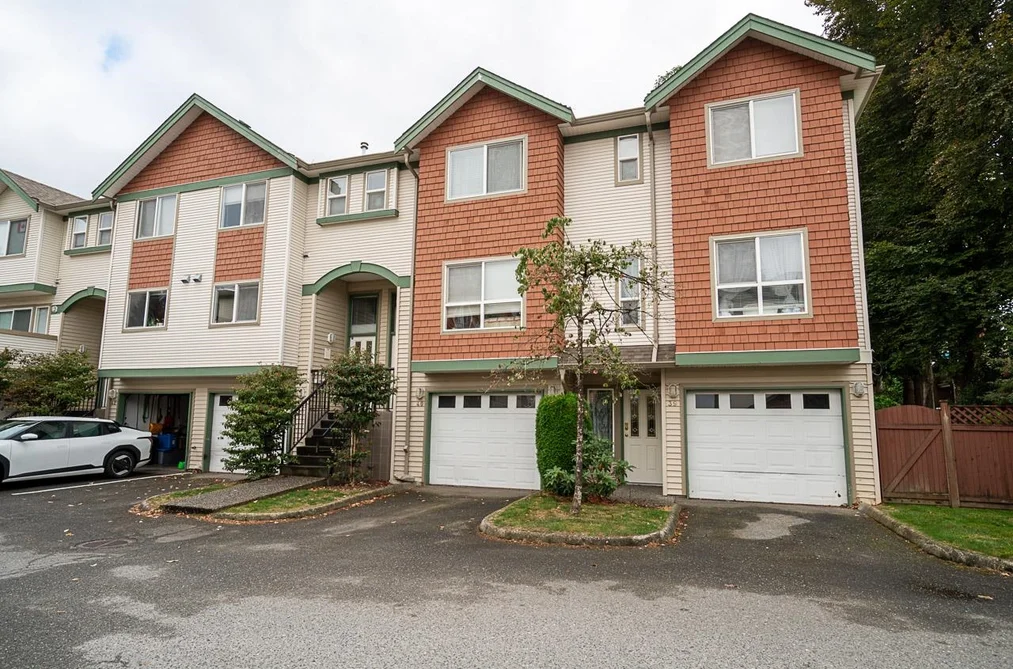
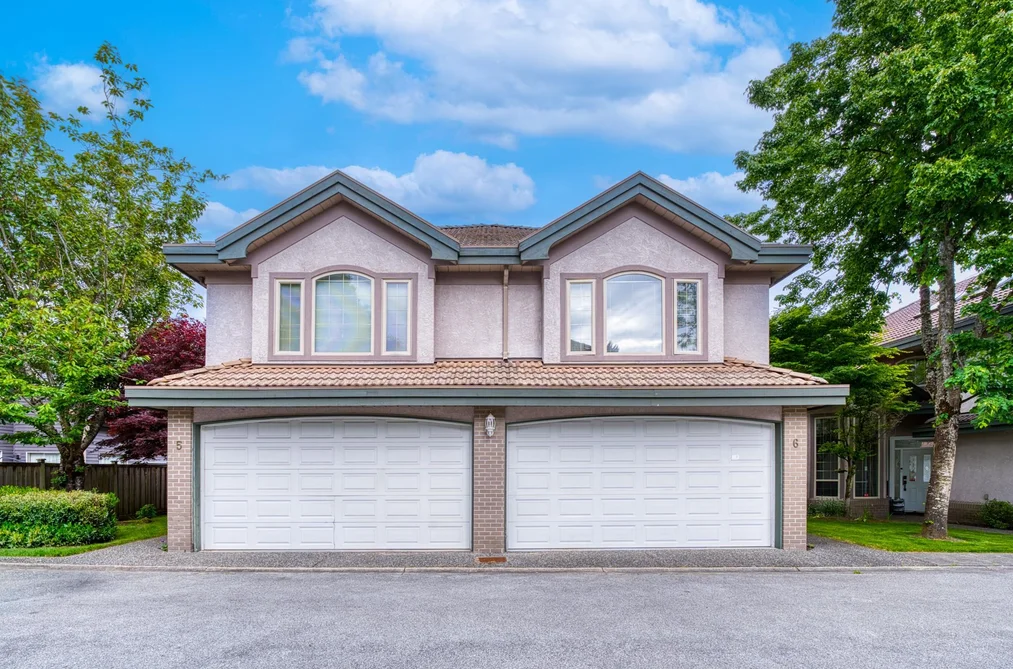
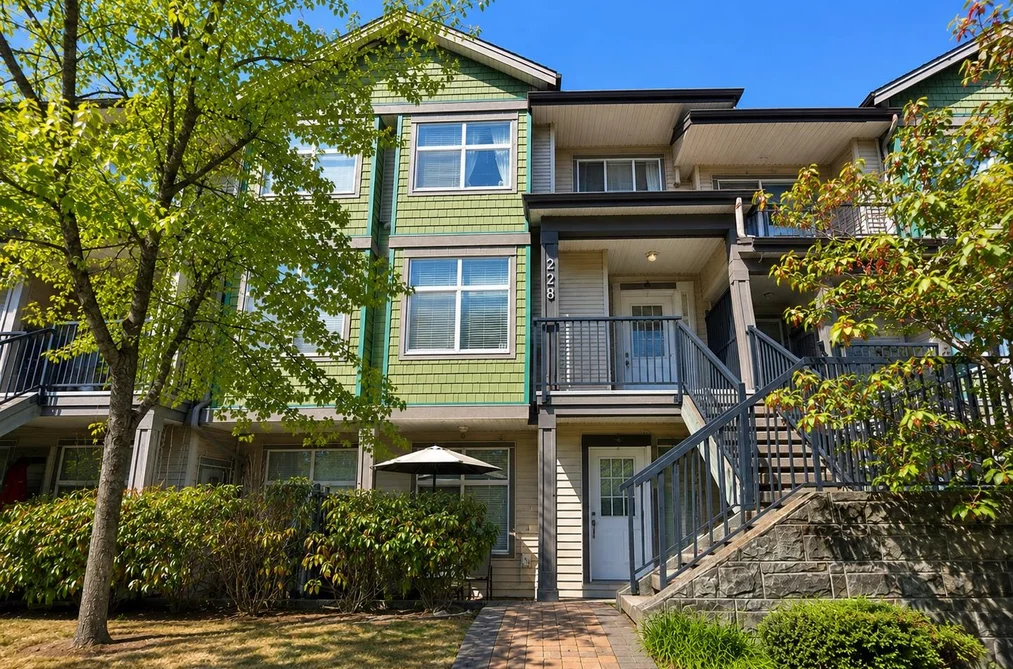
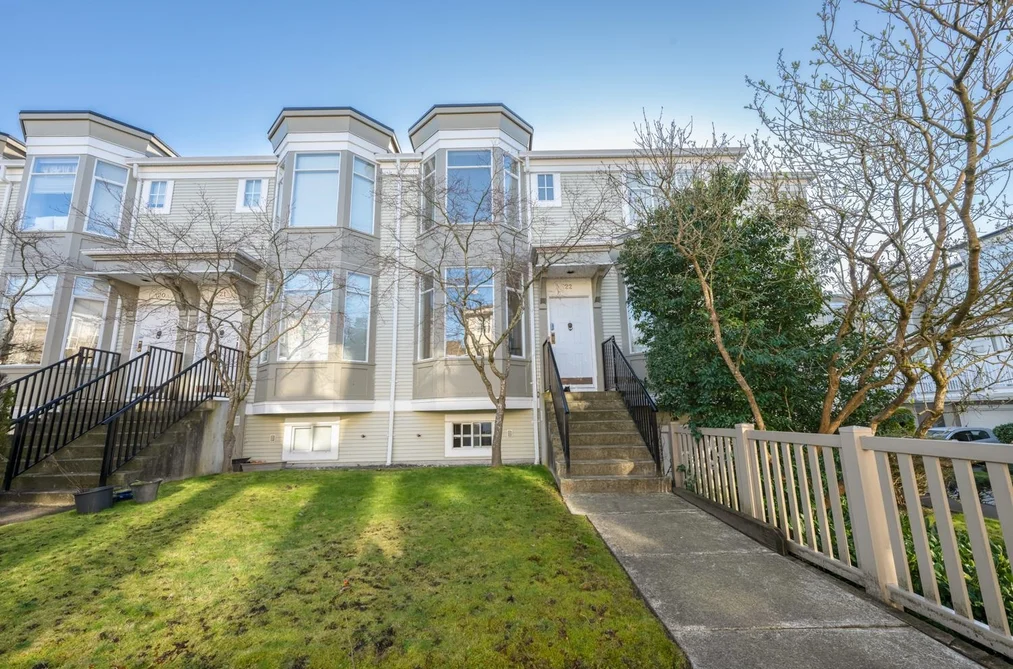
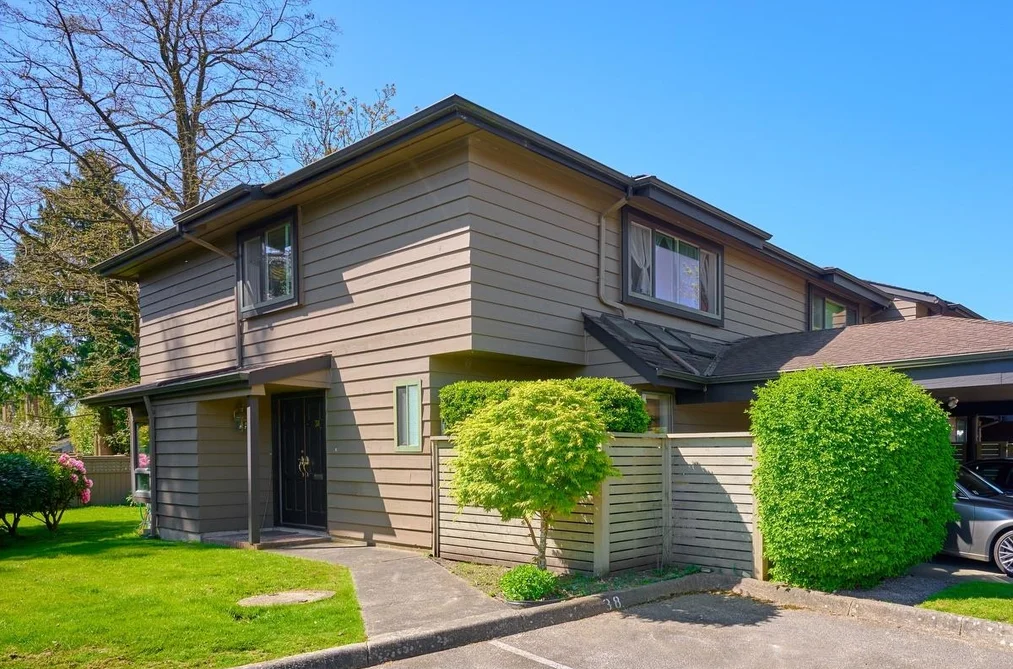
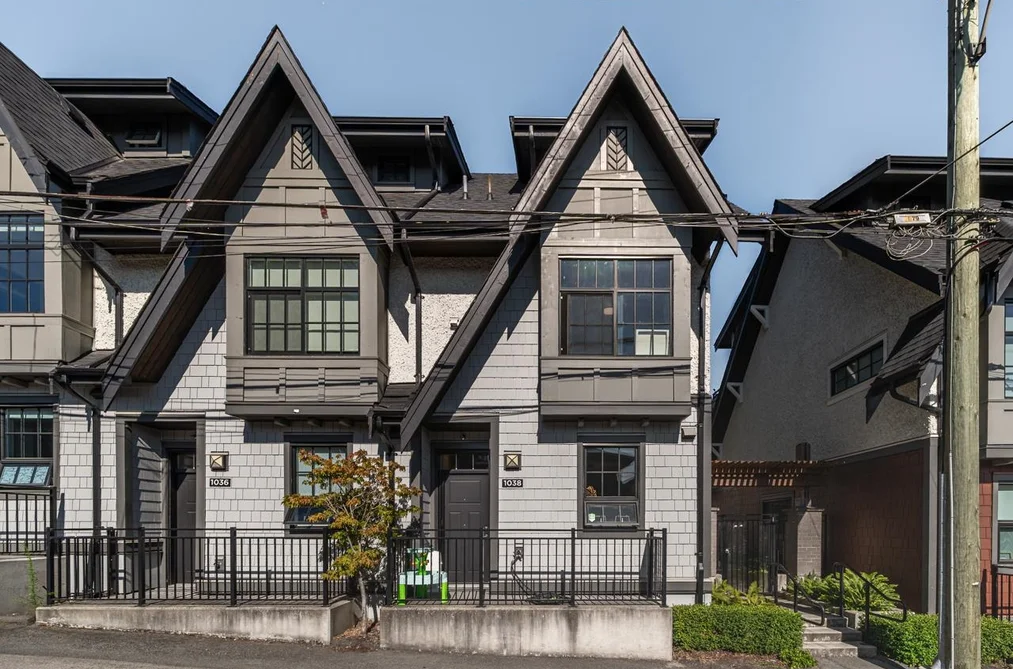
Browse Inside Unit homes for sale in Greater Vancouver and weigh the lower price against light, noise and shared walls before you write an offer.
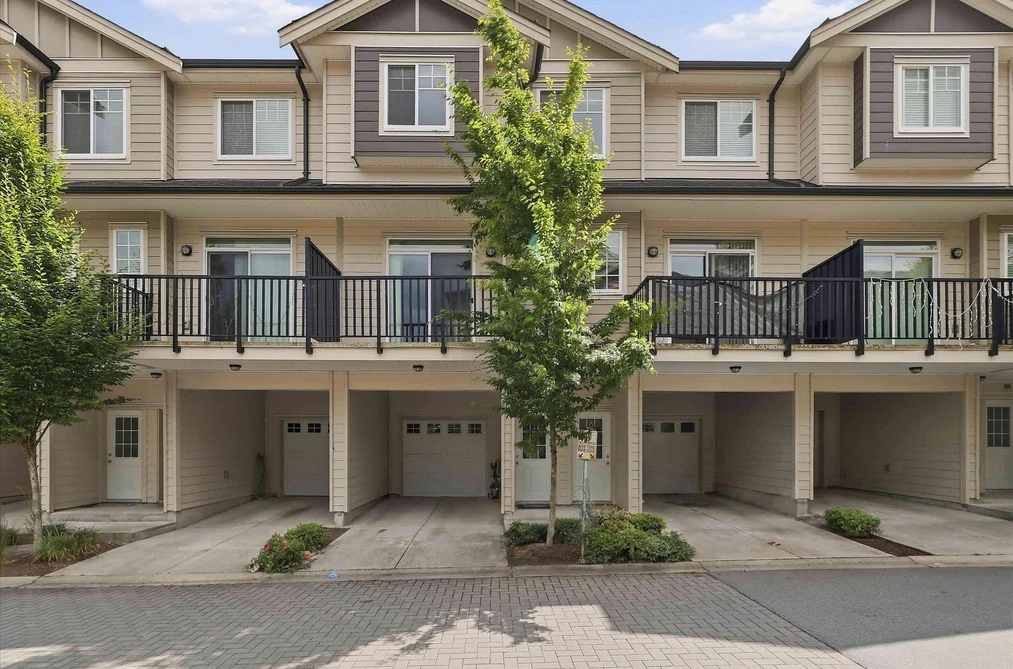
Inside Unit on a Greater Vancouver townhouse listing means a home with neighbours on both sides, so weigh the lower price against the light, the windows and the shared walls before you write an offer.
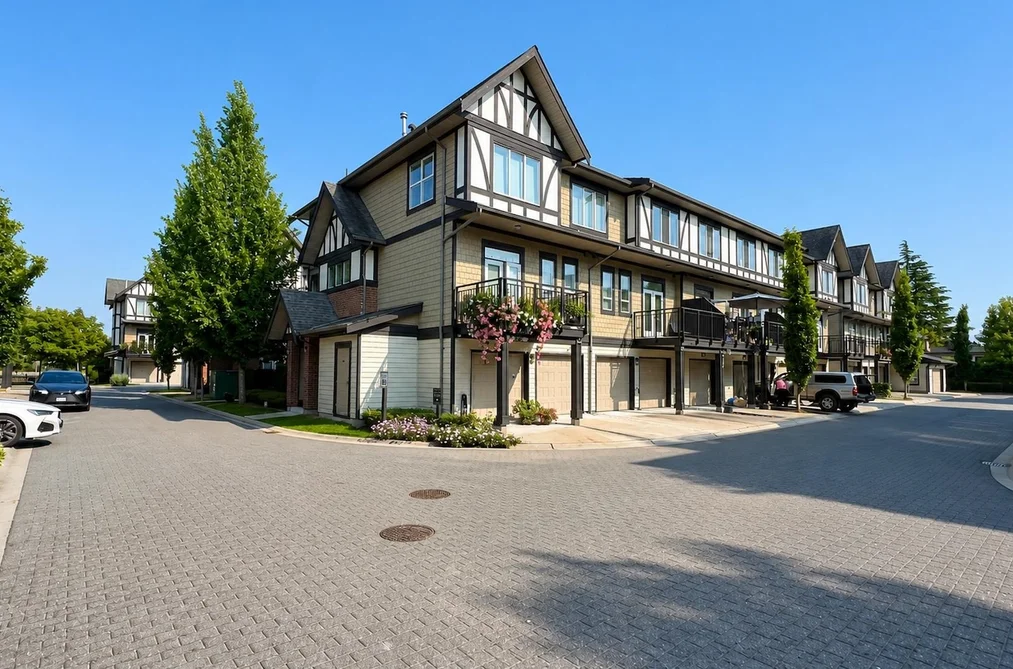
The trade is simple and worth making deliberately. An end unit in the same complex usually costs more, and it buys side windows, a wider yard and one neighbour instead of two. An inside unit gives you the same floor plan, often the same square footage, for less. Ask your real estate agent what the two have actually sold for in that complex over the past year, because the gap varies far more than buyers expect.
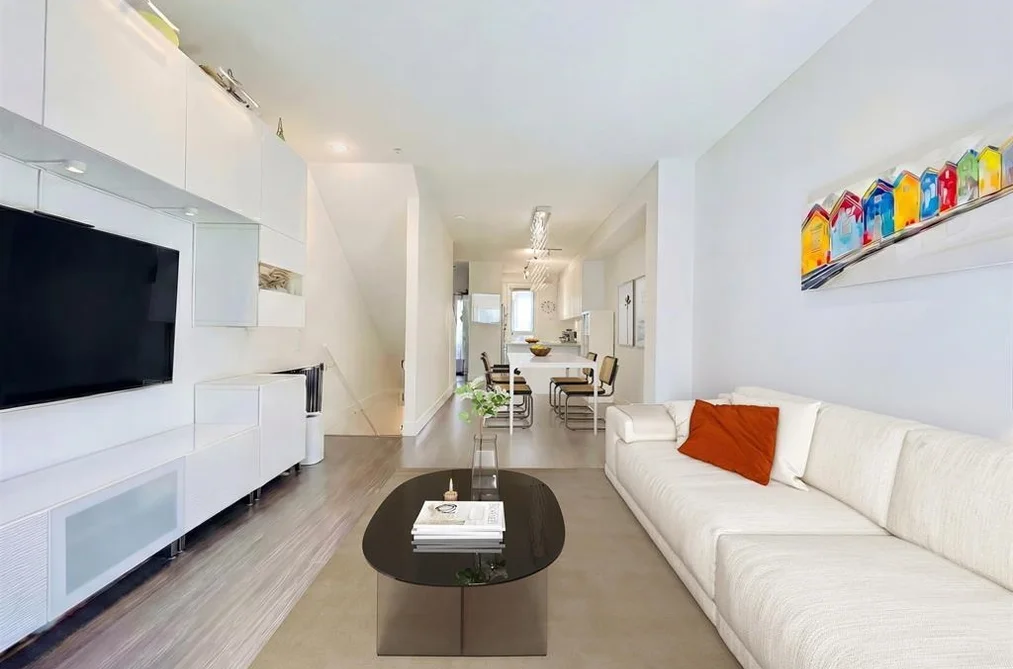
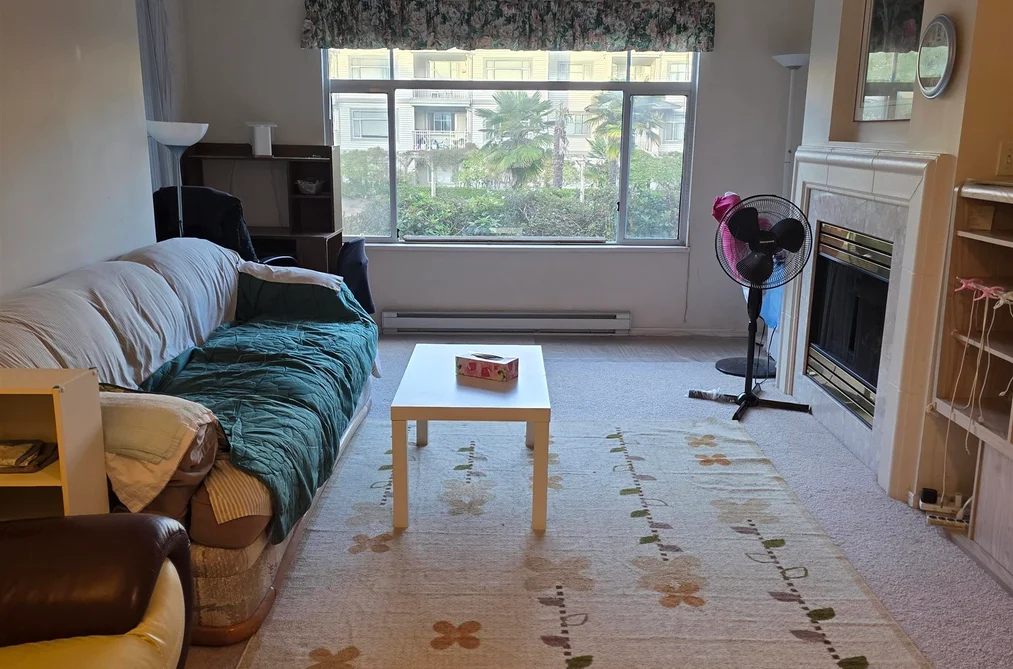
Windows only at the front and back change how a home feels on a grey January afternoon. Visit at midday and again near dusk, and look at what stands across the courtyard, since a facing building can take the little light the plan allows. Note which rooms have no window at all.
Then listen. Ask what separates you from each neighbour: a double-stud party wall with a gap performs very differently from a single shared wall. Read the strata minutes for noise complaints in the complex, and ask the listing agent whether either adjoining home has been renovated with hard flooring, which travels.
Some of the trade runs in your favour. A home buffered on both sides loses less heat and stays cooler in a heat wave, and it has less exterior wall for the strata to maintain. The strata fee is usually the same as the end unit's, so you pay the same and own less exposed envelope.
Confirm the practical details before you offer: which parking stall comes with the home, where the visitor spaces sit, and whether the patio or yard is limited common property. Then look ahead to resale. Inside units in a well-run complex sell perfectly well, but they sell on price and condition rather than on position, so buy one that is priced like an inside unit rather than like an end one.