How to Sell Your House in Vancouver: The Ultimate Guide
To sell your house in Vancouver, prepare it, price it from recent nearby sales and list it on MLS® with a licensed agent: homes with no price cut had an accepted offer in a median 16 days, against 68 days after a cut (Strawhomes.com calculation from MLS® data, August to October 2026).
To sell your house in Vancouver, or anywhere in BC, you prepare it, price it from recent sales, list it on MLS® and negotiate the offer. When I first helped a client list their East Vancouver bungalow back in 2003, they were convinced they’d get top dollar within weeks.
The home had been in their family for decades, and they’d heard all the stories about Vancouver’s red-hot market. But after 47 days on the market with only three showings, they realized that successfully selling a home in Vancouver requires far more than just putting up a “For Sale” sign and hoping for the best.
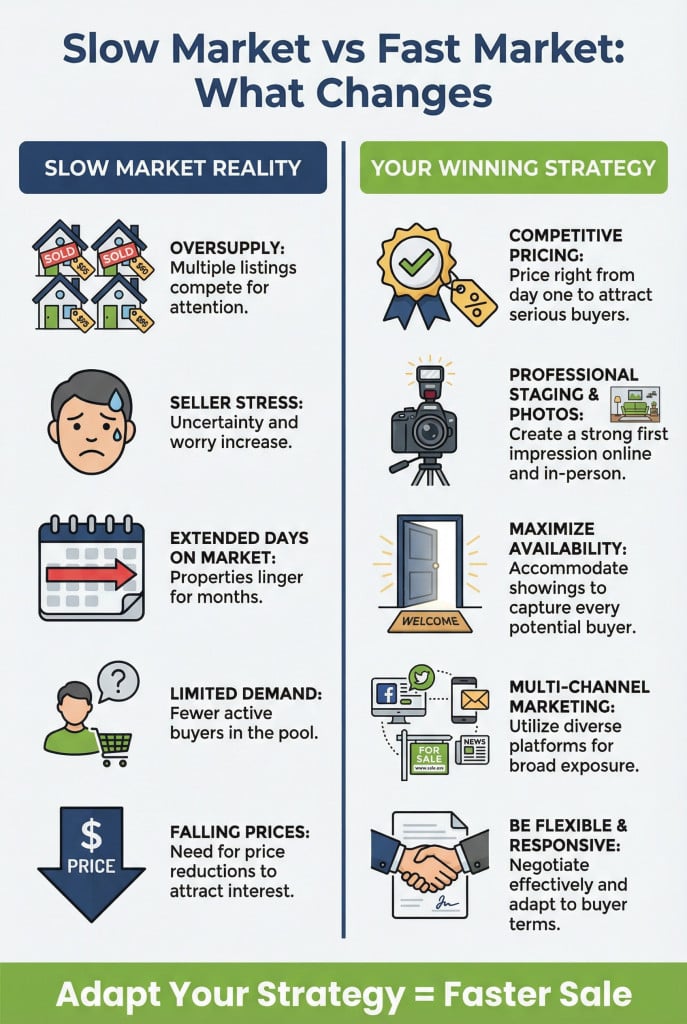
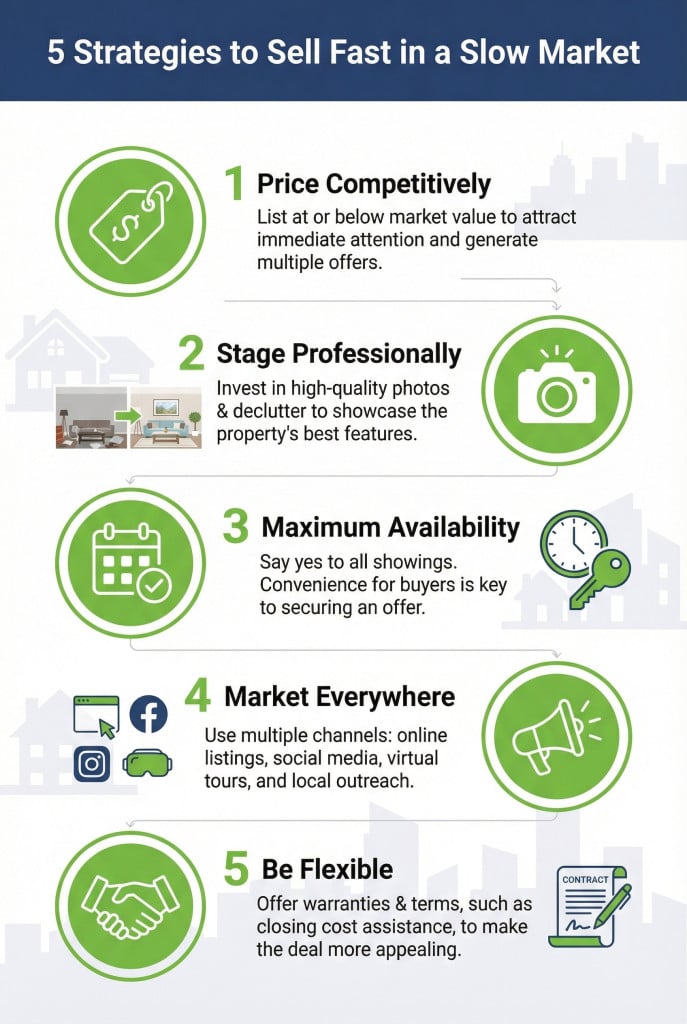
To sell your house fast in a slow market, price it competitively at or below market value, stage it professionally with great photos, maximize showing availability, market aggressively across multiple channels, and stay flexible on terms like warranties and closing dates.

If you’re preparing to sell your home in Vancouver, you’re entering one of Canada’s most dynamic, and yes, challenging, real estate markets. The truth about the Vancouver real estate market is far more nuanced than most sellers imagine.
Whether you’re ready to sell your home in North Vancouver’s leafy neighborhoods or list a condo in the heart of downtown, understanding the complete selling process can mean the difference between leaving thousands on the table and achieving the best possible price.
Key Takeaways
- To sell a house in Vancouver or BC: prepare it, price it from recent nearby sales, list your home on MLS® with a licensed agent, negotiate, then complete with a lawyer or notary.
- Commission is negotiable: there is no standard commission in BC, and any commission amount can be negotiated (BCFSA, Consumer Guide to Remuneration, checked November 2026).
- Vancouver homes that sold with no price cut had an accepted offer in a median 16 days, against 68 days after a cut (Strawhomes.com calculation from MLS® data, sales completed August to October 2026).
Understanding Vancouver’s Unique Real Estate Landscape
Vancouver’s housing market operates differently than virtually any other city in Canada. From the luxury homes dotting the shores of West Vancouver to the bustling condo towers in Burnaby, each neighborhood presents its own opportunities and challenges for sellers. If you own in Burnaby, our guide covers recent Burnaby prices and how long homes take to sell.
The local market has evolved significantly over the past few years. We’ve seen everything from multiple offers on nearly every listing to periods where homes sat for months without a single viewing.
What hasn’t changed? The need for a strategic, well-executed selling plan that positions your property to attract the right buyers at the best price.
The same steps in this guide to selling apply to a home in BC outside Vancouver, from Burnaby and North Vancouver to the Fraser Valley, but local prices and buyer demand differ.
Why Professional Expertise Matters in the Vancouver Market
I’ve watched countless homeowners attempt to navigate Vancouver’s complex real estate landscape alone, only to find themselves overwhelmed by the intricacies of pricing strategies, marketing plans, and negotiation tactics. The process of selling a home here involves far more than most people anticipate.
Consider this: Vancouver’s market isn’t just competitive, it’s sophisticated. Today’s potential buyers expect high-quality marketing materials, virtual tours, and seamless communication throughout the entire transaction. They’re comparing your home against dozens of others, and first impressions matter more than ever before.
Working with experienced real estate agents in Vancouver who understand local market conditions can provide the expert guidance you need to navigate everything from setting the right price to handling the final walkthrough. In my experience, the investment in professional representation pays for itself many times over through higher sale prices and fewer complications.
Prepare Your Vancouver Home For Sale for Maximum Appeal
Before you even think about listing your home, you need to get your home in mint condition. This doesn’t necessarily mean expensive renovations, but it does mean addressing issues that could turn off prospective buyers during showings.
Essential Pre-Listing Home Preparation
Start by walking through your home with a critical eye, or better yet, ask a trusted friend to point out issues you might have stopped noticing.
Those leaky faucets? Fix them.
The dated light fixture in the dining room? Consider an upgrade. Small improvements often deliver outsized returns when it comes time to sell.
Decluttering is absolutely essential. I can’t stress this enough: buyer expectations in Vancouver are high, and they want to envision themselves in your space.
Pack away family photos, personal items, and about half of what’s currently on your shelves and countertops. Your goal is to create a well-presented, clutter-free environment that allows buyers to imagine their own lives unfolding in these rooms.
Professional home staging can transform how your property presents to the market. Even if you can’t afford a full staging package, strategic furniture placement, fresh paint in neutral tones, and ensuring your home looks its best for photos can make an enormous difference in how quickly you attract multiple offers.
Making Your Home Shine for Showings
Natural light is your best friend. Open those curtains, replace burned-out bulbs with brighter options, and make sure every room feels inviting. Buyers often make emotional decisions within the first few minutes of entering a home, so give your home every advantage.
Don’t overlook curb appeal, either. Your home’s exterior creates the crucial first impression.
Trim overgrown bushes, add a fresh coat of paint to the front door, and ensure the pathway to your entrance is immaculate. These simple touches signal to buyers that your home has been well-maintained throughout.
Finding Your Home’s True Market Value in Vancouver
Here’s where many sellers go wrong: they price their home based on what they need to get or what they think it’s worth, rather than what the market will actually bear. Overpricing is one of the fastest ways to ensure your listing languishes while buyer interest evaporates.
The Science Behind Pricing Strategy
A comparative market analysis (CMA) from a qualified Vancouver realtor examines recent sales of similar properties in your neighborhood. This data-driven approach considers everything from square footage and number of bedrooms to lot size, condition, and those intangible neighborhood factors that influence value.
Market conditions play a massive role in pricing decisions. In a seller’s market with limited inventory, you might price slightly higher to capture the premium that competition creates. In a balanced or buyer’s market, aggressive pricing becomes even more critical to generate early interest and avoid the stigma of a stale listing.
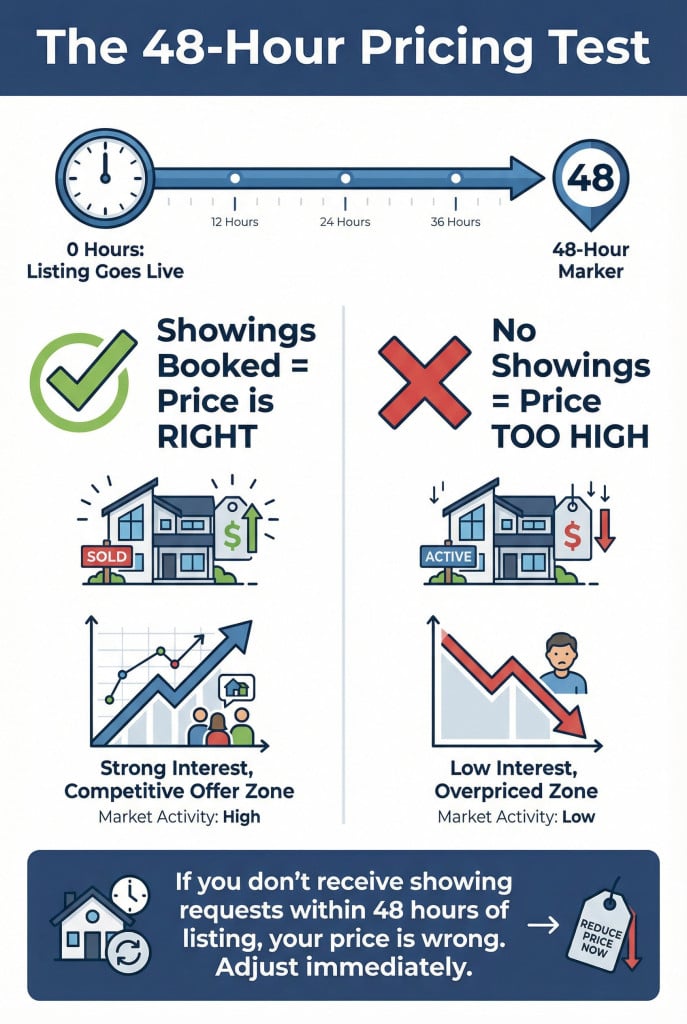
Understanding when to lower the price on your house is equally important. If you’re not seeing showings within the first two weeks, or if viewers aren’t making offers, the market is telling you something. Experienced sellers listen to that feedback and adjust accordingly.
Avoiding Common Pricing Pitfalls
Many Vancouver homeowners have watched their neighbors receive multiple offers and assume the same will happen to them. But timing, presentation, and yes, price, all factor into whether buyers line up at your door or scroll past your listing without a second glance.
Setting the right price from day one positions your home to sell faster and often for a higher price than if you’d started too high and been forced to reduce. Buyers can see your price history, and repeated reductions signal desperation, which rarely leads to the best possible price.
Selecting the Right Vancouver Realtor for Your Listing
Not all Vancouver realtors are created equal. The agent who helped your cousin buy a condo three years ago might not be the right fit for selling your house in Vancouver’s current market. Your best realtor choice is a local realtor with recent sales near you.
What to Look for in Your Listing Agent
You want someone with a proven track record of sales in your specific neighborhood. Vancouver’s real estate landscape varies dramatically from area to area: expertise in Kitsilano doesn’t automatically translate to success in East Van or the North Shore.
Interview multiple agents before making your decision. Ask about their marketing strategy, how they handle negotiations, and what differentiates them from other agents in Vancouver. The best real estate professionals will have ready answers, backed by recent sales data and client testimonials.
Look for agents who invest in high-quality marketing materials, professional photography, and have a strong online presence. In my experience, today’s home buyers start their search online, and your listing needs to stand out in a sea of competing properties.
Understanding Agent Compensation
Real estate commission in BC has no standard rate: BCFSA (Consumer Guide to Remuneration, checked November 2026) says “any commission amount can be negotiated” between you, your real estate professional and the brokerage. My guide to negotiating realtor fees shows how to ask.
These fees cover far more than just planting a sign in your yard. They pay for the work that can help you sell: professional photography, marketing across multiple platforms, open houses, private showings, and skillful negotiation on your behalf.
The right agent doesn’t cost you money; they make you money by achieving a higher price and terms that protect your interests throughout the transaction.
Creating a Winning Marketing Approach
Once your home is ready and priced correctly, it’s time to let potential buyers know about it. The best marketing strategies combine traditional and digital approaches to reach the widest possible audience of qualified buyers.
Digital Marketing That Drives Results
Your listing needs to be everywhere home buyers are looking: MLS, Realtor.ca, and major real estate websites. But beyond basic listings, effective marketing includes targeted online ads on social media platforms, email campaigns to other realtors’ buyer lists, and eye-catching virtual tours that let buyers explore your home from anywhere.
Professional photography isn’t optional, it’s essential. In my experience, listings with high-quality photos receive significantly more views and showings than those with smartphone snapshots. Many buyers will scroll right past listings with poor photography, meaning they never even consider your home regardless of how well it might meet their needs.
Virtual tours have become increasingly important, allowing serious buyers to do initial screenings from home and ensuring that when they do schedule a viewing, they’re genuinely interested. This efficiency benefits everyone and helps you get more buyers to view your home.
Traditional Marketing Still Matters
Don’t discount the power of open houses in Vancouver’s market. They create urgency, allow multiple buyers to see your home simultaneously (which can spark competitive interest), and provide valuable feedback about how buyers are responding to your property.
Professional signage, brochures, and networking within the real estate community all contribute to finding the right buyers for your home. The most successful listings employ a comprehensive approach that leaves no stone unturned.
Timing Your Vancouver Real Estate Sale
In my experience, seasonality affects Vancouver’s housing market, though not as dramatically as in some other Canadian cities. Still, understanding the best time of year to sell can help you maximize both speed and price.
In my experience, spring brings the most active buyers, as families want to move during summer break and the weather makes homes show better. However, listing during slower periods sometimes means less competition from other sellers, which can work to your advantage.
Local market conditions matter more than the calendar. In a hot seller’s market with low inventory, any time is a good time to sell. When buyer demand softens, timing becomes more critical, and having a strategic launch date can make all the difference.
Managing Showings and Buyer Feedback
Once your home hits the market, be prepared for showings on relatively short notice. Yes, it’s inconvenient to keep your home in show-ready condition, but flexibility dramatically increases the number of potential buyers who’ll view your property.
Create a pre-showing routine: open blinds, turn on lights, adjust temperature to comfortable levels, and make sure no unpleasant odors linger. Then leave: buyers want to explore freely without feeling like they’re intruding on your personal space.
Pay attention to feedback from showings. If multiple buyers mention the same concern, take it seriously. Sometimes minor adjustments based on early feedback can dramatically improve subsequent showings and lead to stronger offers.
Navigating Offers and Strategic Negotiation
When offers start coming in, the real work begins. Understanding how to handle lowball offers while recognizing genuine opportunities requires experience and emotional detachment, two things that are hard to maintain when it’s your own home.
Evaluating Offers Beyond Just Price
The highest offer isn’t always the best offer. Consider the entire package: deposit amount, subjects (financing, inspection, etc.), closing date, and the buyer’s financial qualification. A slightly lower offer with fewer conditions and a cash buyer might actually put more money in your pocket with less risk.
Multiple offers create the ideal scenario for sellers. When you have competing buyers, you can structure negotiations to drive up the final price and terms. Starting a bidding war requires careful orchestration, but when executed properly, it can result in a sale price well above your initial listing price.
Mastering the Negotiation Process
Skilled negotiation involves knowing when to hold firm and when to compromise. Top negotiation tips include responding to offers promptly, maintaining professional communication, and never letting emotions drive your decisions.
Counter-offers are a standard part of real estate transactions. Don’t be offended by initial offers that come in below asking: they’re often opening positions in a negotiation dance. Focus on moving toward price and terms that work for both parties while protecting your bottom line.
Completing the Selling Process and Transfer
Once you’ve accepted an offer, several steps remain before you hand over the keys. The typical contract of purchase and sale in BC includes various conditions and timelines that must be met.
Subject removal is a critical milestone where buyers waive conditions like financing approval or satisfactory home inspection. Once subjects are removed, the sale becomes legally binding (with very limited exceptions), and you can breathe a bit easier knowing the deal is proceeding.
You’ll need to work with a notary or lawyer to handle the legal transfer of the property. They’ll ensure all documents are properly executed, the mortgage gets paid out (if applicable), and you receive your proceeds. Understanding your seller liability after closing helps you prepare for what to expect.
Understanding What Selling Your Home Will Cost
The cost of selling a house in BC extends beyond just realtor commissions. You’ll also need to account for legal fees, potential repairs or staging costs, moving expenses, and possibly paying down your mortgage if you’re not porting it to a new property.
Real estate commissions are negotiable: BCFSA (Consumer Guide to Remuneration, checked November 2026) says there is no standard commission in BC, and any commission amount can be negotiated. When you get an offer, your agent gives you a Disclosure to Seller of Expected Remuneration form that turns the commission into a dollar figure (BCFSA).
In my experience, commission is the largest cost on a home near the October 2026 average detached house sold price of $2.40 million (Strawhomes.com Vancouver market report, October 2026), so ask for the dollar figure early.
In my experience, legal or notary fees on a straightforward sale run about $1,000 to $2,000. If you’re carrying a mortgage, your lender sets the discharge fee where it is not regulated, typically from no charge up to $400 (Financial Consumer Agency of Canada).
Selling a Property in Vancouver: Special Considerations
Vancouver presents unique challenges that sellers in other markets don’t face. Understanding these local nuances can help you navigate the process more smoothly.
Selling Different Property Types
The strategies for selling a condo in Vancouver differ significantly from selling a detached house. Condo buyers care deeply about strata fees, building amenities, and the health of the contingency reserve fund. Having your strata documents ready and highlighting building features becomes crucial.
If you’re selling luxury homes in Vancouver, you’re dealing with a more selective buyer pool that expects exceptional quality in everything from the property itself to how it’s marketed. High-end buyers want to see that your home is truly special, not just expensive.
Unique Vancouver Market Dynamics
In my experience, certain types of homes sell fastest in Vancouver: usually well-maintained properties in desirable neighborhoods with good schools and transit access. Understanding where your home fits in the market hierarchy helps set realistic expectations.
The question of whether to buy or sell first weighs heavily on many Vancouver homeowners. There’s no one-size-fits-all answer, but your equity position, market conditions, and financial flexibility all factor into this decision. If you also plan to buy a house, ask a mortgage broker how the interest rate on a new mortgage affects your next home.
Selling Quickly When Time Matters
Sometimes you need to sell your house fast due to job relocation, financial pressures, divorce, or other life circumstances. Speed and price often exist in tension: the faster you need to sell, the more you may need to compromise on price.
Aggressive pricing is the single most effective strategy for quick sales. Price your home at or slightly below market value to generate immediate interest and potentially spark competing offers. Combined with maximum flexibility for showings and a willingness to work with buyers on timing, this approach can get you sold in weeks rather than months.
Pricing your home right from day one is the biggest speed lever, and with the right strategy these steps help you sell faster:
- Price your home strategically, at or just under recent nearby sales.
- Finish repairs, create a clutter-free home and book professional photos before you put your house up for sale.
- Launch on the MLS® with a full set of photos and a virtual tour, so buyers see the whole home the day it goes on the market.
- Keep the home open for showings and open houses in the first two weeks to ensure your home is seen by as many buyers as possible.
- Review offers quickly and accept few subjects (conditions) where you can.
- Offer a flexible completion date, which suits buyers who are selling another home.
If you are thinking about selling on a deadline, check our selling timelines by property type.
How Much Faster Does a Vancouver Home Sell When the First Price Is Right?
Vancouver homes that sold with no price cut had an accepted offer in a median 16 days, against 68 days for homes that sold after a cut (Strawhomes.com calculation from MLS® data, sales completed August to October 2026). Pricing right on day one is the fastest path.
- Vancouver, No price cut: 16
- Vancouver, After a price cut: 68
- Lower Mainland, No price cut: 16
- Lower Mainland, After a price cut: 67
| Area | No price cut | After a price cut |
|---|---|---|
| Vancouver | 16 days | 68 days |
| Lower Mainland (Greater Vancouver and Fraser Valley) | 16 days | 67 days |
In my experience, overpriced homes sit on the market longer: a cut usually follows weeks of few offers. A price cut here means the final list price was below the original on the same MLS® listing. Our price-cut study shows what homes sold for after a cut.
Common Mistakes Vancouver Sellers Should Avoid
After years in this business, I’ve seen the same home seller mistakes repeated over and over. Learn from others’ missteps:
Emotional pricing: Your home is worth what buyers will pay, not what you need for your next purchase or what you’ve invested in renovations.
Poor presentation: Attempting to sell while still living in complete chaos sends the wrong message about how the home has been maintained.
Inflexibility with showings: Every refused showing is a potential buyer you’ll never meet.
Ignoring market feedback: If you’re getting lots of showings but no offers, the market is telling you something, usually that your price is too high.
Trying to hide problems: Issues discovered during inspections tank deals and destroy buyer trust. Better to address concerns upfront or price accordingly. Older Vancouver homes can contain asbestos, so disclose what you know.
Your Next Steps to a Successful Sale
Selling your home in Vancouver doesn’t have to be stressful when you approach it strategically. Start by getting your house ready to sell with necessary repairs and decluttering. Then connect with experienced Vancouver real estate professionals who can provide a realistic market analysis and develop a customized marketing plan for your property.
To list a property for sale in BC, follow these steps:
- Get a comparative market analysis of recent nearby sales to see what your home is worth, and ask for an estimate of your net cash proceeds before you finalize the asking price (BCFSA).
- Interview more than one Vancouver real estate agent, have each look at your home, and choose the right realtor.
- Sign a listing contract: an exclusive listing, or a multiple listing on the MLS® so every licensee in the local board knows your home is for sale (BCFSA); in Vancouver that board is Greater Vancouver REALTORS®. Read what it states: the parties’ names and addresses, the commission, how long the listing lasts and how your personal information is used.
- Gather documents: for a strata home, the strata meeting minutes from the last two years, current financial statements, bylaws and the Form B Information Certificate (BCFSA). For a leasehold home, have the lease ready; if you are a landlord renting the home out, have the tenancy agreement too.
- Stage your home, keep your home clean, especially the kitchen and bathroom, and book professional photography; a well-staged home photographs better.
- Go live on the MLS® and REALTOR.ca, then review offers with your agent.
If you want to sell your property privately, read about the MLS without a realtor.
Remember that the goal isn’t just to sell, it’s to achieve the best possible price while navigating the process as smoothly as possible. Every home is unique, and every seller’s situation differs, but the fundamentals remain constant: prepare thoroughly, price strategically, market aggressively, and negotiate skillfully.
Ready to Sell Your Home in Vancouver?
Whether you sell real estate in Vancouver, North Vancouver or West Vancouver, plan carefully. Prepare your home by fixing what a home inspector might flag, such as a dripping tap, and show its best features for a smoother selling experience.
Ready to sell? Contact Richard Morrison to plan your sale.
Take the time to read the after-sale steps so you’re prepared for next steps. And remember: in Vancouver’s dynamic market, knowledge truly is power. The more you understand about the selling process, the better equipped you’ll be to make decisions that serve your interests and help you reach your real estate goals.
How Strawhomes.com and Richard Morrison help with selling your home in Vancouver
If you own a home in Vancouver or BC and want a fast sale at a fair price, this guide is for you. Strawhomes.com prices your home from real sold data, not an algorithm, and plans your launch. Ask Greater Vancouver REALTOR® Richard Morrison, who has 320+ Clients Served, to review your price before you list.
Frequently Asked Questions
What is the fastest way to sell a house in Vancouver?
A home sells fastest when priced at or just under recent nearby sales from day one. Vancouver homes with no price cut had an accepted offer in a median 16 days, against 68 days after a cut (Strawhomes.com calculation from MLS® data, August to October 2026). In today’s market, launch a well-prepared home, photographed and open for showings.
What are the steps to selling a house in Metro Vancouver?
Prepare the home, price it, choose an agent, sign the listing contract, list on MLS®, negotiate, remove subjects and complete with a lawyer or notary. The steps to selling a house in Metro Vancouver are the same for a condo or a single-family detached home.
How do I list a property for sale in BC?
When working with a real estate brokerage, you sign a listing contract, either an exclusive listing or a multiple listing on the MLS® (BCFSA). For a private sale without an agent, see the for-sale-by-owner options in the listing steps of this guide.
Do the same steps apply to North Vancouver real estate and the rest of BC?
Yes. The selling process is the same wherever BC homeowners sell, from Lynn Valley in North Vancouver to the Fraser Valley. Local prices and buyer demand differ across the Vancouver area, so price from recent local sales.
What happens after I accept an offer on my house?
After you accept an offer on a property in Vancouver, the sale becomes firm once the buyer removes subjects, such as financing and home inspections. A lawyer or notary then handles the transfer, pays out your mortgage and releases your proceeds on completion.

Let's Chat! Looking for a REALTOR® who can exceed your expectations? Look no further than Richard Morrison! His mission is to serve without limit & provide solutions that cater to your core needs.
• 20+ Years of Experience
• Medallion Member
• RE/MAX Hall of Fame

Latest Properties Added
| Property | Size | Price | Date Listed |
|---|---|---|---|
| 908 - 6971 Elmbridge Way, Richmond | 799 sqft | $599,000 | Nov 20, 2026 |
| 6872 Heather Street, Vancouver | 3,556 sqft | $2,799,800 | Nov 18, 2026 |
| 1064 Eyremount Drive, West Vancouver | 2,037 sqft | $4,880,000 | Nov 17, 2026 |
| 403 - 2138 Old Dollarton Road, North Vancouver | 1,143 sqft | $1,050,000 | Nov 20, 2026 |
| 2 - 10380 No.4 Road, Richmond | 1,335 sqft | $1,199,900 | Nov 20, 2026 |
| 20061 27 Avenue, Langley | 4,369 sqft | $2,099,000 | Nov 20, 2026 |
| 23 - 5812 Tisdall Street, Vancouver | 1,343 sqft | $1,480,000 | Nov 19, 2026 |
| 10229 122 Street, Surrey | 5,827 sqft | $2,099,900 | Nov 18, 2026 |
| 2102 - 400 Capilano Road, Port Moody | 1,102 sqft | $768,000 | Nov 18, 2026 |
| 201 - 10560 154st Street, Surrey | 626 sqft | $325,000 | Nov 20, 2026 |
| 410 - 3264 Vanness Avenue, Vancouver | 583 sqft | $534,000 | Nov 20, 2026 |
| 202 - 1750 3rd Avenue, Vancouver | 1,404 sqft | $1,898,000 | Nov 20, 2026 |
Start your search with Richard Morrison, Top Award Winning Vancouver Realtor
Contact Richard Morrison Top Vancouver Realtor today to find a Vancouver houses for sale and Vancouver condos for sale. Also check out Burnaby houses for sale or maybe Burnaby condos for sale. If you prefer North Shore, take a look at our listings in North Vancouver houses for sale and North Vancouver condos for sale.