Quiet Properties for Sale Across Metro Vancouver
Browse Quiet homes for sale in Greater Vancouver and verify traffic, transit routes and neighbourhood noise on the street itself before you write an offer.
4,188 active listings
- For Sale1 day
- $474,900
- 2 bed
- 1 bath
- 641 sqft
MLS® R3177805•RE/MAX Treeland Realty - For Sale1 day
- $879,000
- 2 bed
- 2 bath
- 880 sqft
MLS® R3177797•Stilhavn Real Estate ServicesOpen Sat, Oct 24, 2 p.m. - For Sale1 day
- $545,000
- 2 bed
- 2 bath
- 1067 sqft
MLS® R3177410•Sutton Group-West Coast Realty (Abbotsford)Open Sat, Oct 24, 2 p.m. - For Sale1 day
- $919,900
- 4 bed
- 3 bath
- 2155 sqft
MLS® R3176623•Century 21 Creekside Realty - For Sale1 day
- $1,299,800
- 5 bed
- 4 bath
- 3461 sqft
MLS® R3177919•RE/MAX Performance Realty - For Sale1 day
- $1,779,000
- 2 bed
- 2 bath
- 1123 sqft
MLS® R3177756•Framework Marketing Inc. - For Sale1 day
- $614,900
- 2 bed
- 2 bath
- 952 sqft
MLS® R3177900•Macdonald RealtyOpen Sat, Oct 24, 2 p.m. - For Sale1 day
- $590,000
- 2 bed
- 2 bath
- 872 sqft
MLS® R3177920•RE/MAX WestcoastOpen Sun, Oct 25, 2 p.m. - For Sale1 day
- $1,798,000
- 3 bed
- 2 bath
- 1412 sqft
MLS® R3177925•Sutton Group-West Coast Realty - For Sale1 day
- $579,900
- 2 bed
- 1 bath
- 1082 sqft
MLS® R3177934•Engel & Volkers Vancouver (Branch) - For Sale1 day
- $1,499,000
- 5 bed
- 6 bath
- 2891 sqft
MLS® R3178008•RE/MAX City Realty - For Sale1 day
- $1,128,888
- 7 bed
- 4 bath
- 3308 sqft
MLS® R3177868•Century 21 Coastal Realty Ltd.Open Sat, Oct 24, 2 p.m. - For Sale1 day
- $489,900
- 2 bed
- 1 bath
- 875 sqft
MLS® R3177776•Rennie & Associates Realty Ltd.Open Sun, Oct 25, 1 p.m. - For Sale1 day
- $1,198,000
- 8 bed
- 5 bath
- 1283 sqft
MLS® R3177860•Sutton Group-West Coast Realty - For Sale1 day
- $549,900
- 2 bed
- 2 bath
- 864 sqft
MLS® R3177795•Engel & Volkers VancouverOpen Sat, Oct 24, 2 p.m. - For Sale1 day
- $1,425,000
- 3 bed
- 4 bath
- 1503 sqft
MLS® R3177983•RE/MAX Select Properties - For Sale1 day
- $439,900
- 2 bed
- 2 bath
- 991 sqft
MLS® R3177818•Macdonald Realty (Surrey/152) - For Sale2 days
- $2,588,000
- 5 bed
- 6 bath
- 3951 sqft
MLS® R3177577•RE/MAX Westcoast - For Sale2 days
- $1,198,000
- 2 bed
- 2 bath
- 1250 sqft
MLS® R3177992•eXp Realty - For Sale2 days
- $509,900
- 2 bed
- 2 bath
- 1180 sqft
MLS® R3176864•Sutton Premier RealtyOpen Sat, Oct 24, 2 p.m. - For Sale2 days
- $1,590,000
- 6 bed
- 4 bath
- 2897 sqft
MLS® R3177417•Royal LePage Sterling Realty - For Sale2 days
- $849,888
- 4 bed
- 4 bath
- 1890 sqft
MLS® R3176243•Royal LePage - WolstencroftOpen Fri, Oct 23, 4 p.m. - For Sale2 days
- $1,680,000
- 4 bed
- 5 bath
- 1963 sqft
MLS® R3177453•eXp Realty - For Sale2 days
- $1,499,000
- 4 bed
- 4 bath
- 3330 sqft
MLS® R3177426•RE/MAX Colonial Pacific RealtyOpen Sun, Oct 25, 2 p.m. - For Sale2 days
- $944,900
- 4 bed
- 2 bath
- 1963 sqft
MLS® R3177312•Century 21 Creekside RealtyOpen Sat, Oct 24, 12 p.m. - For Sale2 days
- $1,084,000
- 6 bed
- 3 bath
- 2273 sqft
MLS® R3177955•Century 21 Coastal Realty Ltd.Open Sat, Oct 24, 1 p.m. - For Sale2 days
- $1,450,000
- 5 bed
- 3 bath
- 2320 sqft
MLS® R3177498•Sutton Group - 1st West Realty - For Sale2 days
- $789,900
- 3 bed
- 3 bath
- 1497 sqft
MLS® R3177946•eXp RealtyOpen Sun, Oct 25, 12:30 p.m. - For Sale2 days
- $979,900
- 3 bed
- 3 bath
- 1207 sqft
MLS® R3177994•Anthem Realty Ltd. - For Sale2 days
- $1,289,000
- 4 bed
- 4 bath
- 2052 sqft
MLS® R3176619•Real Broker B.C. Ltd. - For Sale2 days
- $434,900
- 1 bed
- 1 bath
- 724 sqft
MLS® R3177013•Medallion International Realty Ltd.Open Sun, Oct 25, 2 p.m. - For Sale2 days
- $428,900
- 1 bed
- 1 bath
- 703 sqft
MLS® R3176680•Stonehaus Realty Corp.Open Sun, Oct 25, 2 p.m. - For Sale2 days
- $698,000
- 1 bed
- 1 bath
- 632 sqft
MLS® R3177531•Sutton Group-West Coast RealtyOpen Sun, Oct 25, 2 p.m. - For Sale2 days
- $849,900
- 2 bed
- 2 bath
- 902 sqft
MLS® R3177544•Oakwyn Realty Ltd.Open Sun, Oct 25, 2 p.m. - For Sale2 days
- $384,900
- 1 bed
- 1 bath
- 791 sqft
MLS® R3177231•RE/MAX Nyda Realty Inc. - For Sale2 days
- $829,000
- 2 bed
- 2 bath
- 1268 sqft
MLS® R3177748•Oakwyn Realty Ltd.Open Sun, Oct 25, 2 p.m. - For Sale2 days
- $1,098,888
- 5 bed
- 4 bath
- 2406 sqft
MLS® R3177652•Planet Group Realty Inc. - For Sale2 days
- $499,999
- 2 bed
- 1 bath
- 853 sqft
MLS® R3177937•Angell, Hasman & Associates Realty Ltd. - For Sale2 days
- $2,049,999
- 5 bed
- 5 bath
- 4007 sqft
MLS® R3177537•RE/MAX LIFESTYLES REALTYOpen Sat, Oct 24, 2 p.m. - For Sale2 days
- $3,190,000
- 8 bed
- 5 bath
- 4113 sqft
MLS® R3177966•Royal Pacific Realty (Kingsway) Ltd. - For Sale2 days
- $739,900
- 4 bed
- 4 bath
- 1658 sqft
MLS® R3177536•Homelife Benchmark Realty Corp.Open Sat, Oct 24, 2 p.m. - For Sale2 days
- $1,179,000
- 5 bed
- 4 bath
- 2936 sqft
MLS® R3177923•Angell, Hasman & Associates Realty Ltd. - For Sale2 days
- $1,189,000
- 4 bed
- 4 bath
- 2001 sqft
MLS® R3177433•Easy List RealtyOpen Sat, Oct 24, 1 p.m. - For Sale2 days
- $668,000
- 1 bed
- 1 bath
- 623 sqft
MLS® R3177653•WESTSIDE Tom Gradecak RealtyOpen Sat, Oct 24, 1 p.m. - For Sale2 days
- $1,499,000
- 5 bed
- 3 bath
- 2263 sqft
MLS® R3177268•SRS Panorama Realty - For Sale2 days
- $1,899,000
- 4 bed
- 3 bath
- 2303 sqft
MLS® R3177389•The Agency VancouverOpen Sat, Oct 24, 2:30 p.m. - For Sale2 days
- $374,900
- 2 bed
- 1 bath
- 920 sqft
MLS® R3177493•Royal LePage - Wolstencroft

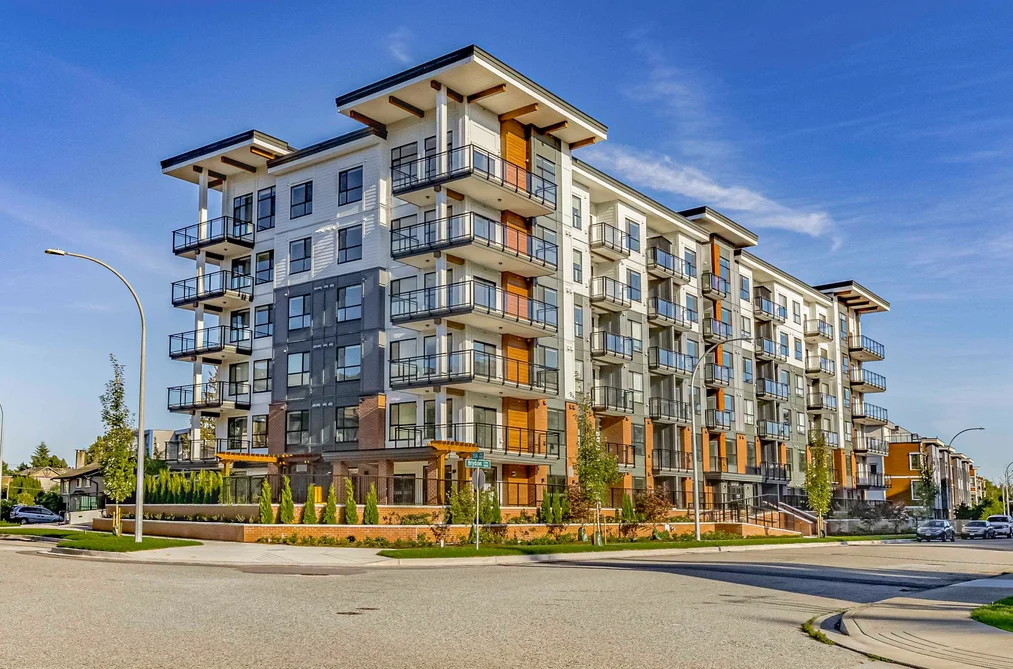
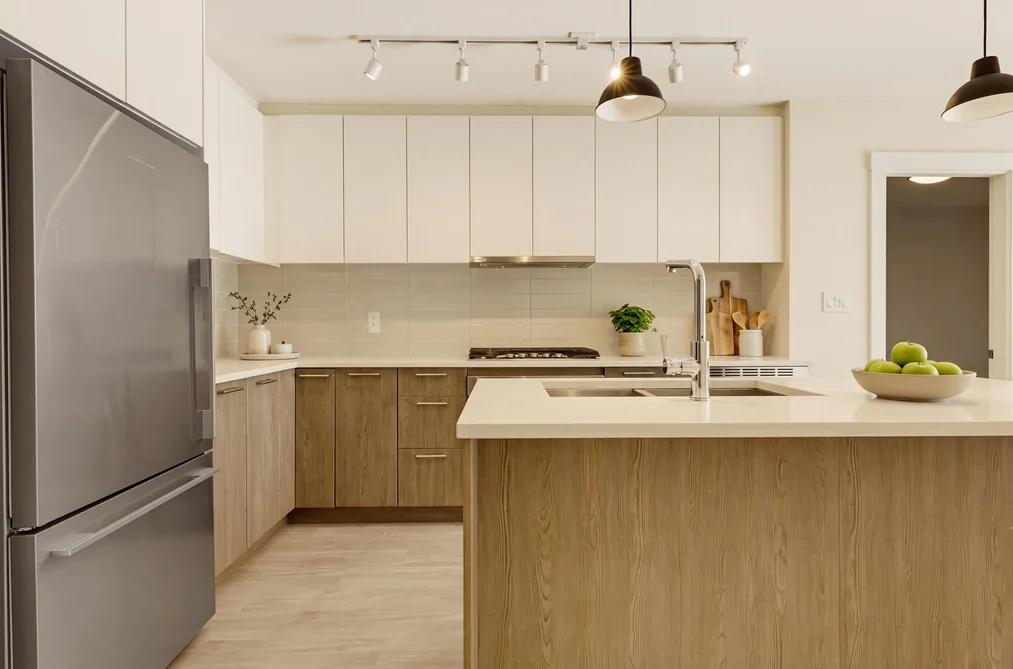
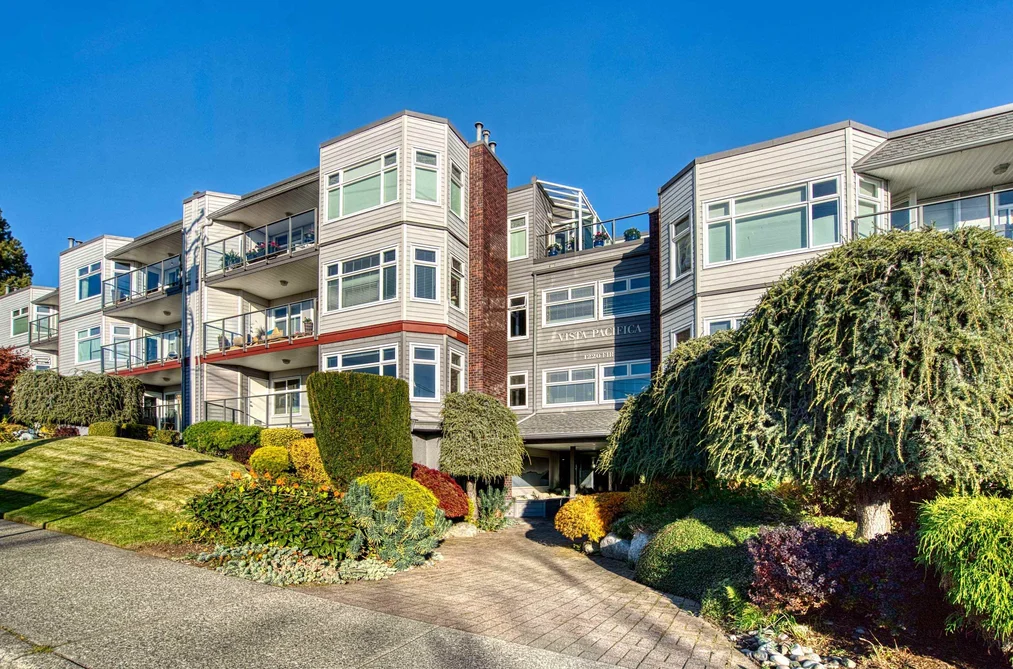
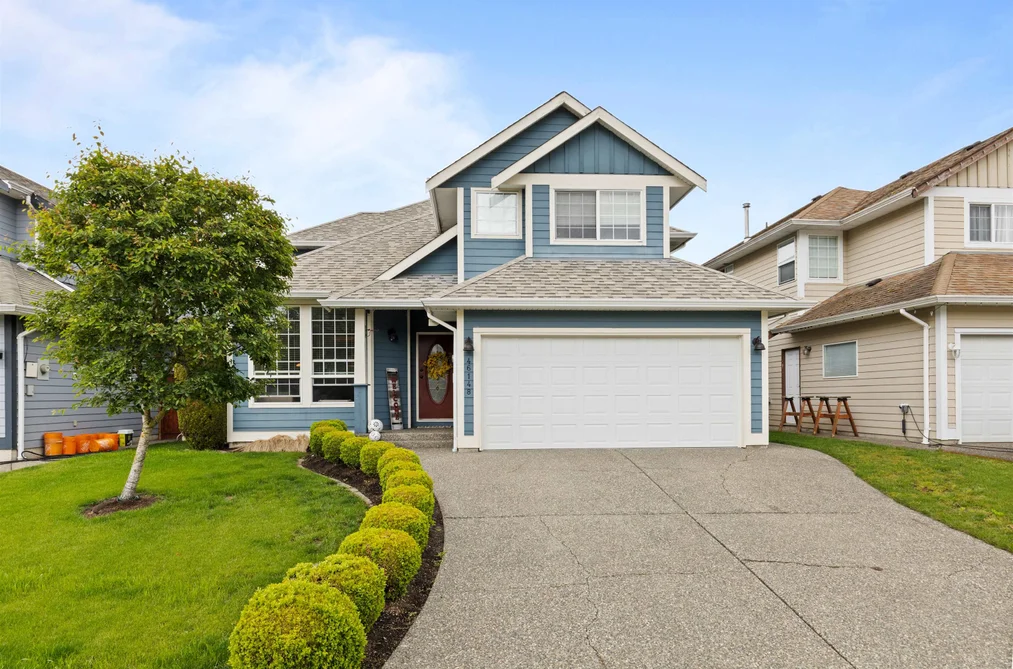
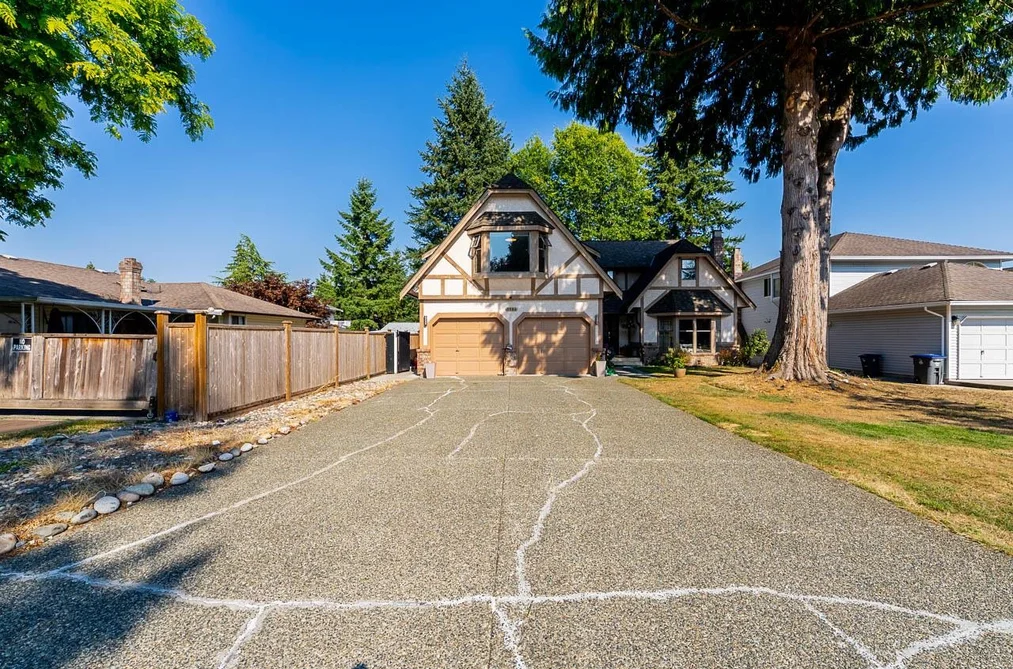

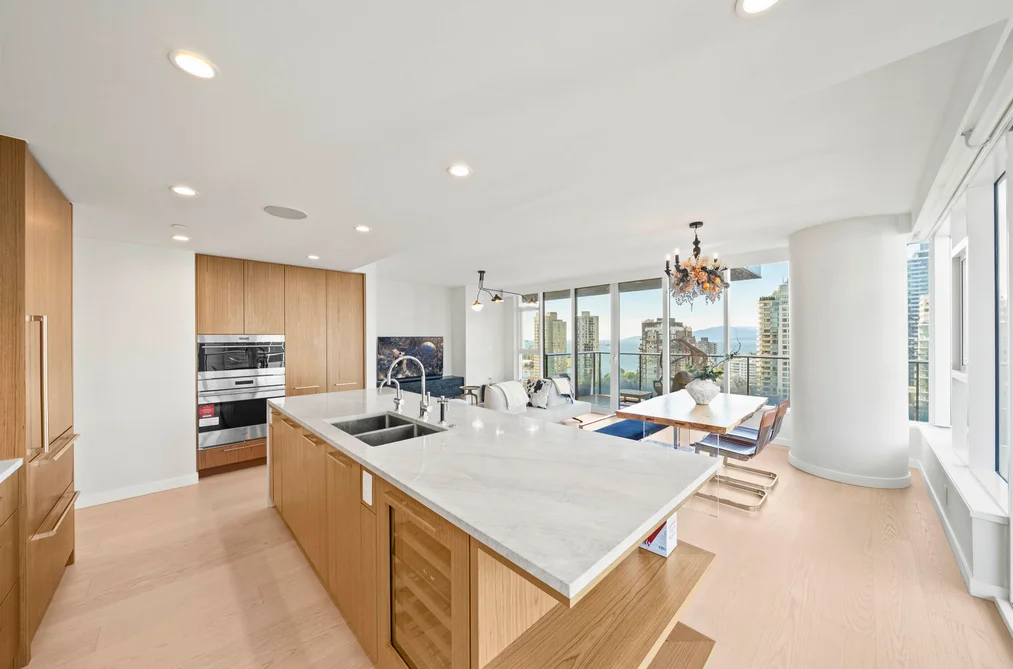
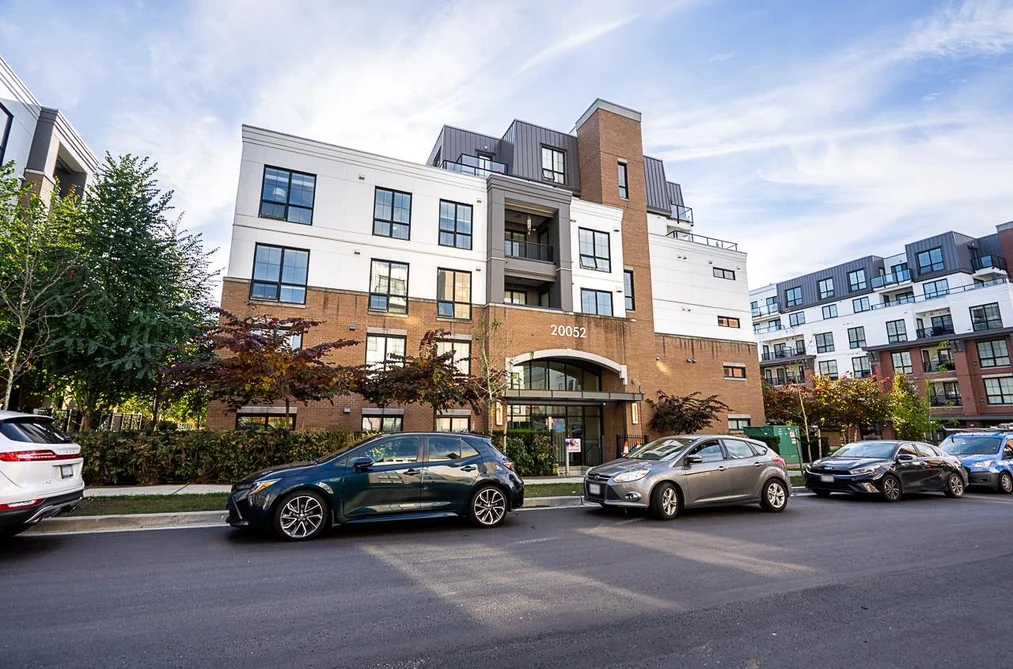
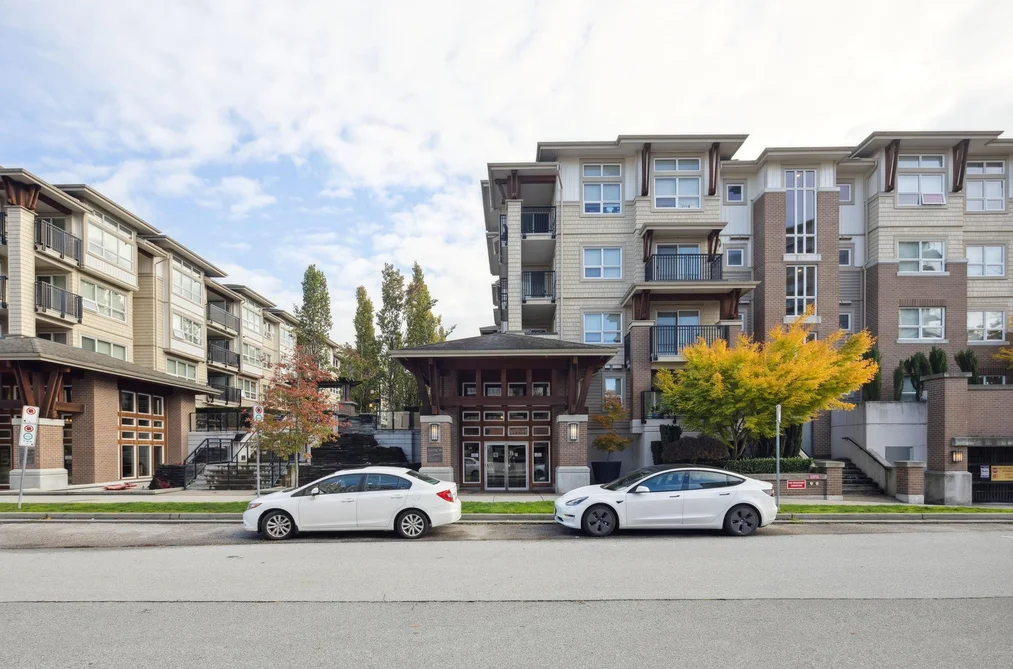
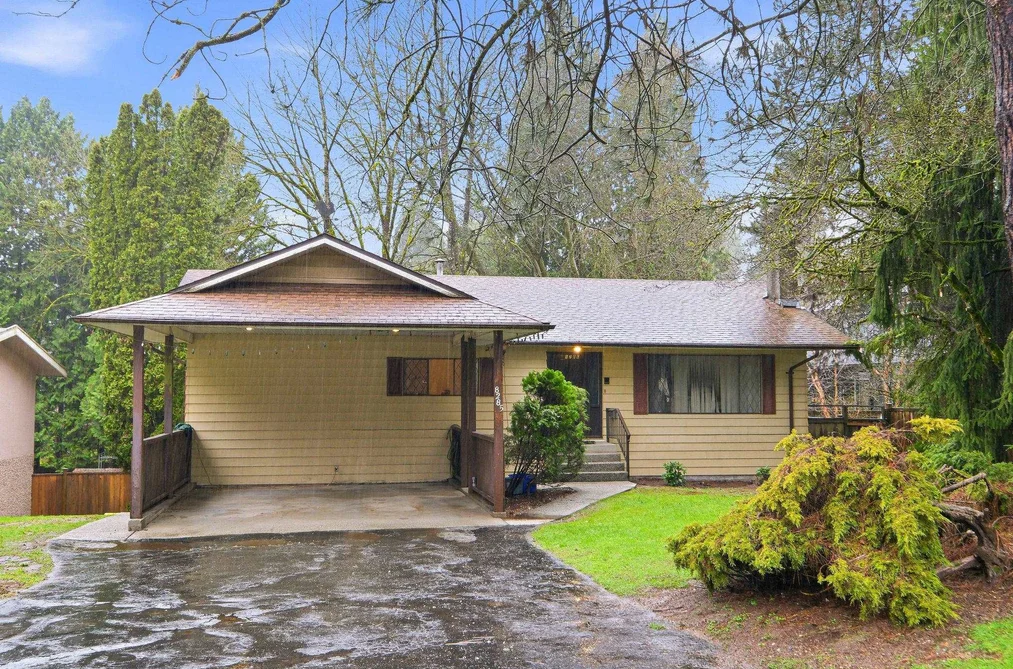
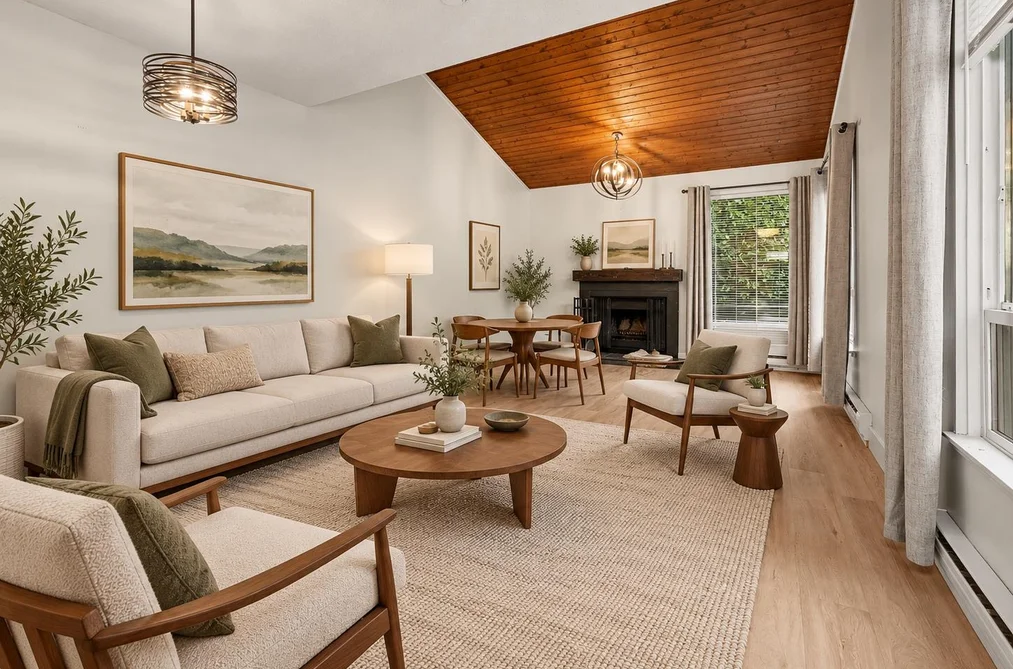
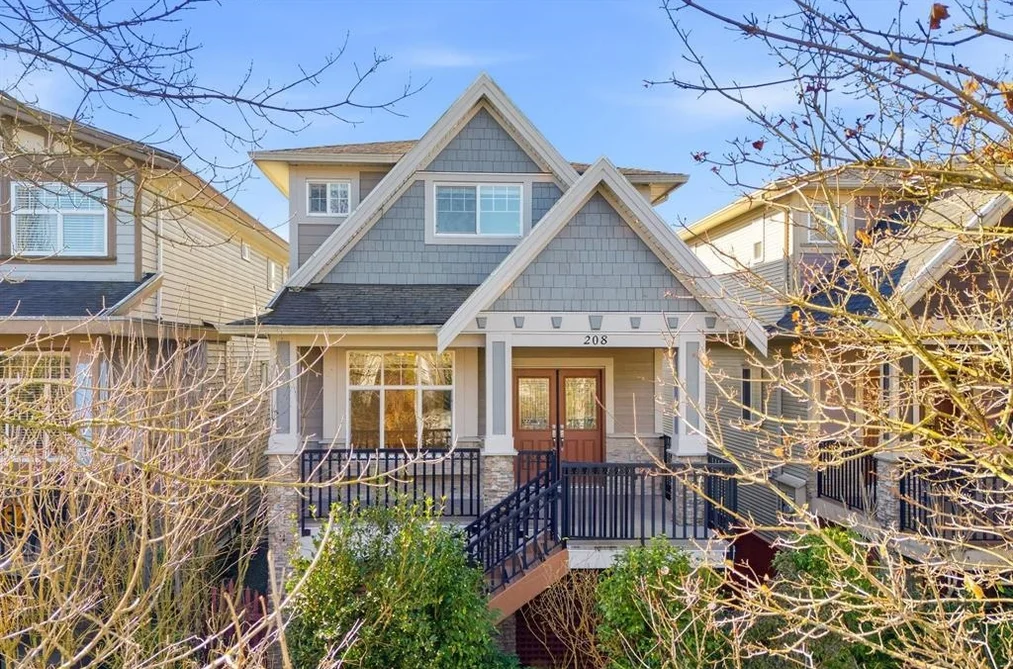
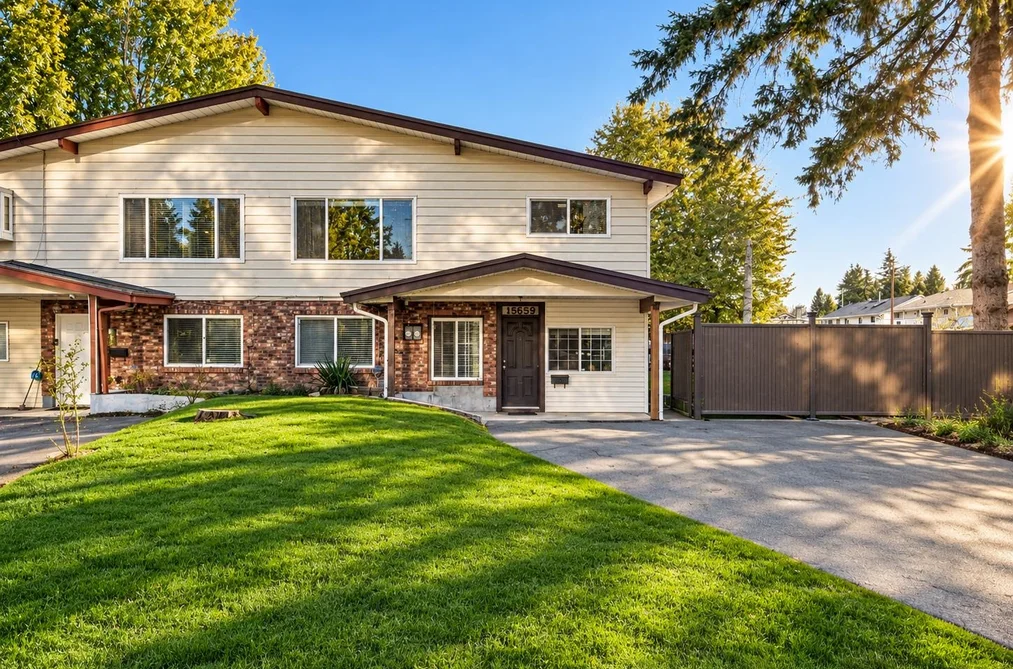
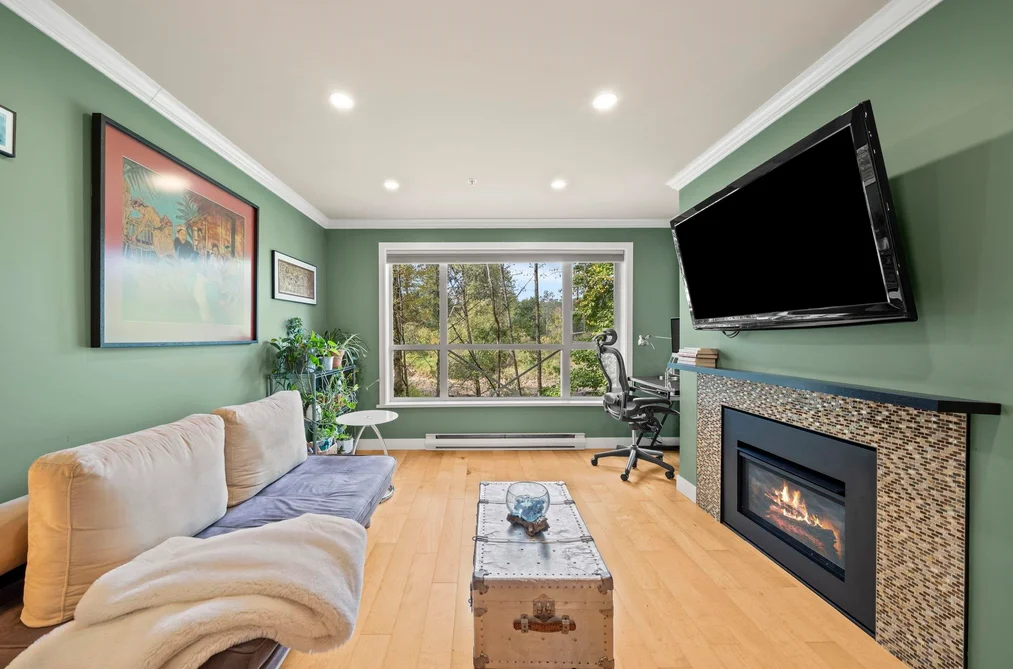
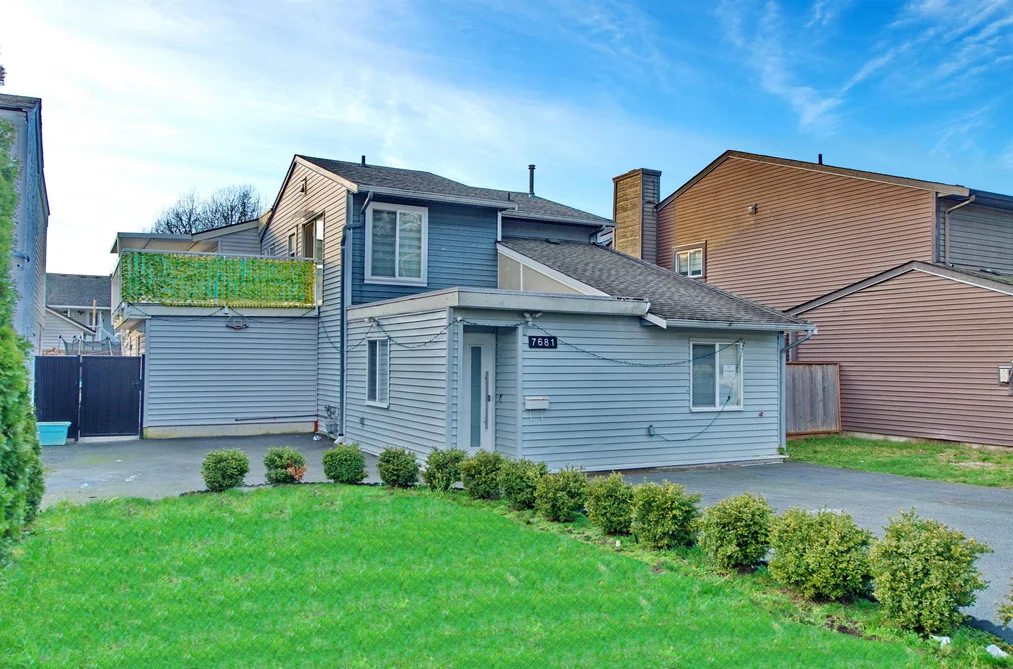
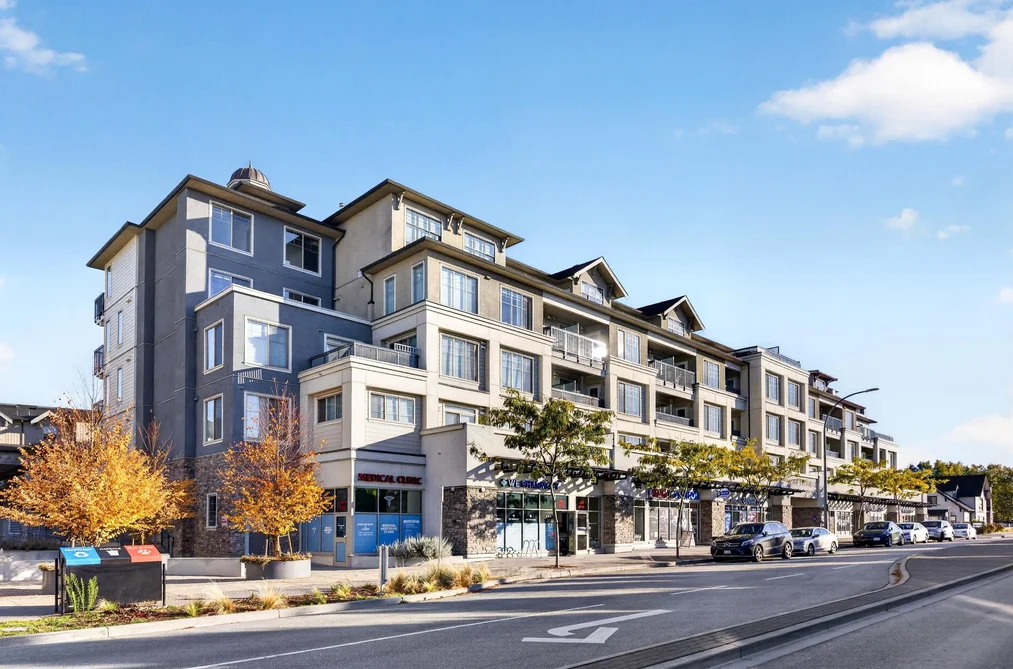
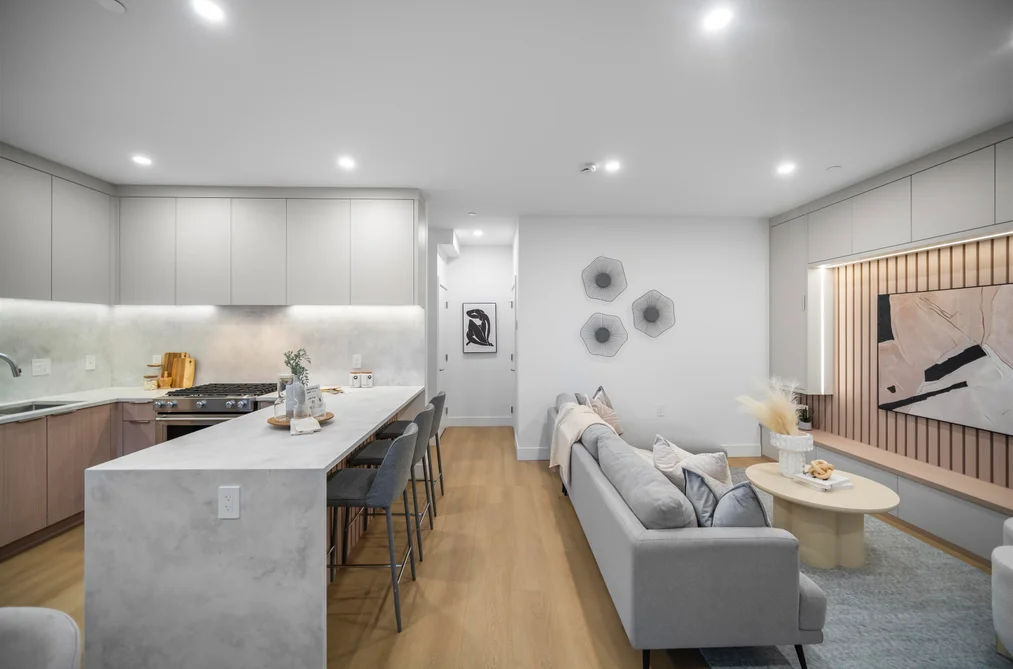
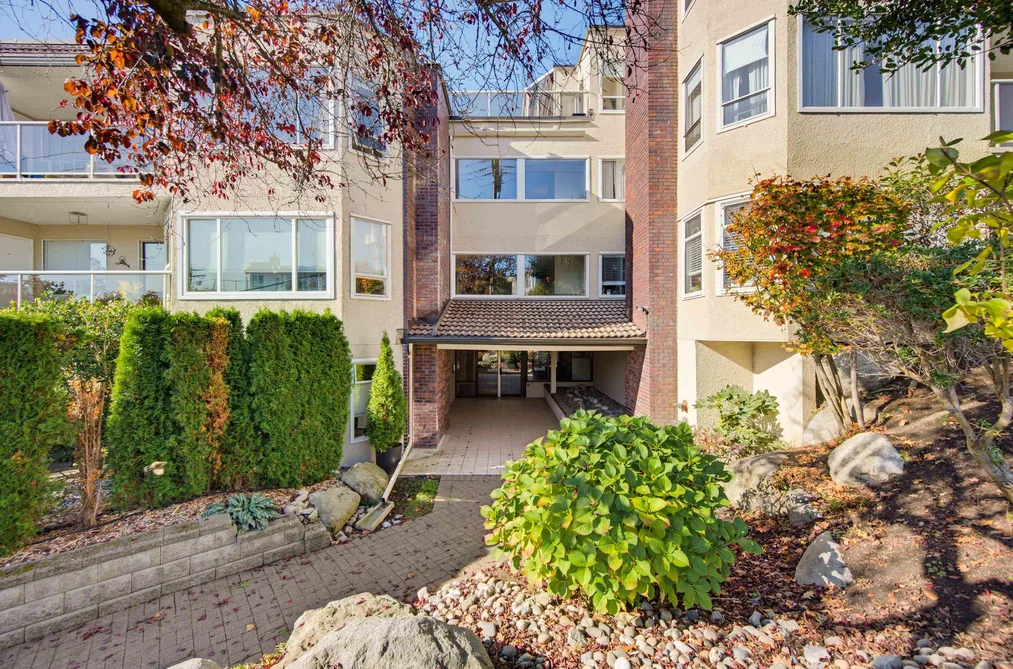
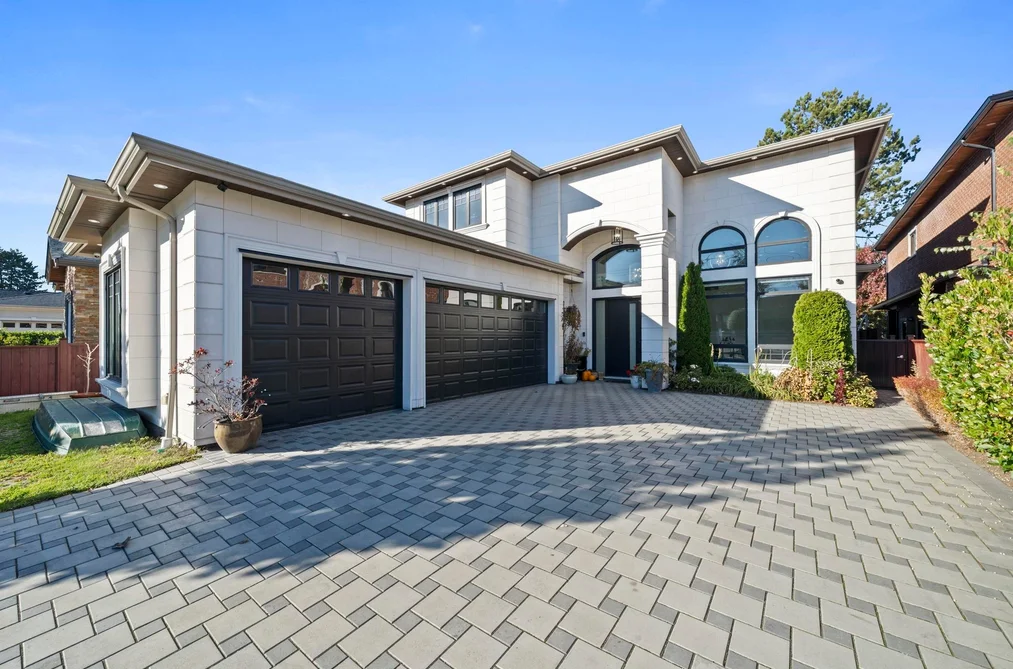
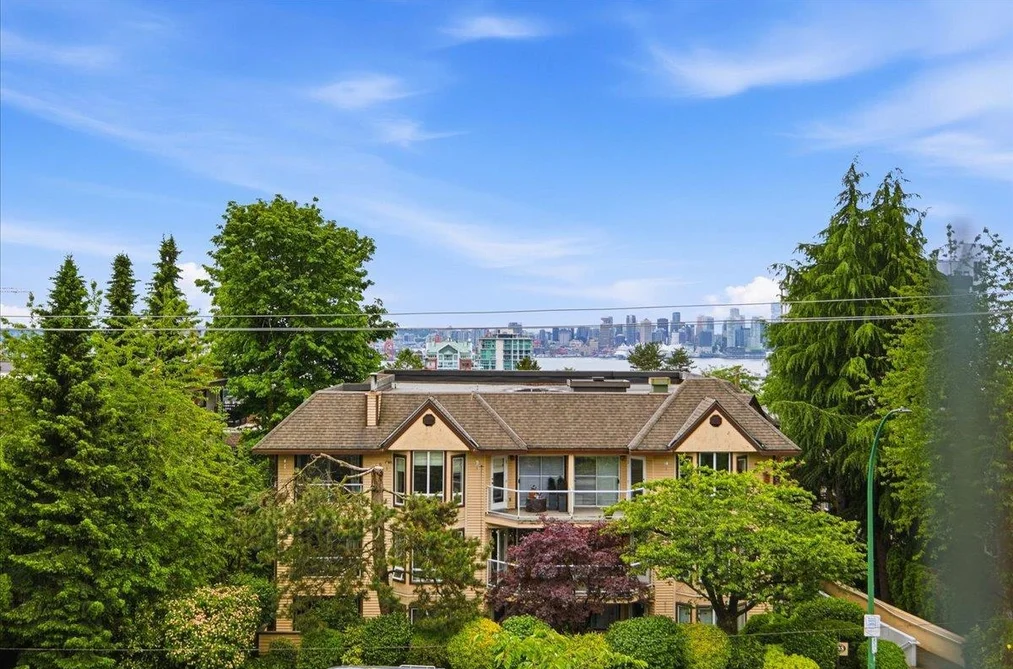
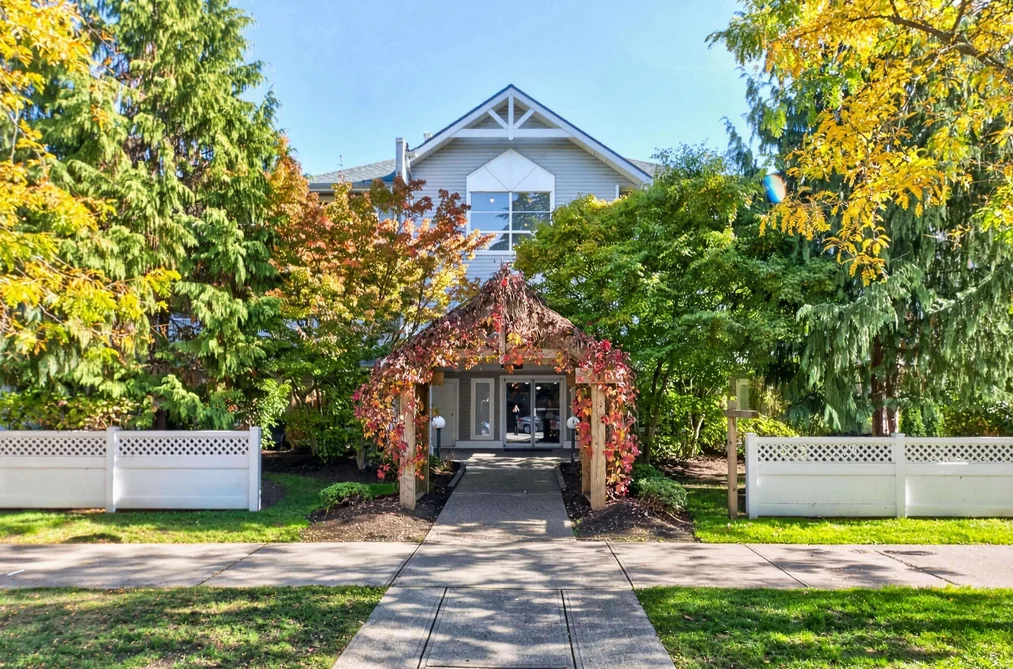
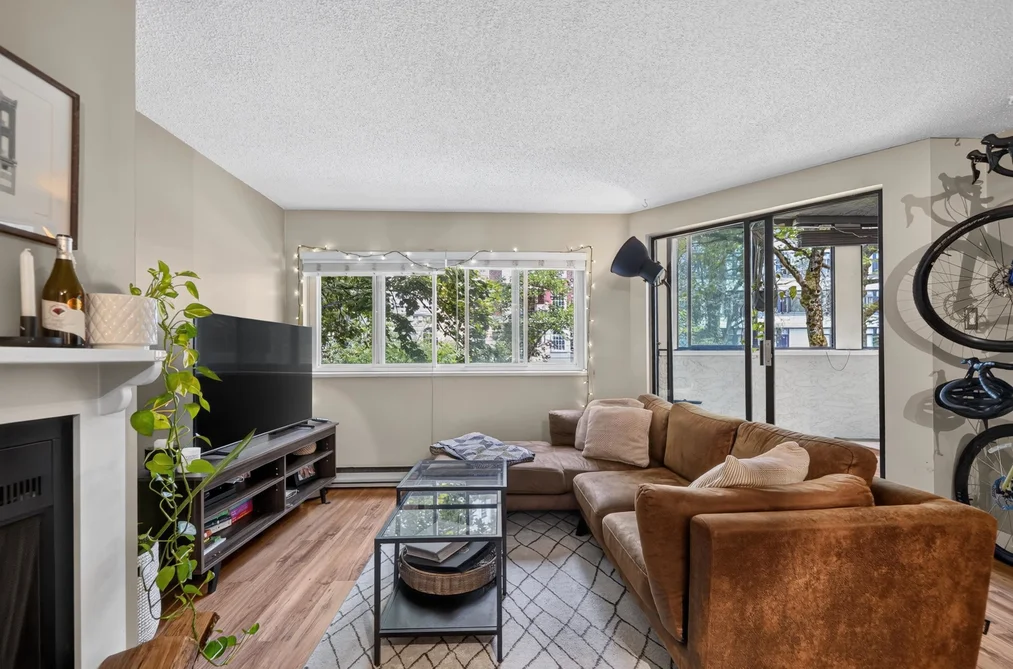
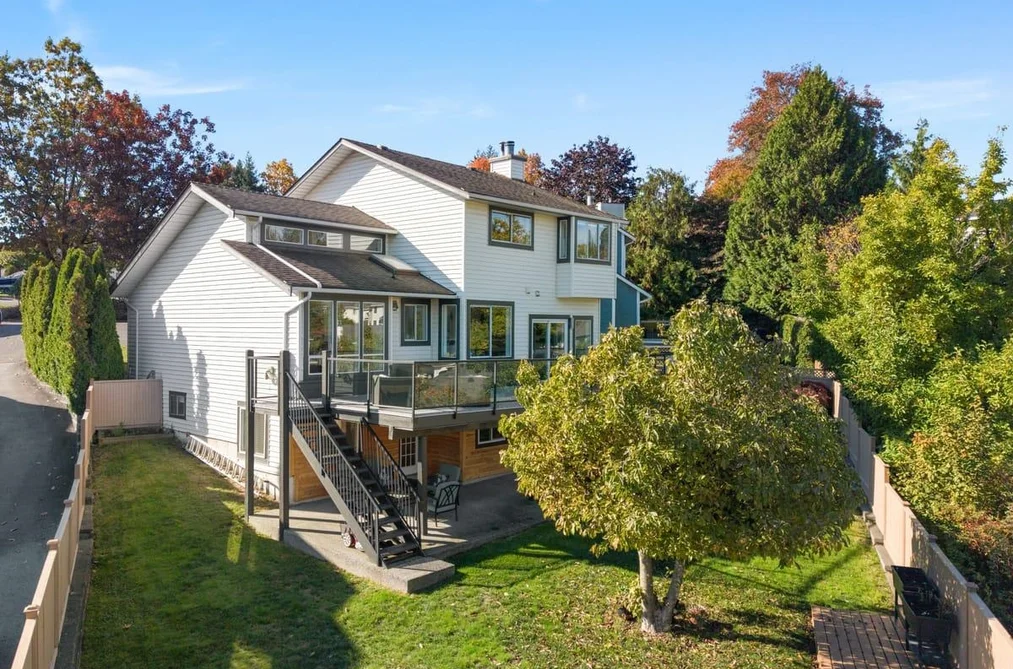
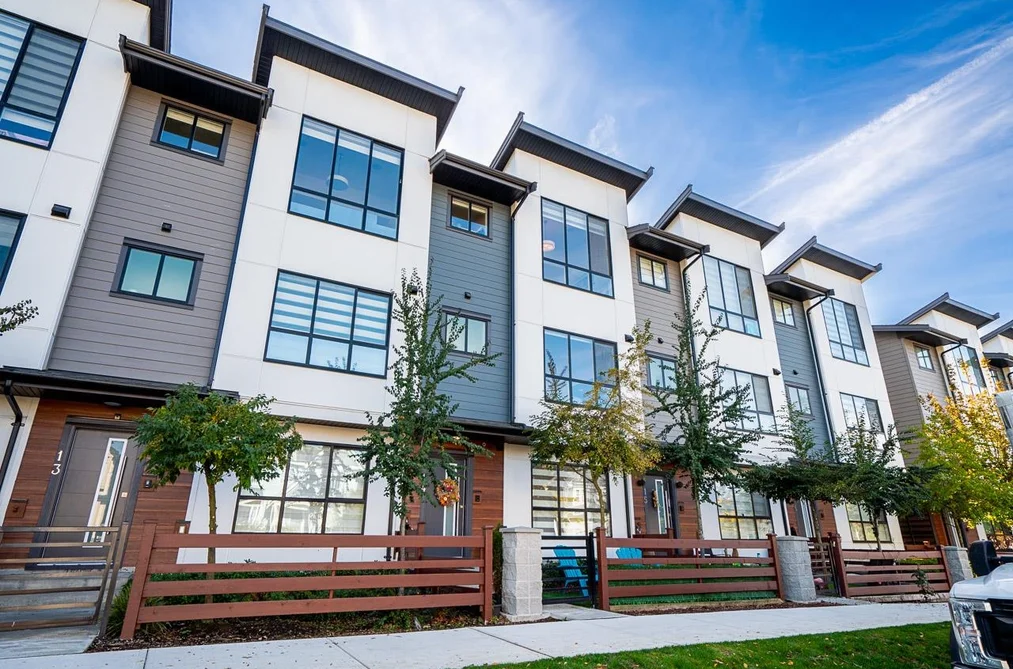
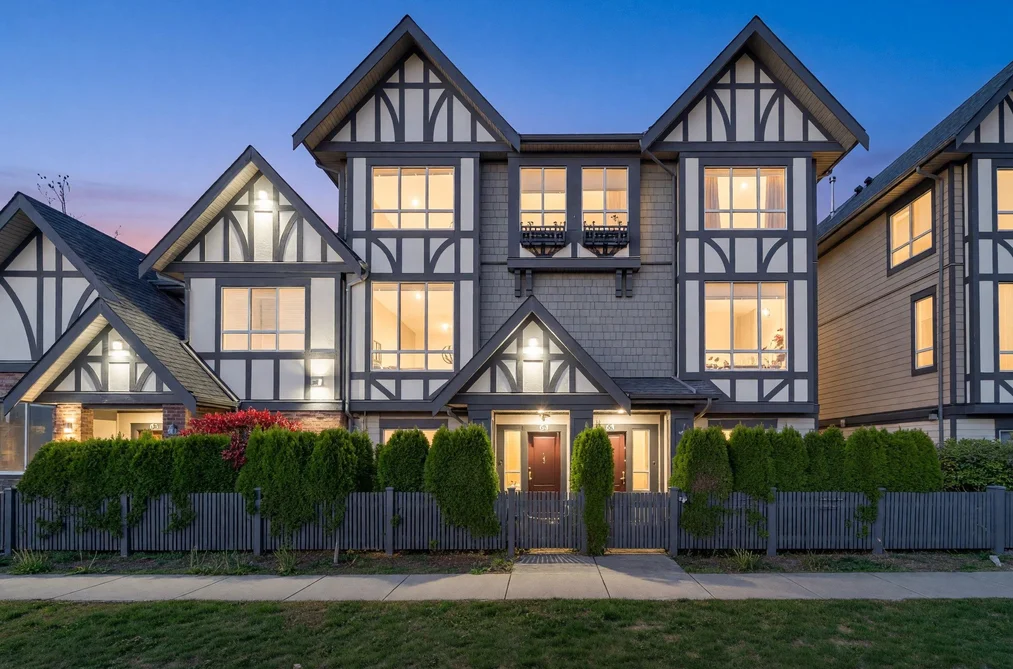
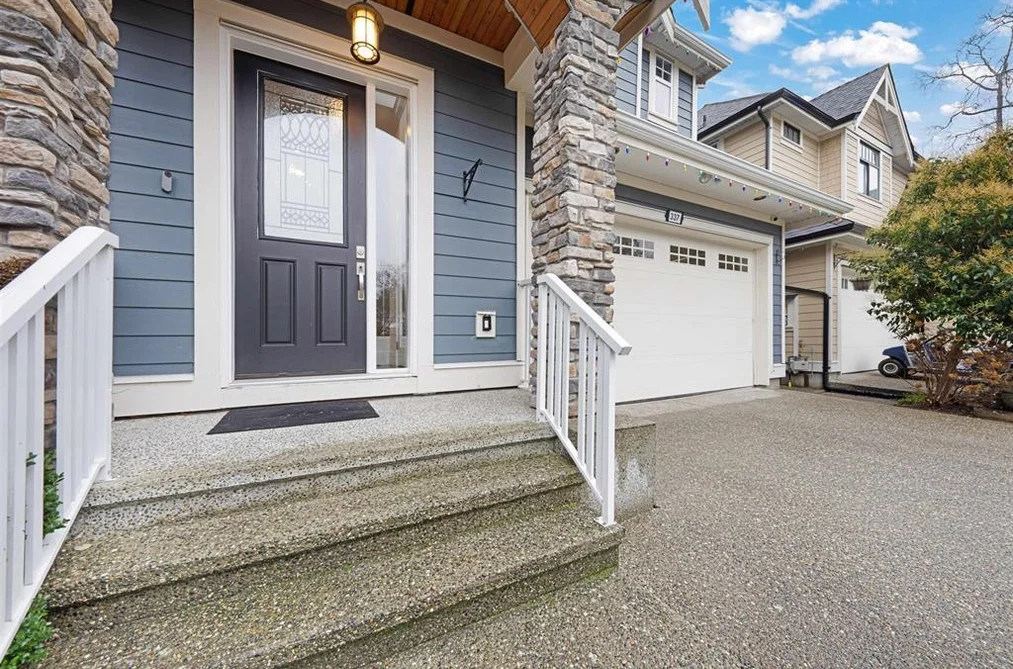
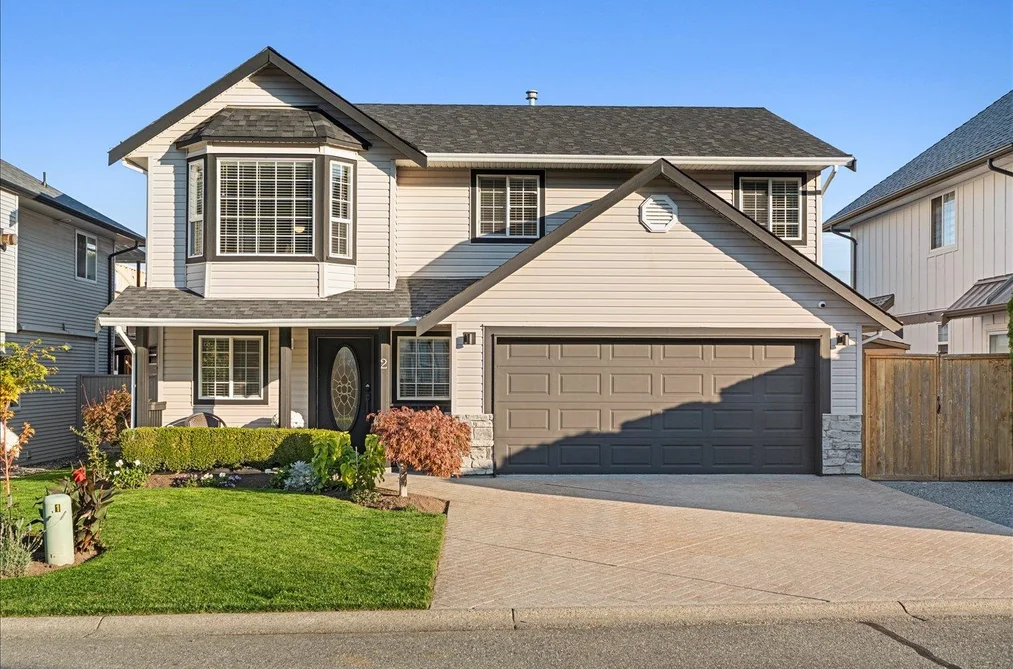
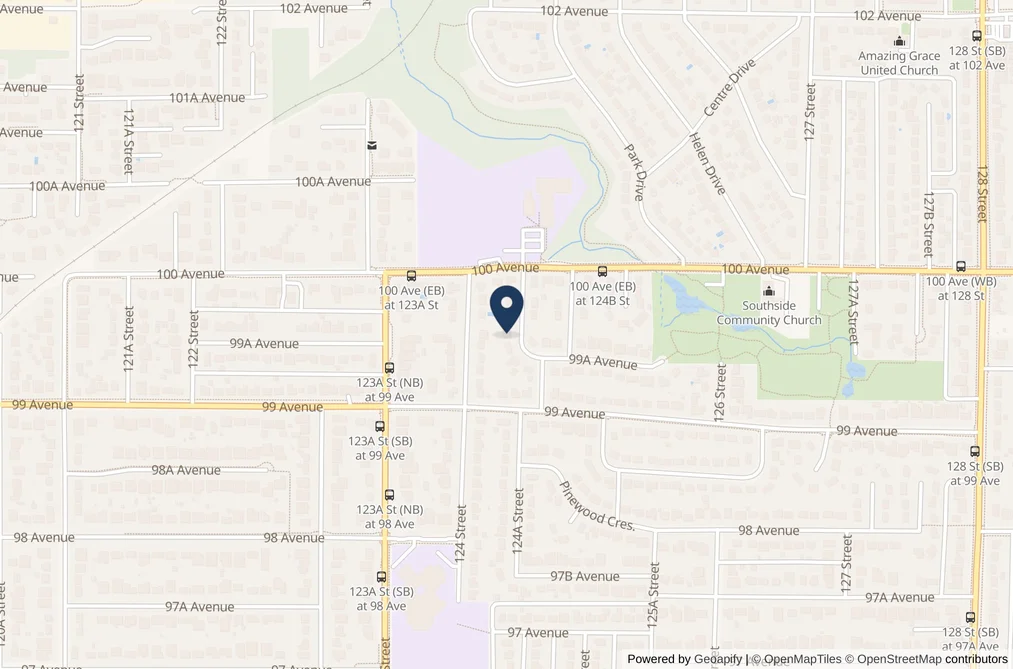
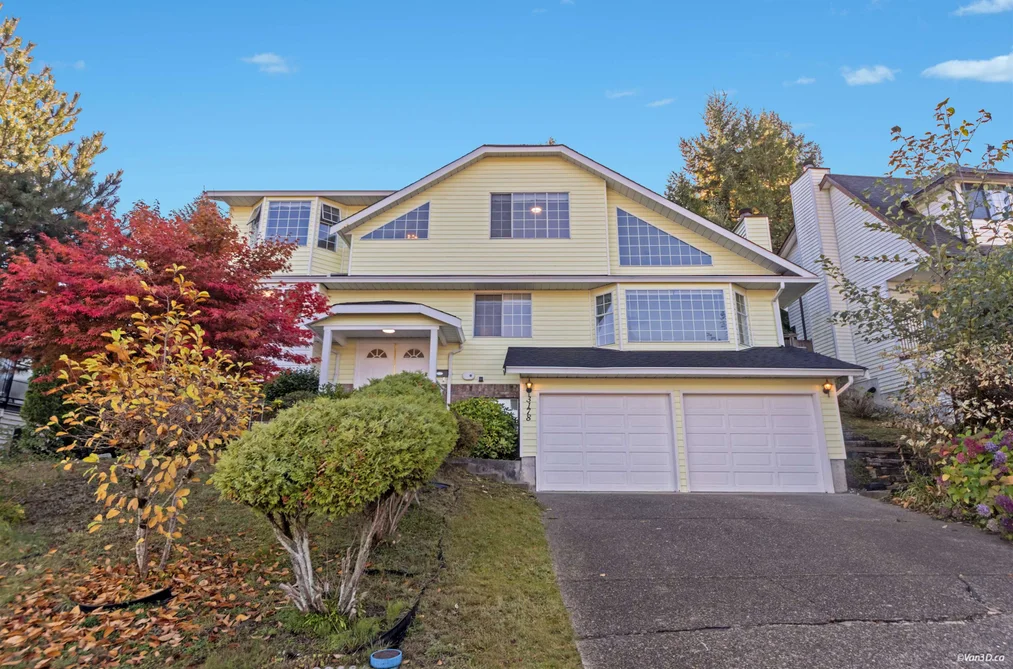
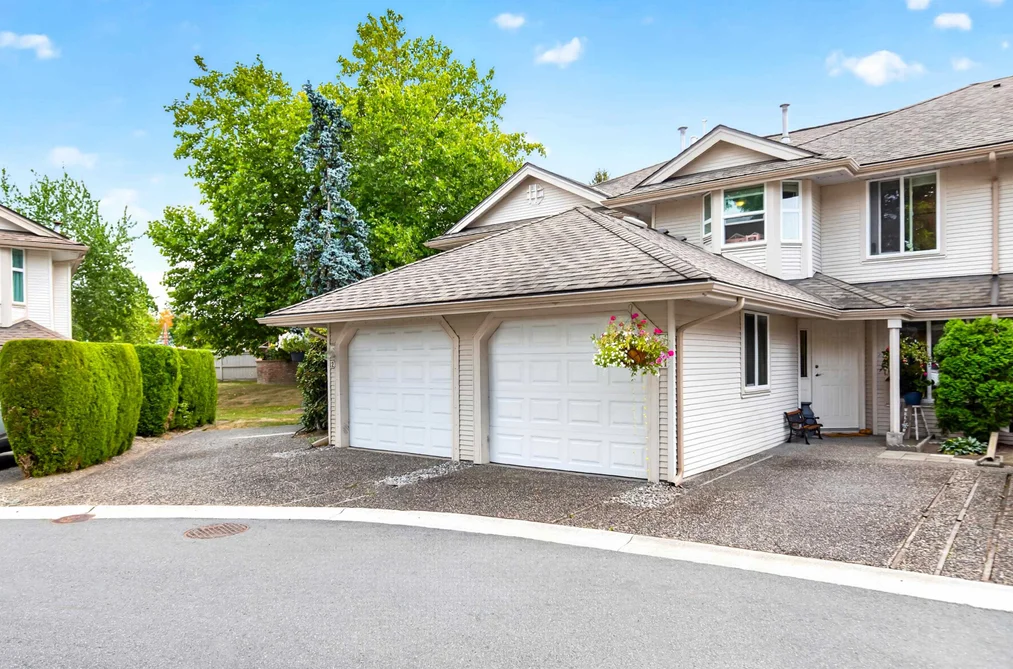
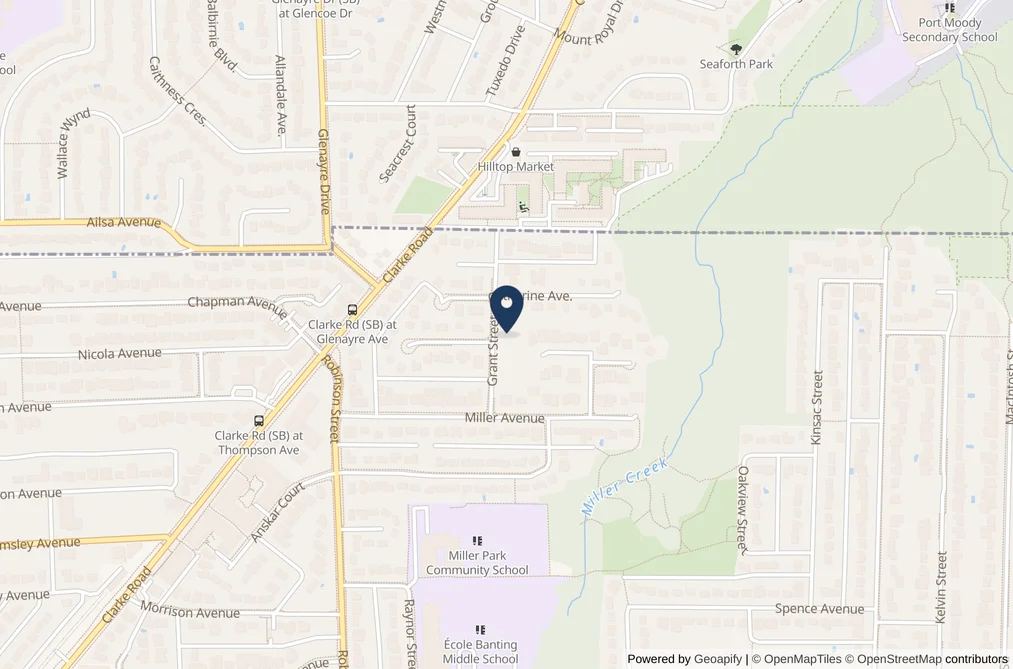
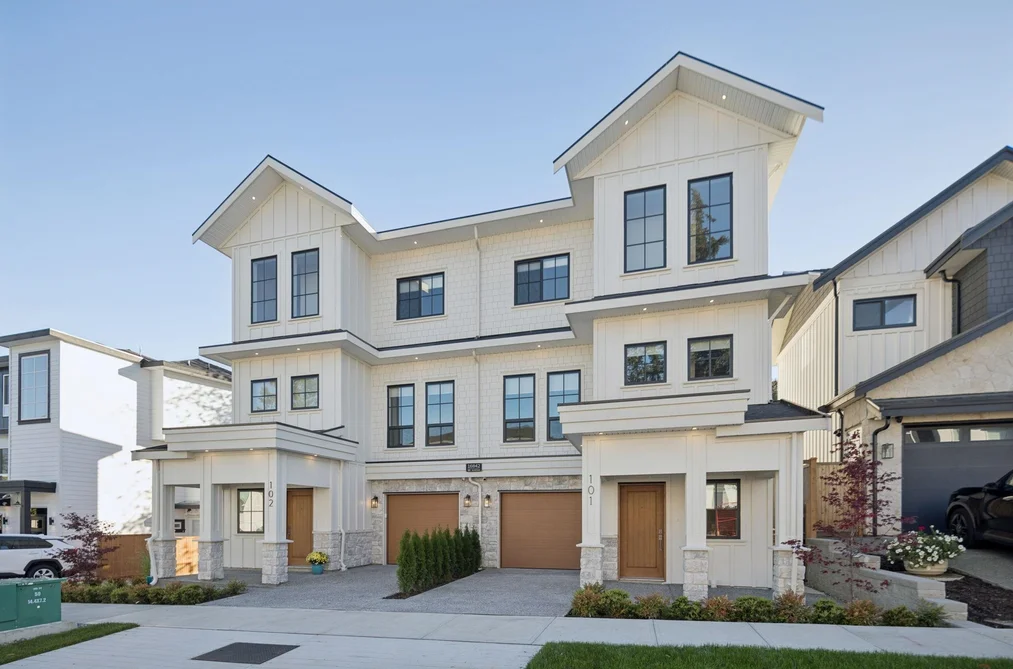
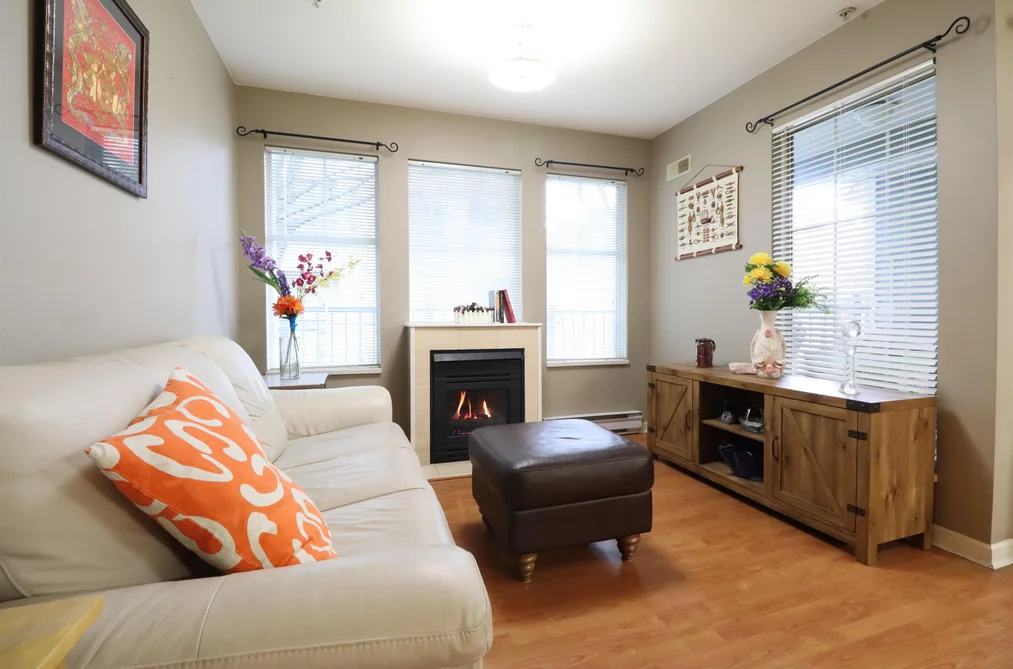
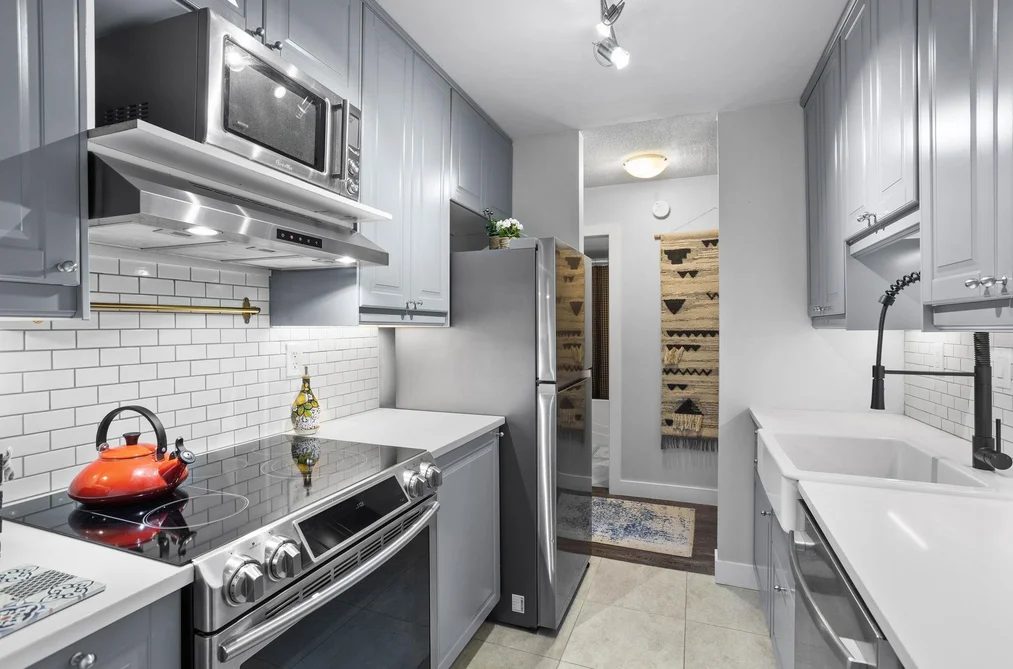
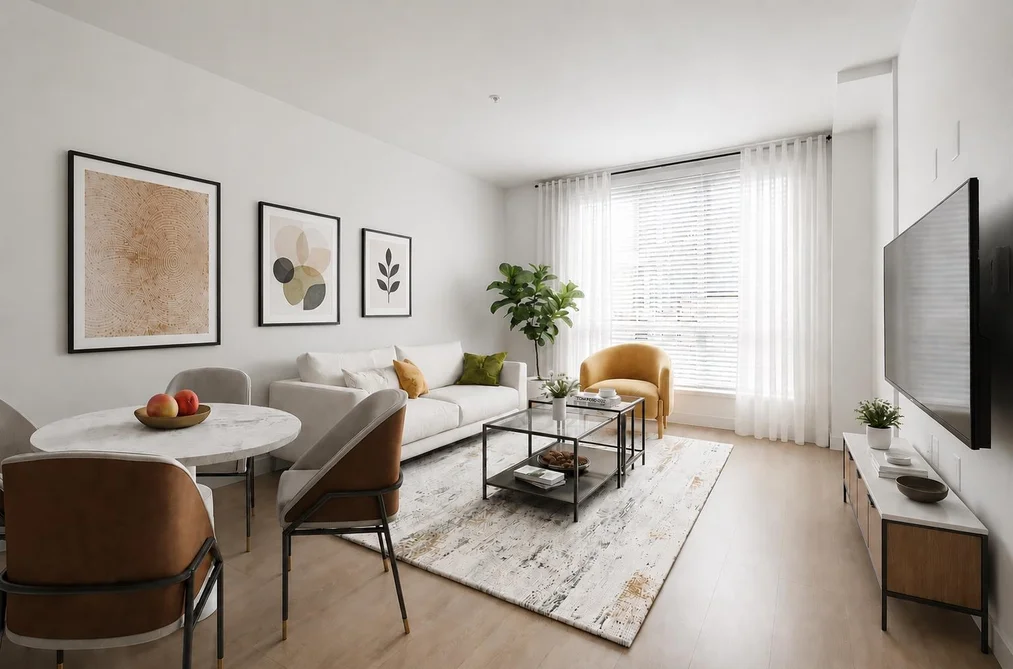
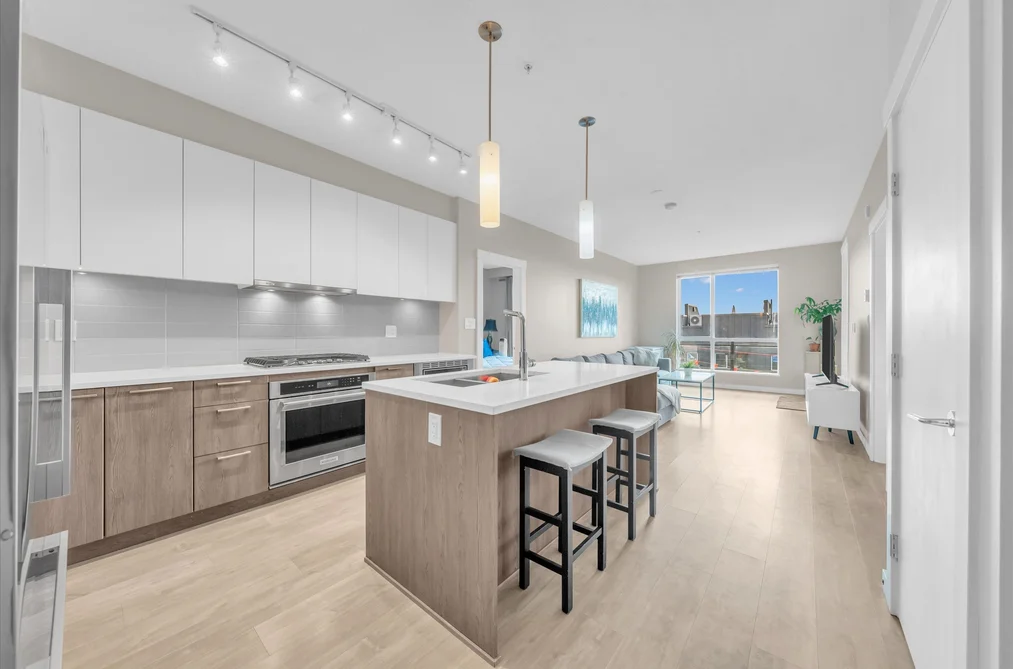
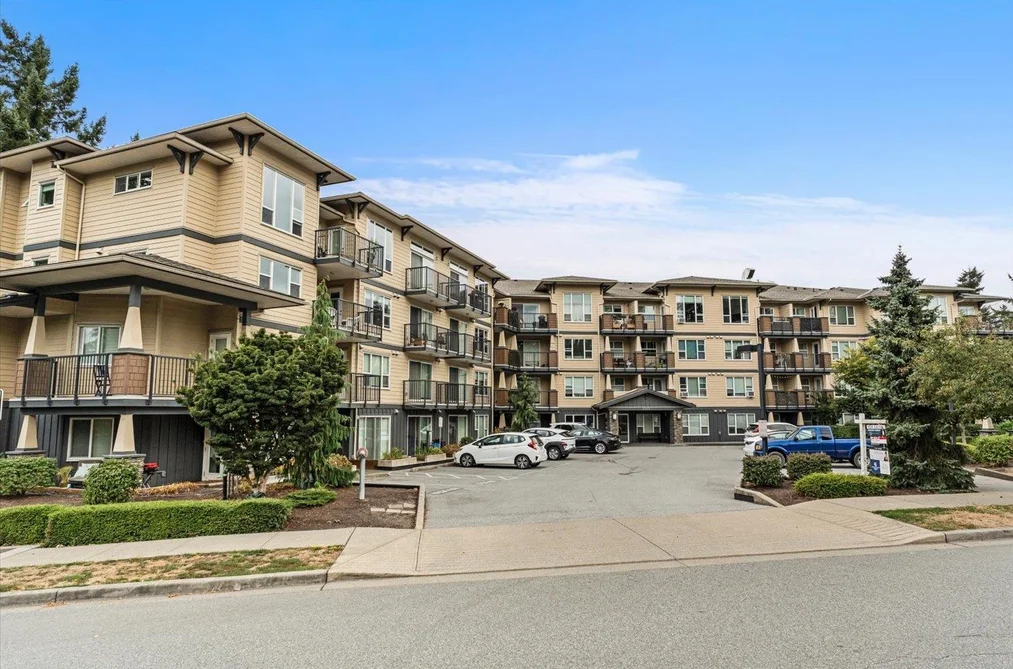
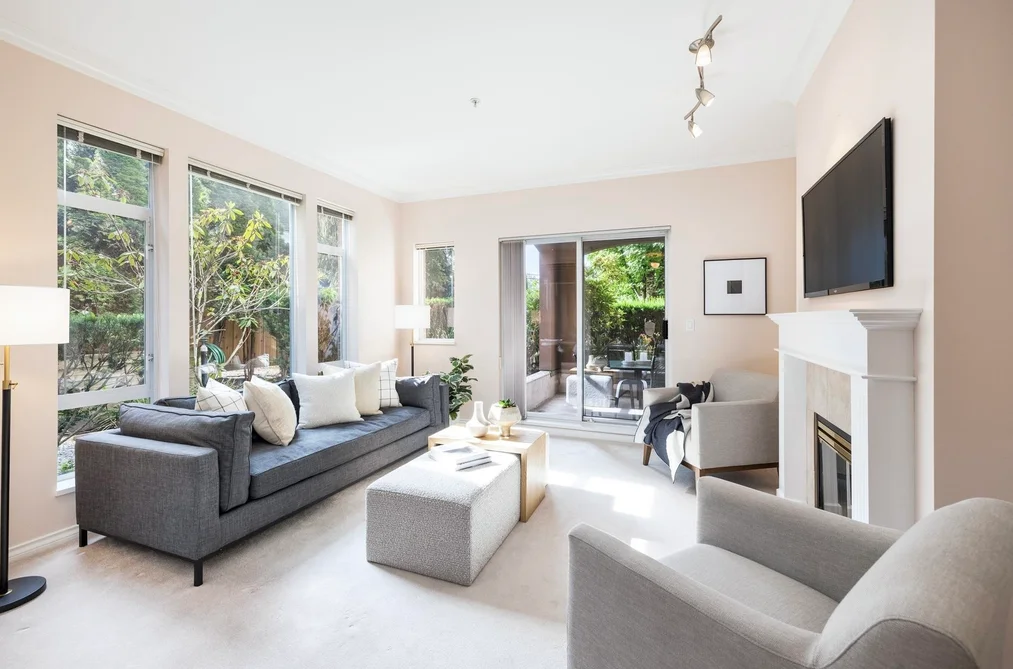
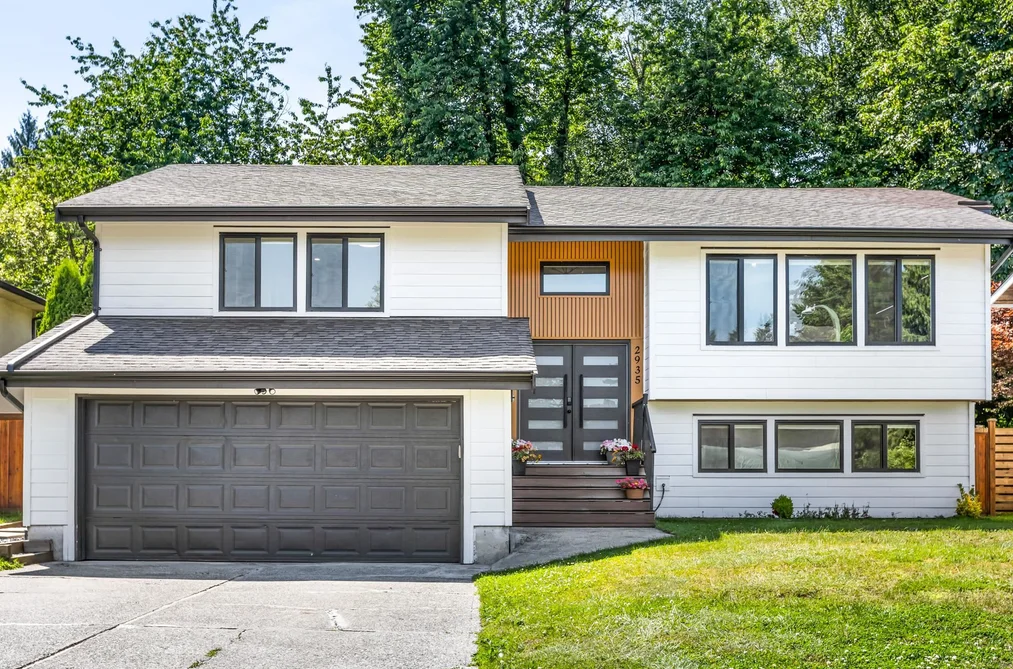
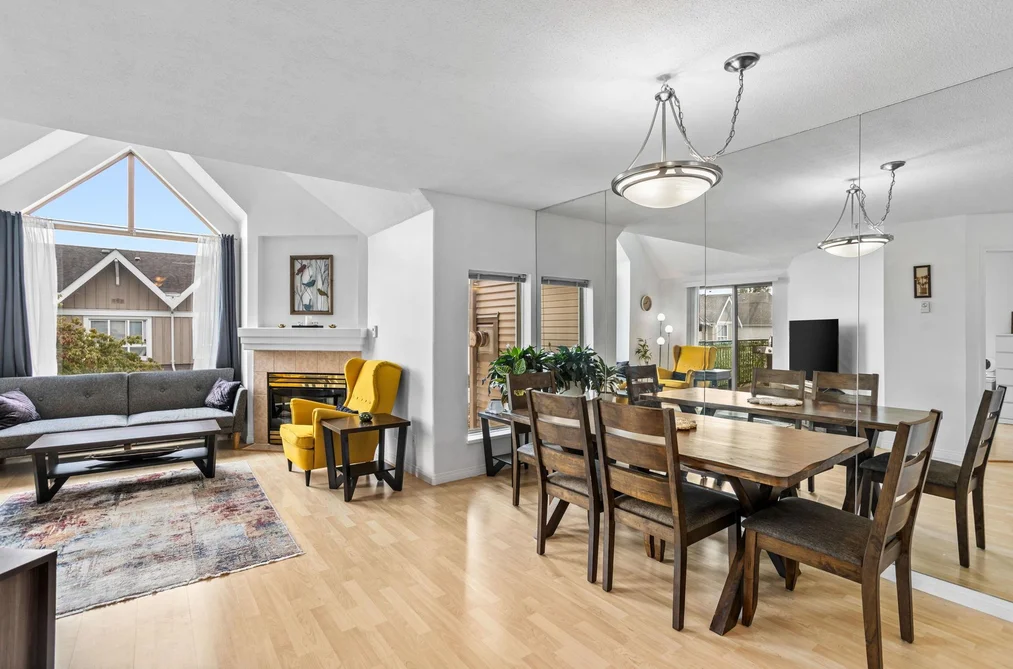
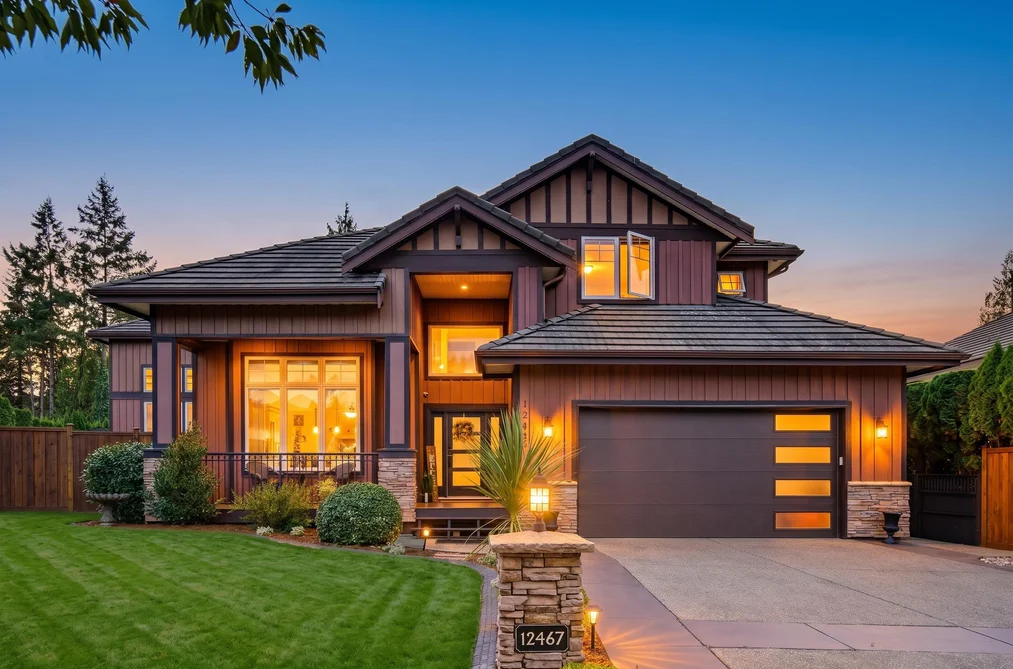
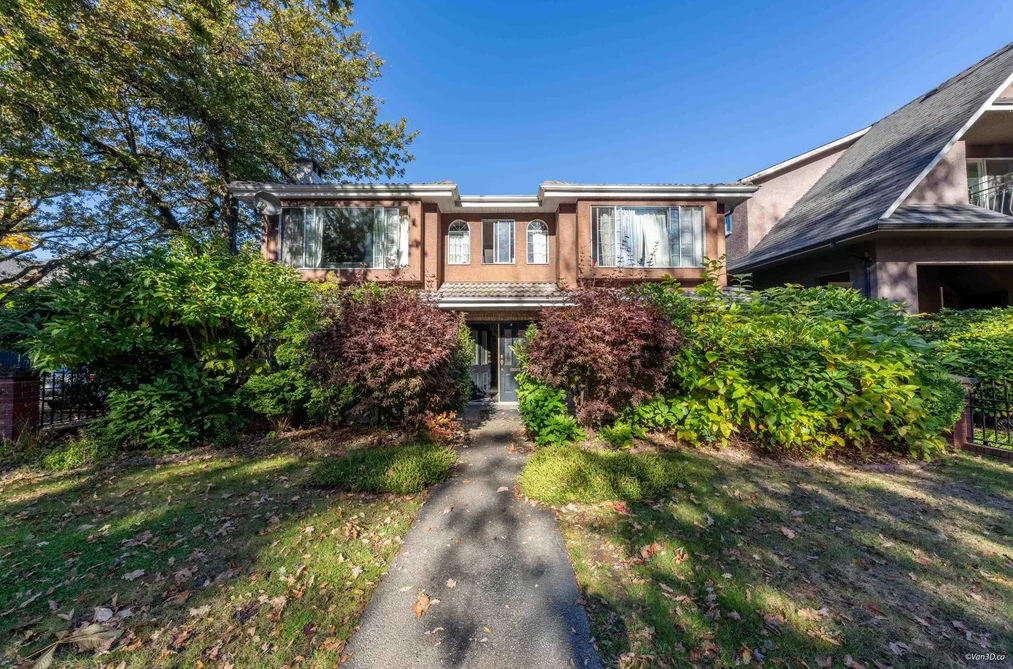
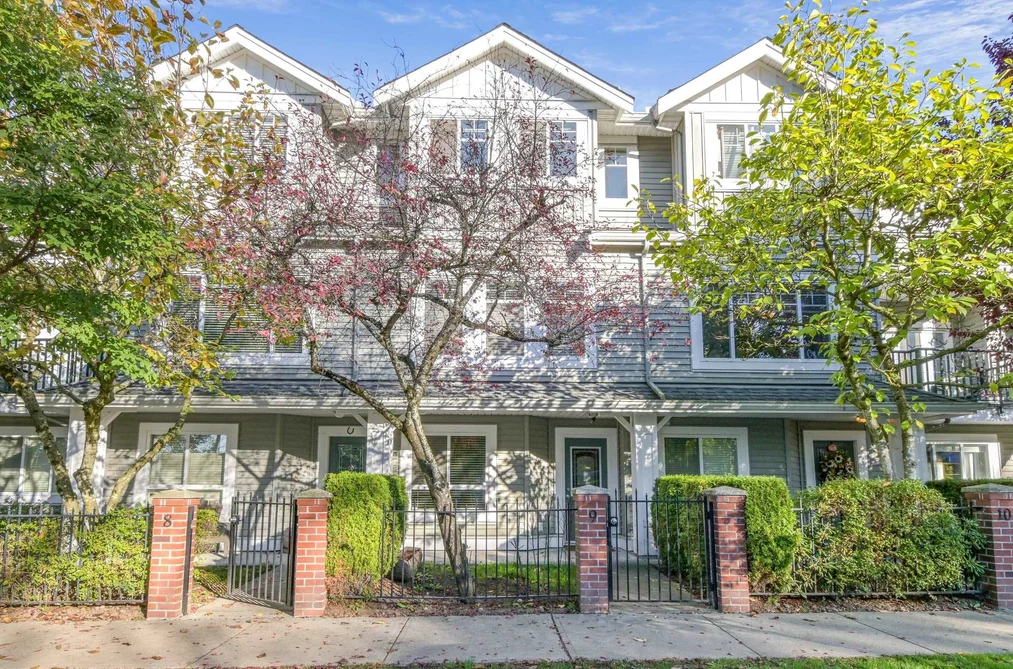
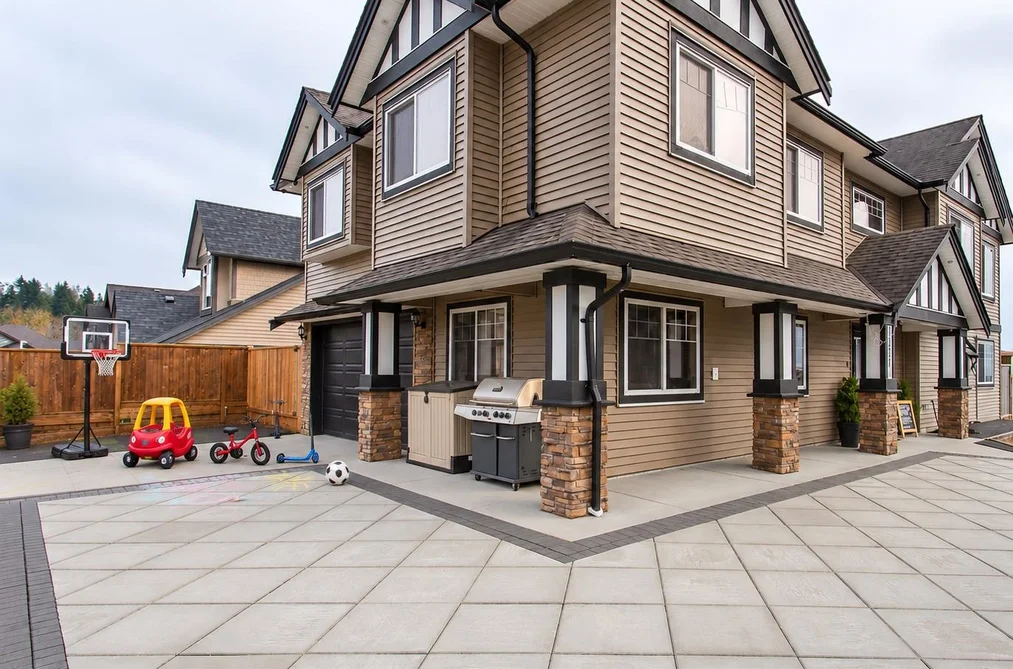
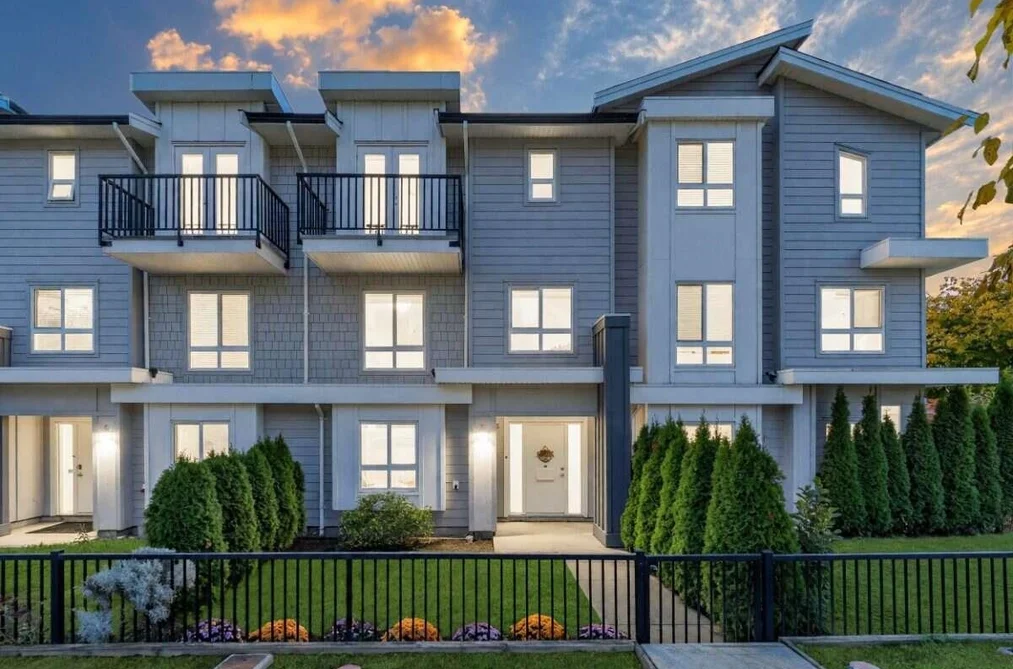
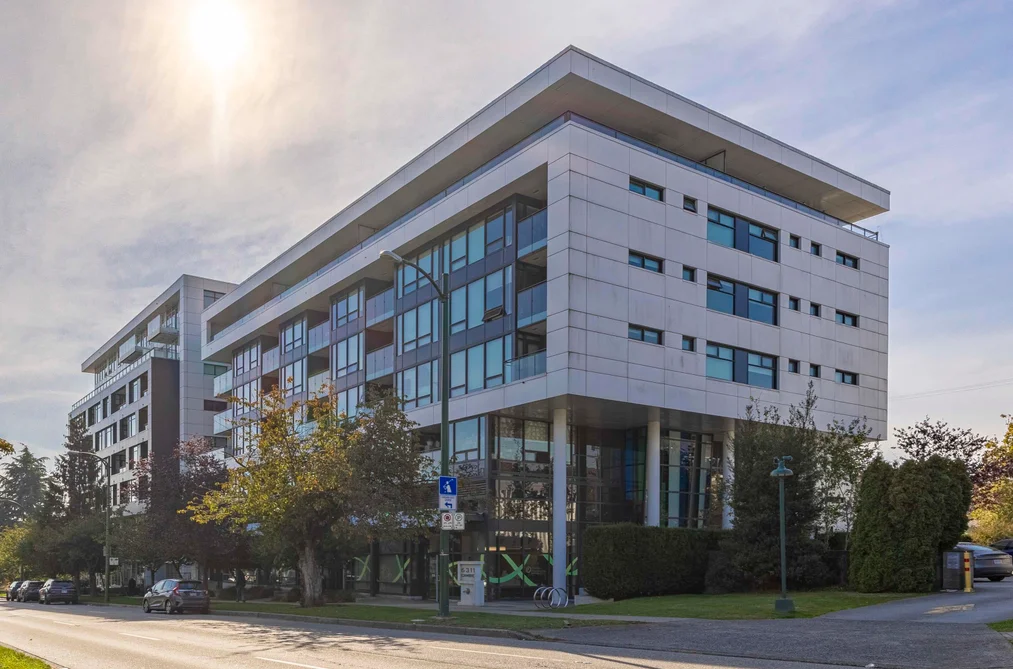
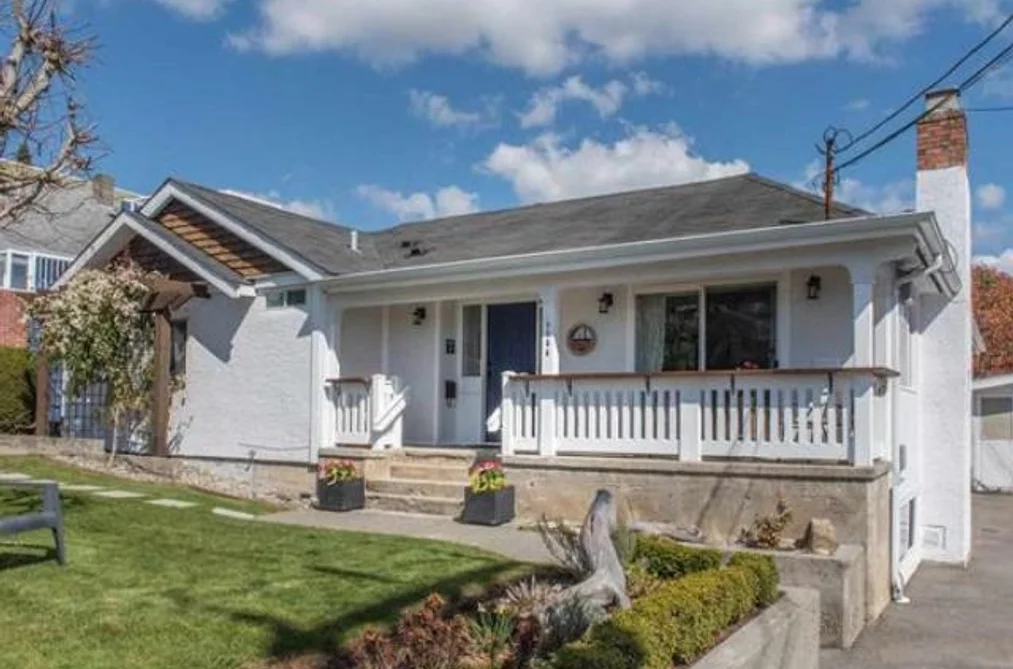
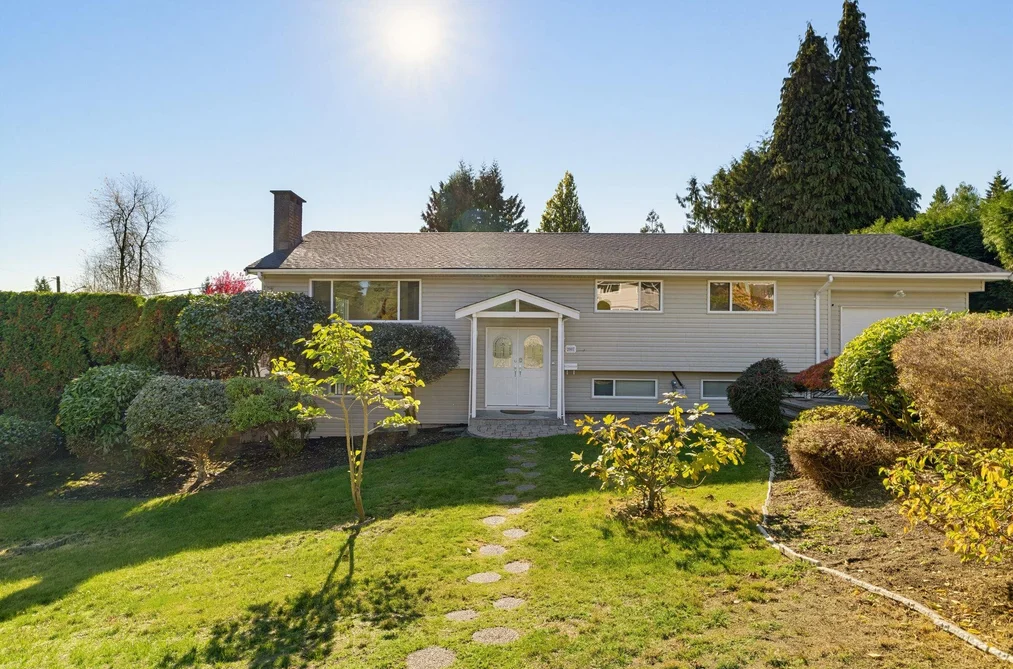
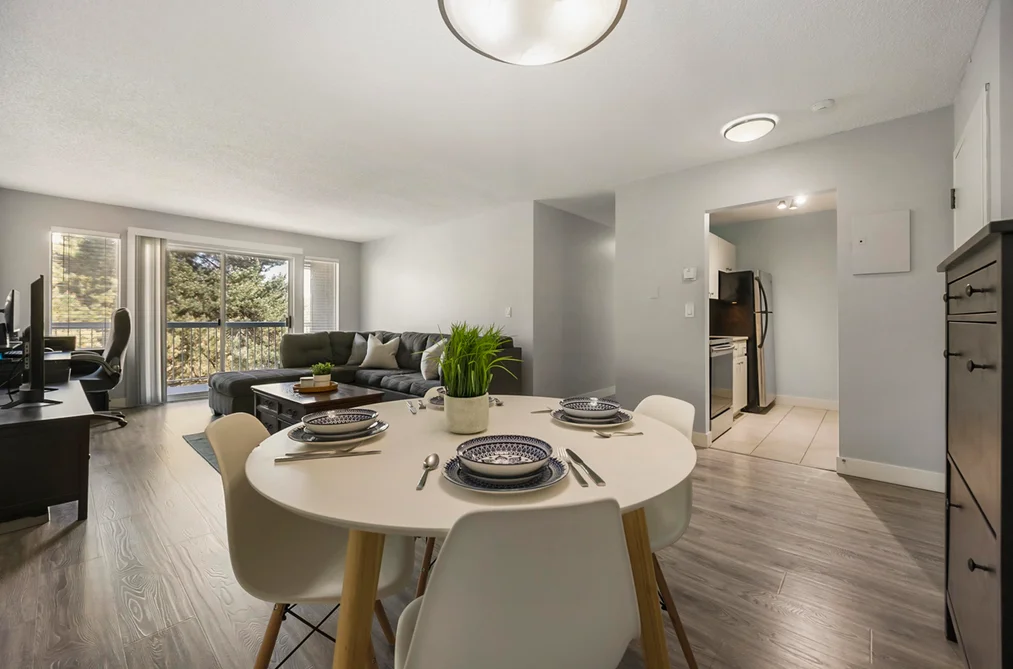
Quiet listings in Greater Vancouver ask a buyer to verify a claim no photograph can support, so visit the street at rush hour and again after dark before you write.
Check What a Quiet Listing Is Not Telling You
Noise is a location fact, not a finish. Drive the block at the morning peak and stand outside after dark, because an arterial two streets over, a fire hall, a school pickup lane, a late-night bus route or a flight path will not appear in any photograph. Ask the listing agent what the street is like on a summer evening with the windows open, check the zone on the vacant lot behind the fence, and note whether the home has easy access to a through road without sitting on one. In a strata, request the minutes and read them for noise complaints between units.
Read the Listing Language Before You Book a Showing
Listing copy runs on a small vocabulary. When the remarks say the property offers a cozy main floor, that the home offers expansive living space, or that a spacious and airy plan is thoughtfully designed and move-in ready, ask for the measurement instead: request the floor plan with the sq ft and the room dimensions rather than accepting the adjective. The same applies to natural light, to a rare opportunity, and to ideally located, which usually means walking distance to something the writer liked.
Ask the Right Questions About a Quiet Street
Then check what actually changes how the home lives. Confirm the bedroom count against the floor plan, since a den without a window is not one of the additional bedrooms, and measure the primary bedroom with its walk-in closet and ensuite bathroom rather than trusting a wide-angle shot. Ask whether the appliance package, the quartz countertops and the gas fireplace stay. Where the listing mentions a mortgage helper, request the permit history for the suite. Walk the fully fenced yard, the lower level and any home office or amenity room at an open house, because a living area that reads quiet on a Tuesday afternoon in a British Columbia townhome can sit directly under the walk-in shower of the unit above.
Frequently Asked Questions
- How do I verify a street is actually quiet before I offer?
- Visit at least three times: the morning peak, a weekday evening and late at night. Open a window during the showing. Check a transit map for bus routes and a municipal map for arterials, schools and emergency halls within a few blocks, and in a strata read the minutes for complaints between units.
- What noise sources do not show up in listing photographs?
- Traffic on an arterial one street over, a bus route, a fire hall, school drop-off, flight paths, rail lines, and the mechanical rooms or garage door of the building itself. In a townhome, plumbing and footfall from the unit above matter more than anything outside. Ask neighbours what the block sounds like in summer.
- Do quiet homes for sale cost more in Greater Vancouver?
- Often a little, and it varies by neighbourhood rather than by any measurable rule. A waterfront or greenbelt-backed lot with natural beauty behind it commands a premium, while an open concept home on a busy corner does not. Compare recent sales on the same block instead of across the wider area.
Related Tags
- Secure(1,462)
- Quiet Street(411)
- Private(4,450)
- Modern(4,549)
- Private Setting(146)
- Low Density(13)
- Studio(1,168)
- Well Maintained(852)
- Family Friendly(261)
- Mountain(3,344)
- Wooded(1,390)
- Rural Setting(920)
- Unobstructed(1,275)
- Traditional(129)
- Ocean(1,467)
- Cul-De-Sac(1,729)
- Tower(312)
- Cleared(398)
- Pool(2,930)
- Backyard(3,184)
- Luxury(3,952)
- Self Contained(65)
- Green(1,155)
- Spa-Like(109)
- Smoke Alarm(4,823)
- Hotel(180)
- Gated(749)
- Adult Oriented(664)
- High Density(17)
- Amenities(6,867)
- Barn(303)
- Private Park(64)
- Social Room(44)
- Retirement Community(562)
- Rented(430)
- High Ceilings(648)
- Renovated(2,547)
- Storage(10,495)
- Cabin(174)
- Move In Ready(341)
- Basement(2,482)
- Jacuzzi(2,545)
- Quick Possession(190)
- Caretaker(4,976)
- Pet Friendly(514)
- Valley View(2,020)
- Concrete(1,204)
- No Pets(106)
- Recreational(316)
- Guest Suite(2,143)