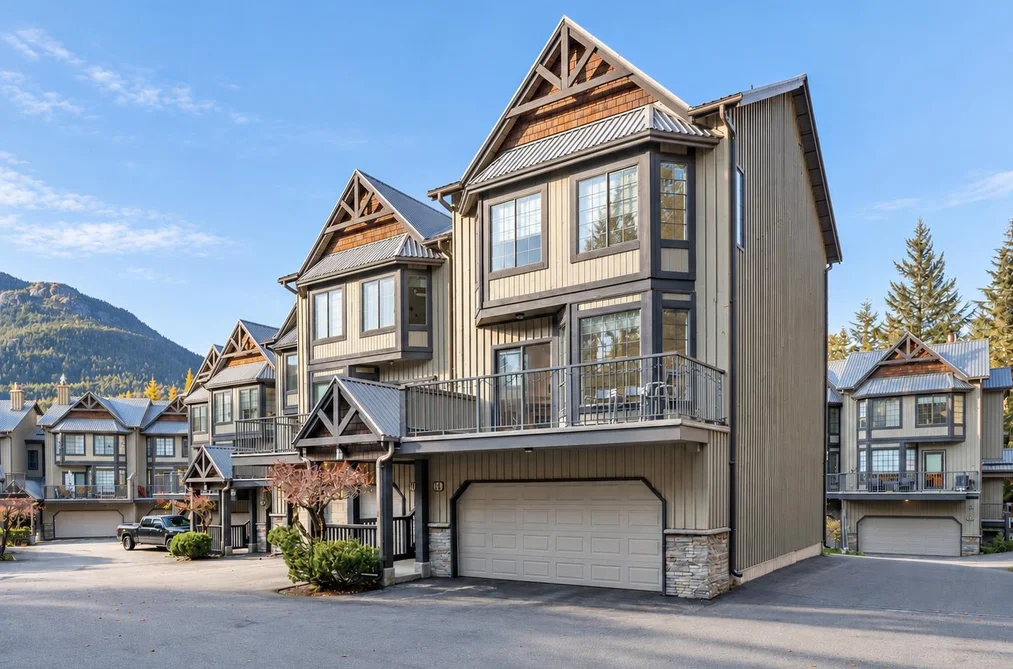
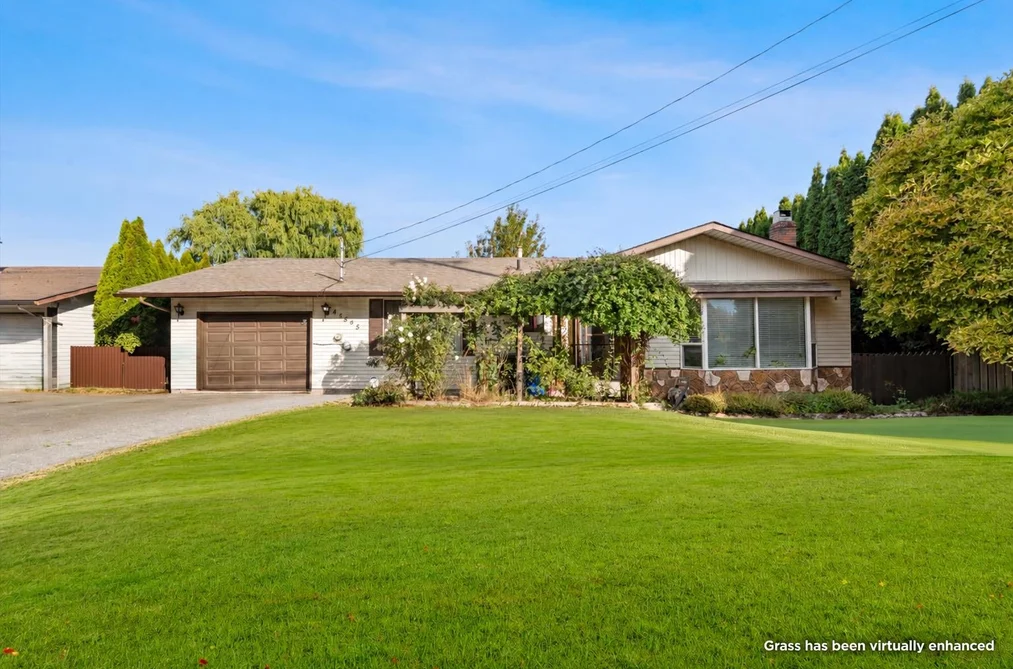
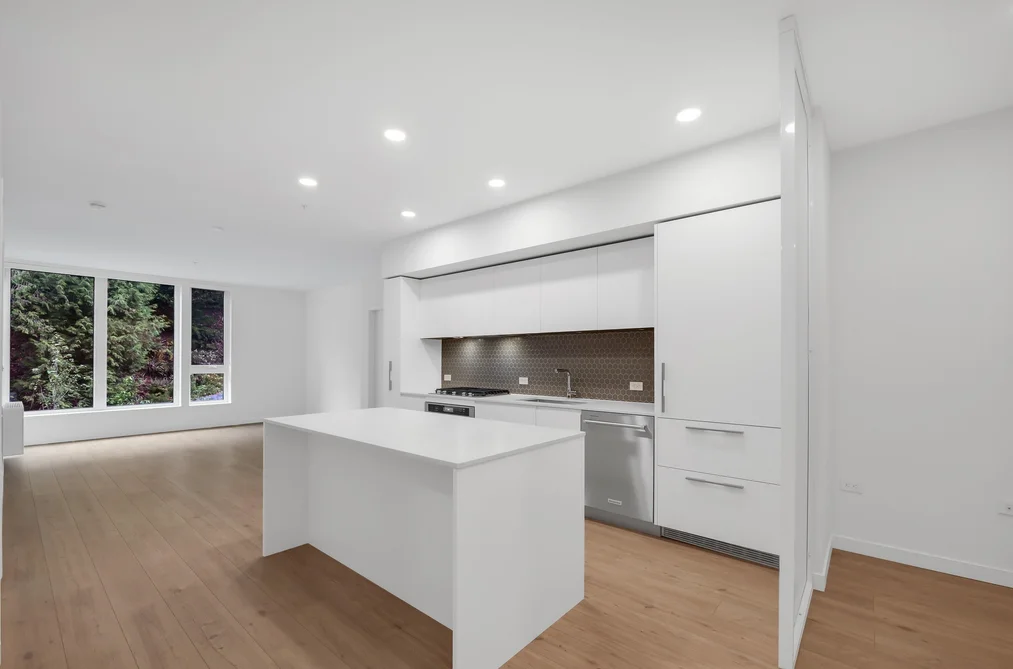
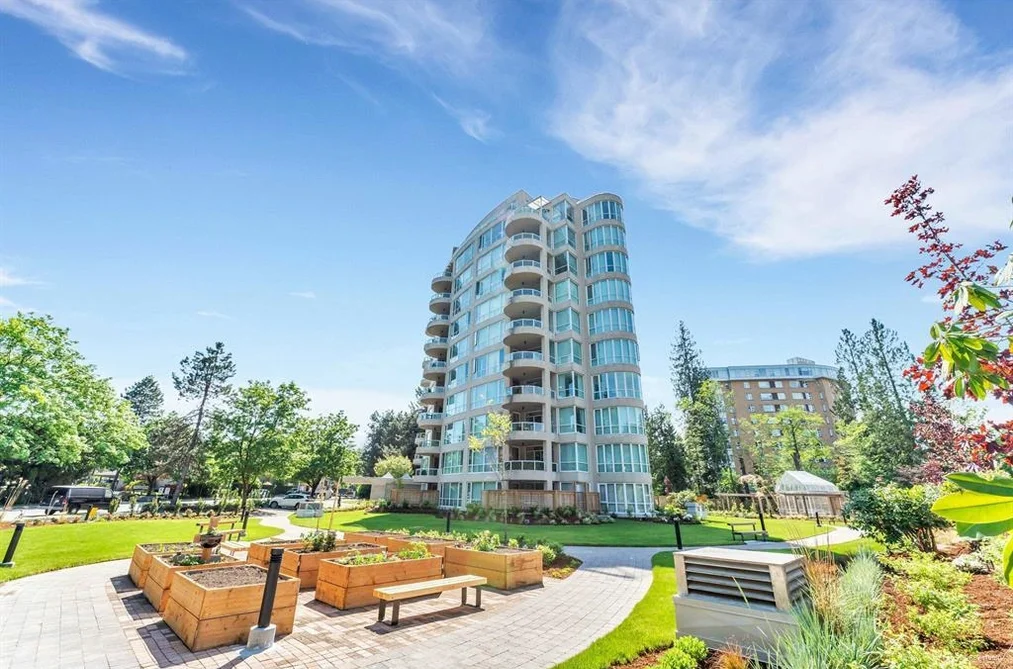
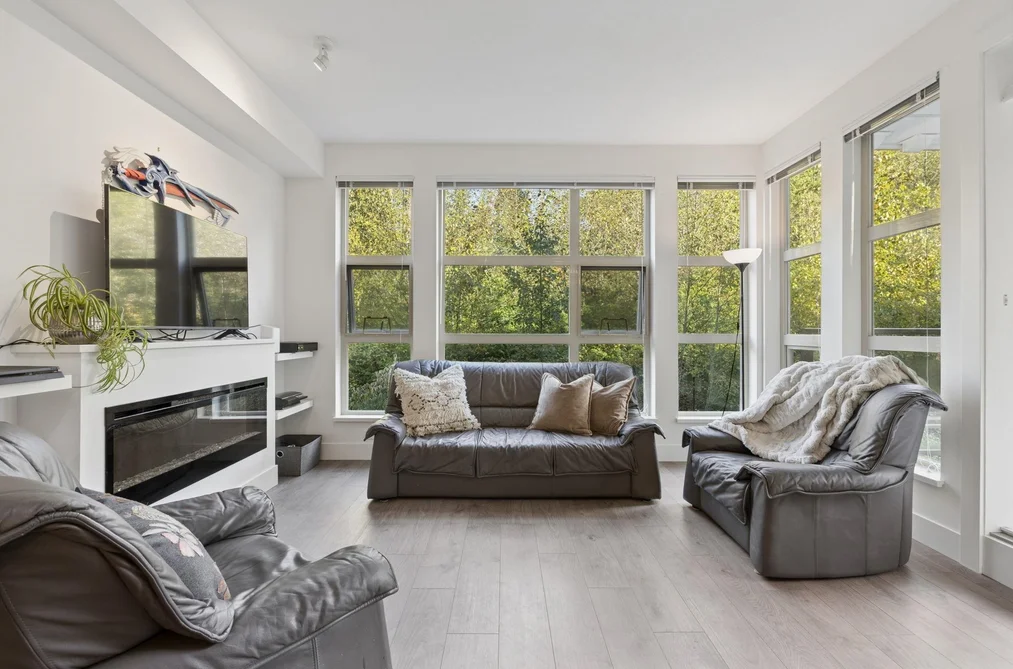
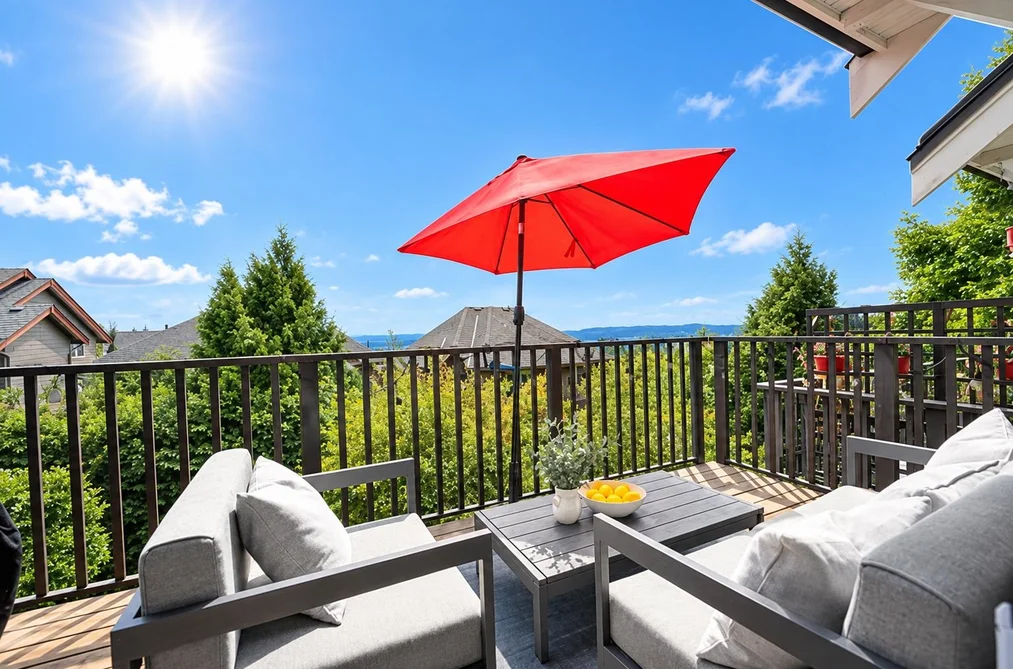
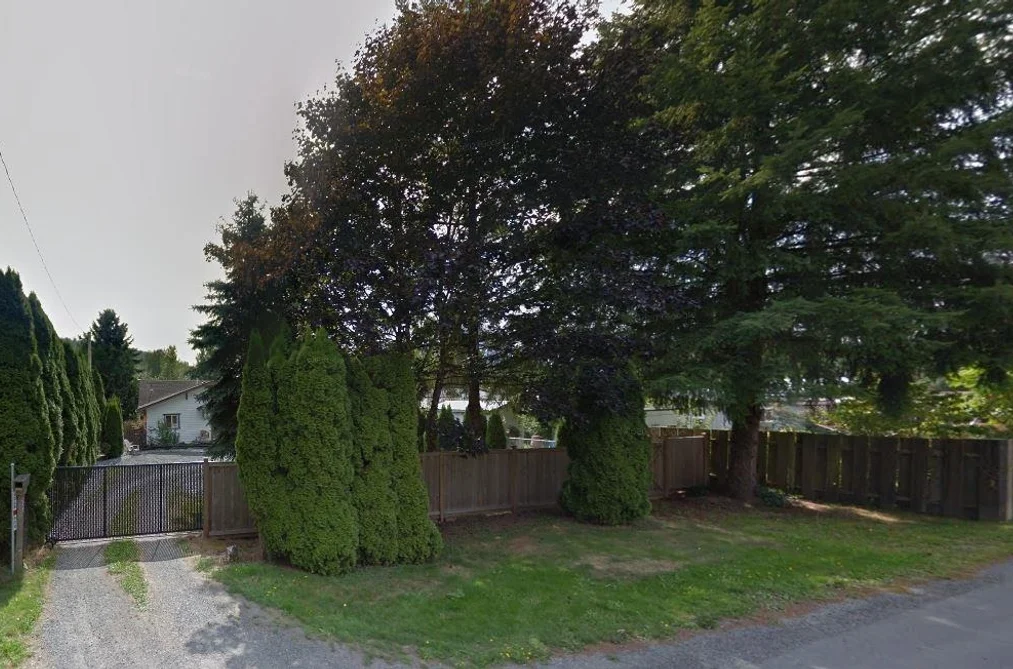
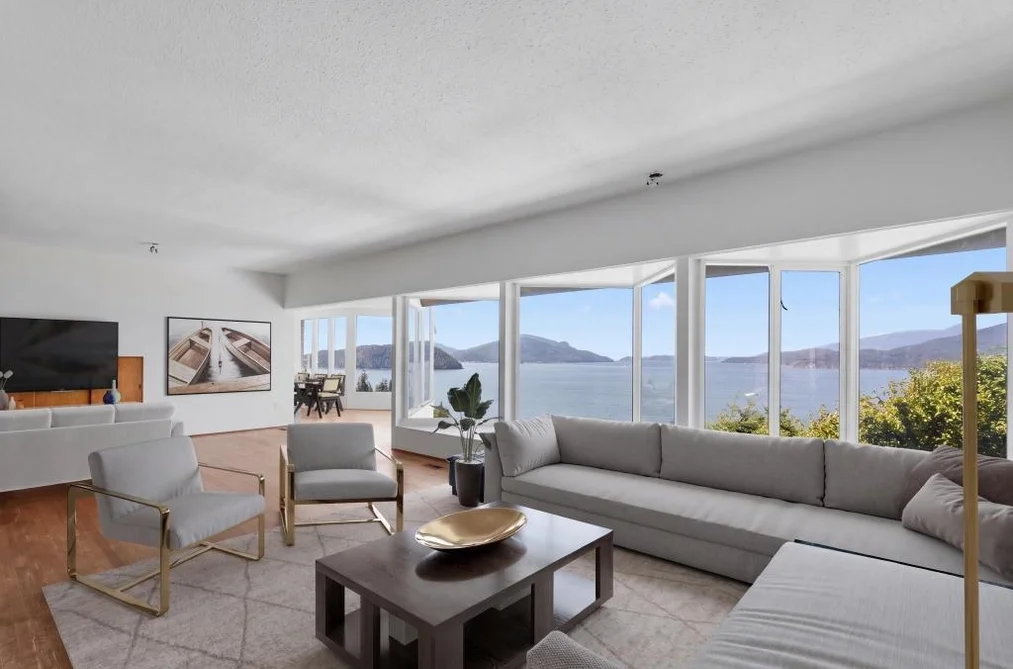
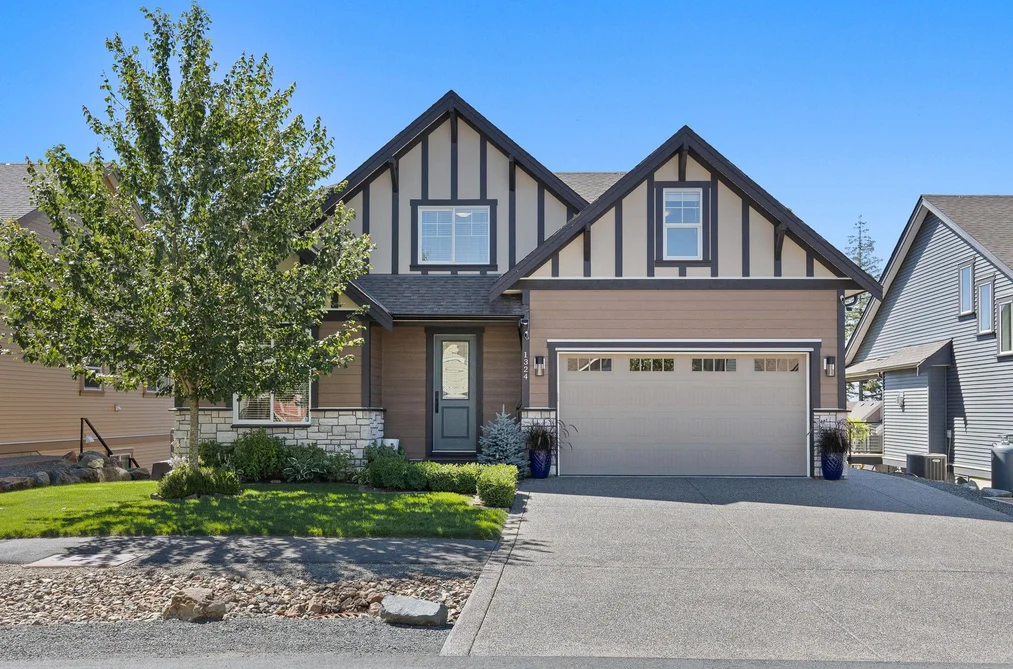
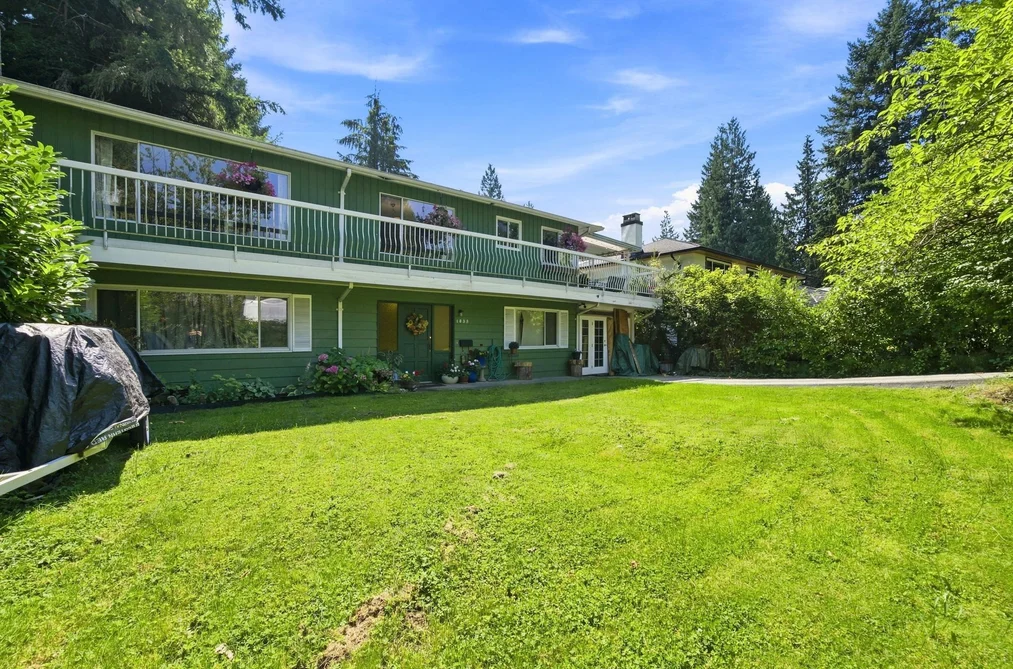
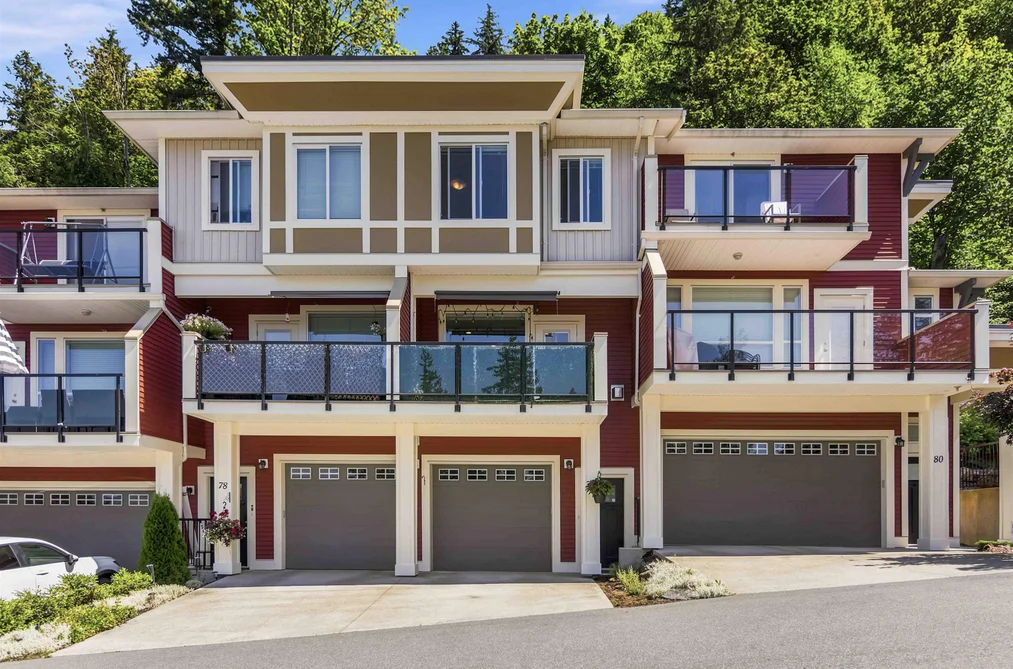
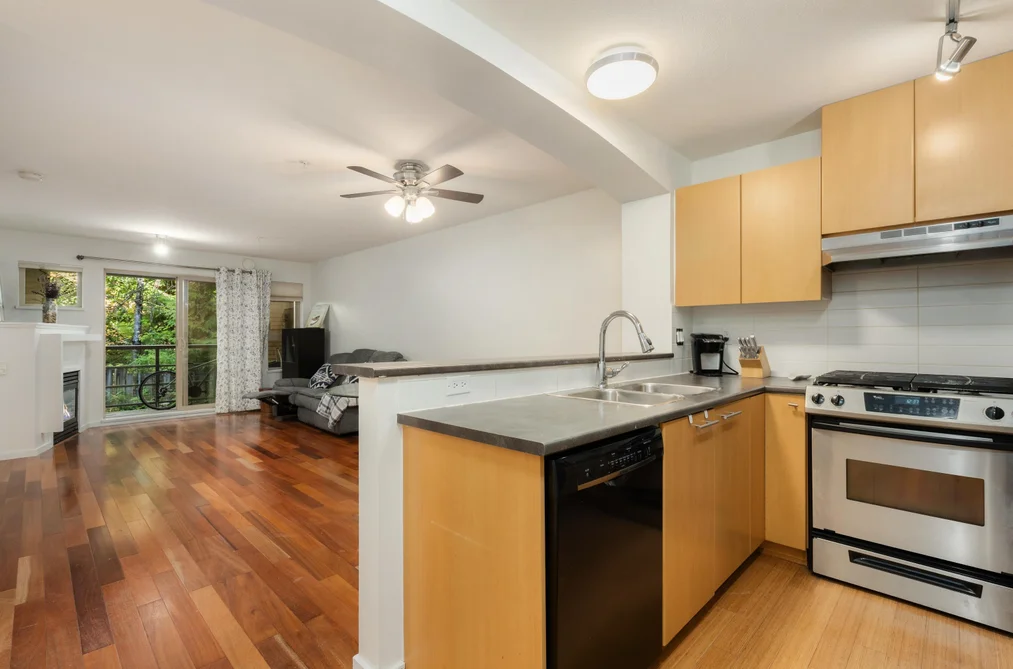
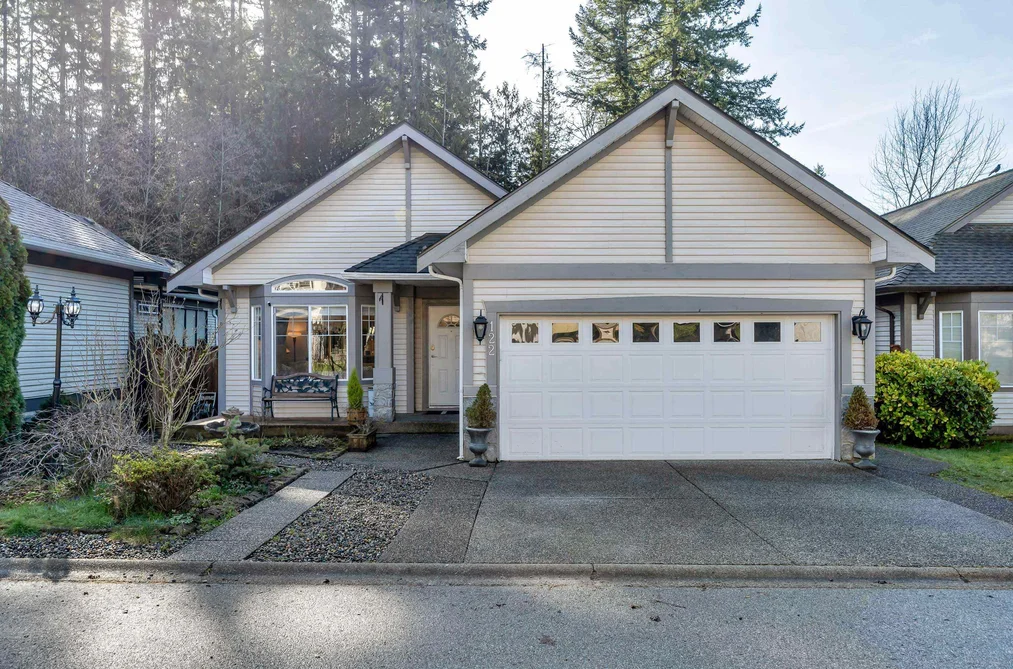
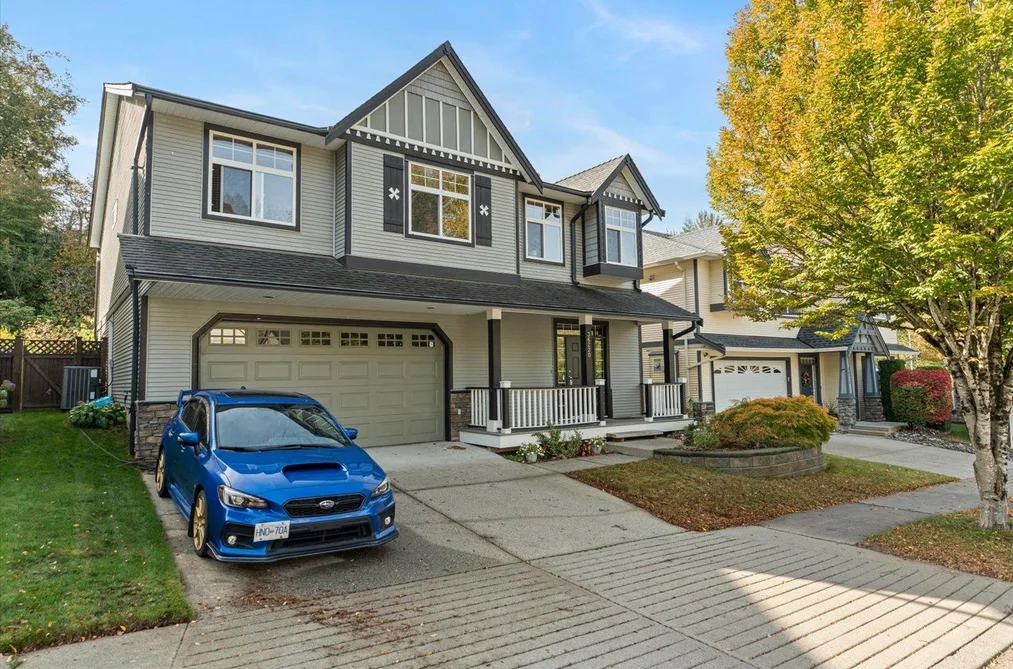
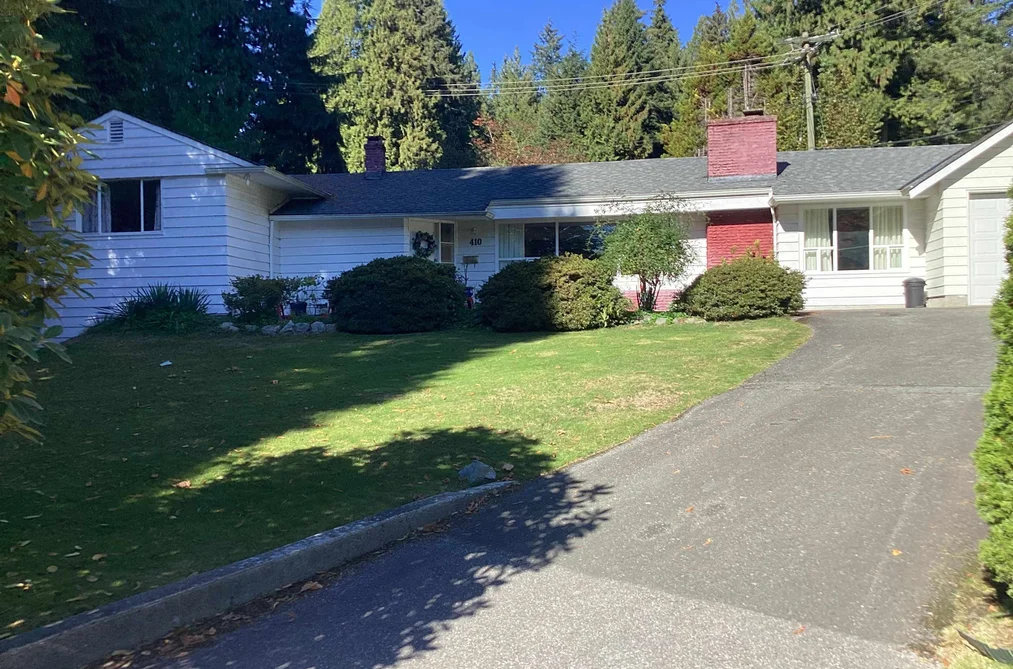
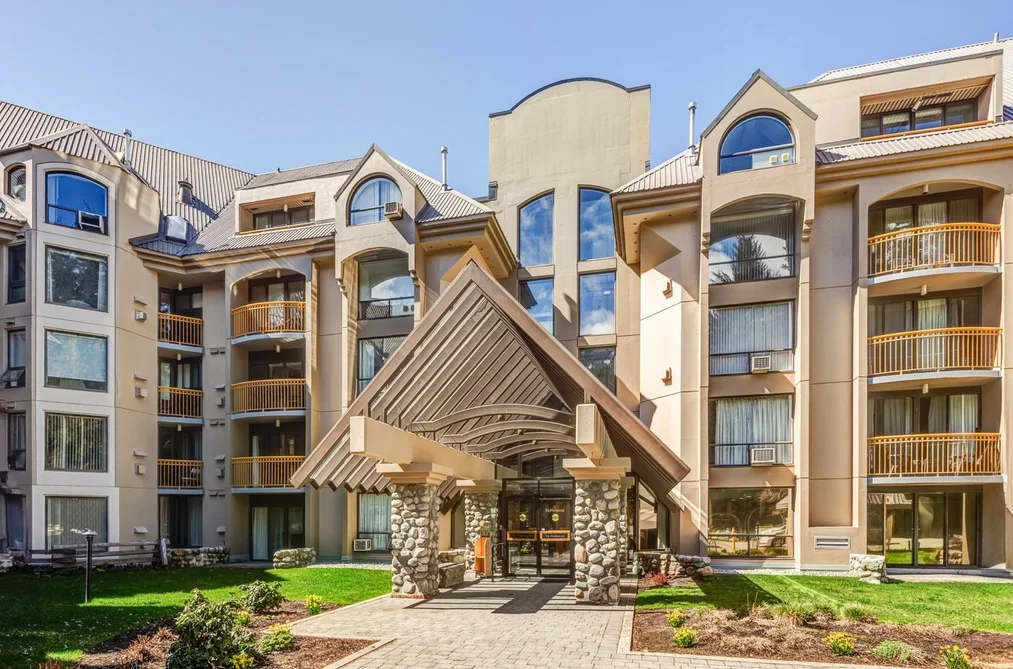
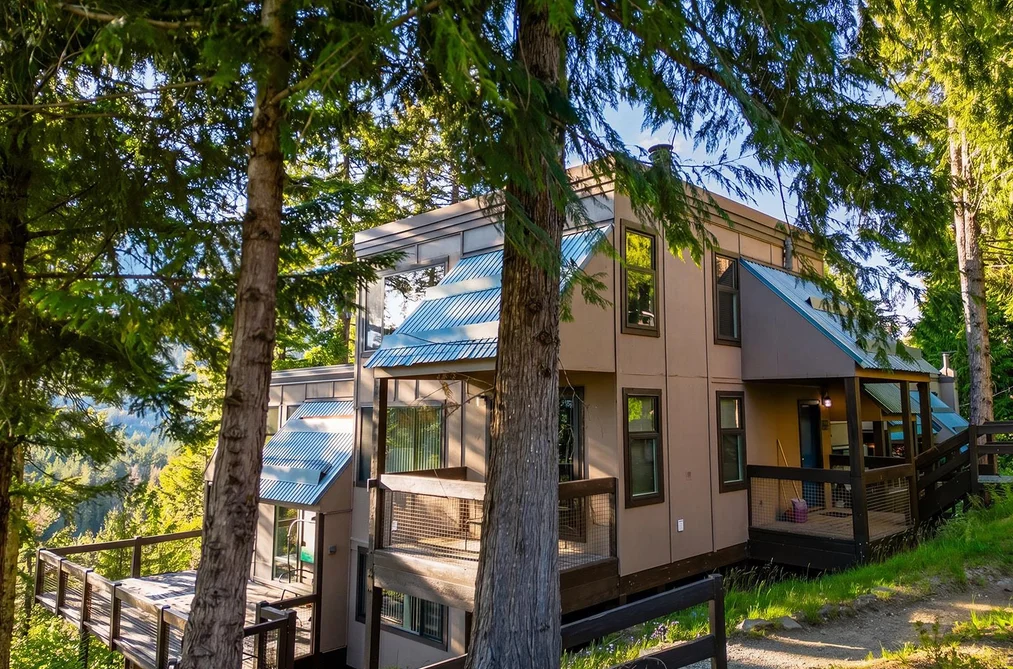
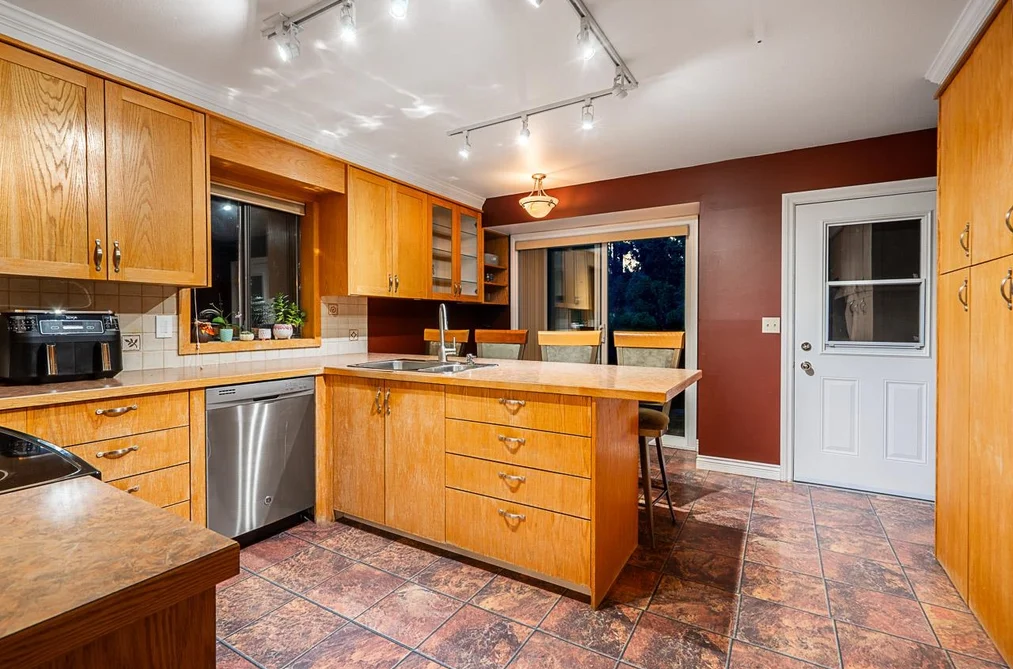
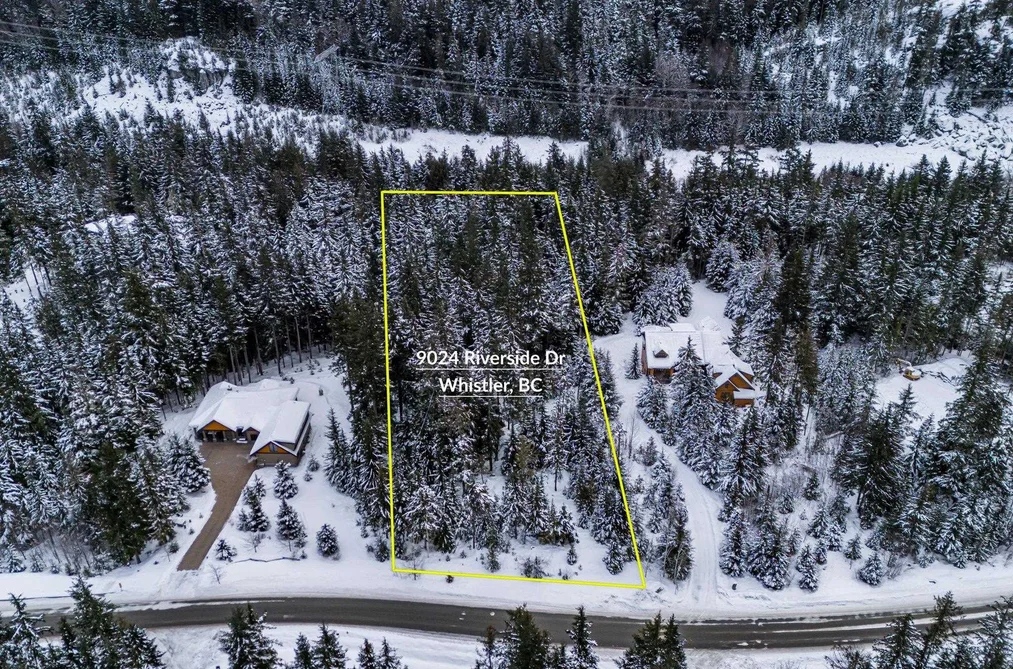
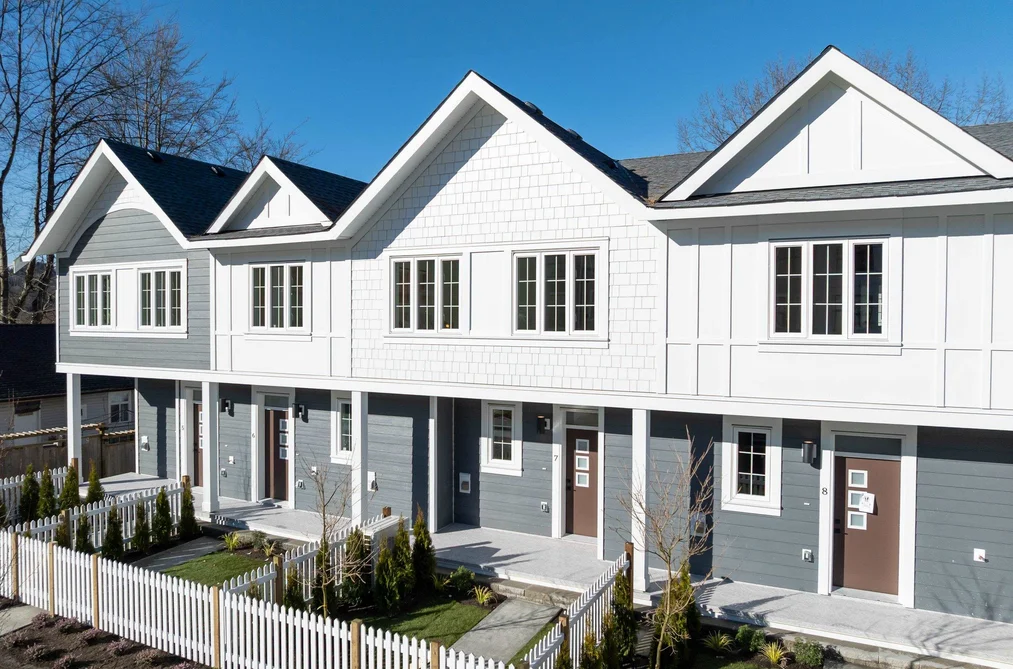
For Sale
1 day
- $1,949,000
- 4 bed
- 3 bath
- 1895 sqft
MLS® R3178434
•Whistler Property Services
Find homes for sale near hiking trails in Greater Vancouver and British Columbia, and check trail access, slope, road service and insurance before you offer.
Hiking access sells itself in Greater Vancouver, so confirm where the trailhead actually sits and who owns the land between it and the property before you shortlist a listing.
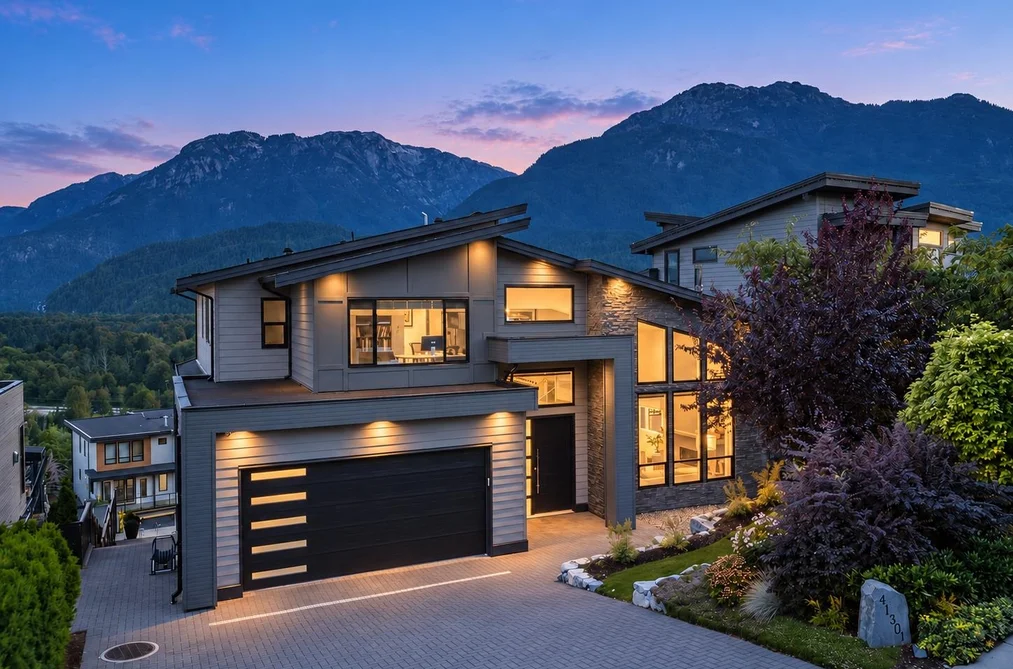
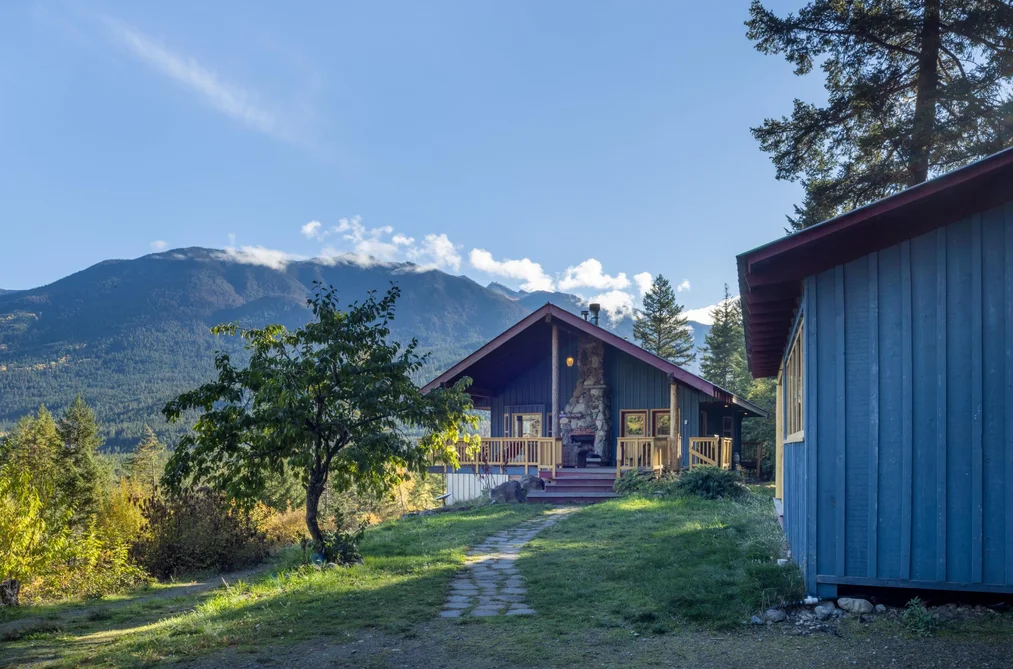
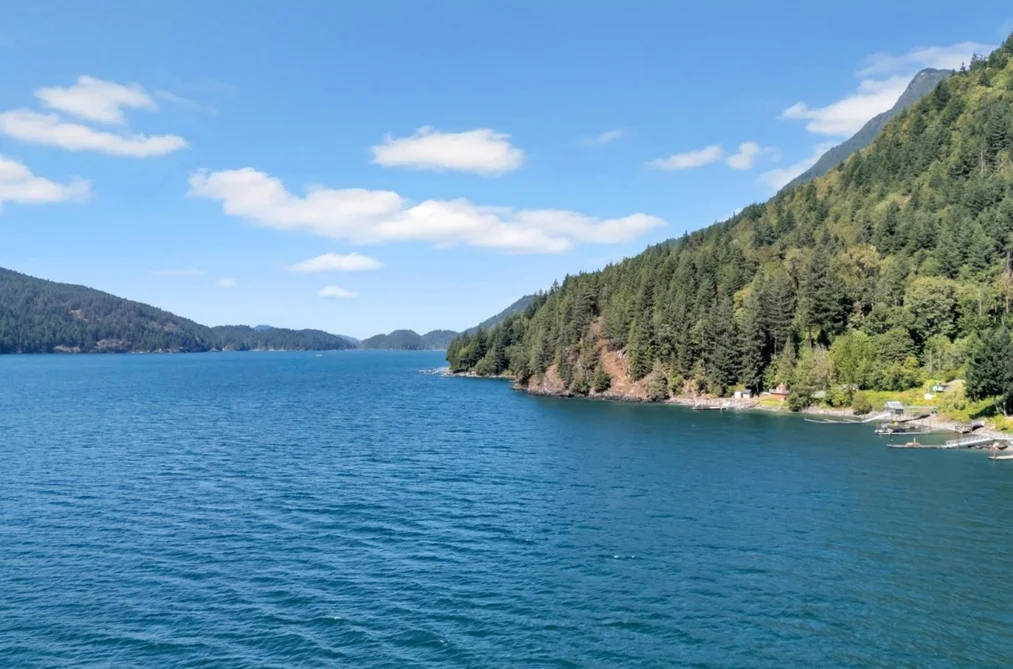
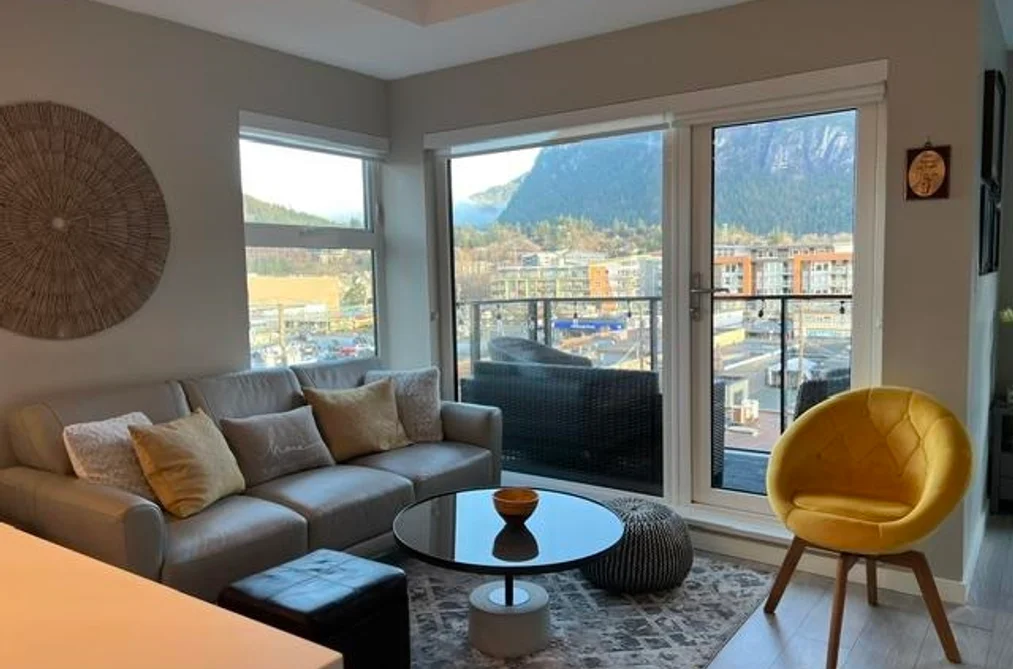
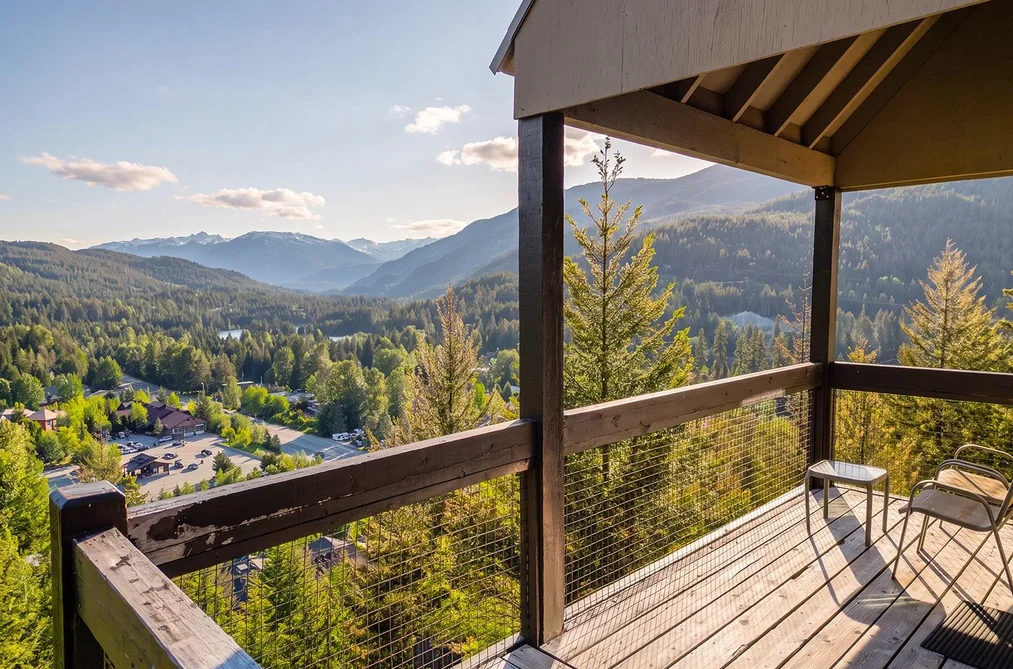
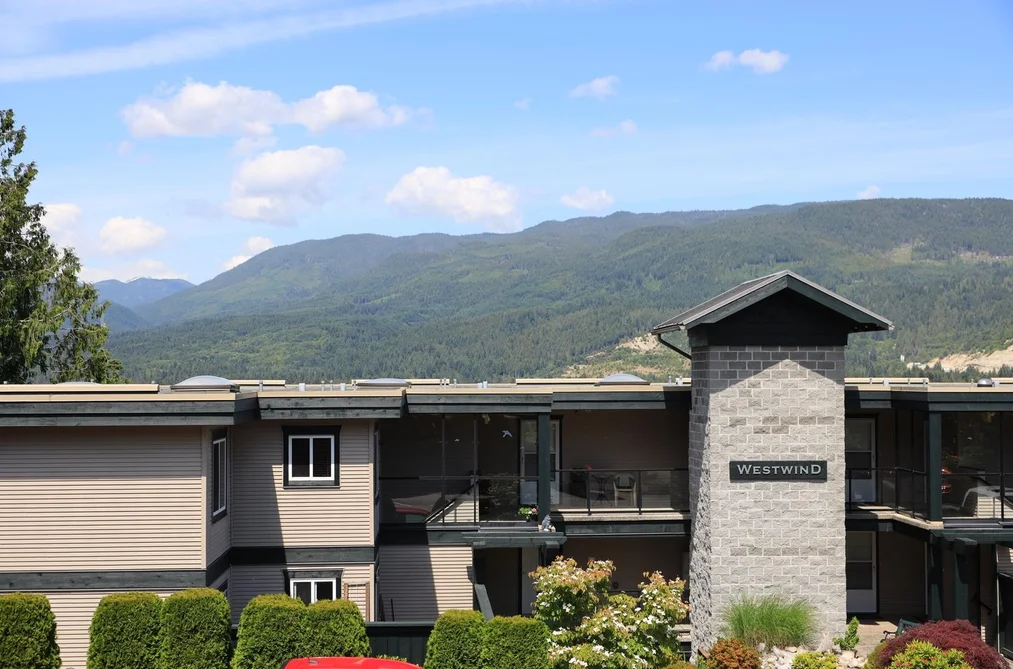
A mountain in the background of a real estate photo tells you nothing about access. Some homes back directly onto a public trail network; others sit a short drive from a trailhead with no parking left after breakfast. Ask your agent for the trail name and find the official trailhead on the municipal or provincial park map before you assume you can walk to it from the house.
Where a trail runs along the property line, find out who owns the strip. It may be a municipal right-of-way, a covenanted greenbelt, or private land that a previous owner simply tolerated people crossing. A registered trail easement on title is a different thing from an informal path, and only one of them survives a change of ownership, so have your lawyer read the title during the subject period.
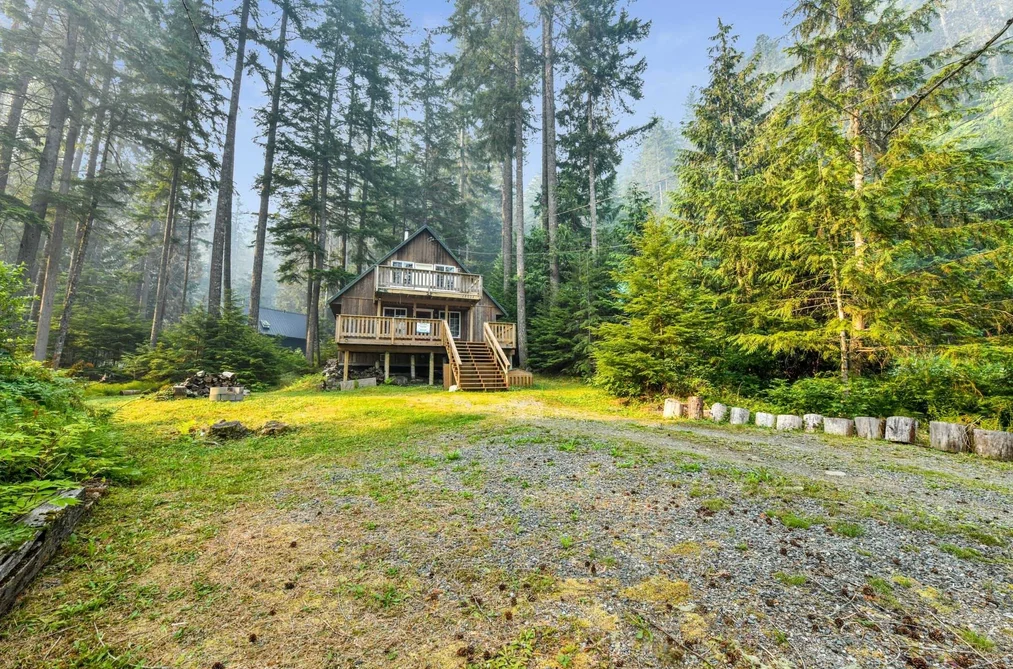
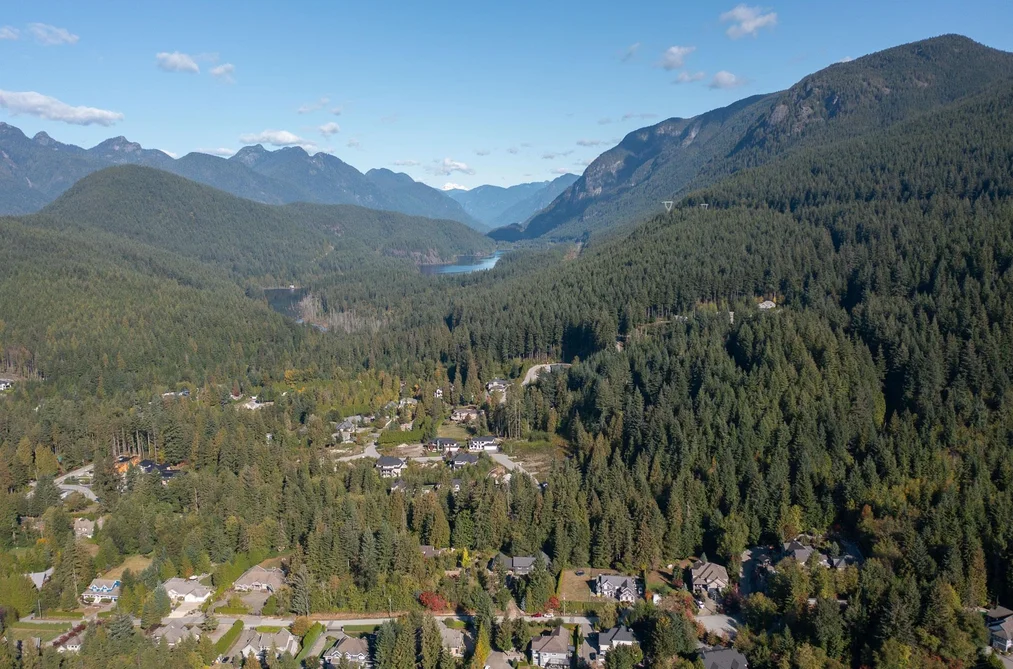
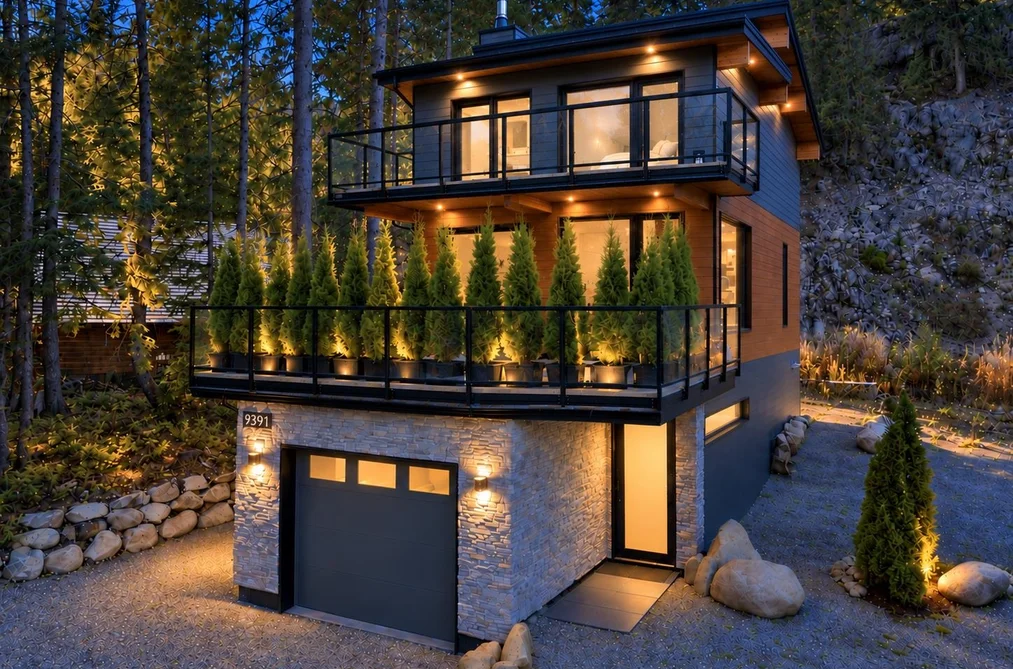
Homes on the edge of a trail network in North Vancouver, Coquitlam or the Fraser Valley usually sit on slope. That brings retaining walls, perimeter drainage and, in some cases, a geotechnical covenant limiting where you can build. Ask for the geotechnical report and any engineer's letter on file, and have your inspector look specifically at drainage above and below the house.
Check the practicalities a buyer only notices in winter. Snow clearing and de-icing often stop partway up a road in that region, and garbage collection, courier delivery and transit service may stop lower still. Ask the listing agent what the road maintenance arrangement is and whether any of it is shared privately between neighbours.
Wildlife and fire matter as well. Properties beside forest carry bear-attractant bylaws, bin storage rules and, in some municipalities, an interface fire assessment that affects insurance. Confirm the insurance quote before you remove subjects rather than after, so the hikes you buy the property for do not come with a premium you never budgeted for.